


Place
Germany Updated Oct 2026
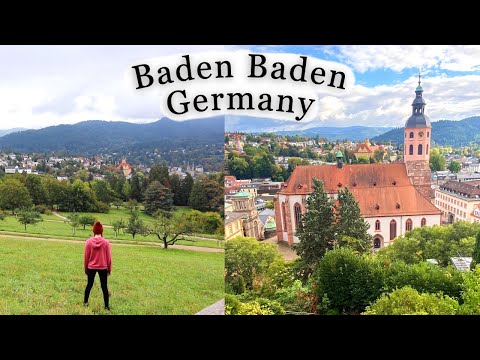
Steam rises from Baden-Baden’s hot springs while roulette wheels turn beneath gilded ceilings: this city in Germany has long paired bodily ease with a taste for risk. Roman bath ruins lie below the spa quarter, and Belle Époque colonnades lead toward the wooded slopes of the Black Forest. The contrast is the point.
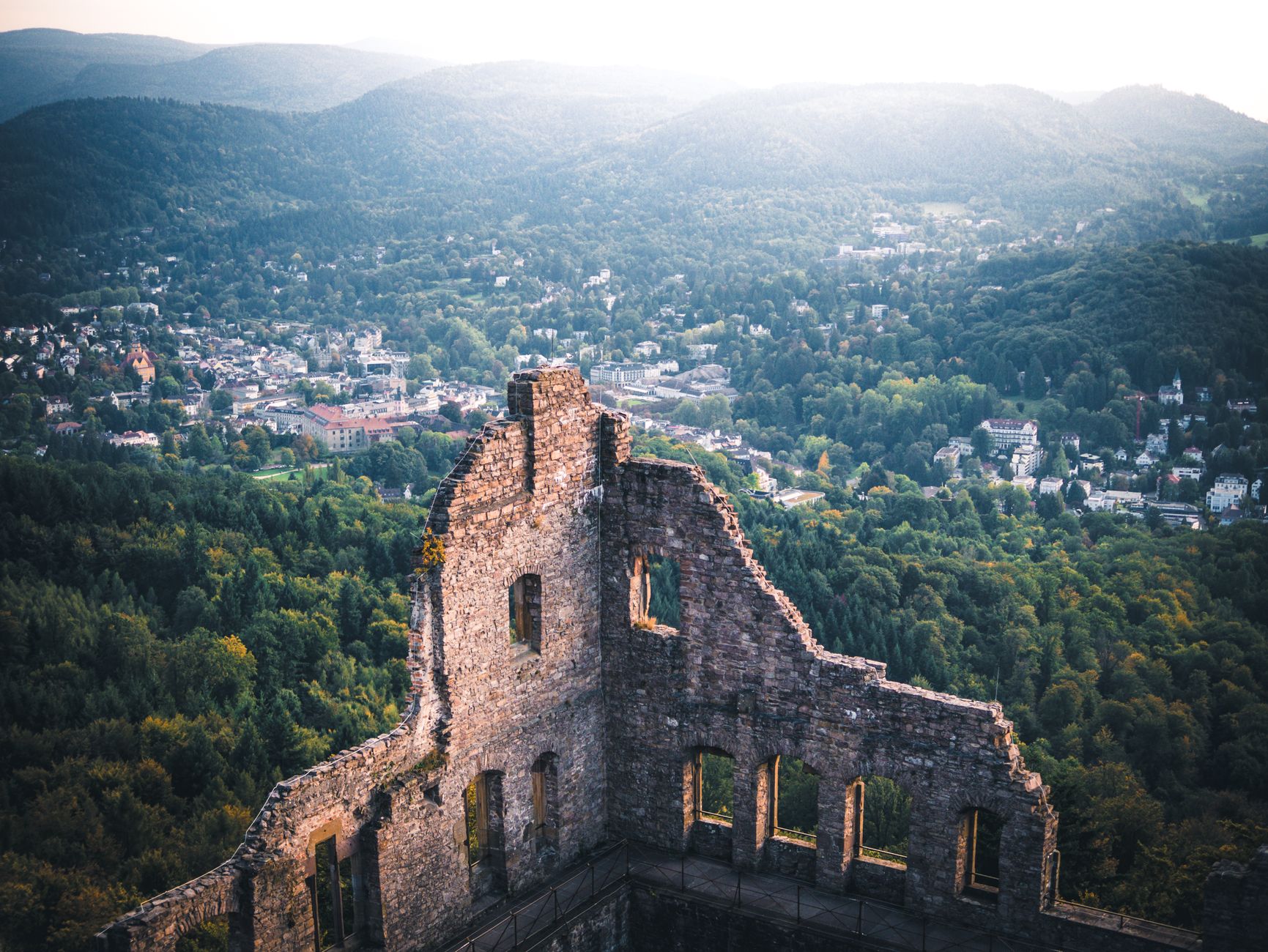 Photo: Fabian Wiktor / Pexels
Built from cited sources · see the method · How we make our guides →
UNESCO added Baden-Baden to its Great Spa Towns of Europe World Heritage site in 2021, recognizing a culture that flourished here from the 18th century to the 1930s. At the Friedrichsbad, opened in 1877, bathing still follows a 17-step ritual; the modern Caracalla Therme draws on hot springs rising from deep underground.
The city’s cultivated side gathers along the 2.3-kilometer Lichtentaler Allee, where museum buildings sit among mature trees and flower beds. Johannes Brahms spent summers in nearby Lichtental between 1865 and 1874, while the Festspielhaus fills a former railway station with the sound of opera and orchestral concerts.
Beyond the formal gardens, the mood turns local: Black Forest trout, handmade Spätzle and wines from the hillside villages of the Rebland. Baden-Baden can look like a stage set for Europe’s old elite, but its springs, forest paths and working vineyards reveal a town shaped as much by the land as by its visitors.
Not every monument, just the ones we'd walk you past ourselves.


Where to wander, by quarter — each with its own rhythm.
Before you go
Curated from places in this city. Same price as official sites.


Prices shown are indicative — final pricing and availability are confirmed at checkout. Audiala may receive a commission from bookings made via these links.
Baden-Baden’s story flows from ancient baths through fire, courtly fortunes, and modern culture
Before Roman rule, Celtic communities lived in the Oos valley, where hot mineral water rose from the ground. The springs would give the settlement its enduring purpose: people came here first for the water, long before the grand hotels and promenades.
Roman settlers established Aquae, a military settlement and bathing place near the empire’s Upper Germanic frontier. By the early third century, the baths had grown into a sophisticated complex, with heated rooms that carried warmth beneath the floor.
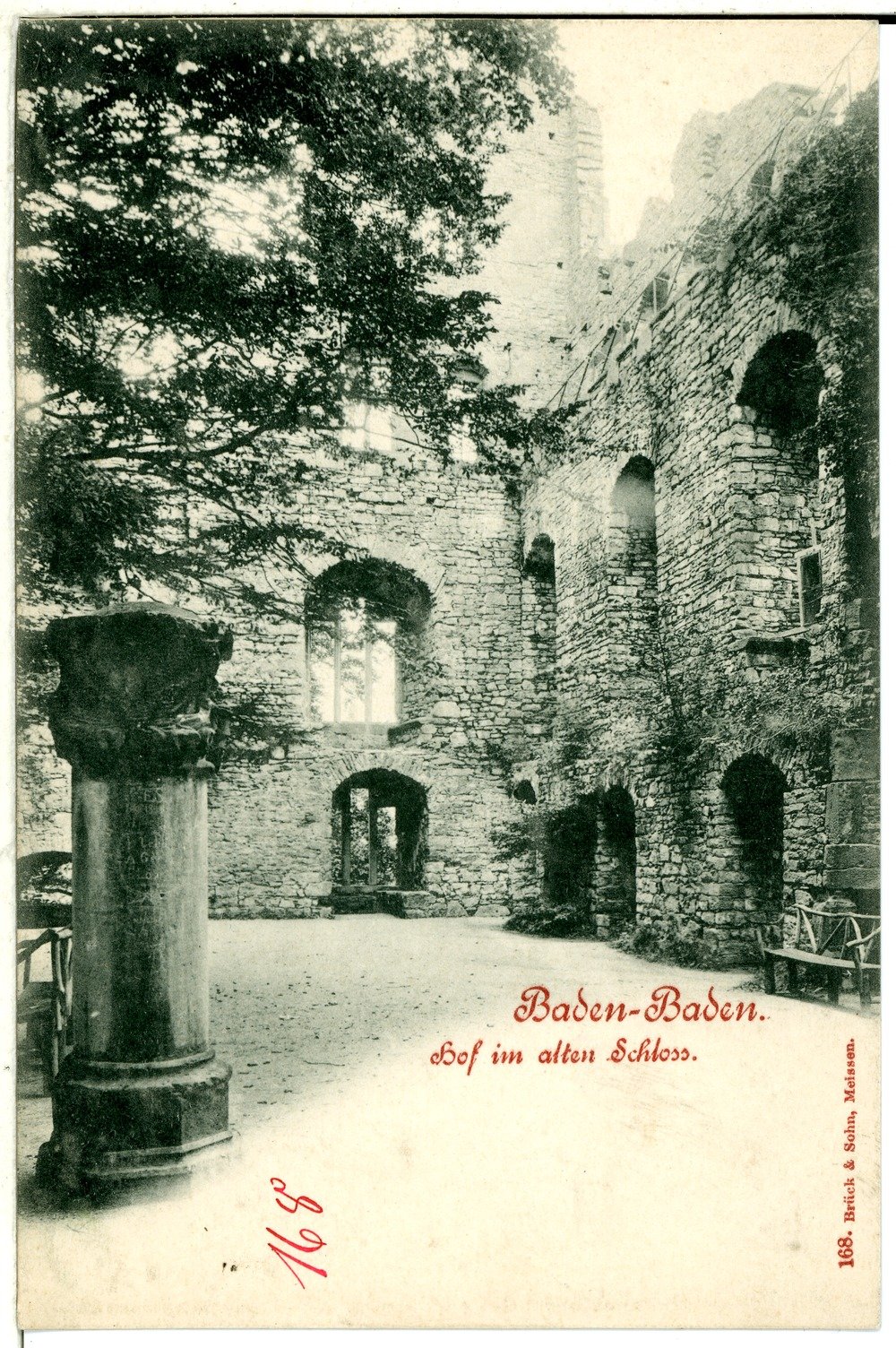
Hermann II completed Burg Hohenbaden above the town and styled himself Margrave of Baden in a charter. The castle’s position on the Battert cliffs made the new dynasty’s authority visible from the valley below.
Margravine Irmengard founded a Cistercian convent at Lichtenthal. Its church and quiet cloisters became the burial place of Baden’s ruling family, joining dynastic memory to the town’s religious life.
During epidemics, accounts of Baden describe townspeople channeling hot spring water through street gutters as a measure against disease. The practice shows how thoroughly the springs shaped daily life, though it could not guarantee protection from plague.
Margrave Christoph I moved his residence from Hohenbaden to the Neues Schloss on the Florentinerberg. The princely seat now stood closer to the town and its baths, trading cliff-edge defense for a more immediate presence in Baden’s streets.
The Margraviate of Baden was divided between two branches of the ruling family. Baden-Baden became the seat of the Catholic line, while Baden-Durlach followed a separate course from its own centers of power.
French troops set fire to Baden-Baden during the War of the Palatinate Succession. The flames destroyed much of the town, including the Neues Schloss and Hohenbaden; the spa town had to rebuild from ash and broken stone.
Margrave Louis William transferred his court and administration to the new residence at Rastatt. Baden-Baden lost its role as capital, a blow that left the town with fewer courtly visitors and a damaged economy.
The Promenadehaus and a chestnut-lined boulevard began a new spa district west of the Oos River. Baden’s recovery took the form of promenades and meeting places, not a return to the old medieval town plan.
The Catholic Baden-Baden line ended with the death of Margrave Augustus George. Charles Frederick of Baden-Durlach inherited the territory and reunited the margraviate, though Karlsruhe remained the capital.
Napoleonic reorganization elevated Baden to a Grand Duchy and brought it into the Confederation of the Rhine. Baden-Baden was no longer a princely capital, but its springs and growing spa facilities offered a different kind of influence.
Architect Friedrich Weinbrenner designed the Kurhaus, completed in 1824, with a broad neoclassical front and Corinthian columns. Its halls gave spa visitors somewhere to gather after drinking the waters or walking beneath the trees.
French entrepreneur Jacques Bénazet secured the casino concession and brought fresh money to Baden-Baden’s resort economy. Casino revenues helped pay for urban improvements and rooms designed to impress guests arriving from across Europe.
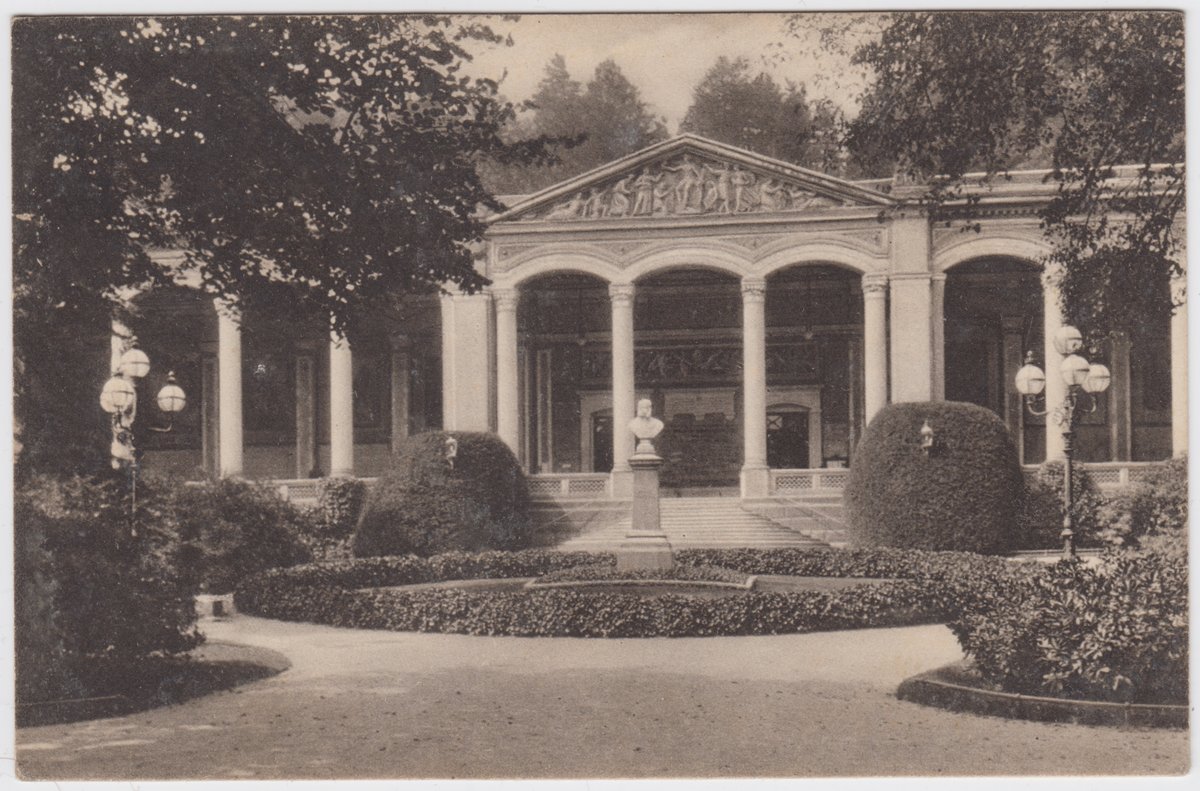
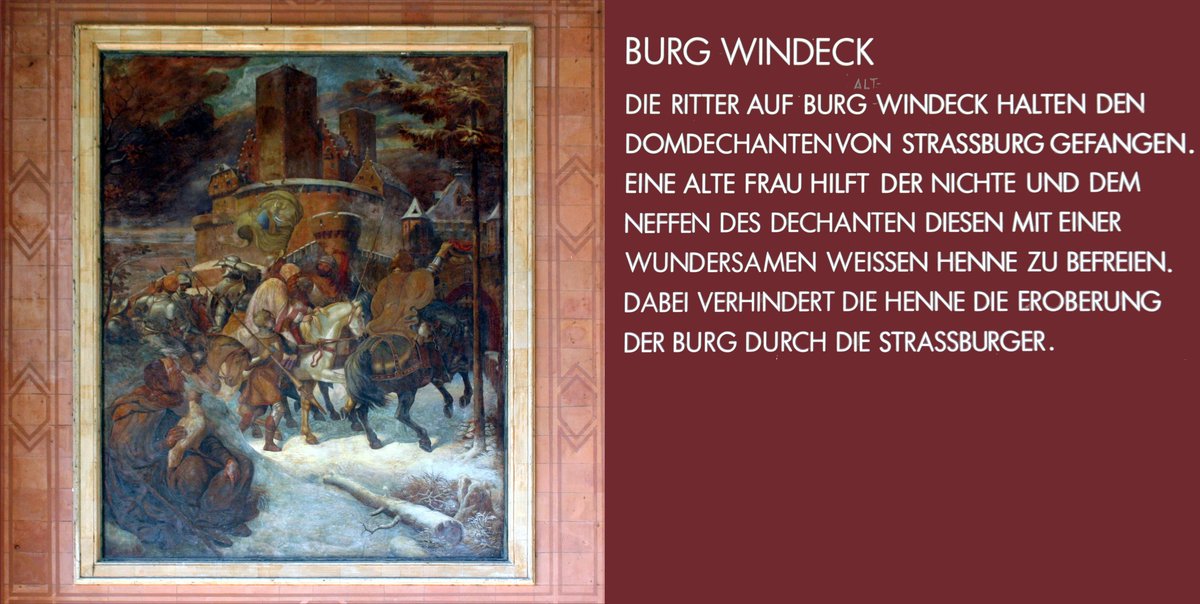
Heinrich Hübsch designed a 90-metre pump room colonnade beside the Kurhaus, its long arcade lined with 14 murals by Jakob Götzenberger. Visitors could sip spring water beneath painted scenes of Black Forest legends, a ritual that turned health into public theater.
Democratic uprisings swept through Baden, and in 1849 revolutionaries declared a republic after Grand Duke Leopold fled. Prussian forces crushed the revolt at Rastatt in July, ending the experiment and sending many supporters into exile.
Édouard Bénazet helped establish international horse races at nearby Iffezheim. The race meetings added a sporting season to Baden-Baden’s spa calendar and brought a new wave of aristocrats, gamblers, and spectators.
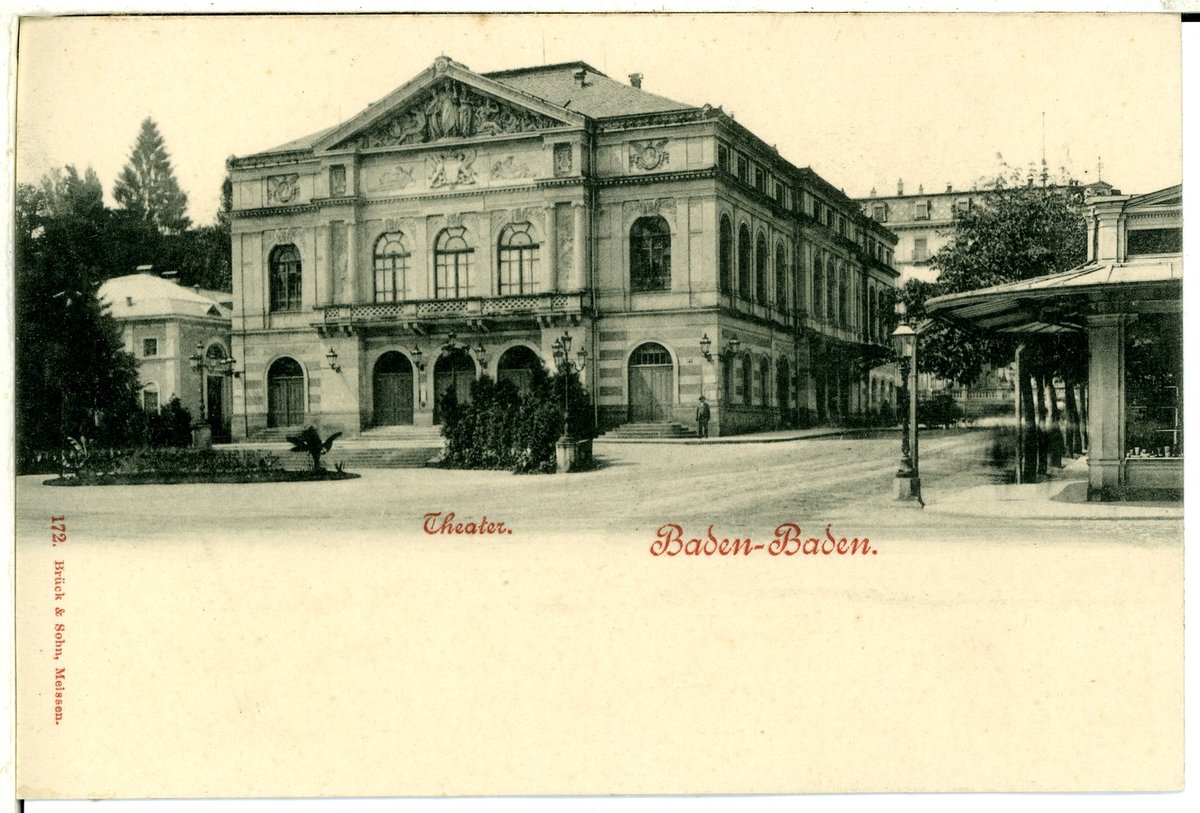
Hector Berlioz’s comic opera Béatrice et Bénédict premiered at the opening of Baden-Baden’s theatre. The composer had written the work for the town, giving its social season a musical event with a life beyond the casino rooms.
Russian novelist Ivan Turgenev settled in Baden-Baden, drawn in part by his closeness to singer Pauline Viardot. He later set Smoke in the town, using its Russian aristocratic visitors as material for a sharp portrait of life abroad.
Johannes Brahms began spending summers in Lichtenthal, where the quiet of his house offered a counterpoint to the casino’s glitter. He worked on major compositions here, including his First Symphony; the house survives as the Brahms-Haus museum.
Fyodor Dostoevsky returned to Baden-Baden and lost money at the casino’s roulette tables. His gambling experiences in the town and elsewhere fed the fictional resort of Roulettenburg in The Gambler, published the year before.
A ban on public gambling across the German Empire forced Baden-Baden’s casino to close. The town had to lean more heavily on its baths and health resort trade, rather than the roulette tables that had helped finance its grandeur.
Karl Dernfeld’s neo-Renaissance Friedrichsbad opened above the remains of the Roman baths. Its bathing sequence joined Roman-inspired pools to Irish hot-air treatment, turning ancient thermal water into a carefully staged modern cure.
Germany’s revolution brought Grand Duke Frederick II’s rule to a close; he abdicated on November 22. Baden became a republic within the new Weimar state, and Baden-Baden entered a political era without its grand ducal court.
The municipality formally adopted the name Baden-Baden, distinguishing itself from other places called Baden. The doubled name made explicit what visitors had long understood: this was the Baden whose identity rested on its baths.
French forces took control of Baden-Baden in April, near the end of a war that left the city less damaged than many German towns. The French military administration made it its headquarters, bringing occupation offices and soldiers into the old spa setting.
A new thermal complex opened, named for the Roman emperor associated with Baden’s ancient baths. Its modern pools draw on springs that rise hot from deep underground, carrying the city’s oldest resource into a new age of bathing.
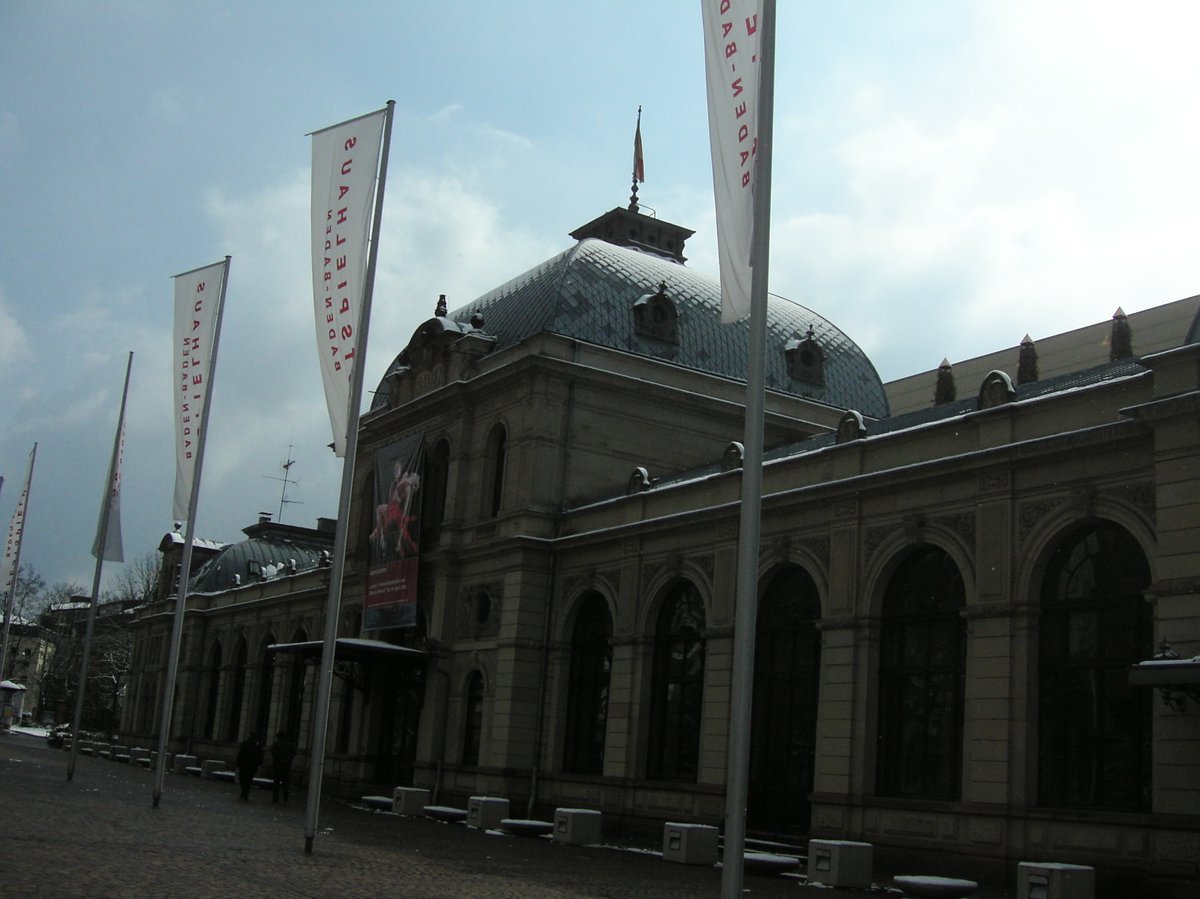
The Festspielhaus opened inside and around the neoclassical façade of Baden-Baden’s former central railway station. Its 2,500 seats turned a building once made for arrivals into one built for opera and concert audiences.
UNESCO inscribed Baden-Baden as part of The Great Spa Towns of Europe, a transnational World Heritage site shared with ten other towns. The designation recognizes more than its baths: the promenades, pump room, Kurhaus, and old resort plan together tell the story of Europe’s spa culture.
Composer · 1833–1897
Summered in Lichtental from 1865 to 1874
Brahms spent summers at the house now known as the Brahms Museum, working among the hills and gardens of Lichtental. He might recognize the quiet walks that drew him here, even as the town’s concert calendar grew far beyond the intimate rooms where he worked.
Novelist · 1821–1881
Visited Baden-Baden in 1867
Dostoevsky came to Baden-Baden in 1867 and lost heavily at the roulette table; the fever of that visit fed into his novel The Gambler. Today’s orderly spa streets would look familiar, but the casino’s polished rooms still hold the old tension between self-control and chance.
Novelist · 1818–1883
Lived in Baden-Baden during the 1860s
Turgenev spent years in Baden-Baden, where Russian visitors mixed with the town’s European spa society; he set his novel Smoke here. He might find the same social theatre in the Kurhaus, though today the promenaders carry phones instead of calling cards.
Where locals actually book dinner — not the tourist menus.
Small things that change how the city treats you.
The city, as it actually looks.

Yes, if you’re drawn to thermal bathing, elegant 19th-century architecture and Black Forest walks. Its spa district is part of UNESCO’s Great Spa Towns of Europe, and the Roman bath ruins offer a much older layer beneath the polished façades.
Plan on two or three days for the spa quarter, a thermal bath, Lichtentaler Allee and one museum or hillside outing. One day works for a walk through the centre and a single bath; add time for hiking or the Rebland wine villages.
Local buses connect the railway station with the central spa quarter. Check the KVV timetable for the best departure when you arrive, since the station is outside the walkable centre.
Baden-Baden is generally safe for visitors, but use ordinary city precautions: keep valuables close on public transport and in crowds. Check your government’s current Germany travel advice before departure.
It can be: thermal baths, fine dining and casino evenings can raise the bill quickly. Balance those paid outings with a walk along Lichtentaler Allee, the Kurpark and the town’s historic streets, and carry cash for smaller market stalls.
May and June bring rose gardens into bloom and coincide with the regional white-asparagus season; September is another good month for walking and wine-country outings. For a winter visit, check the dates of the Christkindelsmarkt, which typically runs from late November into early January.
Yes. The central spa quarter and Lichtentaler Allee are well suited to walking, and local buses help with the railway station and outlying districts; the Merkur funicular reaches the summit from its valley station. A car is useful for exploring farther into the Black Forest, not for the central sights.
107 places to discover









Showing 1–48 of 107 places
Saved and recently read places — kept on this device only.
Photos may have been resized or cropped.