
The Stolpersteine Project: Origins and Expansion
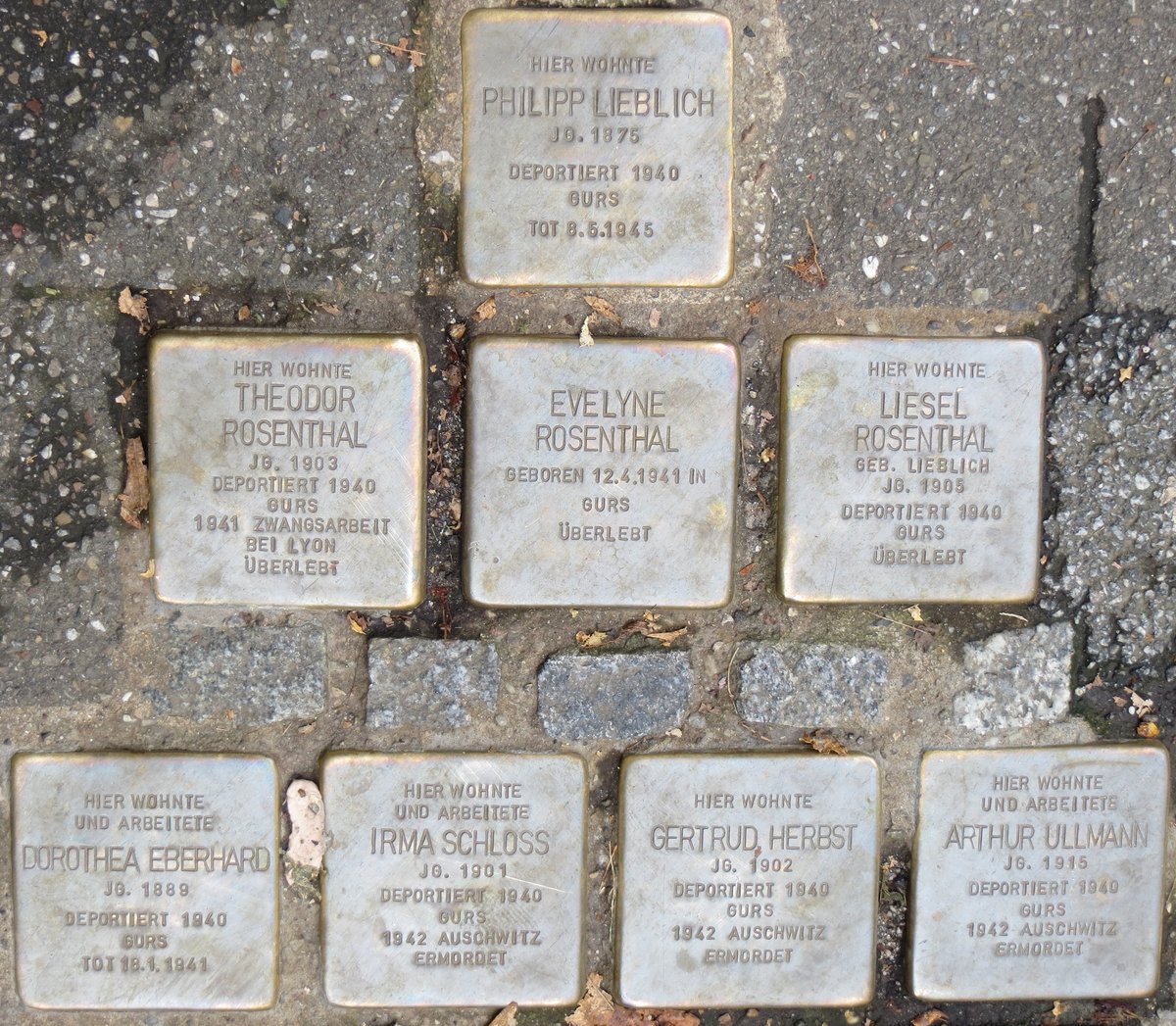
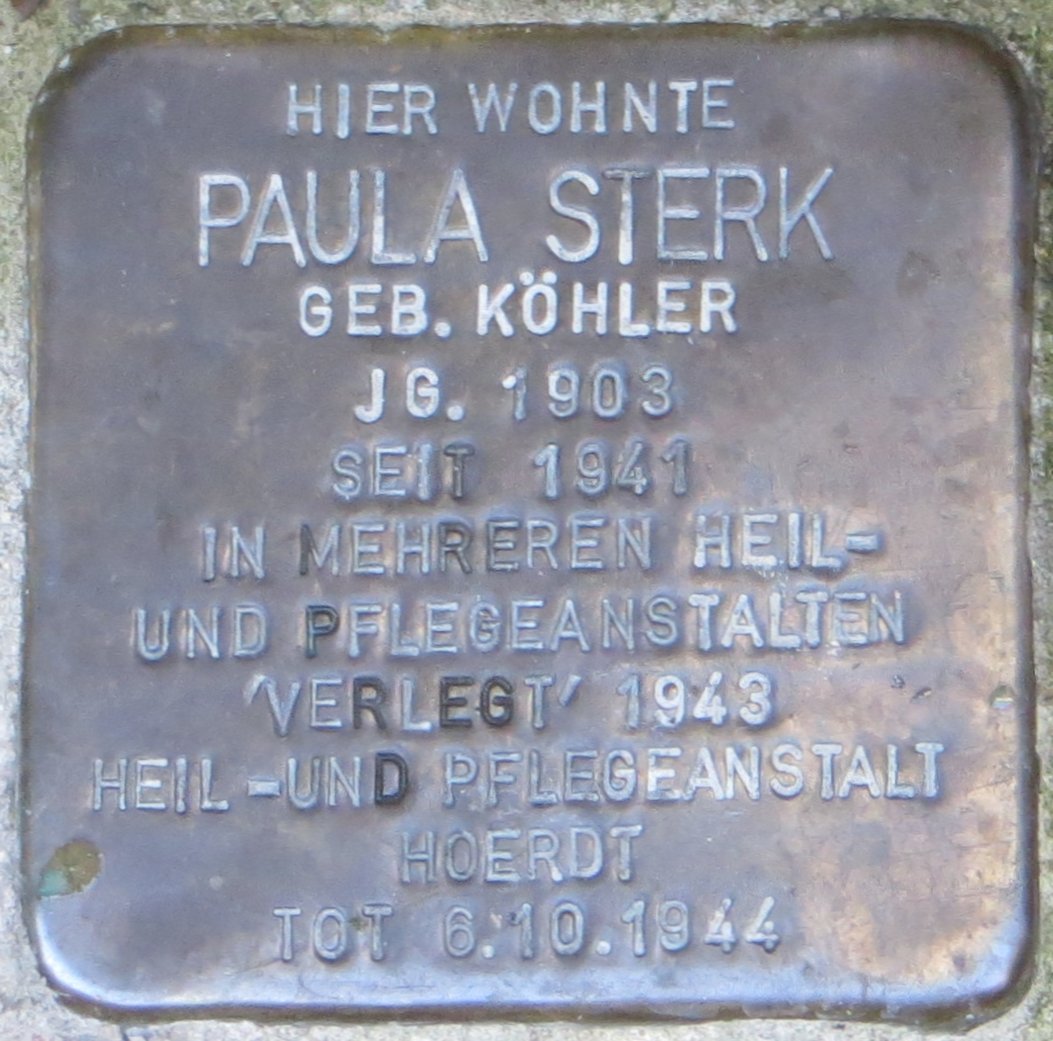
The Stolpersteine project was conceived by Gunter Demnig to commemorate the victims of National Socialism—Jews, Sinti and Roma, political dissidents, LGBTQ+ individuals, people with disabilities, and others. Each Stolperstein is a handcrafted brass plaque, bearing the victim’s name, date of birth, fate, and, when known, the date and place of death or emigration (Germany.info).
Stolpersteine are installed in front of homes or workplaces, integrating remembrance into daily urban life. The project's decentralized, grassroots nature ensures that memory is preserved at the local level, making each stone a personal point of reflection (Pebble Galaxy).
Stolpersteine in Baden-Baden
Baden-Baden has actively participated in the Stolpersteine project since 2008. By 2013, more than 114 stones had been installed, and the number continues to grow (Stadtwiki Baden-Baden; Wikipedia). These memorials commemorate local victims, restoring names and stories to those lost during the Nazi era. The community, including descendants and local historians, is deeply involved in the research and installation process, ensuring authenticity and reverence (Gedenkbuch Baden-Baden).
Biography of Hans Isidor Weil
Hans Isidor Weil was born on September 3, 1911, in Bad Herrenalb, Germany. He was the son of Luzian Weil, secretary of the International Club, and Eugenie Weil (née Stern). From 1935 to 1938, Hans resided at Sonnenplatz 1 in Baden-Baden. Under escalating persecution by the Nazi regime, Hans emigrated to South Africa on February 1, 1937, managing to escape the fate that befell many others in his community. His story is one of rare survival and resilience, and his Stolperstein is among the few that marks successful emigration rather than deportation or murder (Gedenkbuch Baden-Baden).
Location and Inscription Details
Address:
Sonnenplatz 1, 76530 Baden-Baden, Germany
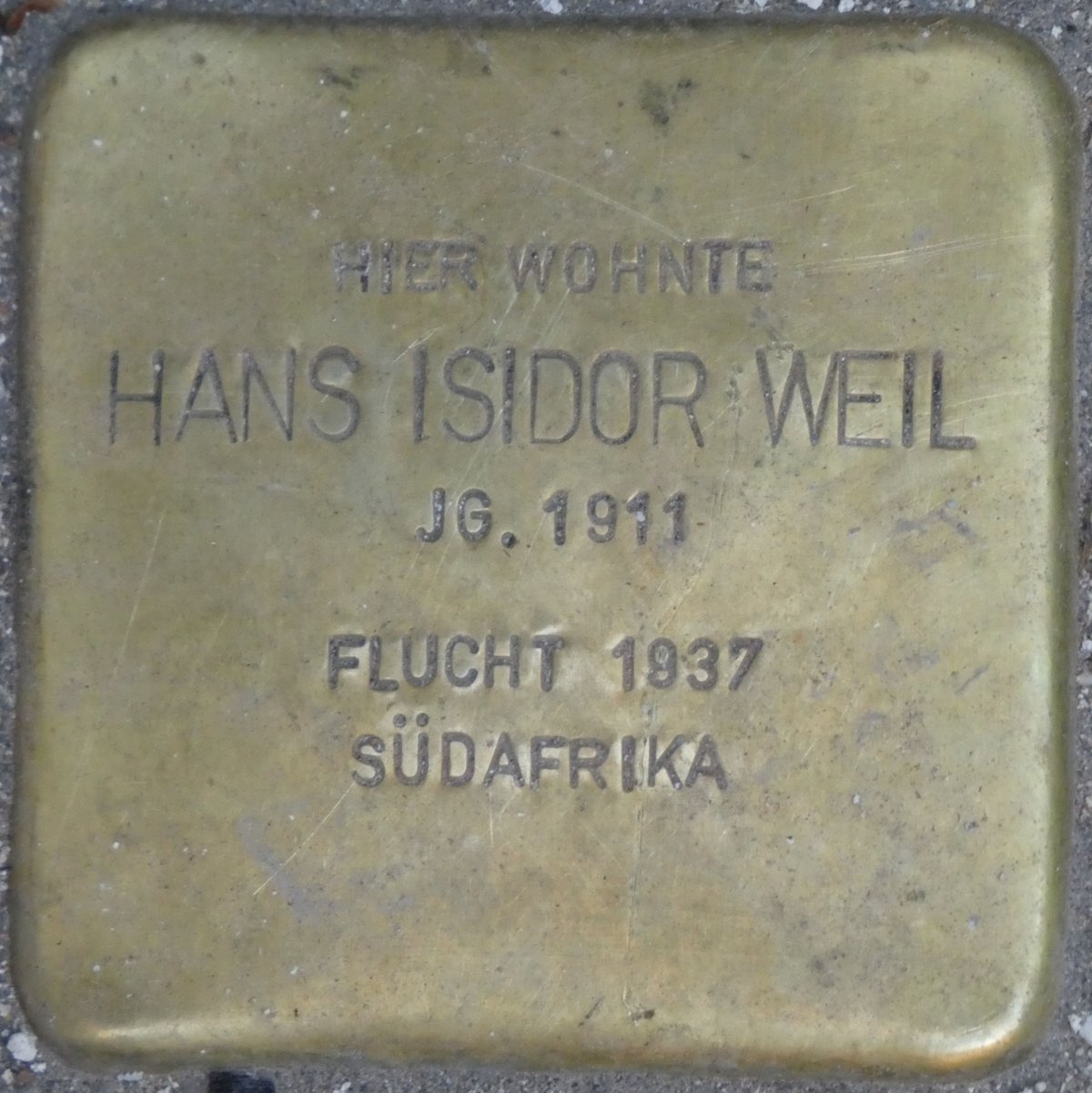
Hans Isidor Weil’s Stolperstein is embedded in the sidewalk outside his last residence. The inscription reads:
HIER WOHNTE
HANS ISIDOR WEIL
JG. 1911
FLUCHT 1937
SÜDAFRIKA
Translation:
Here lived
Hans Isidor Weil
Born 1911
Fled 1937
South Africa
This concise memorial highlights his successful flight and survival, distinguishing it from many Stolpersteine that mark deportation and murder.
Visiting Information: Hours, Accessibility, and Tickets
- Visiting Hours The Stolperstein is outdoors and accessible 24/7.
- Tickets No ticket or entrance fee is required; the site is free and open to the public.
- Accessibility The site is wheelchair accessible, located on a public sidewalk in a pedestrian-friendly area.
- Best Times to Visit Daylight hours are recommended for better visibility and reflection. Early mornings or late afternoons tend to be quieter.
For exact location details, consult interactive maps from the official Stolpersteine website or the Baden-Baden Tourist Information Center.
Nearby Historical Sites and Attractions
While visiting the Stolperstein for Hans Isidor Weil, consider exploring these nearby sites:
- Museum Frieder Burda Contemporary art museum.
- Jewish Cemetery Memorial site for Baden-Baden’s Jewish community.
- Roman Bath Ruins Historical landmark reflecting Baden-Baden’s ancient past.
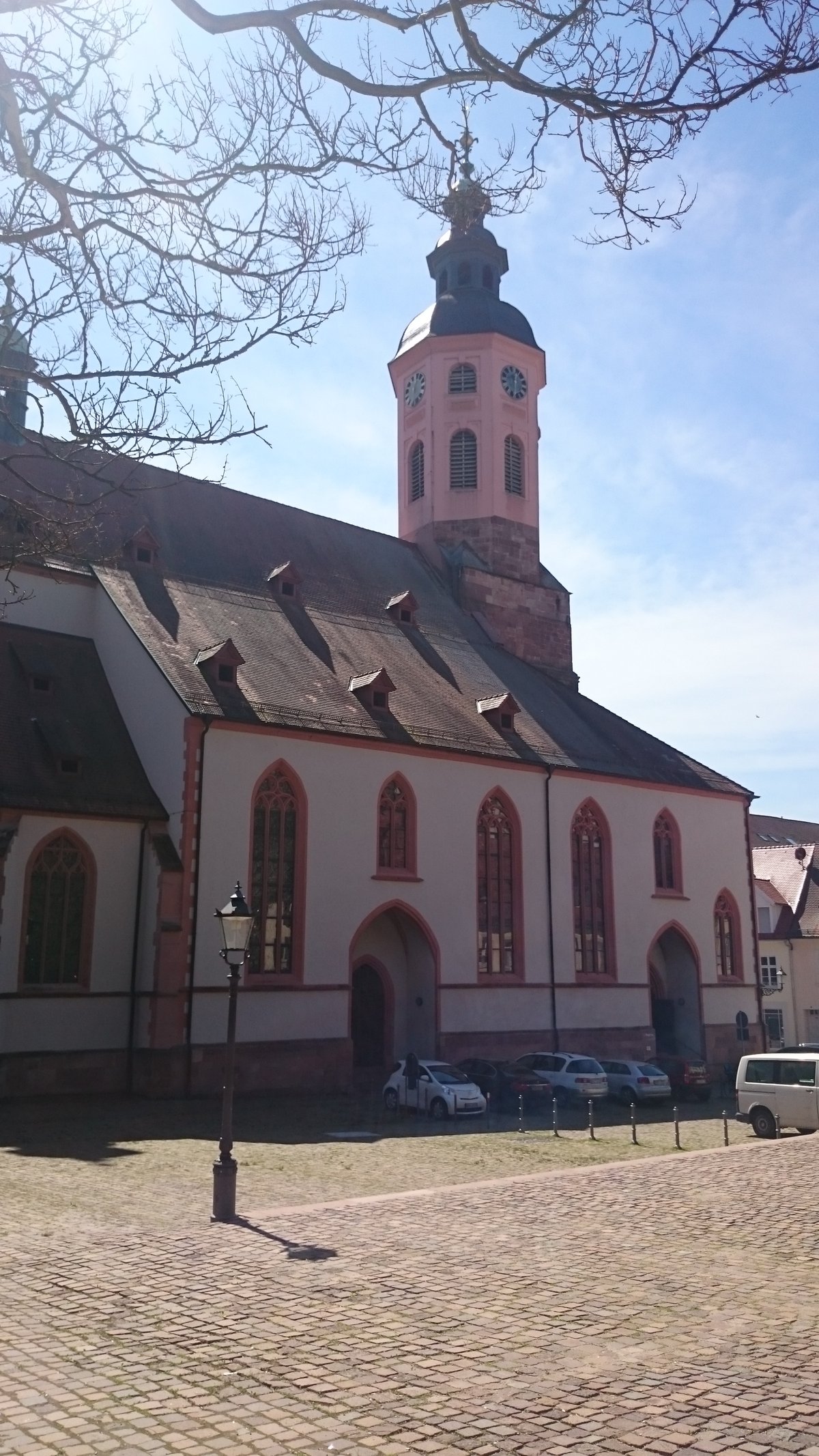
- Stiftskirche (Collegiate Church) and Marktplatz: Located in the Altstadt, both are notable for their architecture and atmosphere.
Many of these sites can be included in a walking tour of the city (Adventures of Alice; Curious Goose Travel).
Cultural and Memorial Significance
The Stolpersteine project brings Holocaust remembrance into the heart of everyday life. Each stone serves as a reminder of individual stories, ensuring that names and lives are not forgotten. As Demnig emphasizes, “A person is only forgotten when his or her name is forgotten.” The commemoration of Hans Isidor Weil stands out as a rare tale of survival, reflecting both personal courage and the broader loss experienced by the Jewish community in Baden-Baden.
The project’s inclusivity extends to all victims of Nazi persecution, and community involvement in research and installation fosters intergenerational memory and social engagement.
Frequently Asked Questions (FAQ)
Q: Can I visit the Stolperstein for Hans Isidor Weil at any time?
A: Yes, it is accessible at all hours, free of charge.
Q: Are guided tours available?
A: Yes, check with the Baden-Baden tourism office or local organizations for current offerings.
Q: Is the Stolperstein wheelchair accessible?
A: Yes, as it is located on a public sidewalk.
Q: Are there other Stolpersteine nearby?
A: Yes, Baden-Baden features numerous Stolpersteine commemorating other victims. Online maps and lists are available for self-guided tours (Stadtwiki Baden-Baden; Commons Wikimedia).
Q: Can I take photos of the memorial?
A: Yes, respectful photography is encouraged to help share and preserve the memory.
Q: How can I participate in commemorative events?
A: Local commemorations, especially on Holocaust Remembrance Day, are publicized through community websites and cultural organizations.
Visiting Tips
- Approach the Stolperstein with respect. Some visitors clean the stone or leave flowers or pebbles.
- Explore related sites and use interactive maps to plan a route that includes other Stolpersteine or significant locations.
- Engage with educational materials or guided tours for a deeper understanding.
Discover More
The Stolperstein for Hans Isidor Weil in Baden-Baden stands as a silent but enduring testament to survival, resilience, and the importance of remembrance. By visiting and reflecting at this site, you participate in a living memorial that honors not only Hans Isidor Weil but all those who suffered under Nazi persecution.
We encourage you to explore other Stolpersteine, join educational tours, and engage with Baden-Baden’s rich historical landscape. For more resources and personalized guided experiences, download the Audiala app and follow us on social media for updates on historical sites and commemorative events.