
Historical Background and Significance
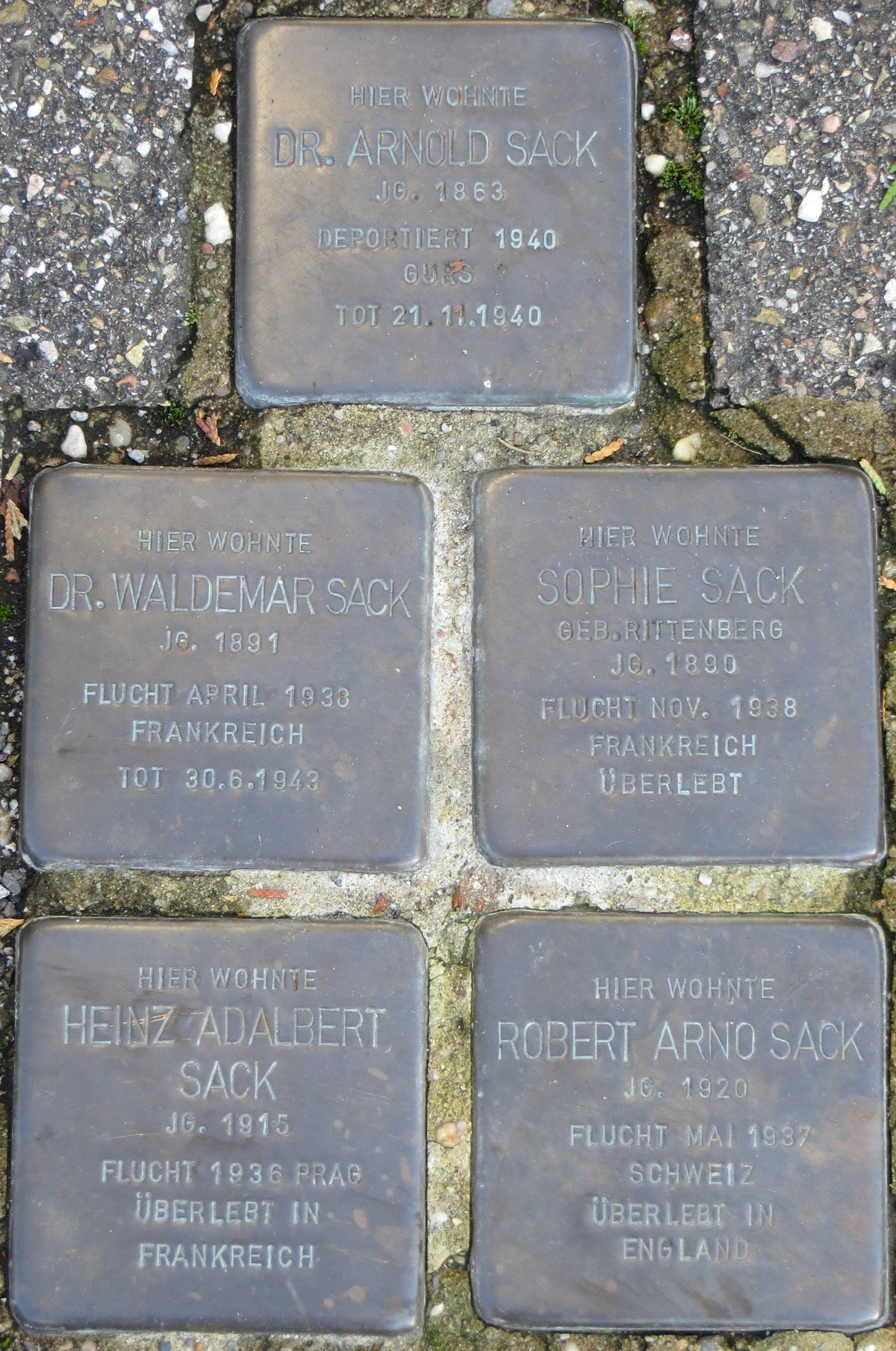
The Jewish community in Baden-Baden was integral to the city’s economic and cultural life before World War II. Dr. Arnold Sack and his family, who lived at Beuttenmüllerstraße 17 and later Stadelhoferstraße 14, exemplified the vibrant presence of Jews in the city. The rise of the Nazi regime brought devastating consequences: the Sack family, along with many others, were deported and murdered. The Stolperstein dedicated to Dr. Arnold Sack serves as a local, tangible reminder of these events, helping preserve the memory of individual lives lost to intolerance and hatred.
The Stolpersteine Project: Origins and Philosophy
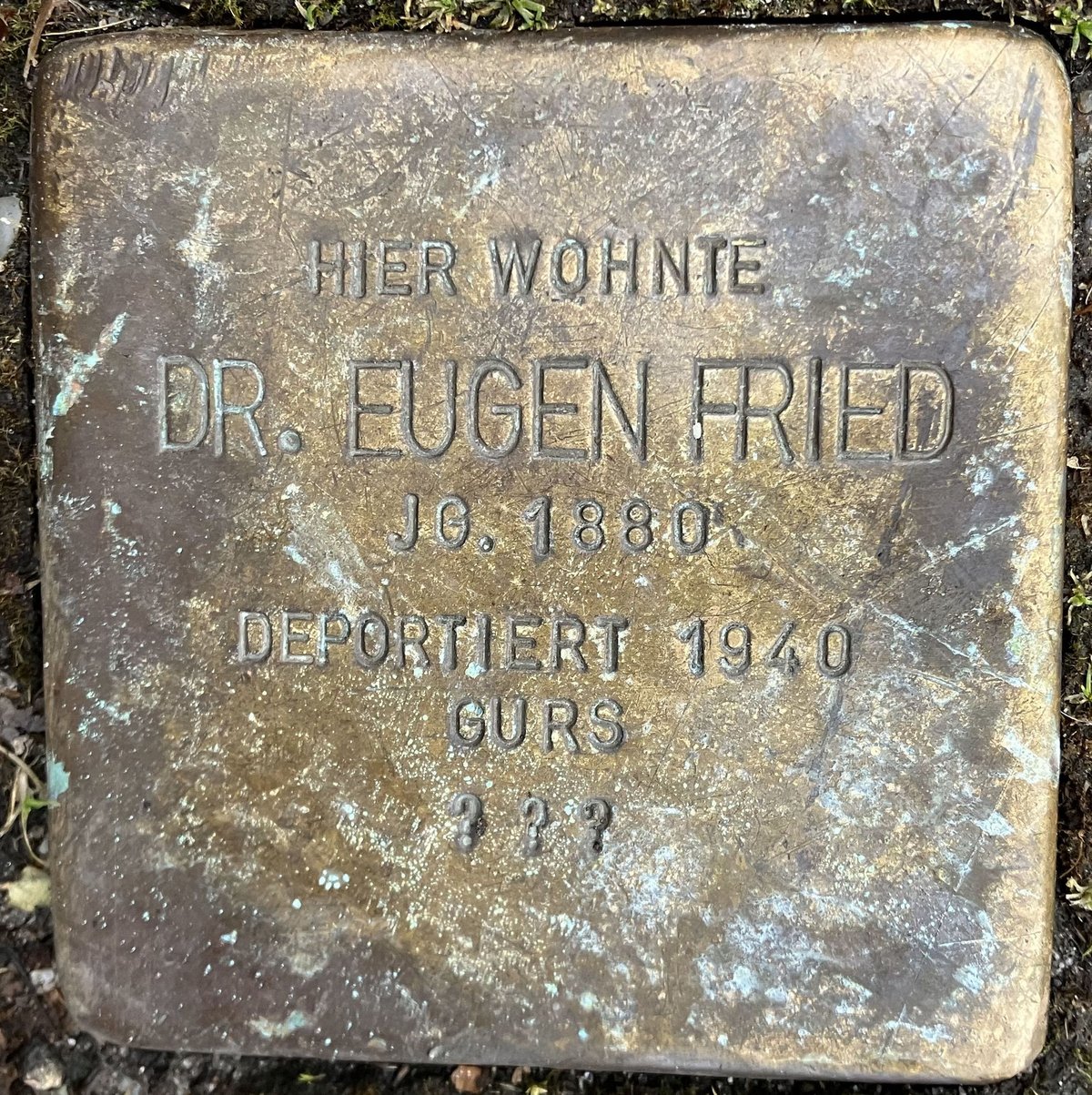
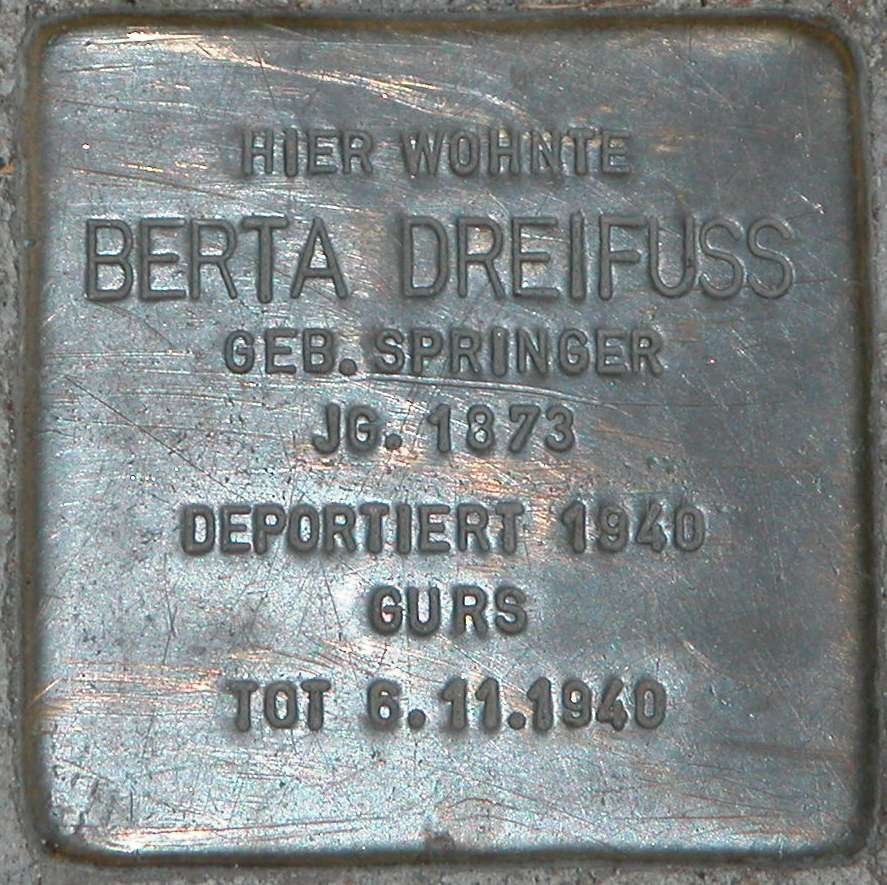
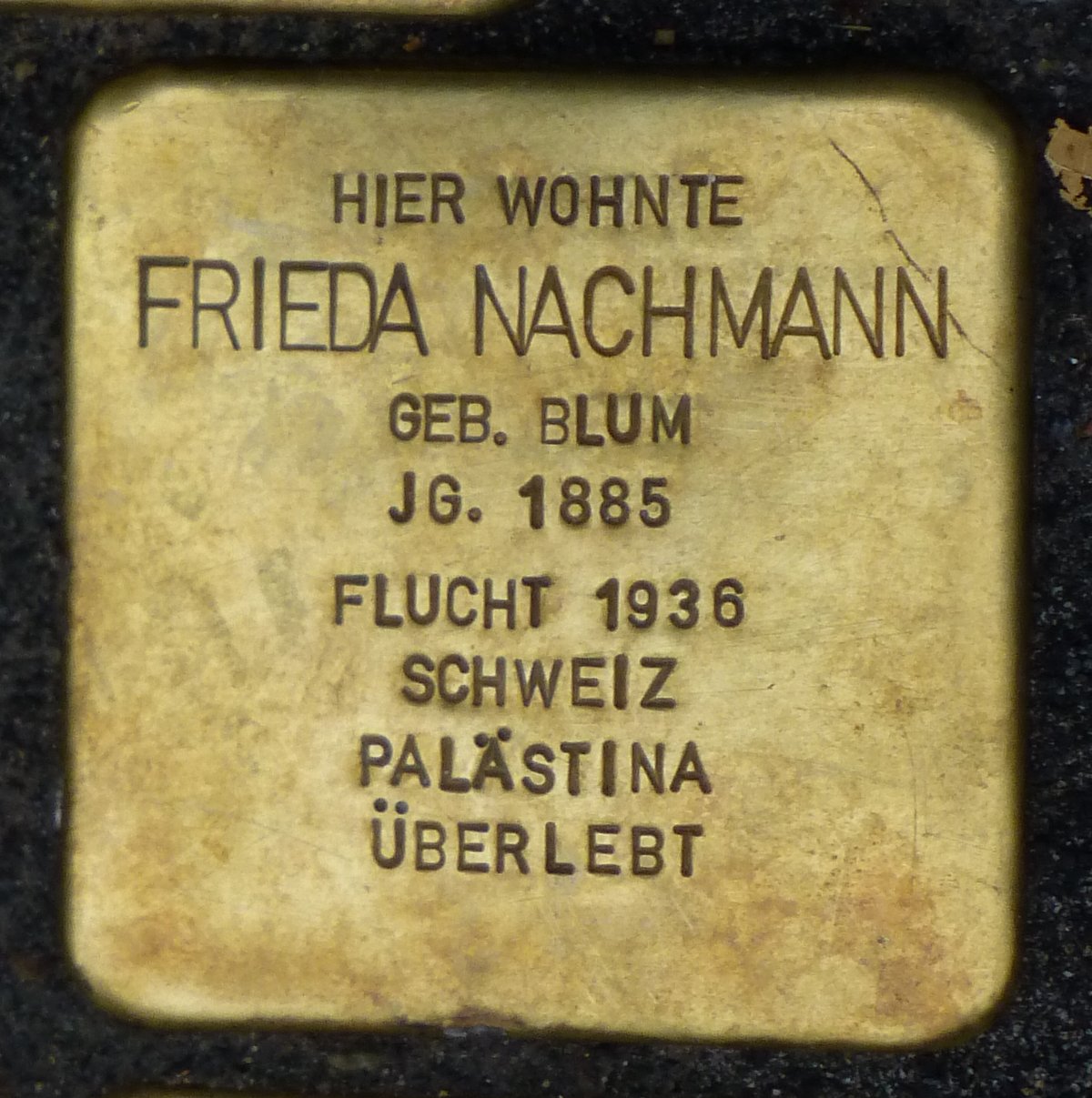
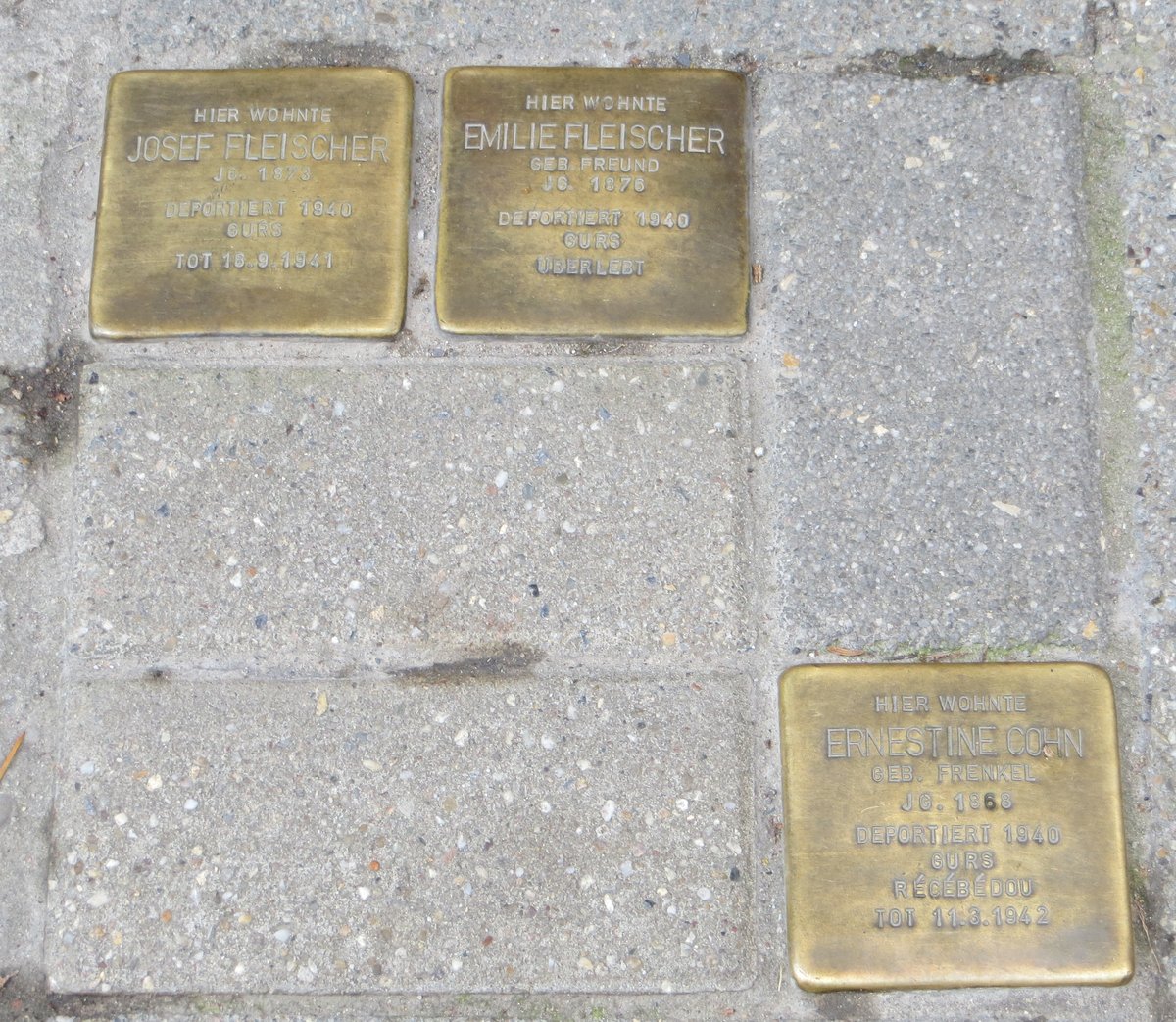
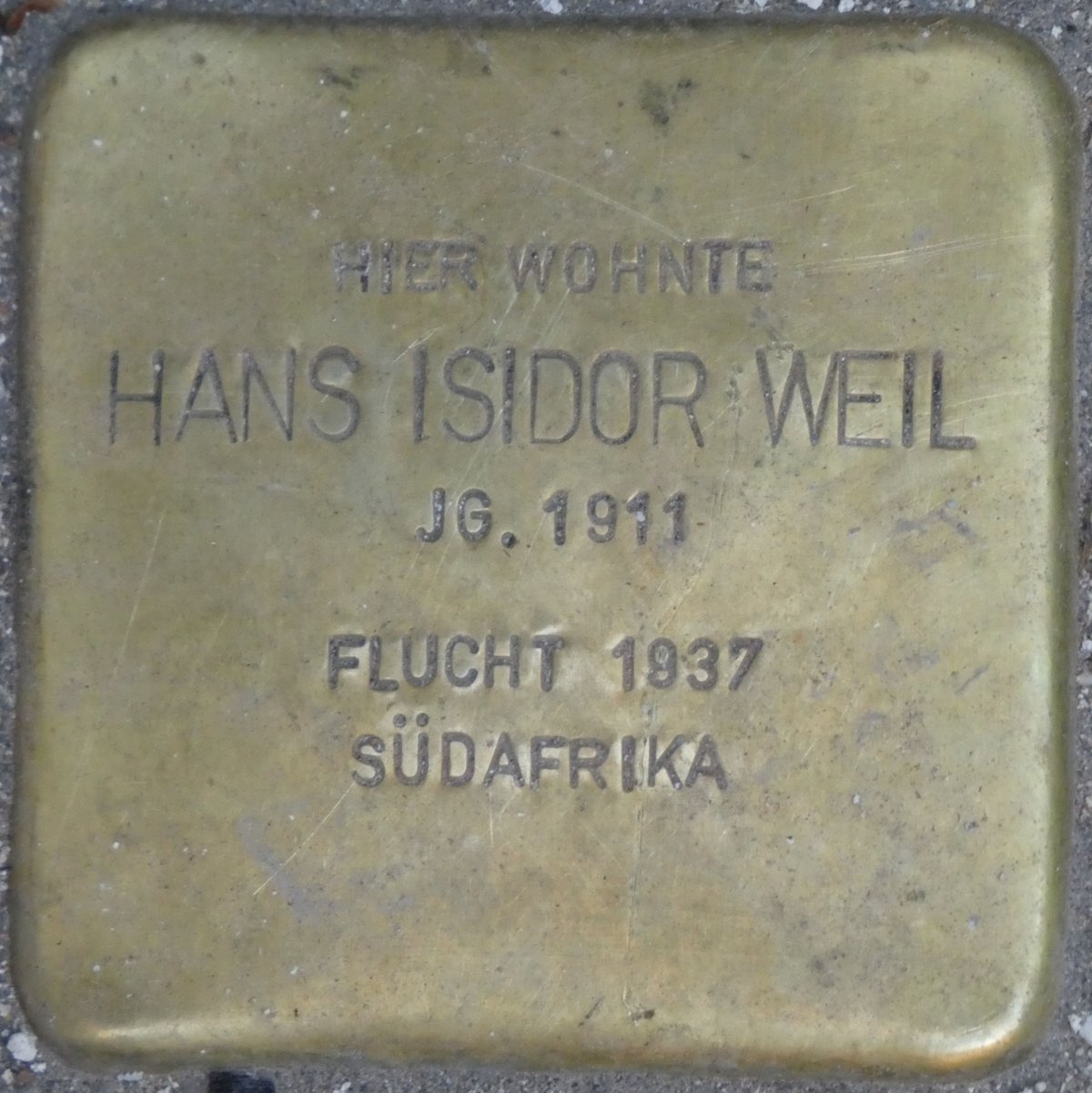
German artist Gunter Demnig initiated the Stolpersteine project in 1992, envisioning a decentralized, grassroots memorial for the victims of National Socialism. The project’s name comes from the German word for “stumbling stones,” as the intention is for passersby to metaphorically “stumble” upon history in their daily lives (stolpersteine.eu). Each 10x10 cm brass plaque is engraved with the phrase “Hier wohnte” (“Here lived”), along with the victim’s name, birth date, fate, and, where known, date and place of death (pragueviews.com).
Demnig’s philosophy centers on restoring the victims’ names and stories to the places they once called home. The project’s community-driven nature—requiring historical research, fundraising, and participation from descendants, residents, and local authorities—transforms remembrance into an active, collective process (downfromorbit.com).
Visiting the Stolperstein: Location and Accessibility
Location
Dr. Arnold Sack’s Stolperstein is located at Stadelhoferstraße 14, in a residential neighborhood within walking distance of Baden-Baden’s city center and Kurpark. The site is easily accessible by foot or public transportation.
Accessibility
- The Stolperstein is embedded flush with the pavement and is accessible 24/7 at no charge.
- Most locations are suitable for visitors with mobility challenges, though some sidewalks may be uneven.
- Braille plaques and audio descriptions are available at certain sites for visually impaired visitors.
Visiting Hours and Ticket Information
Stolpersteine are public memorials; there are no visiting hours or admission fees. They can be visited at any time, but daylight hours are recommended for safety and optimal visibility. Guided tours and educational programs typically run from 10:00 AM to 4:00 PM, Tuesday through Sunday, and can be booked through the Baden-Baden Tourist Office (baden-baden.com).
Guided Tours and Educational Programs
- Guided Tours Local organizations and the Tourist Office offer tours in German, English, and French upon request, providing in-depth historical context and personal stories.
- Self-Guided Visits Maps and printed materials are available for those who prefer to explore independently (Gedenkbuch Baden-Baden).
- School Involvement Students often participate in research and installation ceremonies, fostering intergenerational dialogue and understanding.
Cultural Etiquette and Visitor Tips
- Pause and Reflect Take a moment to read the inscription. Bowing down to read is a symbolic act of respect.
- Polish the Stone Gently cleaning the brass, especially on remembrance days, is a common act of honor (folklife.si.edu).
- Leave a Token Placing a stone or flower is a traditional sign of remembrance.
- Be Respectful Avoid stepping directly on the Stolperstein and maintain a quiet, contemplative demeanor.
- Photography Discreet photography is permitted; avoid selfies or group photos that may detract from the solemnity.
Nearby Attractions and Combining Visits
After visiting Dr. Sack’s Stolperstein, consider exploring:
- Other Stolpersteine Baden-Baden has over 200 Stolpersteine—many within walking distance (Wikipedia list).
- Synagogue Memorial The site of the former synagogue destroyed during Kristallnacht.
- Museums Baden-Baden Museum and the Jewish Community Center offer further historical context.
- Thermal Baths and Kurpark Experience the city’s renowned spa culture and scenic parks (Wander in Germany).
Frequently Asked Questions (FAQ)
Is there an entrance fee?
No, Stolpersteine are public memorials and are free to visit.
Are guided tours available in languages other than German?
Yes, tours are available in English and French upon request.
Can I visit at night?
Yes, but daylight is recommended for safety and visibility.
Is photography allowed?
Yes, but please be discreet and respectful.
Is the site wheelchair accessible?
Most Stolpersteine are accessible, but some sidewalks may be uneven.
How can I participate in remembrance events?
Check with the Baden-Baden Tourist Office or local community organizations for information on ceremonies and public cleaning events.
Discover More
The Stolperstein for Dr. Arnold Sack in Baden-Baden stands as a powerful, accessible testament to the city’s Jewish heritage and the enduring impact of the Holocaust. By visiting this site, you honor individual memory, support community remembrance, and help foster a culture of tolerance. Enhance your experience by using resources like the Audiala app for guided tours and following local organizations for updates on remembrance events. Your visit ensures that these important stories remain visible and relevant for generations to come.