
Indigenous and Colonial Roots
Pinheiros began as a Guarani settlement in the 16th century and soon became part of São Paulo’s colonial expansion, with land grants (sesmarias) and agricultural estates shaping its early development (Prefeitura de São Paulo). The neighborhood’s name likely derives from the Araucaria pine trees once abundant in the region.
Urbanization and Immigration
During the late 19th and early 20th centuries, Pinheiros evolved from rural farmland into a bustling urban district, spurred by the coffee boom and significant immigration—particularly from Italy and Japan. Infrastructure such as the 1922 Estrada São Paulo-Paraná (now Rodovia Raposo Tavares) and the founding of Sociedade Hípica Paulista signaled its growing status (Prefeitura de São Paulo; Zest Housing).
Modernization and Cultural Identity
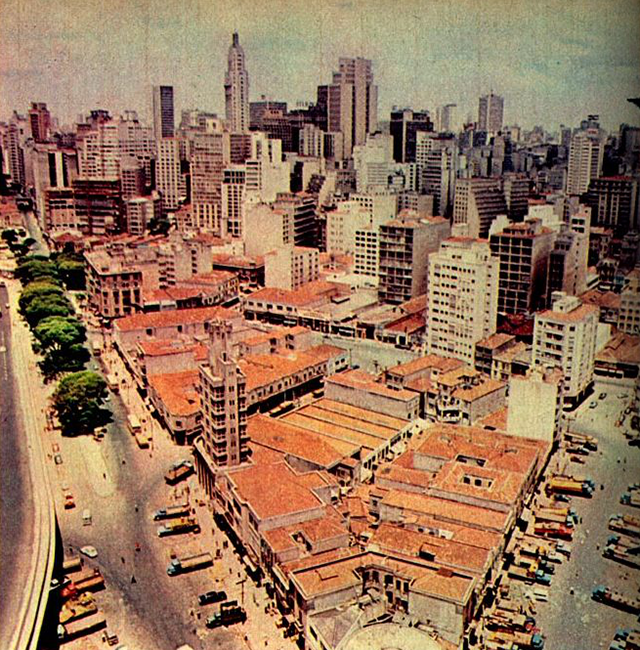
The 20th century brought planned urban development, especially with Alto de Pinheiros reflecting European garden city influences. Postwar growth saw verticalization and the emergence of commercial centers, while the construction of the Hospital das Clínicas (1938–1944) established one of Latin America’s largest health complexes. Today, Pinheiros is celebrated as a cultural reference point in São Paulo, home to significant art institutions, markets, and vibrant street life (Setin Blog; Placestovisitbrazil).
Main Attractions and Cultural Highlights
Instituto Tomie Ohtake
A landmark for contemporary art and architecture, Instituto Tomie Ohtake offers rotating exhibitions by major international and Brazilian artists, alongside educational programs (Setin Blog).
- Address Rua Coropés, 88
- Hours Tuesday–Sunday, 11:00 AM–8:00 PM
- Tickets Free for permanent collections; BRL 10–20 for special exhibitions (official site)
- Accessibility Fully accessible
Mercado Municipal de Pinheiros
A culinary and cultural hub, the market features 39 stalls with fresh produce, artisanal products, and acclaimed eateries.
- Address Rua Pedro Cristi, 89
- Hours Monday–Saturday, 7:00 AM–8:00 PM; Sunday, 7:00 AM–4:00 PM
- Tickets Free entry
- Accessibility Wheelchair accessible
Rua dos Pinheiros
São Paulo’s gastronomic avenue, this street boasts diverse restaurants, bars, cafés, and shops.
- Best time Evenings for dining and nightlife
- Accessibility Most venues are accessible
Praça Benedito Calixto
Host to the renowned Saturday antiques and crafts fair, accompanied by live chorinho music.
- Location Between Pinheiros and Vila Madalena
- Market Hours Saturdays, 9:00 AM–7:00 PM
- Tickets Free
Sesc Pinheiros
A multi-purpose cultural and leisure center with theaters, galleries, sports facilities, and community events.
- Address Rua Paes Leme, 195
- Hours Generally 9:00 AM–9:00 PM
- Tickets Many events free or low-cost (Sesc São Paulo)
- Accessibility Fully accessible
Beco do Batman
Located in neighboring Vila Madalena, this open-air street art gallery is a must-visit for urban art enthusiasts.
Villa-Lobos Park and Praça Pôr do Sol
- Villa-Lobos Park One of the city’s largest green spaces, open daily 5:30 AM–7:00 PM, free and accessible.
- Praça Pôr do Sol Famous for sunset views, ideal for relaxation and picnics.
Other Notable Sites
- Largo da Batata The neighborhood’s urban heart, hosting events and easily accessible by metro.
- Cinesala A vintage cinema for independent and art-house films.
- Ballerina Staircase (Eduardo Kobra mural) A striking urban art photo spot.
Practical Visitor Information
Visiting Hours and Ticketing
- Most cultural sites Open Tuesday–Sunday, late morning to evening; check individual websites for updates.
- Markets and public spaces Generally open daily, with markets most active on weekends.
- Tickets Many attractions are free; some exhibitions and cinemas charge modest fees.
Accessibility and Transportation
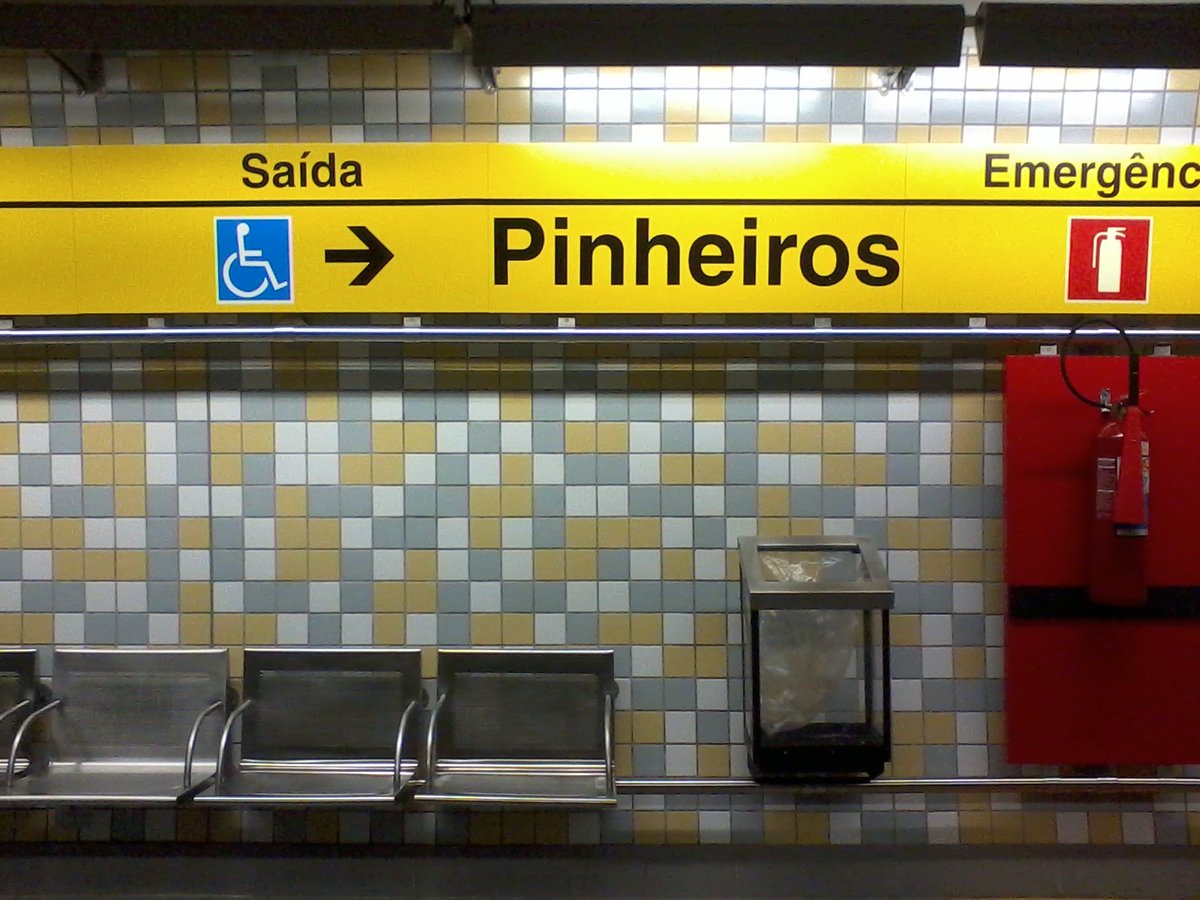
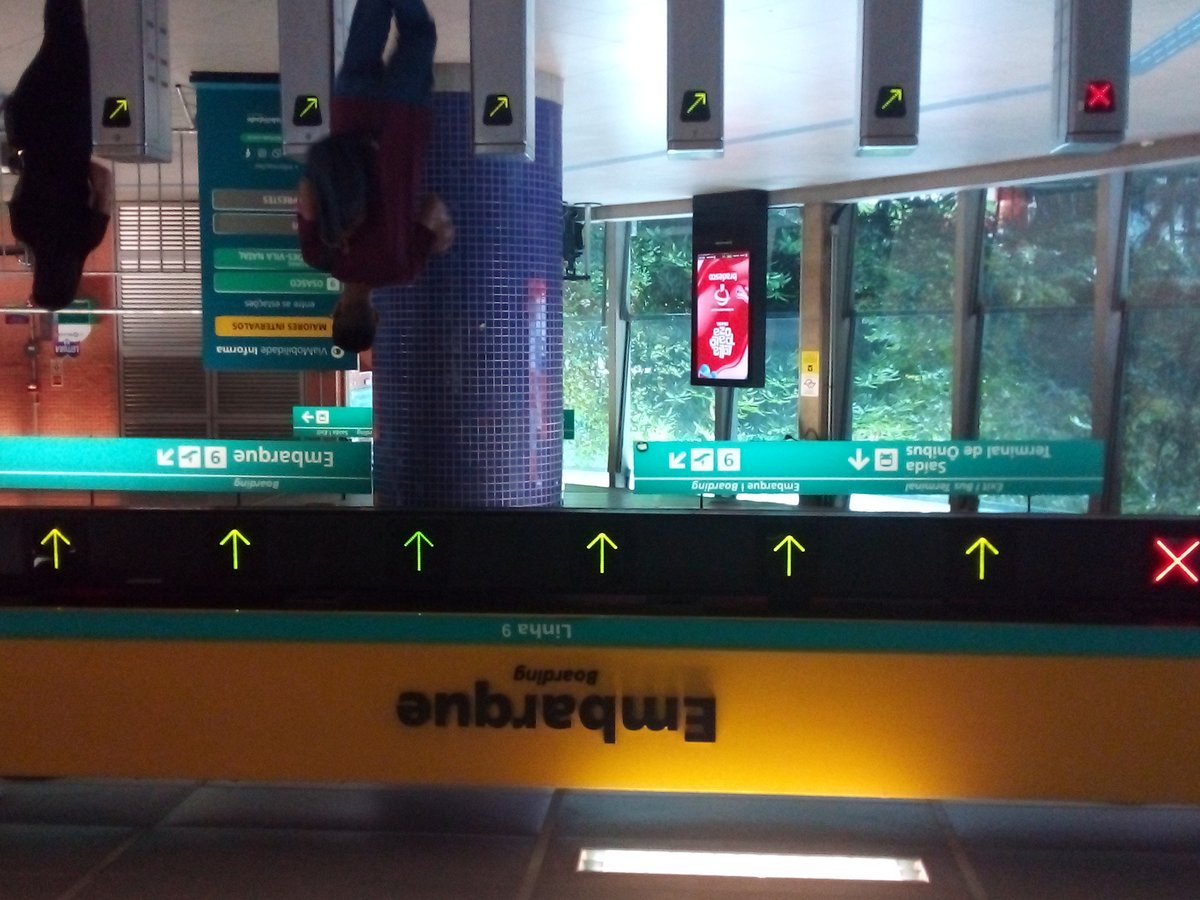
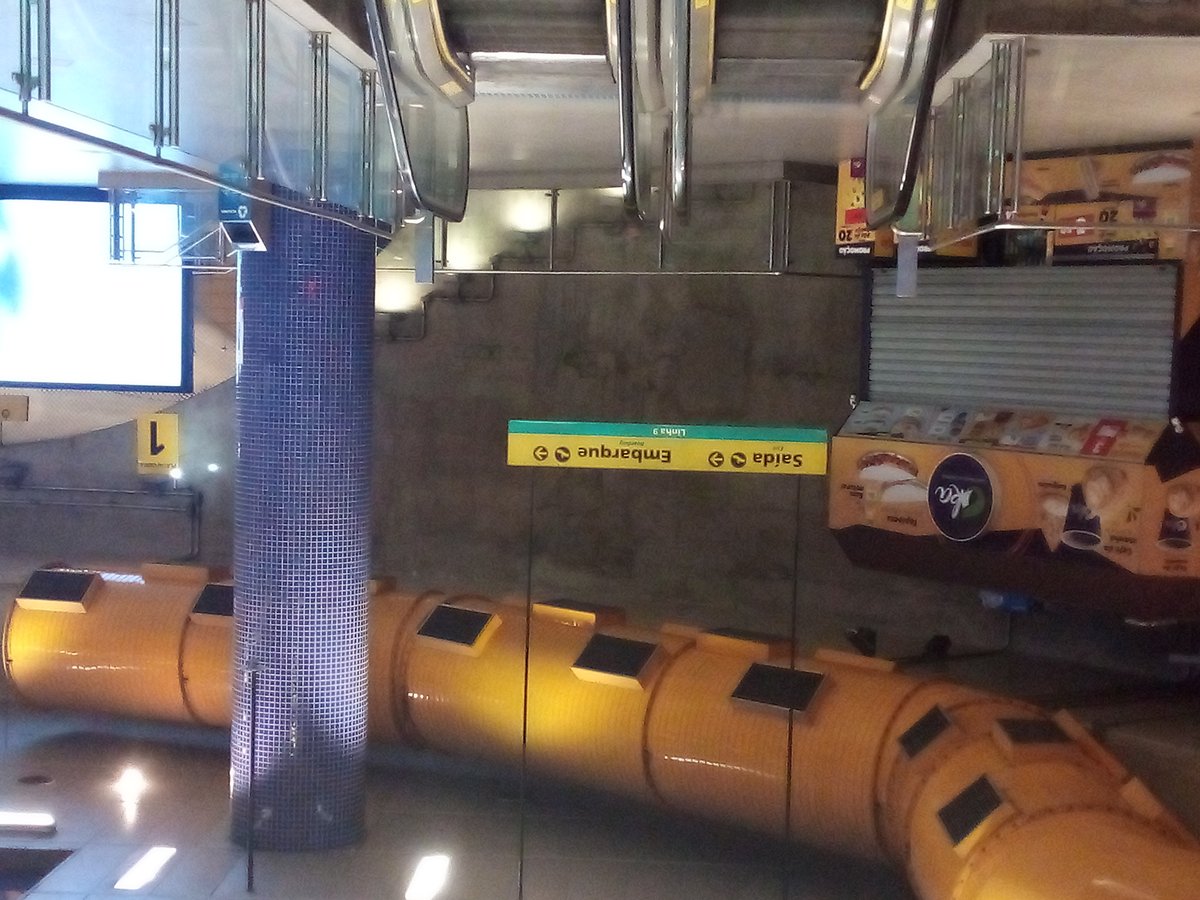
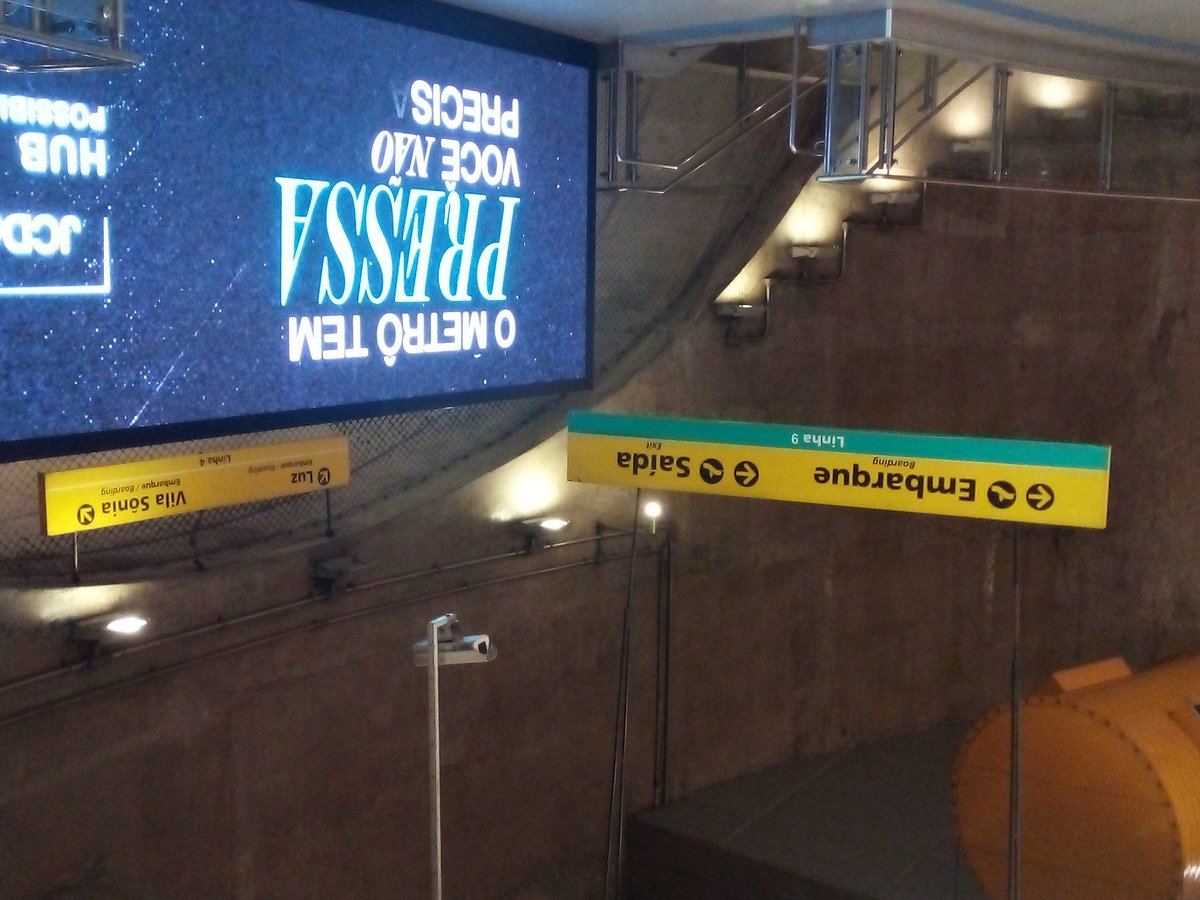
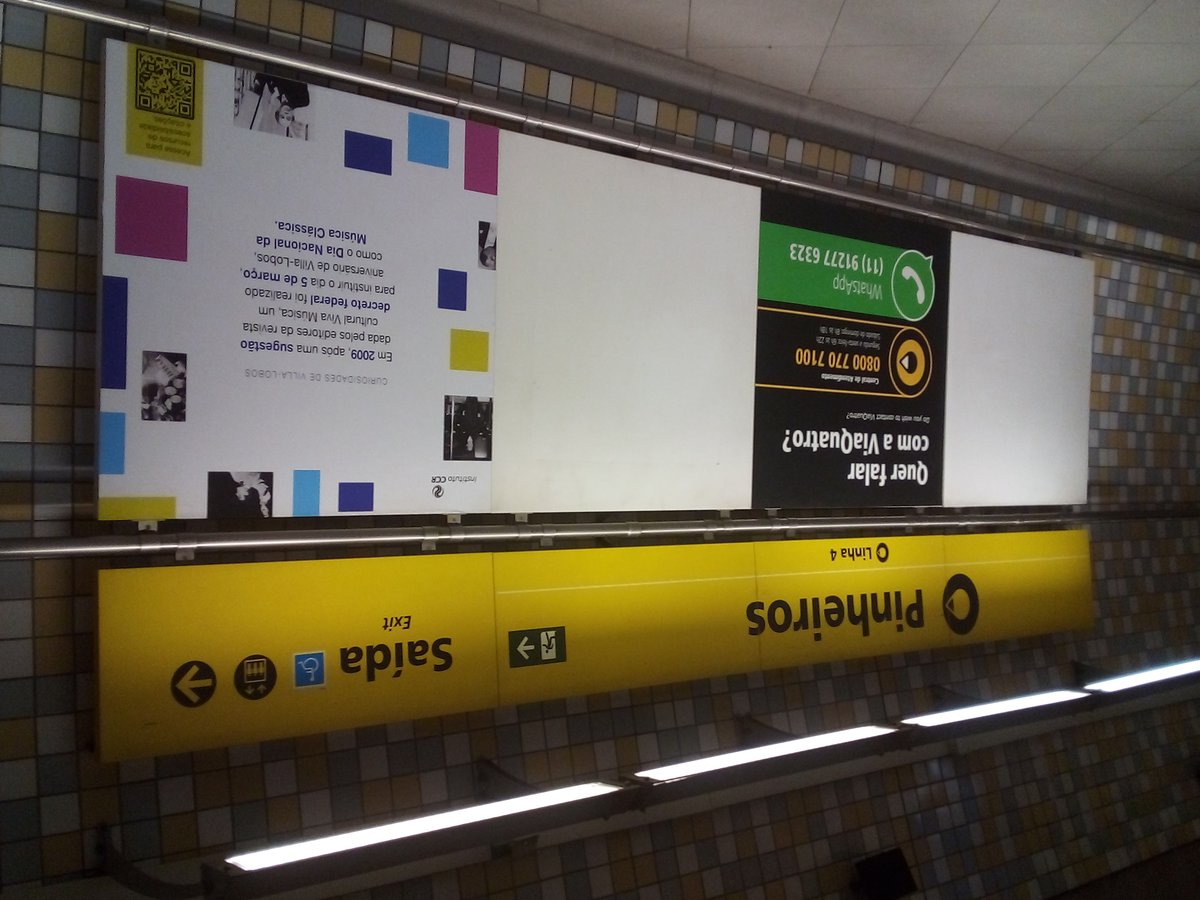
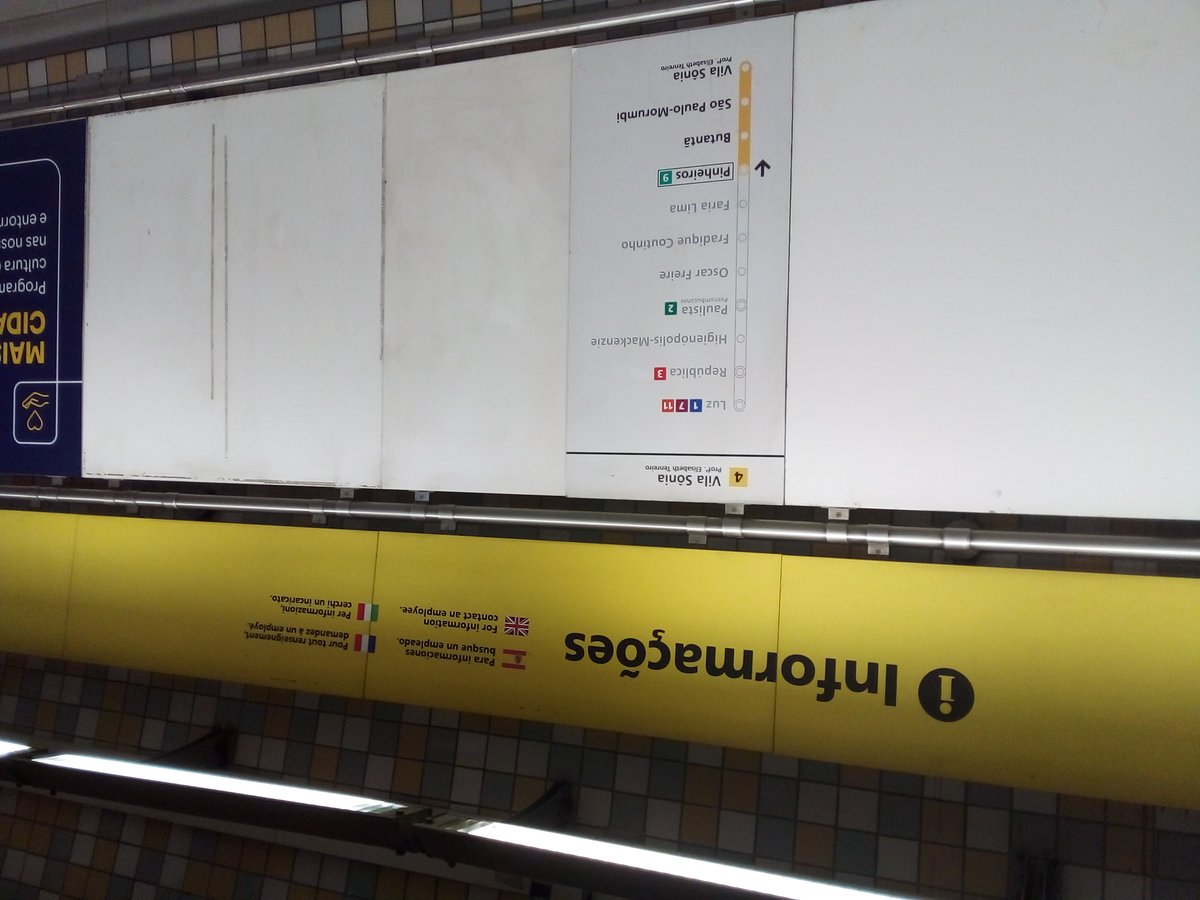
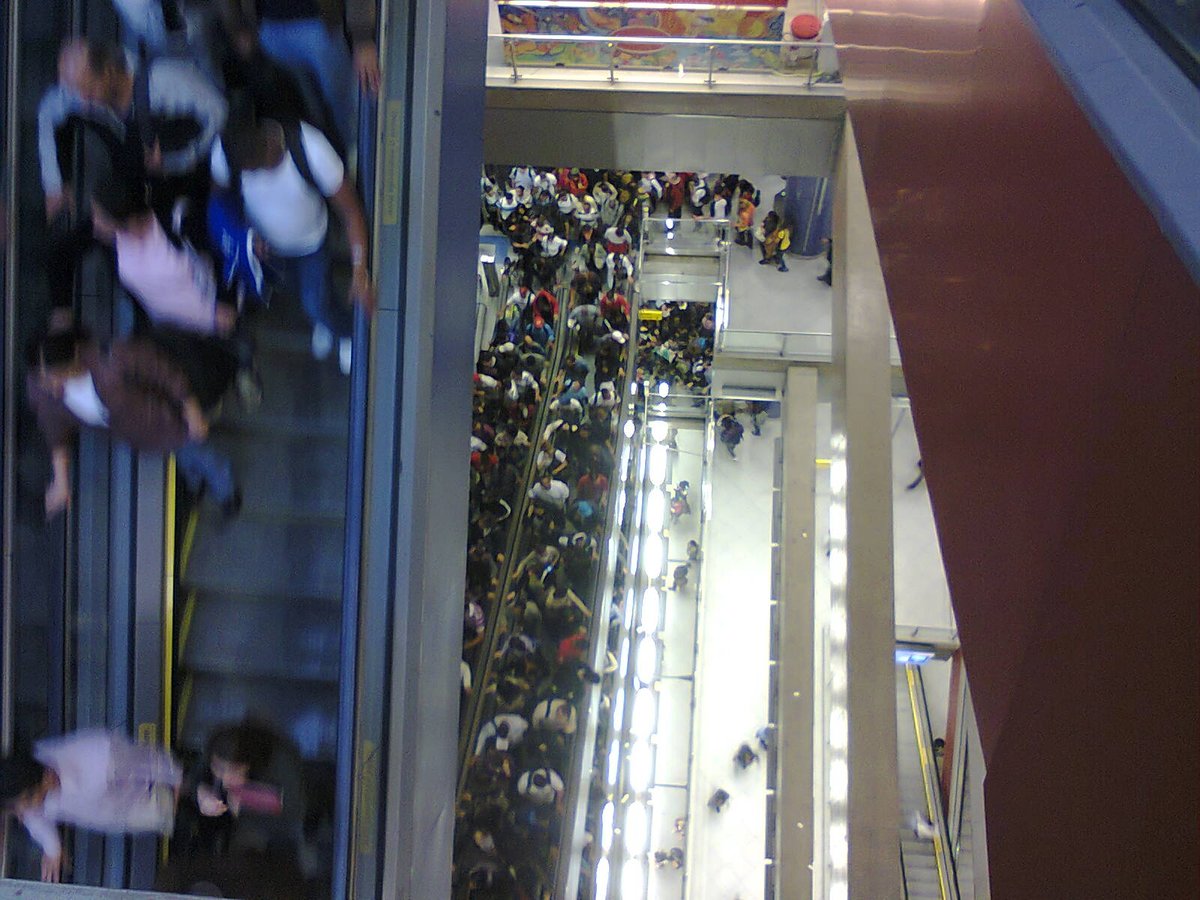
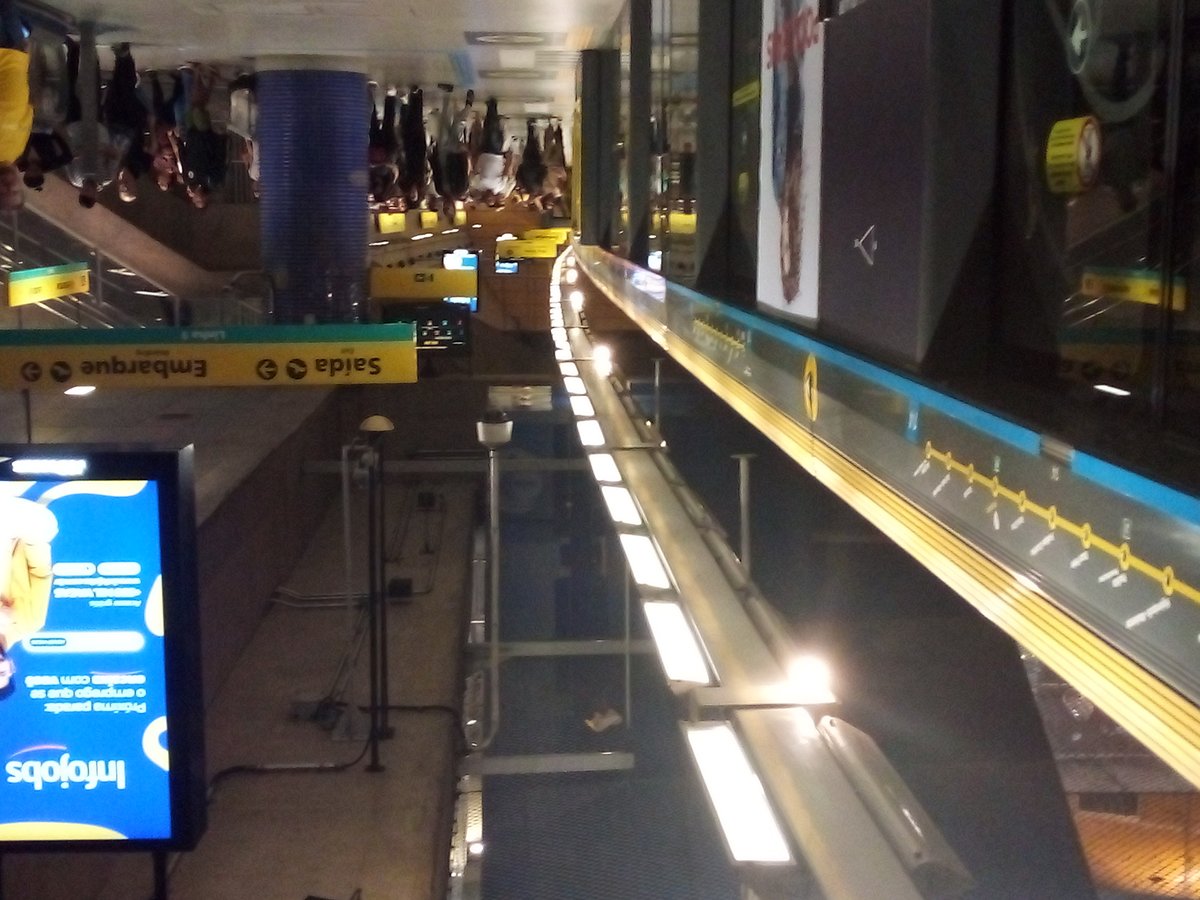
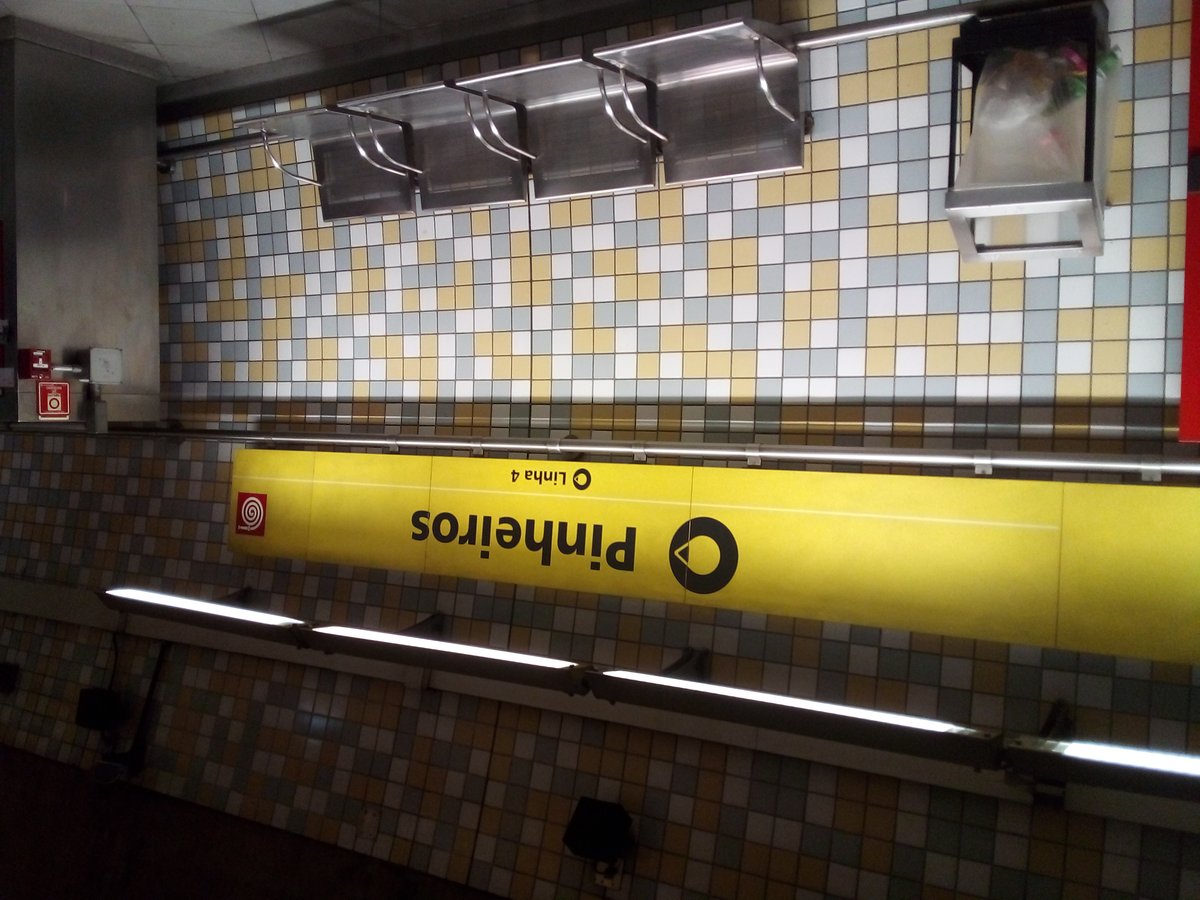
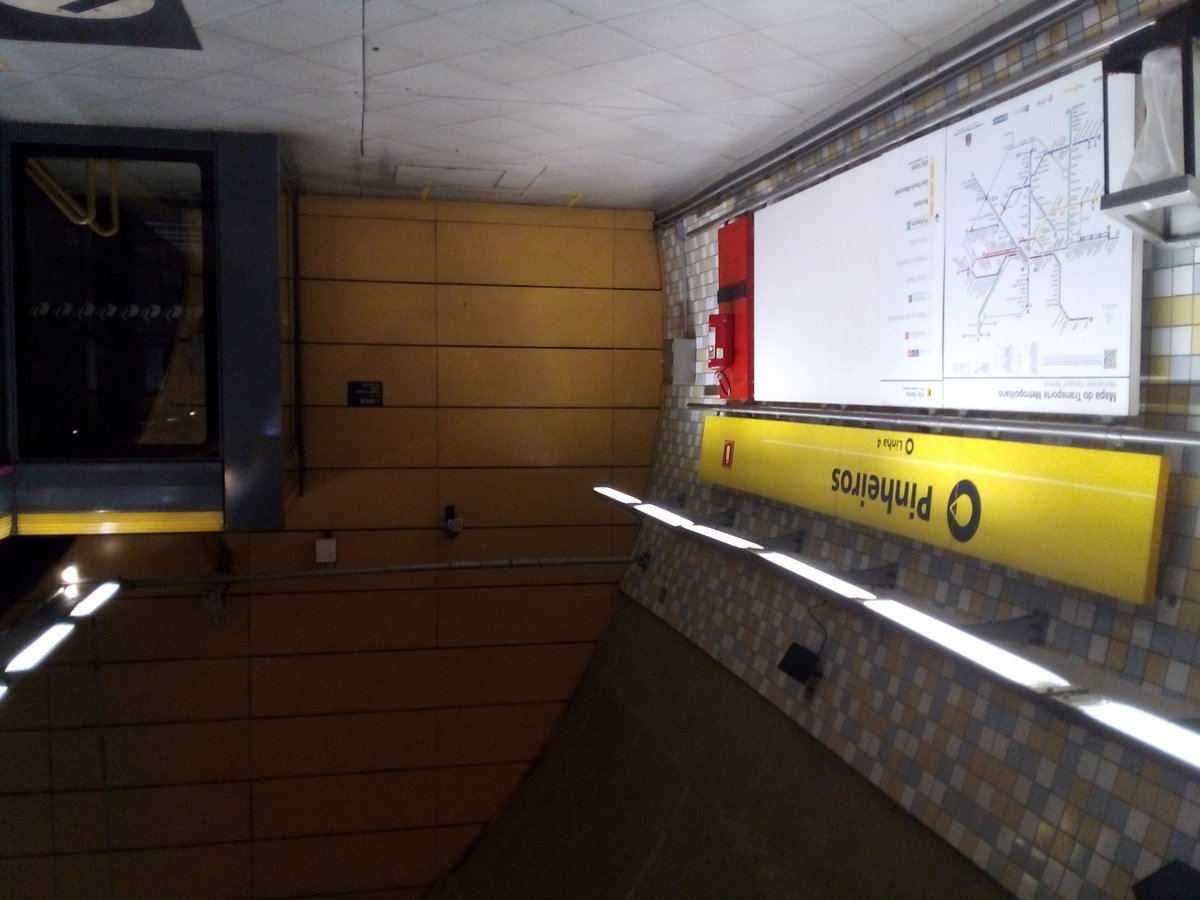
- Metro Pinheiros and Faria Lima stations (Line 4-Yellow)
- Bus Multiple lines serve the area
- Biking & Walking The neighborhood is pedestrian-friendly, with bike lanes
- Venues Major sites are accessible; some older streets may pose challenges
Guided Tours and Events
- Walking and cycling tours Focus on art, gastronomy, and history; book in advance
- Festivals Festival Pinheiros (January), Carnival (February–March), and weekly markets
São Paulo Cathedral (Catedral da Sé): Historical Landmark in the City Center
History and Significance
Built between 1913 and 1967, the neo-Gothic Catedral da Sé is a monumental religious and architectural icon. It is the seat of the Roman Catholic Archdiocese and hosts major city events ([The São Paulo Cathedral (Catedral da Sé): Hours, Tickets, and Historical Insights, 2025]).
Visitor Details
- Location Praça da Sé, city center (near Sé Metro Station)
- Hours Daily, 7:00 AM–7:00 PM
- Tickets Free entry; donations suggested
- Guided Tours Weekends/holidays; book in advance
- Accessibility Wheelchair accessible
- Nearby Sights Pátio do Colégio, Municipal Market, São Bento Monastery
Frequently Asked Questions (FAQ)
Q: Are tickets required for most Pinheiros attractions?
A: Many attractions are free; museums and cinemas may charge admission.
Q: How accessible is Pinheiros?
A: Major sites are accessible, but some older streets may be uneven.
Q: What’s the best way to get to Pinheiros?
A: Metro (Pinheiros or Faria Lima stations) and bus are convenient.
Q: When is the best time to visit?
A: Weekends for markets and nightlife; festival periods for special events.
Q: Are guided tours available?
A: Yes—many focus on art, gastronomy, and history.
Practical Tips
- Visit in the morning or weekday afternoons for quieter experiences.
- Weekends are ideal for markets, fairs, and nightlife.
- Always check the latest hours and event programs online.
- Use basic Portuguese for a smoother experience; some English is spoken.