Historical and Cultural Context
Founded in 1810 by the Irmandade dos Homens Pardos de Nossa Senhora da Boa Morte—a brotherhood of mixed-race men—the church was established during a period of slavery and social stratification in Brazil. Its founding was an act of faith and resistance, creating a space for marginalized communities to worship and find dignity (Partes).
The church’s name, "Our Lady of the Good Death," reflects a Marian devotion rooted in Portuguese and Afro-Brazilian traditions, emphasizing prayers for a peaceful death and hope for salvation. Historically, the church was a comfort stop for condemned prisoners and their families on the way to executions, marking its deep association with compassion and inclusion (Partes).
Architectural Highlights
Exterior Features
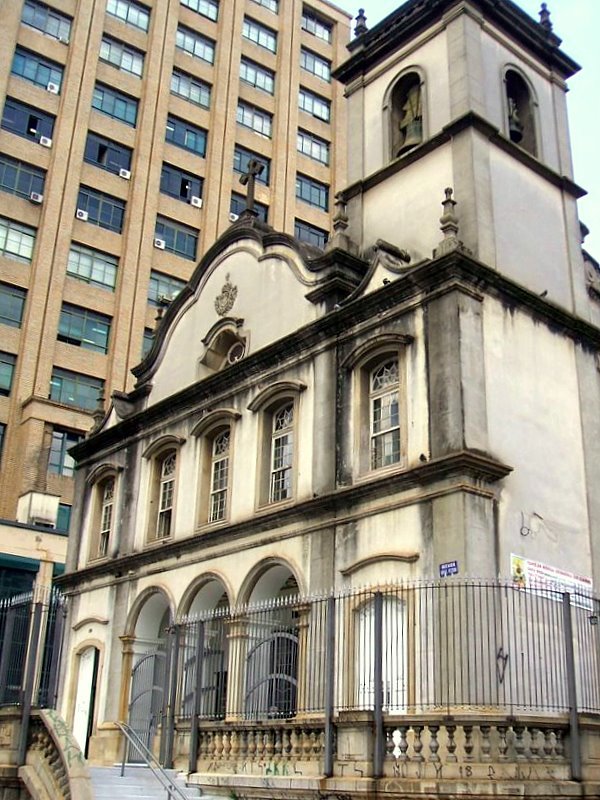
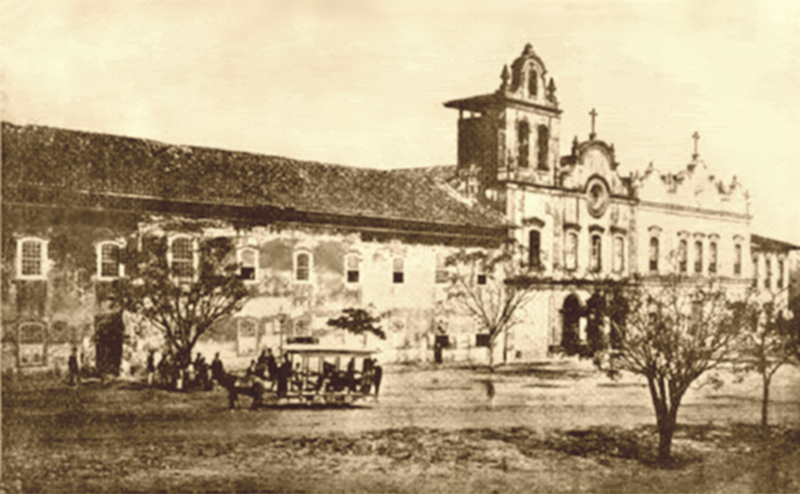
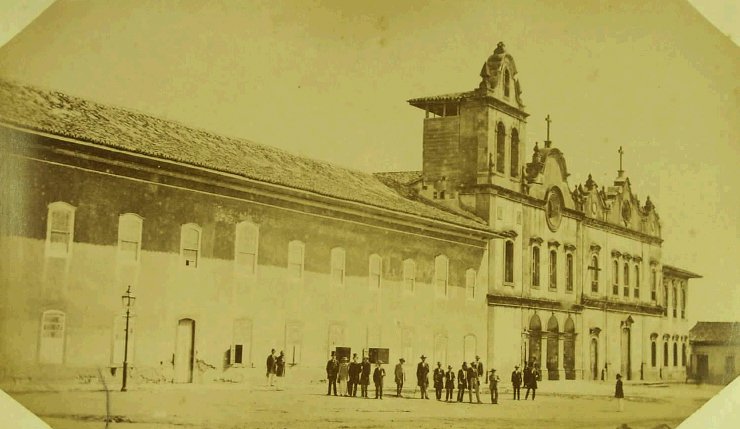
- Baroque-Colonial Façade The church is an authentic example of Paulista Baroque architecture, with simple geometric lines, a modest portal, whitewashed taipa de pilão (rammed earth) walls, and a clay-tiled roof (Arte Fora do Museu).
- Bell Tower Remodeled in 1871, it rises above the entrance and complements the understated aesthetic (Sanctuaria.art).
Interior Features
- Nave and Altar The interior features a single nave with original high ceilings and a simple altar, embodying the church’s modest origins (Wikipedia).
- Artistic Treasures Notable are the historic image of Senhor Bom Jesus from the 16th century and Portuguese-imported statues of Nossa Senhora da Boa Morte and other saints (Sanctuaria.art).
- Perpetual Adoration Chapel Unique in São Paulo, the church offers perpetual Eucharistic adoration, open 24 hours a day (Misericórdia).
Religious and Social Significance
The church has long been a hub for Afro-Brazilian and marginalized communities. Before the abolition of slavery, it welcomed worshippers of all races, and today it continues to serve as a center for inclusion, hosting community outreach and offering support to vulnerable populations (Partes).
Special Devotions and Festivities:
- Festa da Padroeira An annual festival in August celebrating Our Lady of the Good Death, with processions, music, and community events.
- Mil Ave-Marias and Vigílias Regular prayer gatherings and night vigils, reflecting the church’s living spiritual tradition (Misericórdia).
Social Outreach:
- Managed by the Aliança de Misericórdia, the church supports the homeless and others in need, offering food, hygiene services, and shelter, especially during emergencies (Misericórdia).
Restoration and Heritage Status
The church has undergone several significant restorations:
- 1871–1873 Bell tower remodeling.
- 1984 & 2006–2009 Comprehensive structural repairs and artistic conservation, including roof and wall reinforcement (Wikipedia; Crônicas Macaenses).
- Heritage Protection Listed by CONDEPHAAT and CONPRESP as a historic site, ensuring preservation of its architectural and cultural legacy (ipatrimonio.org).
Visitor Information
Visiting Hours and Admission
- Open 24 hours a day, 7 days a week
- Admission Free (donations welcome)
Liturgical Schedule and Events
- Mass Times (Horário de Missa Hoje):
- Monday–Wednesday: 18:00
- Thursday: 18:00, 19:30
- Friday: 12:00, 18:00
- Saturday: 17:30
- Sunday: 09:00, 18:00
- Special Events Vigils on first Fridays, Festa da Padroeira in August, Mil Ave-Marias on Mondays
Accessibility and Contact
- Address Rua do Carmo, 202, Centro, São Paulo, SP, 01020-000
- Phone +55 (11) 3101-6889
- Email [email protected]
- Website arquisp.org.br
- Accessibility Wheelchair ramps at the entrance; some interior areas may have steps due to historic structure
Guided Tours
- Regular guided tours are not offered, but special events may include guided experiences. Contact the parish for group or educational visits.
Nearby Attractions
- Pátio do Colégio Site of São Paulo’s Jesuit foundation
- Praça da Sé & São Paulo Cathedral Major religious and historical landmarks
- Liberdade District Known for Japanese heritage and cultural events
All are within walking distance and accessible by metro (Sé, Anhangabaú stations).
Photography and Etiquette
- Photography Allowed but should be discreet; avoid flash and photographing during services.
- Dress Code Modest attire is recommended.
- Safety Standard precautions advised, especially at night.
Frequently Asked Questions (FAQ)
Q: Is there an entrance fee or ticket required?
A: No, entry is free.
Q: What are the visiting hours?
A: The church is open 24/7.
Q: Are guided tours available?
A: Not regularly, but can be arranged for groups.
Q: Is the church accessible to people with disabilities?
A: Yes, though some areas may have limited accessibility due to historic construction.
Q: When are special events held?
A: Major celebrations and processions occur in August and on first Fridays. See parish bulletin for updates.
Q: Where is the church located?
A: Rua do Carmo, 202, Centro, São Paulo, SP.
Visuals and Interactive Elements
View more images in the Wikimedia Commons gallery
Consider using an interactive map to highlight the church's location, nearby metro stations, and historic attractions.
Internal Links
- Top Historical Sites in São Paulo
- Afro-Brazilian Cultural Heritage in São Paulo
- Colonial Architecture in Brazil