


About the Monument to Ramos de Azevedo
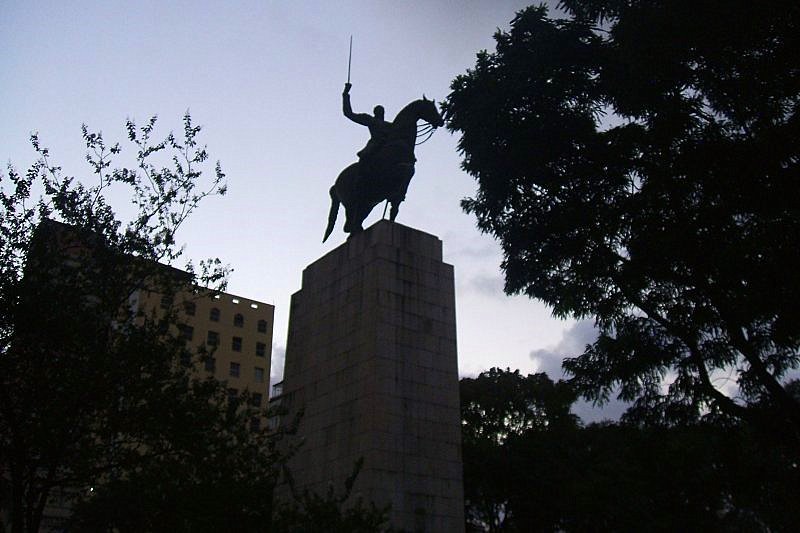
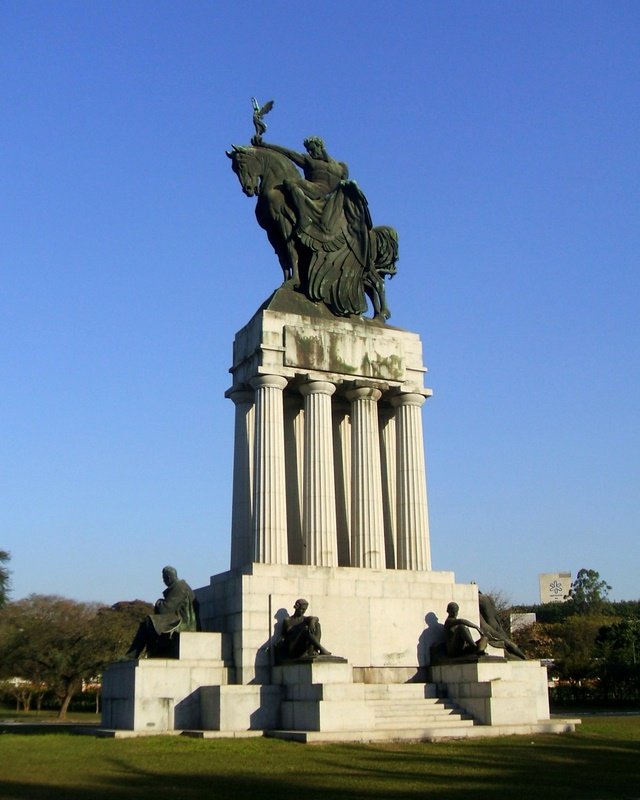
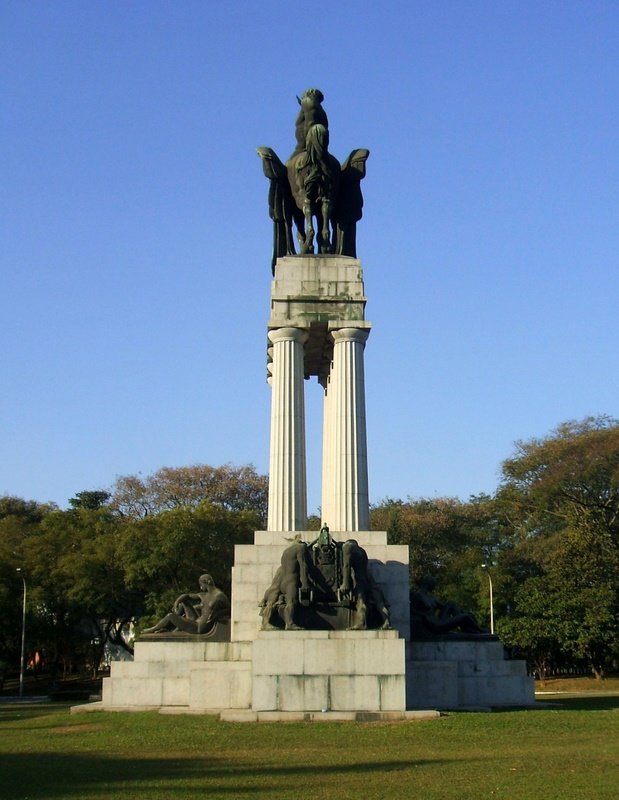
Francisco de Paula Ramos de Azevedo was a visionary architect and engineer whose projects, including the Municipal Theater and the Pinacoteca do Estado, have left a lasting mark on São Paulo. The monument, created by Galileo Emendabili, stands 25 meters tall and features bronze and granite elements representing progress, the arts, sciences, and labor. Its current location at the University of São Paulo underscores its connection to education and innovation.
Location and Setting
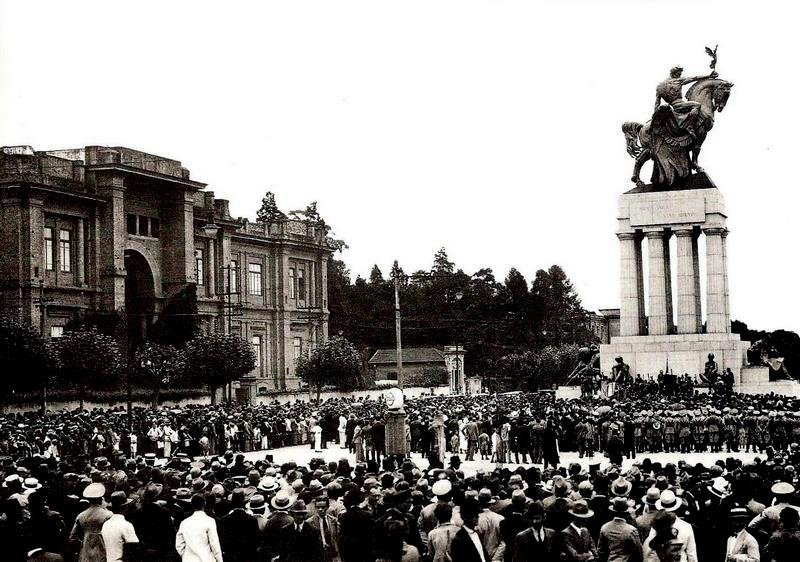
Originally inaugurated in 1934 on Avenida Tiradentes, across from the Pinacoteca do Estado, the monument was moved to the University of São Paulo’s Cidade Universitária campus in 1973 as part of urban development and metro construction efforts. The monument now resides at Av. Prof. Almeida Prado, 532, Butantã district, within a landscaped plaza that offers a tranquil setting for reflection and learning.
The monument’s integration into the university campus connects it directly with the academic community, symbolizing the enduring legacy of Ramos de Azevedo’s contributions to São Paulo’s educational and architectural landscape. (História e Parcerias)
Artistic Conception and Symbolism
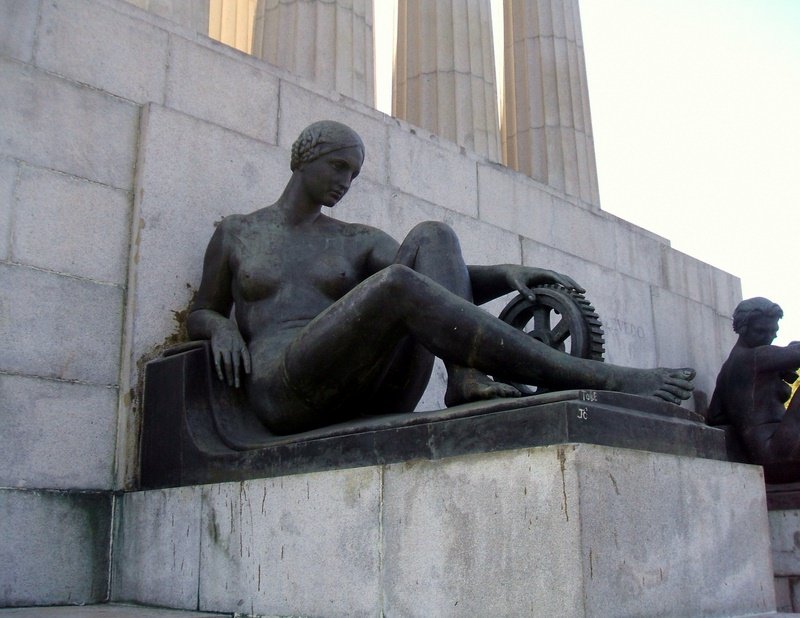
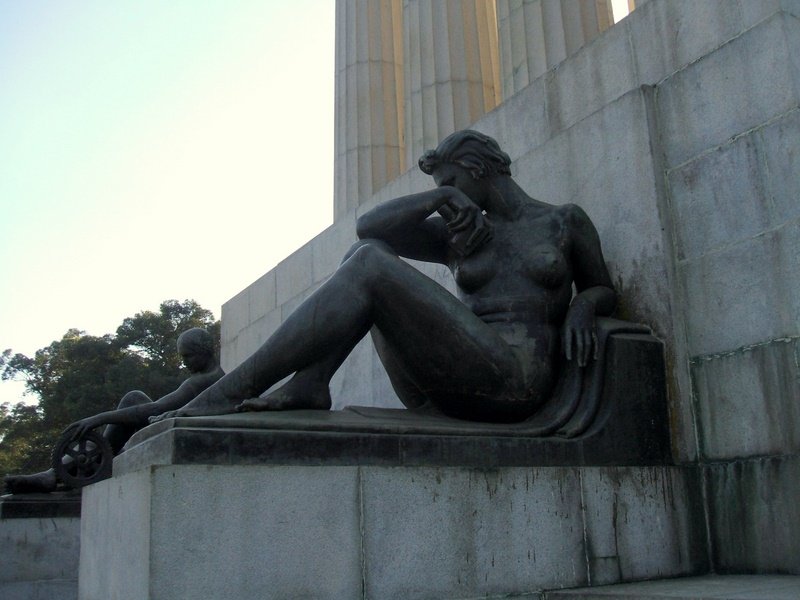
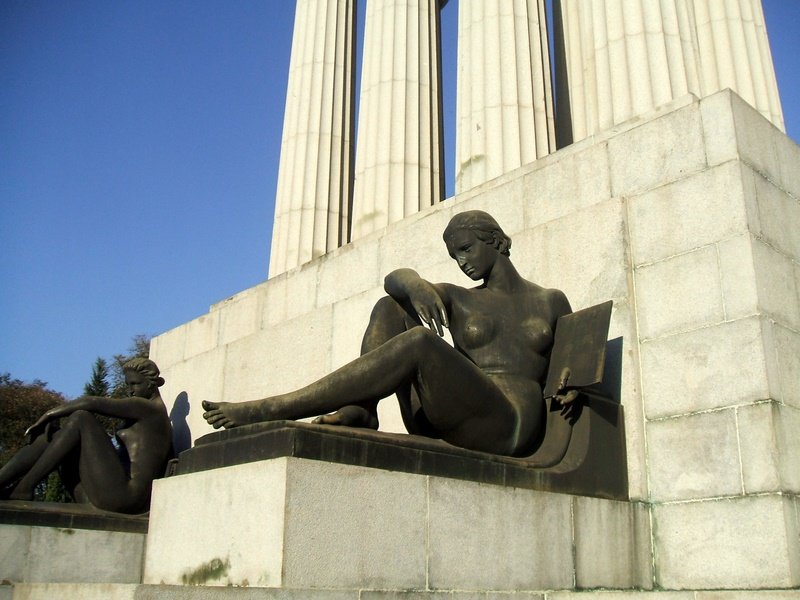
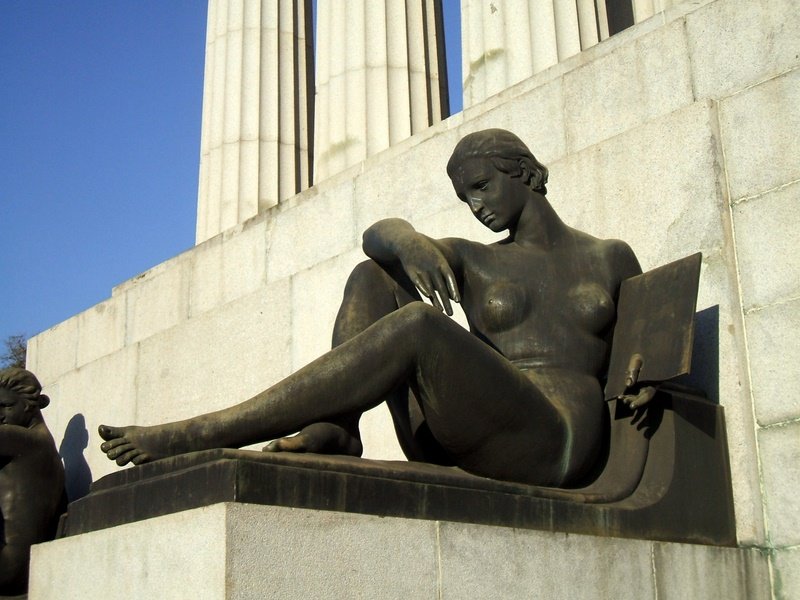
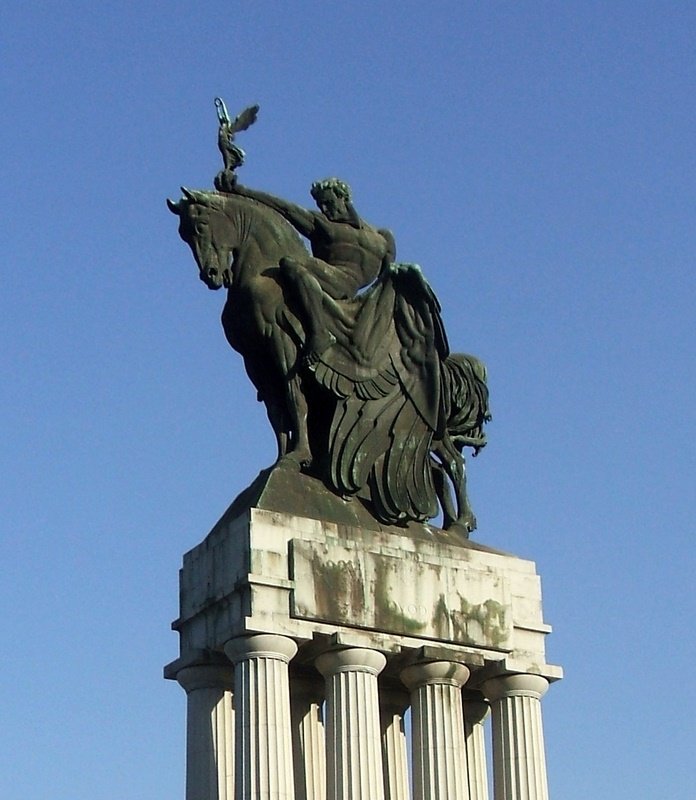
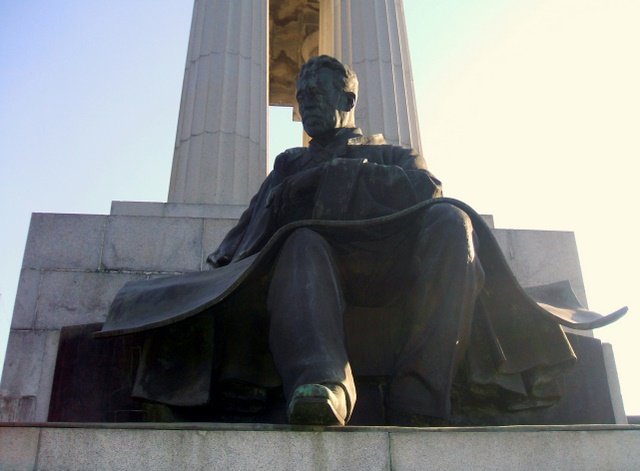
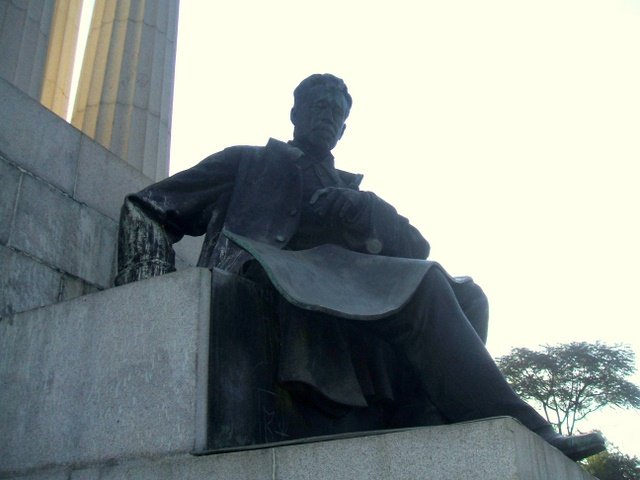
The monument’s artistic vision was shaped by Galileo Emendabili, who employed durable Itaquera granite and bronze to create both grandeur and intricate detail. The central statue of Ramos de Azevedo is surrounded by allegorical figures representing progress, victory, the arts, sciences, and the laborers who built the city. These elements collectively narrate São Paulo's journey toward modernization and cultural advancement.
- Central Figure Depicts Ramos de Azevedo in a contemplative pose, symbolizing intellectual leadership.
- Allegories Figures personifying innovation, triumph, and cultural development surround the base.
- Muses and Builders Additional sculptures represent the arts, sciences, and the collective work behind São Paulo’s growth.
For in-depth analysis of materials and visual details, refer to Descubra Sampa and the International Journal of Conservation Science.
Visiting Hours and Tickets
- Hours The monument is outdoors and accessible daily. The general campus is open from 7:00 AM to 10:00 PM, though the plaza itself is accessible at all times.
- Admission Free. No ticket required to visit the monument or walk through the university campus.
Accessibility
The plaza and pathways around the monument are wheelchair accessible, with ramps and level surfaces. Accessible restrooms are available in nearby university buildings. Visitors with mobility needs can comfortably explore the site.
Getting There
- By Metro Take Line 4 (Yellow) to Butantã Station, then walk or catch a university shuttle to the campus.
- By Bus Multiple bus lines serve the Butantã area and the university.
- By Car Limited parking is available on campus near the Polytechnic School; using public transport is recommended during peak hours.
Nearby Attractions and Tours
- Polytechnic School Explore historic architecture and academic spaces tied to Ramos de Azevedo’s legacy.
- Pinacoteca do Estado São Paulo’s premier art museum, originally adjacent to the monument’s first location.
- Campus Green Spaces The university campus is home to gardens, libraries, and cultural centers.
- Guided Tours While there are no tours dedicated solely to the monument, broader campus tours are available through the University of São Paulo and local operators. (USP Turismo)
Conservation and Preservation
The monument, constructed from resilient Itaquera granite and bronze, has weathered relocation and environmental exposure remarkably well. Non-destructive techniques, such as ultrasonic pulse velocity testing, have confirmed the granite’s enduring integrity. Regular cleaning and recent restorations—most notably in 2023—have ensured the sculptures remain in excellent condition. (SciELO; Jornal da USP; Redalyc)
Academic and Civic Importance
The monument is not only a historical marker but also a gathering point for students, academics, and the public. It serves as a site for university events, graduation photos, and civic celebrations. Its presence reinforces São Paulo’s commitment to education, innovation, and public service, and it is often used as an educational tool for students of architecture and the arts. (USP News; Prefeitura de São Paulo)
Visitor Experience & Photography
The monument’s location within a green, academic setting provides a peaceful backdrop for reflection and photography. Early mornings and late afternoons offer the best lighting for capturing the monument’s bronze details and expressive sculptures. The surrounding campus, with its gardens and architectural highlights, is ideal for a leisurely stroll and additional sightseeing.
Frequently Asked Questions (FAQ)
Q: What are the visiting hours?
A: The monument is accessible outdoors at any time, with campus access generally from 7:00 AM to 10:00 PM.
Q: Is there an entrance fee?
A: No, visiting the monument and campus is free of charge.
Q: Is the monument wheelchair accessible?
A: Yes, the site has ramps and smooth pathways.
Q: Are guided tours available?
A: Campus tours offered by the University of São Paulo often include the monument. Inquire at the visitor center for current schedules.
Q: What nearby attractions can I visit?
A: The Pinacoteca do Estado, Municipal Theater, and Mercado Municipal—many designed or influenced by Ramos de Azevedo—are within reach.
Practical Travel Tips
- Photography Visit during sunrise or sunset for optimal lighting.
- Language Informational plaques are mainly in Portuguese; check with the visitor center for English-language resources.
- Safety The campus is generally safe with security staff present; remain attentive to personal belongings.
- Weather Bring water and sun protection, especially in warmer months.