Historical Development of Jardim São Paulo and Its Metro Station
Origins of Jardim São Paulo
Founded in 1938 by Predial Novo Mundo, Jardim São Paulo quickly grew as a residential enclave, attracting families with its tree-lined streets and accessibility. By 1940, a dedicated bus line connected the neighborhood to São Paulo's center, marking its integration into the city's urban network (Wikipedia).
Metro Station Construction and Architecture
Plans for metro expansion in the 1970s included Jardim São Paulo as a key stop on Line 1–Azul (Blue Line). After construction delays, the Jardim São Paulo Metro Station opened in 1998, significantly improving accessibility for the northern districts. Designed by Meire Gonçalves Selli, the underground station features a central platform, natural lighting, and landscaped gardens. Its innovative design earned recognition at the II Bienal Iberoamericana de Arquitectura e Ingenieria Civil de Madrid in 2000 (https://www.metro.sp.gov.br/).
Honoring Ayrton Senna: Renaming and Memorials
Ayrton Senna’s Connection
Ayrton Senna, a three-time Formula 1 World Champion, spent his childhood in Jardim São Paulo, living on Rua Condessa Siciliano. His legacy as both a sports hero and philanthropist continues to inspire the community (Wikipedia).
Renaming Initiative and Commemorative Sculpture
In 2011, the metro station was officially renamed Jardim São Paulo-Ayrton Senna, following a public campaign and legislative approval. A commemorative sculpture by Paulo Soláriz now stands at the station, symbolizing Senna’s enduring impact (G1 Globo).
Practical Visitor Information
Location, Accessibility, and Metro Services
- Address Avenida Leôncio de Magalhães, 1000, Jardim São Paulo, Santana district.
- Accessibility The station is fully equipped with elevators, ramps, and tactile flooring, ensuring barrier-free access.
- Metro Line Line 1–Azul, between Parada Inglesa and Santana stations.
Operating Hours & Tickets
- Hours Daily from 4:40 AM to midnight.
- Ticket Prices Standard fare is R$4.40 (2024). Tickets can be bought at station offices, automated machines, or via the official São Paulo Metro app. Integration with bus services and discounted passes are available (https://www.metro.sp.gov.br/).
Getting There
The station is accessible by metro, several bus lines, and offers bicycle parking. While some street parking is available, public transportation is recommended due to limited space.
Nearby Attractions
- Parque Domingos Luís Ideal for relaxation and outdoor activities.
- Santana District Explore local cafes, shops, and cultural venues.
- Museu da Casa Brasileira Accessible by metro, showcasing Brazilian design and architecture (Nova Barão).
Special Events & Photo Spots
The station occasionally hosts exhibitions and events honoring Senna. The commemorative sculpture and landscaped station lobby provide great photo opportunities.
Neighborhood Guide
Urban Layout and Character
Jardim São Paulo-Ayrton Senna is distinguished by its tree-lined streets, green spaces, and a balanced mix of residential and commercial zones. Wide avenues and pedestrian-friendly pathways enhance safety and accessibility (Raízes Jardim São Paulo).
Architectural Styles and Influences
The neighborhood features a range of architectural styles, from mid-century modern apartments to contemporary towers. Developments like RAÍZES Jardim São Paulo focus on sustainable, space-efficient design (Raízes Jardim São Paulo).
Green Spaces and Landscape Architecture
Parks such as Parque Domingos Luís and Horto Florestal Alberto Löfgren offer walking trails, playgrounds, and native vegetation, reflecting a commitment to environmental stewardship (Raízes Jardim São Paulo).
Commercial and Service Features
Commercial areas cluster along main avenues and around metro stations, with a blend of modern retail, traditional shops, restaurants, and essential services (Nova Barão).
Transportation Infrastructure
Metro stations (Jardim São Paulo-Ayrton Senna and Parada Inglesa) provide elevators, escalators, and tactile paving. The area is well served by buses and easily navigable for visitors (Nova Barão).
Cultural and Memorial Elements
Ayrton Senna’s legacy is celebrated through murals, plaques, and commemorative installations throughout the neighborhood, particularly in public spaces and at the metro station (Lance!).
Visitor Tips and FAQ
Wayfinding: The neighborhood’s grid layout and clear signage make navigation easy.
Accessibility: Public spaces feature ramps, elevators, and accessible restrooms.
Safety: The area is safe, especially during the day; normal city precautions apply at night.
Photography: The mix of architecture, green spaces, and Senna tributes offer excellent photo opportunities.
Frequently Asked Questions
Q: Is the metro station accessible for wheelchair users?
A: Yes, with elevators, ramps, and tactile flooring.
Q: What are the ticket prices and options?
A: R$4.40 per ride; buy onsite or via the metro app. Discounted and integrated fares available.
Q: Can I join a guided Ayrton Senna tour?
A: Yes, operators offer tours including Jardim São Paulo and other related sites (Veronika’s Adventure).
Q: Are there entrance fees for parks or public spaces?
A: Most parks are free; SESC Santana may charge for specific events.
Q: When is the best time to visit?
A: Weekdays and the dry season (May–September) are ideal.
Integration with Greater São Paulo
Jardim São Paulo-Ayrton Senna exemplifies the city’s evolution—balancing sustainability, heritage, and modern living. Its strategic location and excellent transport links make it a peaceful, accessible urban destination connected to São Paulo’s vibrant life (Raízes Jardim São Paulo, Nova Barão).
Plan Your Visit
Download the Audiala app for interactive maps, guided tours, and current event information on Jardim São Paulo-Ayrton Senna and other São Paulo neighborhoods. For up-to-date details, consult the São Paulo Metro Website, Ayrton Senna Institute, and São Paulo Tourism Board.
Suggested Visuals
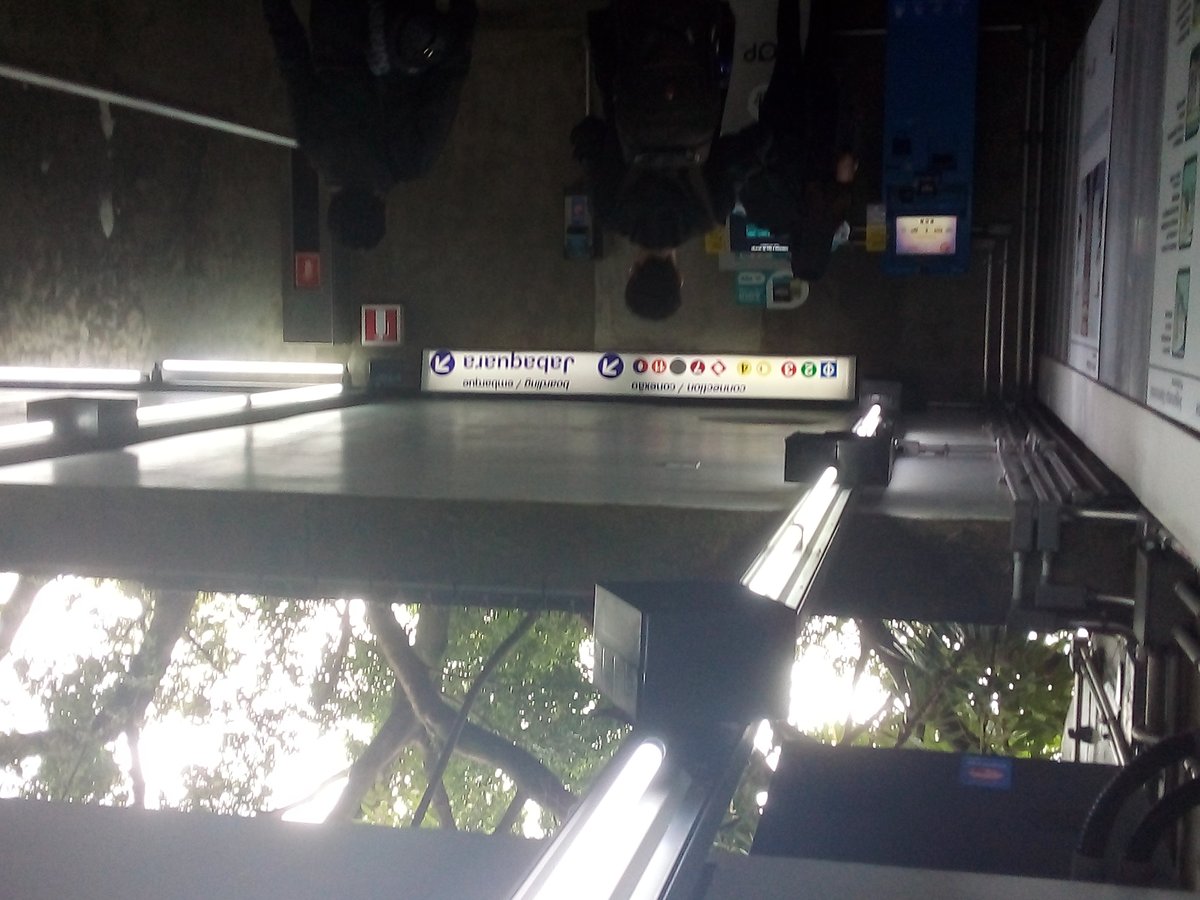
- Metro Station Entrance Jardim São Paulo-Ayrton Senna metro station entrance in São Paulo
- Mirante de Santana View Panoramic view of São Paulo skyline from Mirante de Santana
- Parque Domingos Luís Walking trails and native vegetation in Parque Domingos Luís
- SESC Santana Modernist architecture of SESC Santana cultural complex