
What the Airport Is
Congonhas-São Paulo Airport (IATA: CGH), officially known as Deputado Freitas Nobre Airport, is a major part of Brazil’s domestic aviation network. It is located 8–12 kilometers from São Paulo’s city center and provides access to the city for business travelers and tourists. Established in 1936 during São Paulo’s industrial expansion, it connects more than 30 destinations nationwide and serves millions of passengers annually. It became Brazil’s second busiest domestic airport (SpotterGuide; iSouthAmerica).
The airport operates 24 hours a day, seven days a week, with duty-free shops, lounges, accessibility services, restaurants, free Wi-Fi, and seating areas (Duty Free Information). Its mid-20th-century modernist architecture and ongoing modernization have made it a notable landmark in Brazil’s aviation history.
History, Architecture, and Safety
Congonhas opened in 1936 in São Paulo’s southern zone, replacing the outdated Campo de Marte airfield. Its flat terrain and proximity to the city center made it suitable for the city’s rapid industrial growth. As São Paulo expanded, the airport became enveloped by urban development, making it a major airport within a dense metropolitan area (SpotterGuide; TripIndicator).
For decades, Congonhas was Brazil’s busiest airport, until São Paulo–Guarulhos International Airport (GRU) opened in 1985. Congonhas remains a primary domestic hub, connecting São Paulo to over 30 cities and serving millions of passengers every year (iSouthAmerica).
The terminal building, completed in 1950, is known for its modernist design: expansive glass panels, a sweeping curved roofline, terrazzo flooring, wide corridors, and large windows that maximize natural light. These features reflect Brazil’s post-war aspirations and commitment to modernism (Aena Brasil).
The airport has two parallel runways: a 1,940-meter main commercial runway and a 1,435-meter secondary runway for executive and general aviation. Its short runways and urban setting have necessitated safety measures including grooved surfaces and advanced lighting. Operational protocols and safety standards have also been shaped by high traffic and major aviation accidents.
Following incidents including the 2007 TAM Airlines Flight 3054 accident, Congonhas implemented safety upgrades such as runway resurfacing with grooved asphalt, improved drainage, advanced lighting, and enhanced emergency protocols (SpotterGuide). Renovations have sought to preserve the terminal’s original character while adapting to passenger growth and modern security requirements.
Modernization and Expansion
Under Aena’s management since August 2023, Congonhas is undergoing a major expansion. Aena’s investment is reported as R$2.4 billion (approx. US$400 million), with work scheduled from late 2023 to June 2028. The plans aim to double passenger capacity and improve the traveler experience (Aviation24.be; AirInsight).
The new terminal will more than double the existing space, reaching 100,000 square meters. Annual passenger capacity is planned to rise from 22 million to 29.5 million by 2028. The terminal plans include:
- Seven new telescopic jetways, bringing the total to nineteen.
- Eighteen remote boarding positions.
- 20,000 square meters of commercial space.
- Expanded lounges and modernized restrooms (The Rio Times; Aeroflap).
Airside and operational improvements include a new taxiway and rapid exit taxiway, intended to improve efficiency and reduce delays. Aircraft parking is planned to expand from 30 to 37 positions, accommodating larger aircraft such as the A321neo and 737 Max 10 (The Rio Times). The historic Varig hangar is also to be adapted for use as a boarding area.
Other plans include a direct connection to São Paulo Metro’s Line 17 – Gold, scheduled to open in June 2026; enhanced boarding bridges and remote boarding points; and improved terminal traffic flow and security measures (AirInsight).
Construction is phased to maintain operational continuity. Flight movements have been temporarily reduced, and operating hours between 11 PM and 6 AM have been limited to manage noise (The Rio Times).
Sustainability plans include clean energy and more efficient electricity use (Aeroflap); 100% electric buses to reduce CO2 emissions and noise; improved waste management and composting systems (PlanClima SP); sustainable construction materials and potential LEED certification (AIS Blog); and community engagement on noise and urban integration. The expansion is part of Brazil’s wider strategy to modernize its airport network, promoting resilience, accessibility, economic growth, and sustainability (LATAM FDI).
Improvements already made under Aena include upgrades to security screening and baggage systems, resurfacing of access roads and taxiways, and the addition of retail and dining options (Aeroflap).
What to See
Congonhas-São Paulo Monument
The Congonhas-São Paulo Monument, located near the airport, honors regional aviation milestones and connects visitors with São Paulo’s broader heritage. Its design combines modernist and traditional elements. Erected in the mid-20th century, it reflects the pioneering spirit of Brazilian aviation and São Paulo’s role in national development.
The monument hosts workshops, cultural events, and guided tours conducted by historians. Guided tours are offered on weekends and public holidays.
- Hours Daily, 9:00 AM to 6:00 PM.
- Tickets Free for residents; BRL 10 for non-residents; free for children under 12 and seniors over 65.
- Accessibility Wheelchair-accessible facilities, signage in Portuguese and English, and assistance on request.
- Getting there Multiple bus routes from the city center; Uber and 99 are widely available; on-site parking is provided.
Congonhas Monument: Sanctuary of Bom Jesus de Matosinhos
This is a different site from the monument near the airport. The Congonhas Monument in the city of Congonhas, Minas Gerais, is a UNESCO World Heritage site, renowned for its Baroque architecture and Aleijadinho’s soapstone sculptures of the Prophets.
- Hours 8:00 AM–6:00 PM daily.
- Tickets BRL 20 for adults, with discounts for students and seniors; children under 12 free.
- Guided tours Available in multiple languages.
- Accessibility Ramps and multilingual signage.
- Access from São Paulo Intercity buses or driving via the BR-381 highway. Congonhas Airport serves as a convenient arrival point for domestic travelers.
- Accommodation Options are available in both Congonhas and São Paulo.
Practical Visiting Information
Hours and Tickets
Congonhas-São Paulo Airport operates 24 hours a day, seven days a week, though most commercial flights take place between early morning and midnight. Confirm flight schedules with your airline for specific check-in and boarding times.
The airport’s public areas, including check-in and arrival halls, are accessible without a ticket. A valid flight ticket is required to enter the boarding gates. Special protocols may apply for business or executive aviation.
Flight tickets can be purchased directly through airlines, travel agencies, or online platforms.
Transportation
- Taxi and ride-sharing Taxis and services such as Uber provide direct access to and from the airport.
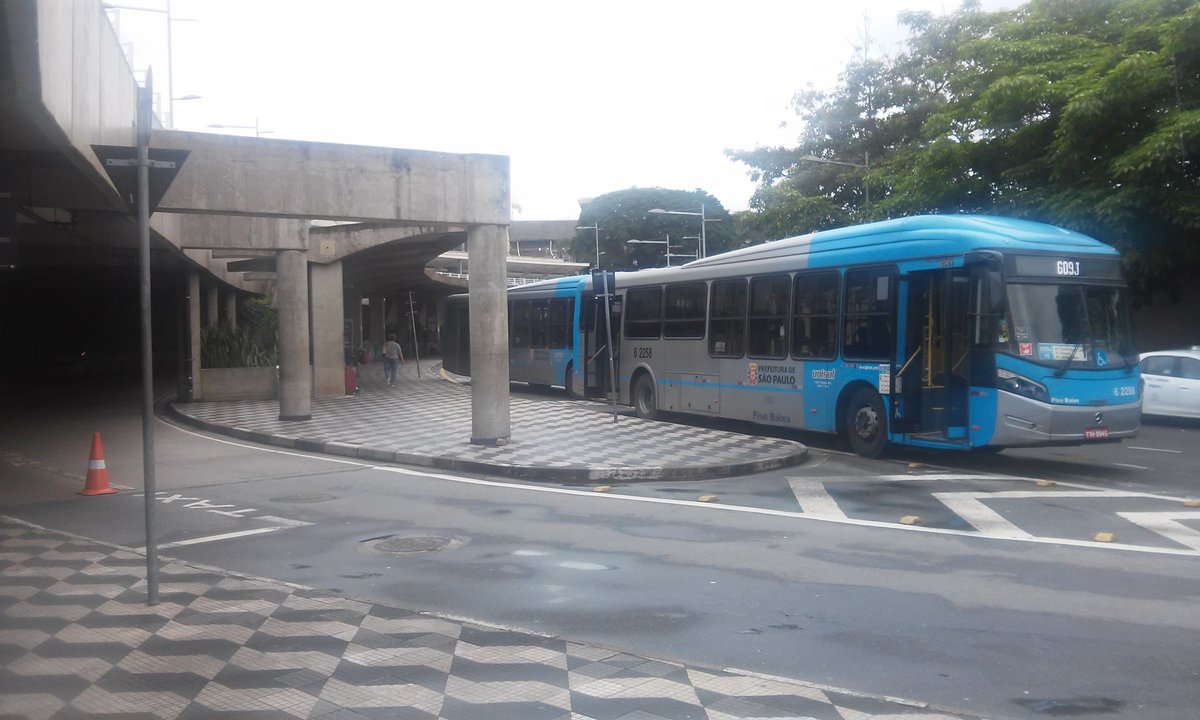
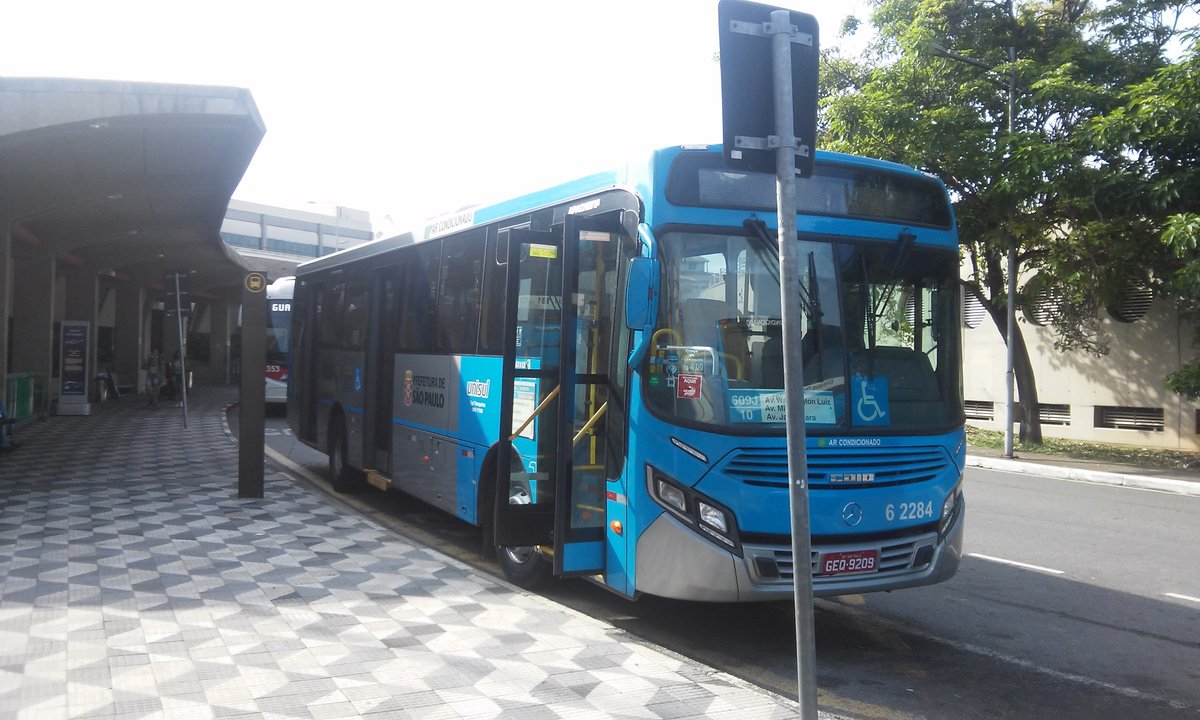
- Public bus Multiple bus lines connect the airport with key districts across São Paulo.
- Car rental Several car rental agencies operate within the terminal.
- Travel time Reaching downtown São Paulo generally takes 20–40 minutes, depending on traffic.
Accessibility and Amenities
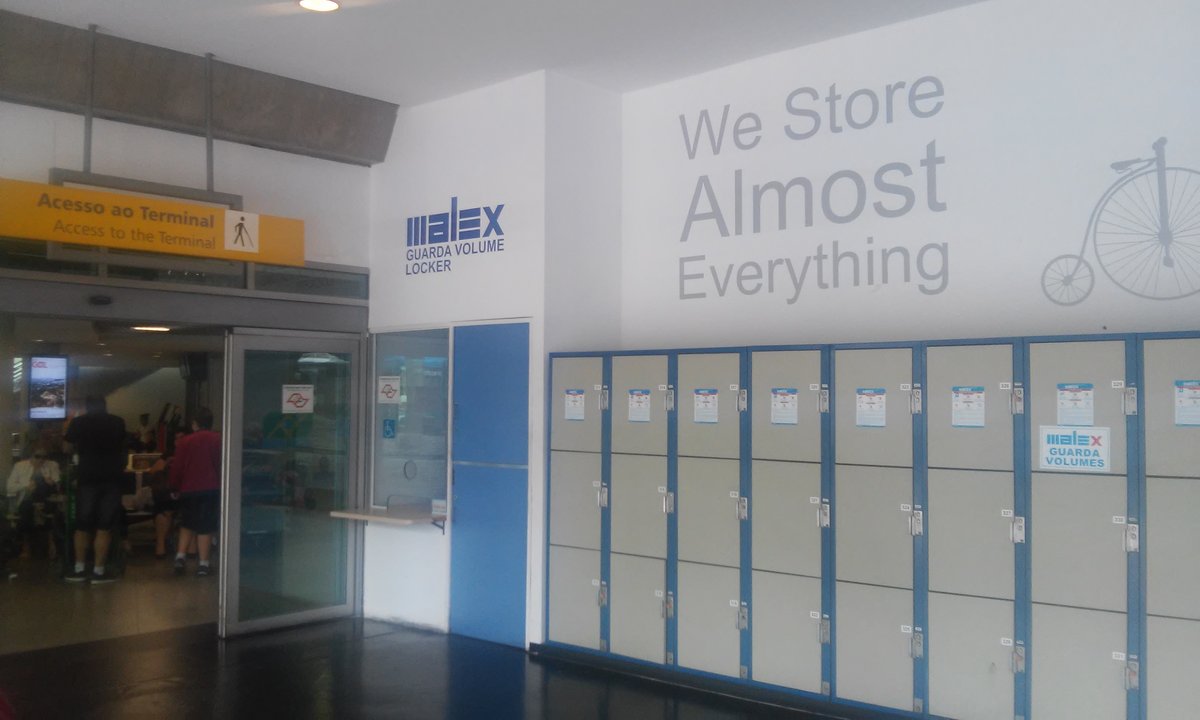
The airport has ramps, elevators, reserved parking, and assistance services. Passengers requiring special assistance should notify their airline in advance. Amenities include duty-free shops, restaurants, lounges, free Wi-Fi, and comfortable seating areas (Duty Free Information).
Tips
- Confirm flight schedules with your airline, particularly check-in and boarding times.
- For a visit to the Congonhas-São Paulo Monument, arrive early to avoid crowds and wear comfortable shoes. Photography is allowed; drones require prior permission. Check the official tourism website for event updates.
- At the Sanctuary of Bom Jesus de Matosinhos, comfortable footwear is recommended, photography is encouraged, and weekdays are suggested for an early visit.
Nearby Places
Congonhas’s location offers access to São Paulo attractions including:
- Ibirapuera Park A large urban green space with museums, gardens, and lakes.

- São Paulo Museum of Art (MASP) A leading destination for Western art.
- Paulista Avenue A busy financial and cultural corridor.
- Liberdade District A neighborhood known for its Japanese culture and eateries.
- São Paulo Museum of Modern Art (MAM) Art exhibitions in Ibirapuera Park.
- Congonhas-São Paulo Airport Museum Aviation history exhibits.
FAQ
What are the airport’s operating hours?
It is open 24/7. Most flights operate from early morning to midnight.
How do I buy flight tickets?
Through airlines, travel agencies, or online platforms.
Is the airport accessible for travelers with disabilities?
Yes. It has accessibility features and support services.
Are guided tours offered at the airport?
Not typically. Tours are available at the nearby monument and other cultural sites.
Where can I find the latest airport updates?
Visit the official Congonhas Airport website.