
Jabaquara’s Historical and Cultural Context
Colonial Roots and Early Settlement
Jabaquara’s origins date back to the colonial era, highlighted by the preservation of the Casa do Sítio da Ressaca, built in 1719. This rare example of Bandeirista architecture was constructed using rammed earth and canela-preta wood, reflecting the adaptation of Portuguese settlers to local materials and climate. The area’s natural streams and forests provided refuge to escaped enslaved people, cementing Jabaquara’s identity as a haven for those seeking freedom (Wikipedia).
Urban Transformation
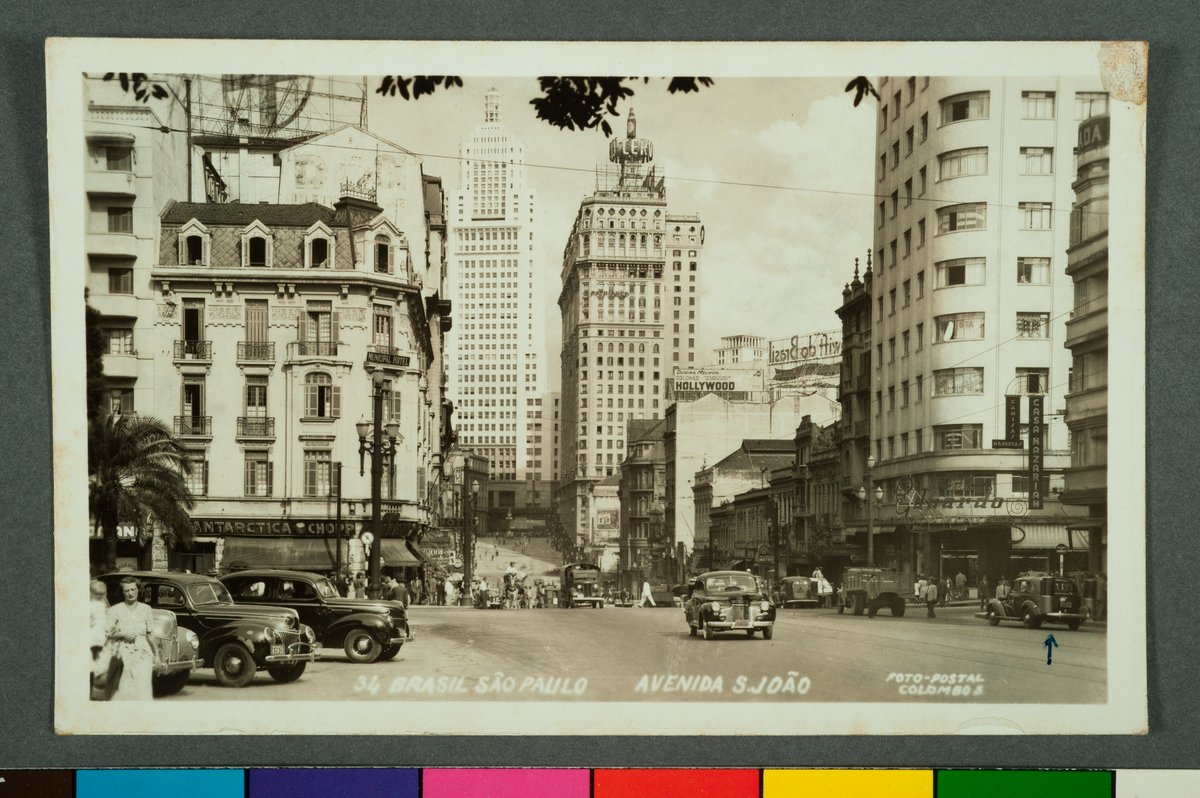
The 19th and 20th centuries saw Jabaquara evolve from rural farmland into a bustling urban district, influenced by waves of immigrants drawn by São Paulo’s coffee-driven economic boom. The introduction of the Metro’s Blue Line in 1969 marked a turning point, greatly enhancing connectivity and driving rapid urbanization (GoAskALocal).
Preservation of Casa do Sítio da Ressaca
Following expropriation in the late 1970s, the Casa do Sítio da Ressaca underwent extensive restoration, surviving fire damage and earning National Heritage status. The site now houses the Afro-Brazilian Memory and Living Collection, featuring exhibitions and oral histories that honor the legacy of the district’s Black communities (https://www.prefeitura.sp.gov.br/cidade/secretarias/cultura/patrimonio_historico/casas_historicas/index.php?p=13580).
Afro-Brazilian Heritage
Jabaquara’s contributions to Afro-Brazilian culture are celebrated through its cultural centers, annual festivals, capoeira and samba schools, and community events. The district’s history as a site of resistance and refuge remains a central part of its identity.
Planning Your Visit
Key Landmarks: Hours and Ticketing
Casa do Sítio da Ressaca
- Location Rua Nadra Raffoul Mokodsi, 3, Jabaquara
- Hours Tuesday to Sunday, 9:00 AM–5:00 PM
- Tickets Free entry
- Guided Tours Weekends and by appointment on weekdays
- Accessibility Wheelchair accessible
- Nearby Paulo Duarte Municipal Library, Jabaquara Metro Station
More Info
Santuário São Judas Tadeu
- Hours Daily, 6:00 AM–9:00 PM
- Tickets Free entry
- Highlights Major pilgrimage site, especially during the October 28 feast day
Official Website
Memorial dos Imigrantes
- Hours Tuesday to Sunday, 9:30 AM–5:00 PM
- Tickets Approx. R$10; discounts for students/seniors
Official Site
Museu do Instituto Biológico
- Hours Tuesday to Friday, 9:00 AM–4:30 PM; weekends 10:00 AM–5:00 PM
- Tickets Free
Learn More
Parks and Green Spaces
Parque Lina e Paulo Raia
- Hours Daily, 6:00 AM–8:00 PM
- Features Walking/cycling paths, sports courts, playgrounds, lake
Park Details
Easy Access to Parque Ibirapuera
- São Paulo’s iconic urban park is easily reached from Jabaquara via metro or bus.
Visit Tips
Museums and Cultural Centers
Centro Cultural Jabaquara
- Hours Monday to Friday, 9:00 AM–6:00 PM
- Events Art exhibitions, concerts, workshops
Center Website
Sesc Santo Amaro
- Hours Tuesday to Saturday, 10:00 AM–9:00 PM; Sunday, 10:00 AM–6:00 PM
More Info
Shopping and Local Markets
Shopping Plaza Sul
- Hours Mon–Sat, 10:00 AM–10:00 PM; Sun, 12:00 PM–8:00 PM
Official Site
Feira Livre de Jabaquara
- Hours Sundays, 6:00 AM–2:00 PM
- Highlights Fresh produce, street food, local delicacies
Gastronomy and Nightlife
Jabaquara’s culinary landscape features traditional Brazilian, Italian, Japanese, and Middle Eastern cuisine. The Avenida Engenheiro Armando de Arruda Pereira area is renowned for its vibrant bars and live music venues. Street food and food trucks are plentiful, especially near transit hubs and during festivals.
Accessibility and Transportation
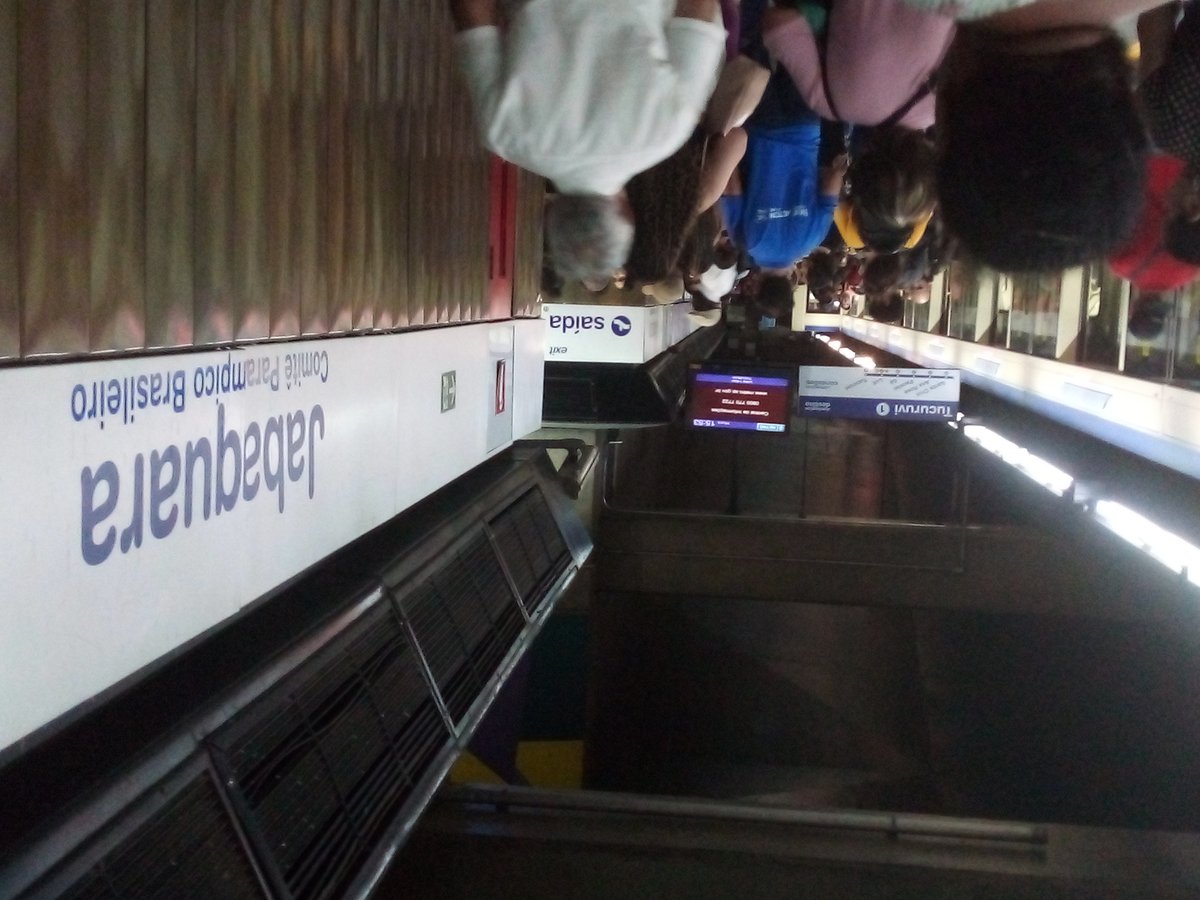
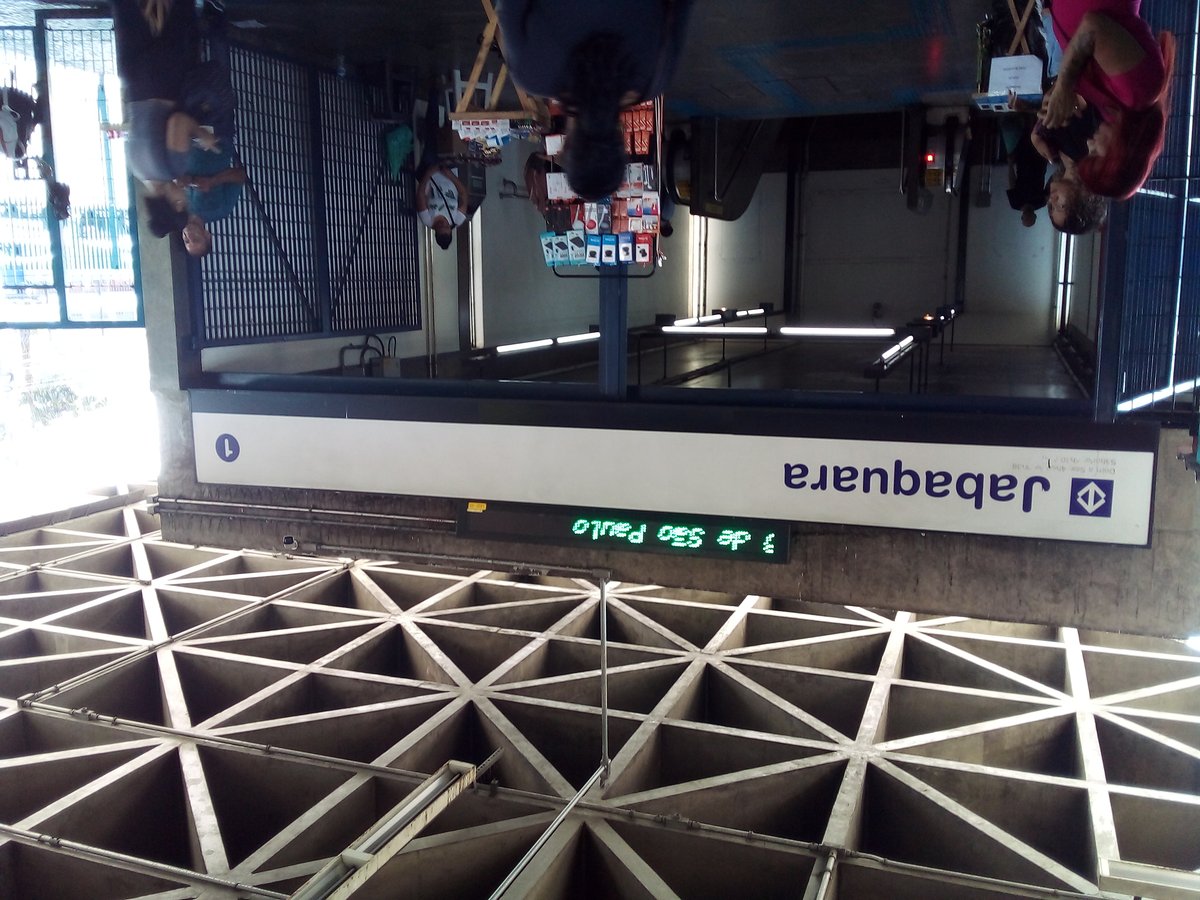
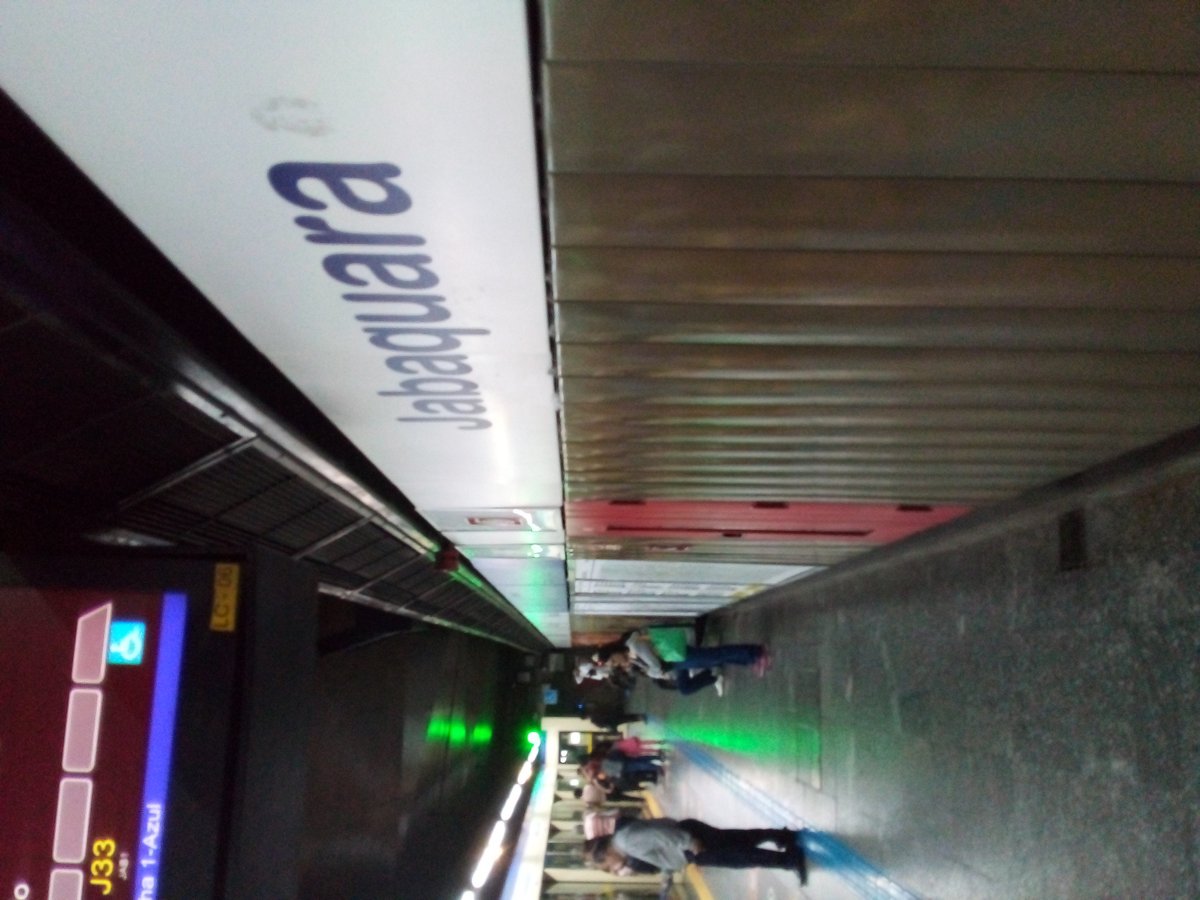
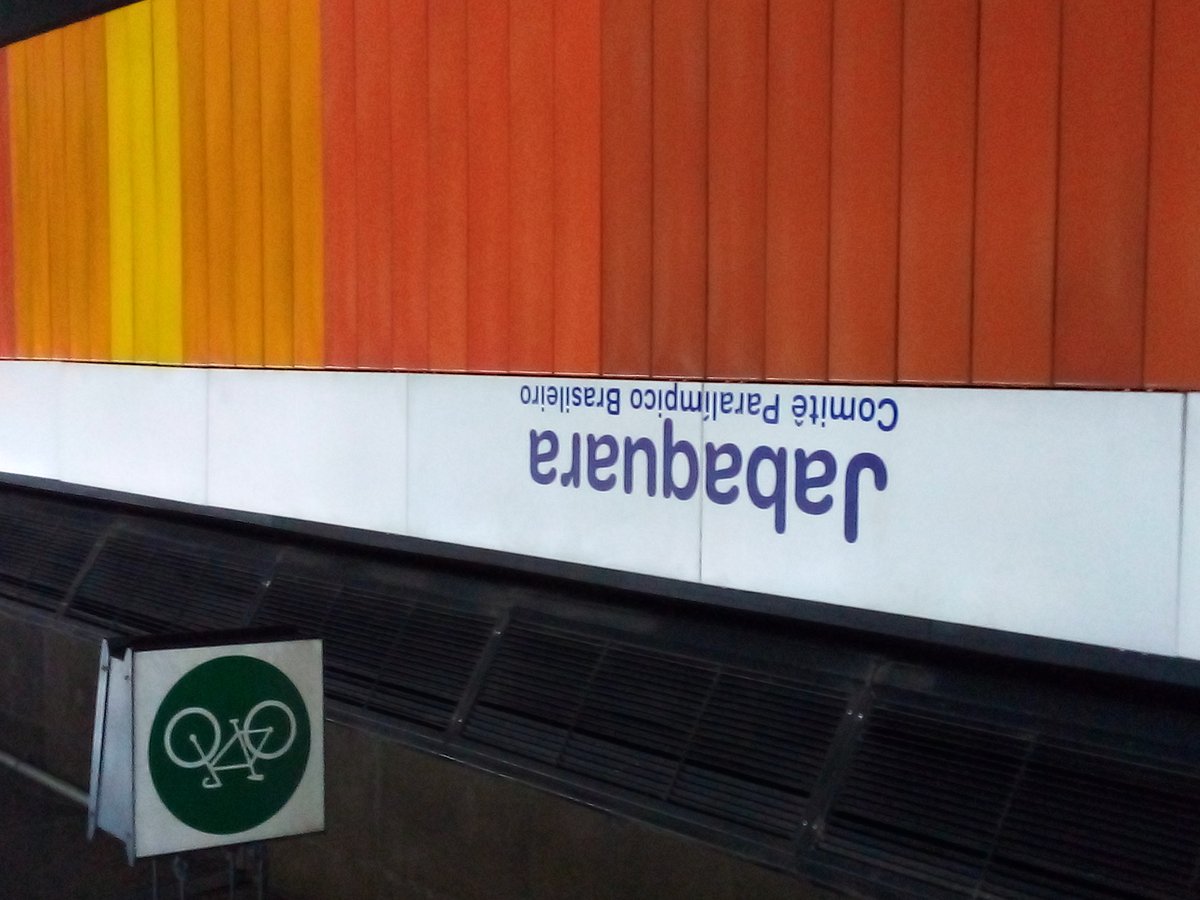
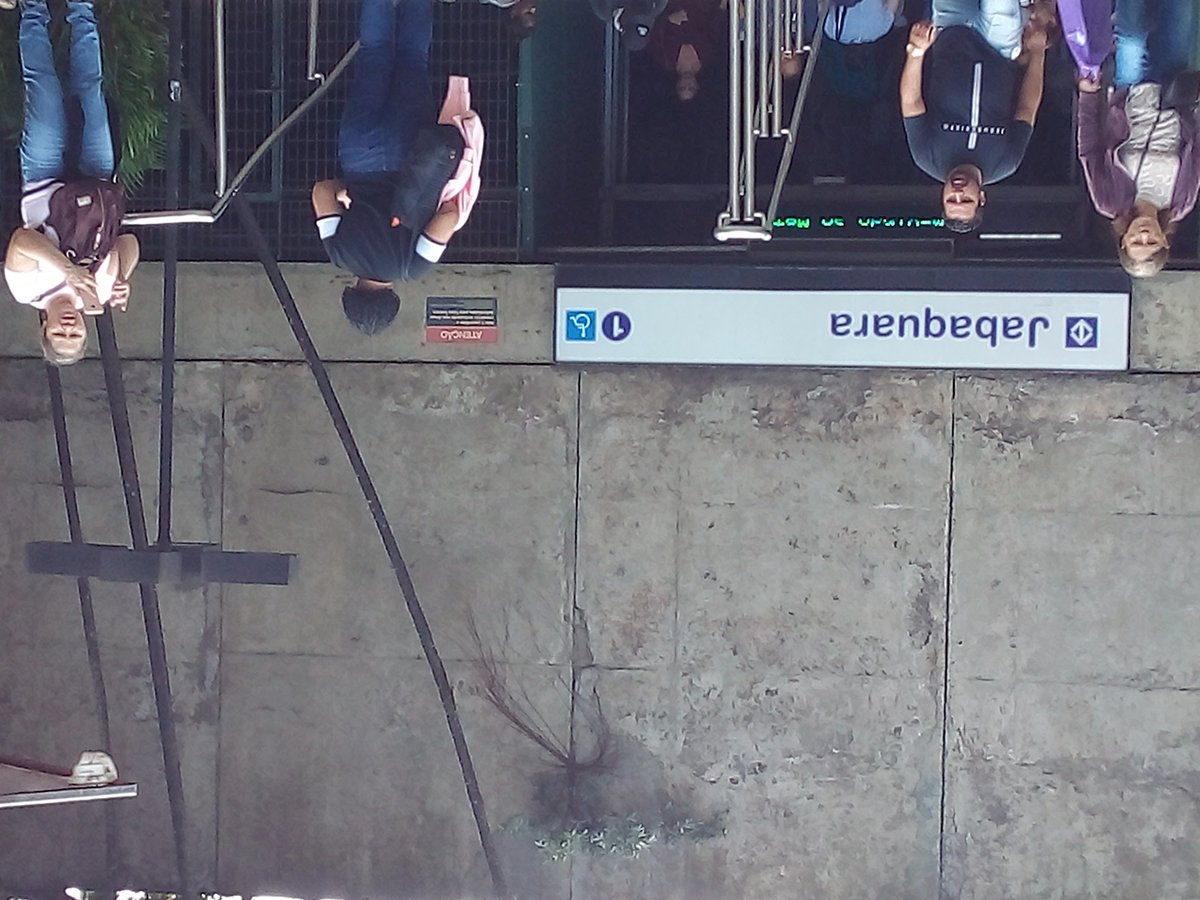
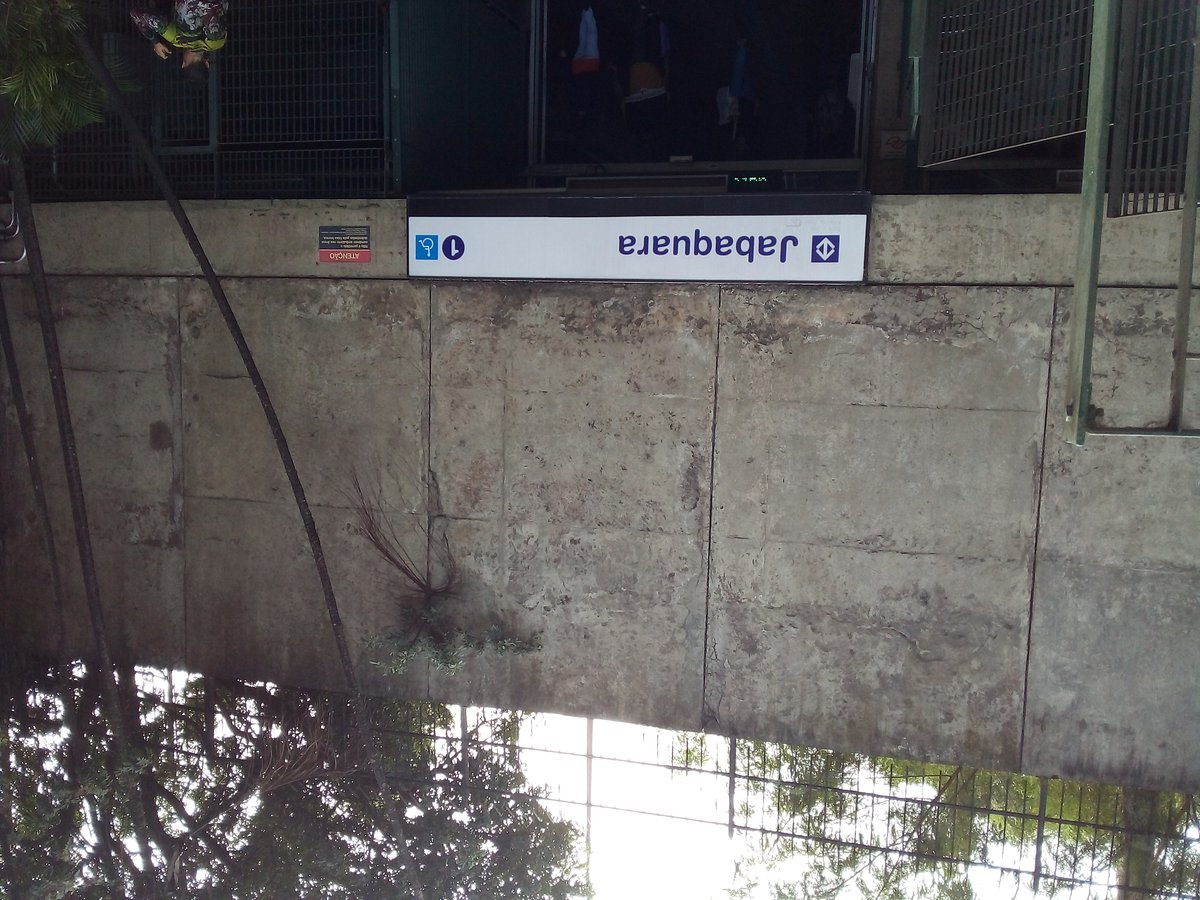
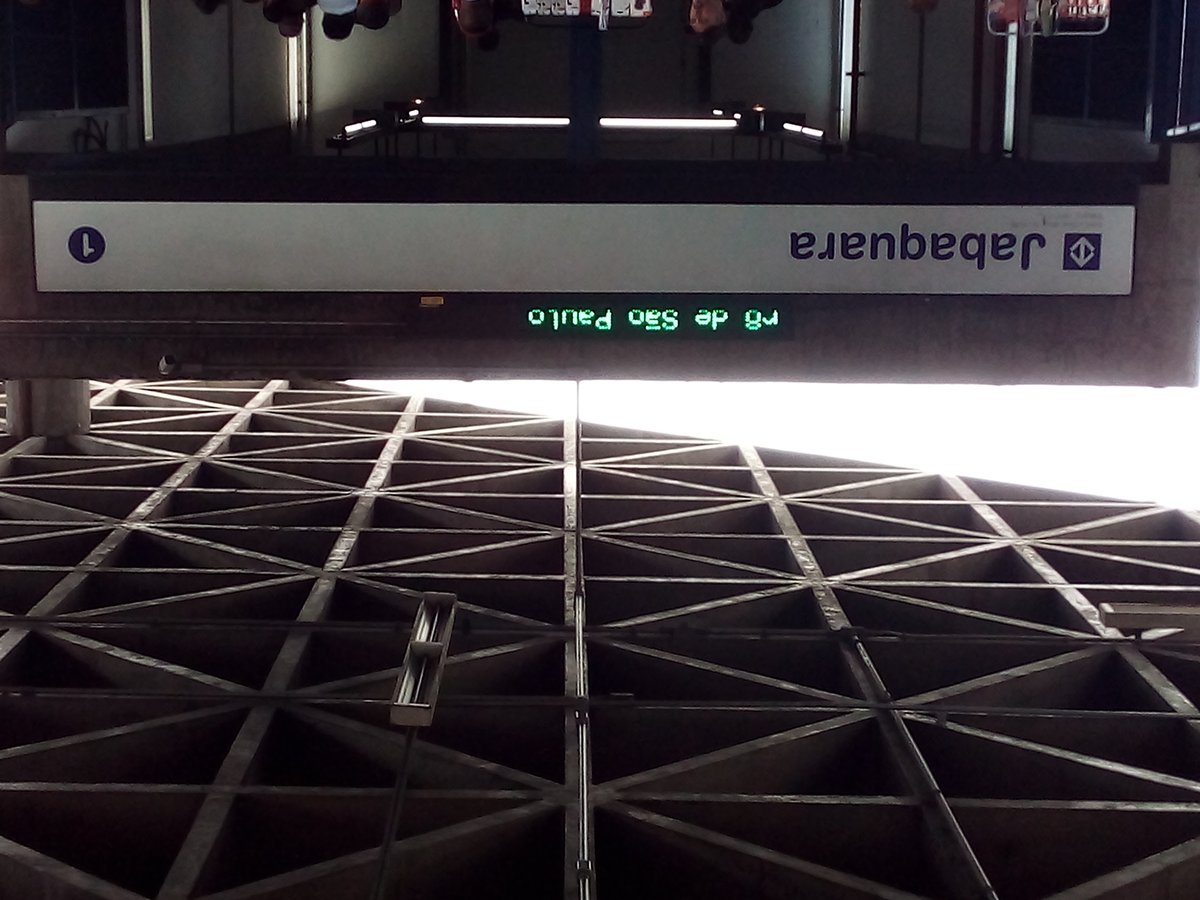
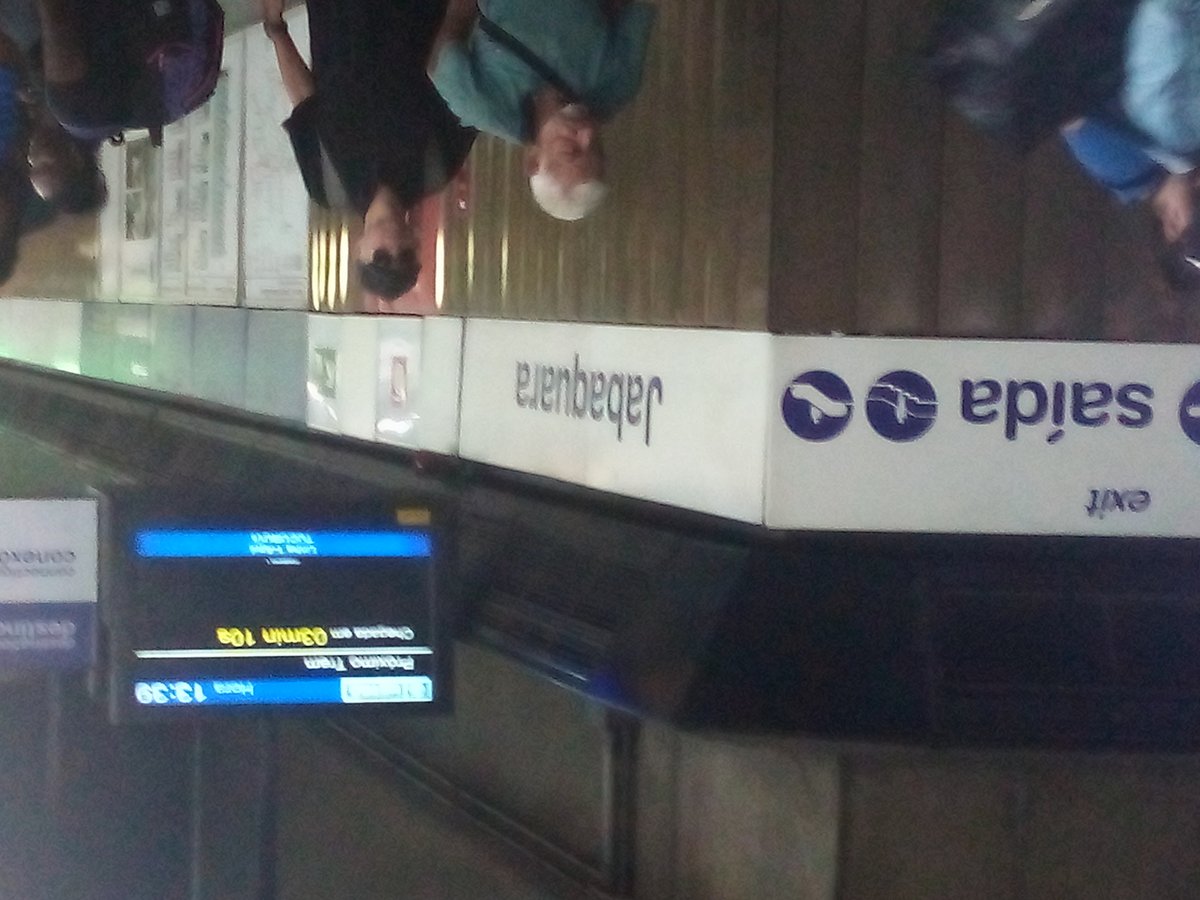
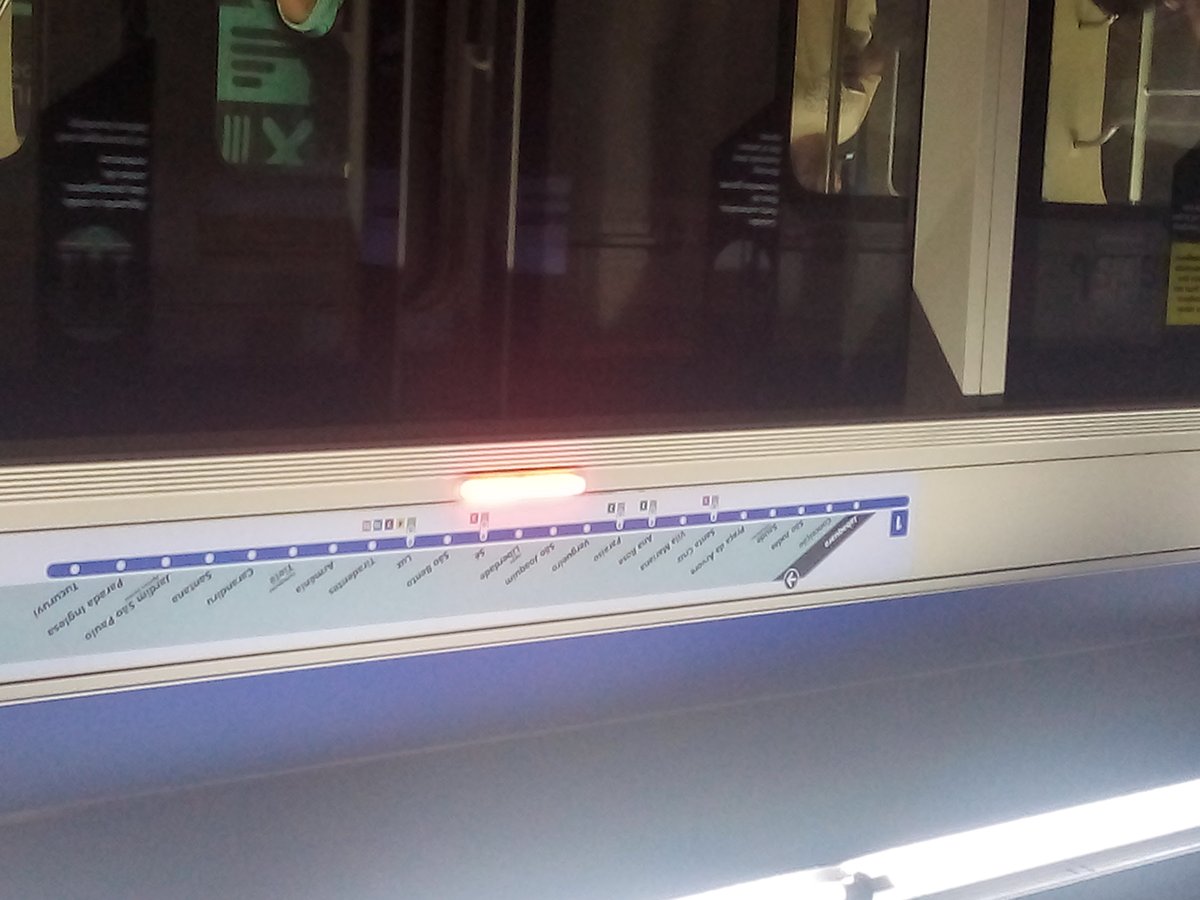
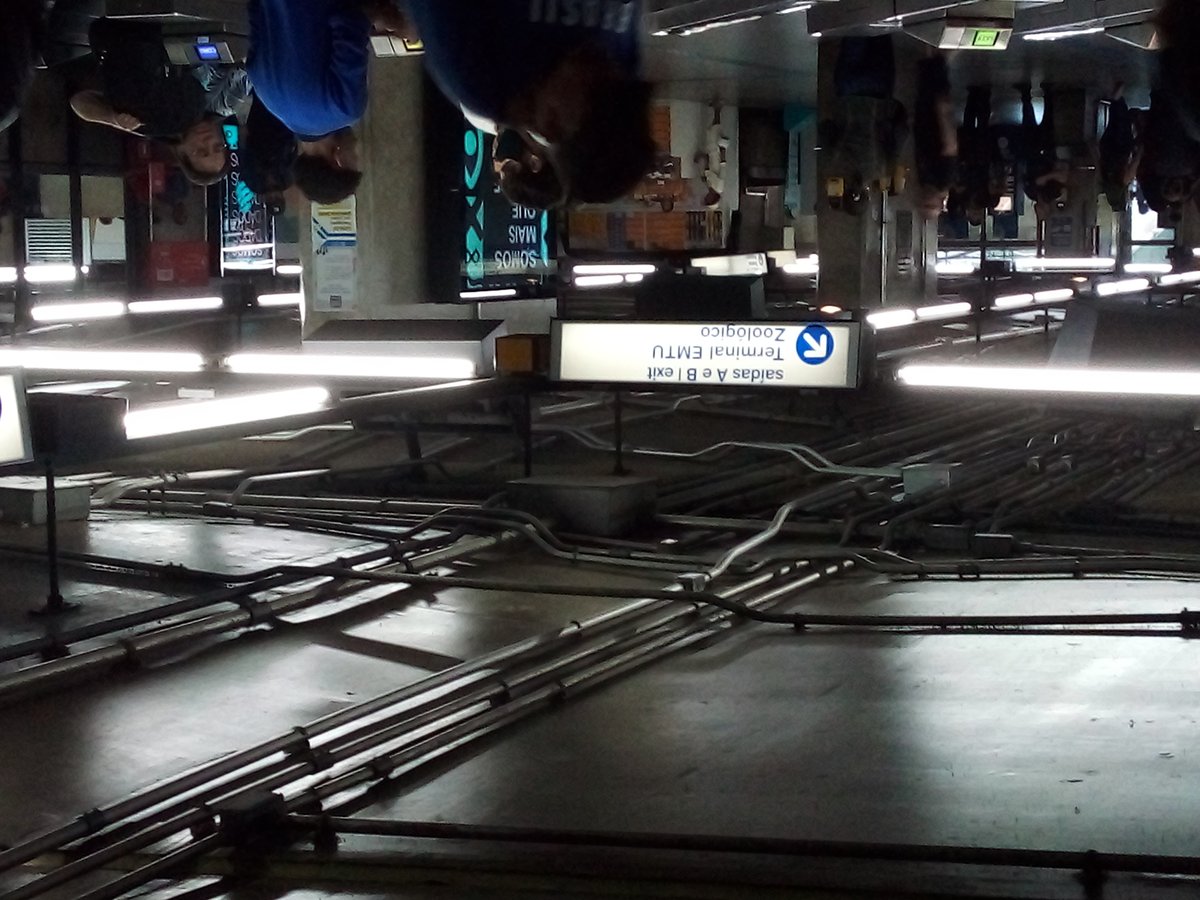
Jabaquara Metro Station (Line 1 - Blue)
- Major transit hub with adjacent intercity bus terminal
- Wheelchair accessible with elevators and tactile flooring
Metro Info
Bike Paths and Walkability
- Dedicated bike lanes and sharing stations connect key sites
Visitor Accessibility
- Many attractions and public transit options are equipped for visitors with mobility challenges
Events and Community Life
Jabaquara hosts a variety of events throughout the year:
- Festa de São Judas Tadeu Major festival on October 28, with processions, music, and food
- Community fairs and art markets Frequent events showcasing local crafts and gastronomy
- Workshops and performances Cultural centers offer classes in music, dance, capoeira, and samba
Family-Friendly Activities
Aquário de São Paulo
- Hours Daily, 9:00 AM–6:00 PM
- Tickets Adults ~R$100; child discounts
Aquarium Website
SESC Vila Mariana
- Recreation, sports, and cultural programs for all ages
SESC Info
Unique Local Experiences
- Capoeira & Samba Schools Participate in or watch traditional Afro-Brazilian dance and martial arts
- Urban Art & Murals Guided walking tours available
Street Art Guide
Practical Visitor Tips
- Best Time to Visit April–October for mild weather
- Safety Generally safe during the day; exercise caution at night and in less crowded areas
- Language Portuguese is predominant; basic English is spoken in tourist locations
- Budget Accommodation and food options for all price ranges
Frequently Asked Questions (FAQ)
Q: What are the visiting hours for Casa do Sítio da Ressaca?
A: Tuesday to Sunday, 9:00 AM–5:00 PM. Admission is free.
Q: How do I reach Jabaquara’s main sights by public transport?
A: Use the Jabaquara Metro Station (Line 1 - Blue) and adjacent bus terminal.
Q: Are attractions in Jabaquara wheelchair accessible?
A: Many are, including the metro and major sites.
Q: Are guided tours available?
A: Yes, especially at Casa do Sítio da Ressaca and some museums; check for language options.
Q: Is Jabaquara safe for tourists?
A: Yes, especially in busy areas and during the day. Standard urban precautions are recommended.
Discover More
Jabaquara stands out as a dynamic destination where Brazil’s colonial legacy, Afro-Brazilian heritage, and cosmopolitan energy intersect. The preservation of sites like Casa do Sítio da Ressaca and the lively community events make it essential for anyone seeking an immersive São Paulo experience. With superb transit access, diverse gastronomy, and welcoming green spaces, Jabaquara is perfect for both historical exploration and modern urban adventures.
Plan your trip with the Audiala app for guided audio tours, real-time updates, and insider tips. Follow official tourism channels and local social media for the latest on cultural programming and events. Discover Jabaquara—a district where history, culture, and urban life converge for an unforgettable journey.