
Historical Background and Architectural Significance
Origins and Context
The CPC-USP was established by the University of São Paulo (USP) to safeguard, study, and promote the city’s architectural and cultural heritage in response to the city’s rapid 20th-century urbanization. The institution plays a leading role in preserving both iconic sites and community-valued heritage, reflecting São Paulo's diverse social fabric (Springer).
Heritage Preservation Evolution
Heritage management in São Paulo has shifted from an elitist, monument-focused approach to a more inclusive, community-driven model. The CPC-USP embodies this evolution, aligning with internationally recognized principles promoted by UNESCO and ICOMOS, and emphasizing the protection of collective memory and lived experience (ArchDaily).
Casa de Dona Yayá: A Symbol of Urban Memory
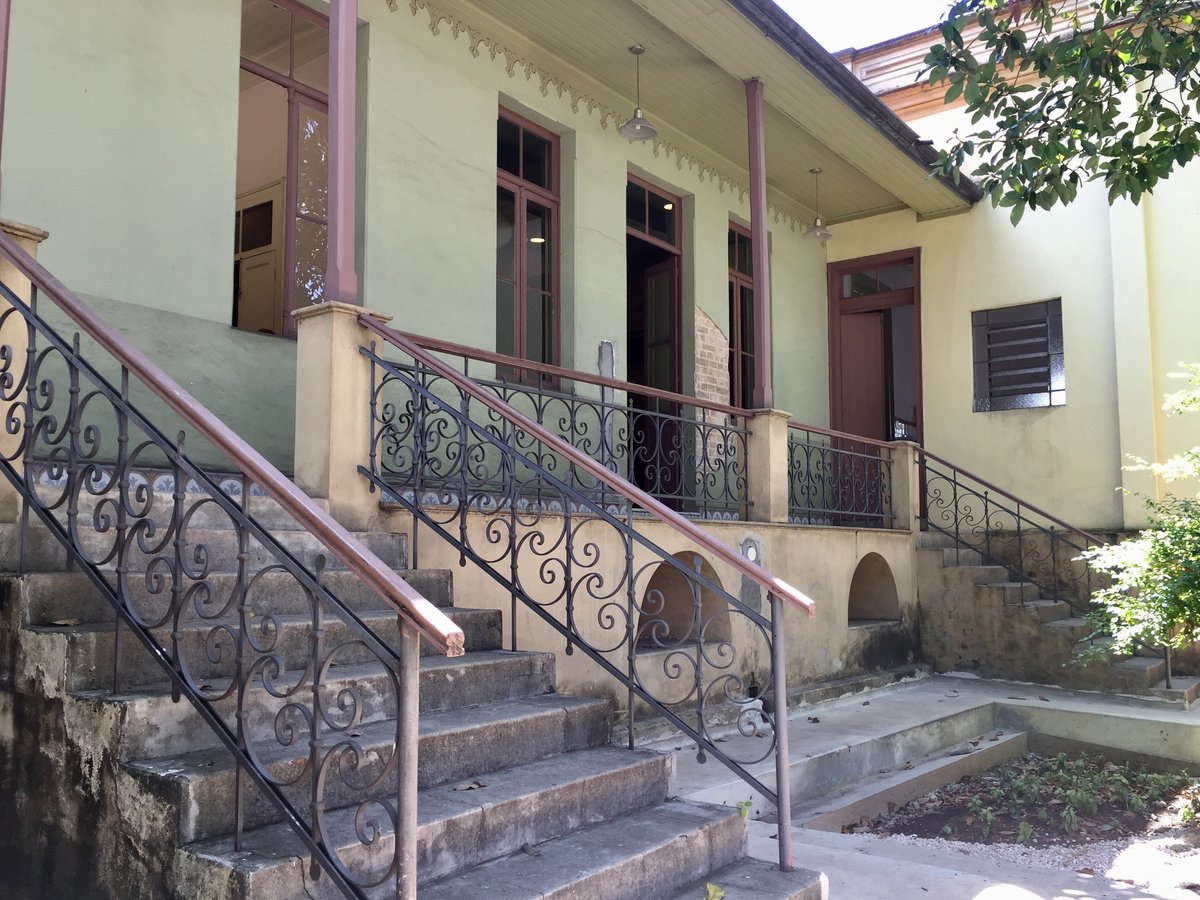
The CPC-USP is housed in Casa de Dona Yayá, a late 19th-century mansion that blends neoclassical and Brazilian vernacular styles. Its restoration and adaptive reuse as a cultural centre highlight the importance of maintaining urban memory while integrating modern amenities. The building’s layered history—as a private residence, psychiatric institution, and now a public heritage site—mirrors the transformations of São Paulo itself (Springer).
Architectural Context
While CPC-USP’s setting is historic, its context is enriched by the nearby Faculty of Architecture and Urbanism at USP (FAU-USP), a hallmark of the Paulista School of modernist architecture. FAU-USP’s building, designed by João Batista Vilanova Artigas and Carlos Cascaldi, is celebrated for its functional open spaces and social focus (ArchDaily).
Community Engagement
CPC-USP’s mission extends beyond conservation, fostering collaboration among scholars, artists, urban planners, and community groups. Its outreach programs and participatory initiatives democratize access to cultural resources, making heritage relevant to all residents (Springer).
Visiting the CPC-USP: Hours, Tickets, and Directions
Opening Hours
- Tuesday to Saturday 10:00 AM – 5:00 PM
- Closed Sundays, Mondays, and public holidays
- Always confirm current schedules on the official CPC-USP website as hours may vary for special events.
Tickets and Admission
- Admission Free of charge, in line with CPC-USP’s commitment to accessible cultural heritage.
- Guided Tours Offered on weekends and public holidays; advance booking recommended for groups.
Location and Directions
- Address Rua Major Diogo, 353 – Bela Vista, São Paulo
- By Metro Close to Anhangabaú and República stations (Line 3 – Red)
- By Bus Several routes serve the area; check local transit apps.
- By Car Parking is limited; public transportation is advised.
Exhibitions and Cultural Programs
Permanent and Temporary Exhibitions
- Permanent Displays Explore Casa de Dona Yayá’s restoration story, panels on São Paulo’s urban evolution, and artifacts illustrating the city’s multicultural heritage (CPC-USP).
- Temporary Exhibitions Rotating themes on memory, identity, and justice, often in collaboration with university and international partners.
Highlights
- Memory and Reparation Programs focusing on justice and collective memory (ESPCA Program).
- Cultural Landscapes Exhibitions on São Paulo’s diverse communities, including Italian, Japanese, and Afro-Brazilian influences.
Events
- Public lectures, workshops, performing arts, and cultural festivals are regularly held. Refer to the USP Institutional events page for updates.
Educational Initiatives and Community Engagement
Academic and Public Programs
- Courses & Workshops Interdisciplinary offerings for students and the general public on heritage documentation, conservation, and cultural studies (FAU-USP).
- Guided Tours & School Visits Free, participatory tours for all ages.
- Teacher Training Workshops for educators to integrate heritage into curricula.
- International Summer Schools Advanced research programs and global dialogue (ESPCA Program).
Community Outreach
- Partnerships with local groups for oral history projects, heritage festivals, and social inclusion programs.
Accessibility and Visitor Services
- Physical Accessibility Ramps, elevators, and accessible restrooms are provided; staff assistance available.
- Multilingual Materials Portuguese and English, with additional languages for special events.
- Amenities Specialized library, gift shop featuring local crafts and publications, and a café.
- Safety The area is generally safe during the day; standard precautions are recommended. For evening events, consider taxi or ride-sharing (TripSavvy).
Practical Travel Tips
- Dress Code Smart-casual attire recommended for events (Wolters World).
- Photography Allowed in public areas; check staff guidelines for special exhibitions.
- Language Most tours are in Portuguese, but some staff speak English or Spanish. Translation apps can enhance your visit.
- Currency Brazil uses the Real (BRL). Most venues accept cards, but carry some cash for small purchases.
- Food On-site café and many nearby dining options in Bela Vista.
Frequently Asked Questions (FAQ)
Q: What are the CPC-USP visiting hours?
A: Tuesday to Saturday, 10:00 AM – 5:00 PM (closed Sundays, Mondays, and holidays).
Q: Is there an admission fee or are tickets required?
A: Admission is free; no tickets required except for some special events.
Q: Is the centre accessible for visitors with disabilities?
A: Yes, the building is wheelchair accessible, and staff can assist.
Q: Are guided tours available?
A: Yes, especially on weekends and public holidays. Booking is advised for groups.
Q: Can I take photographs?
A: Photography is permitted in designated areas, but avoid flash and tripods unless authorized.
Q: How do I arrange a group visit?
A: Contact the Centre via its official website to schedule.
Summary and Recommendations
The Cultural Preservation Centre of the University of São Paulo offers a unique convergence of history, architecture, education, and community participation. Its free admission, accessible facilities, and engaging programs make it an essential stop for anyone interested in understanding São Paulo’s layered heritage. Plan your visit to coincide with guided tours or cultural events, and explore nearby attractions such as the São Paulo Municipal Theatre and Paulista Avenue.
For up-to-date visitor information, always refer to the official CPC-USP website and affiliated USP Institutional portals. Enhance your experience by using the Audiala app for audio guides and connecting with CPC-USP on social media for news and event updates.