Historical Background & Urban Development
Early Settlement and Growth
Santo Amaro, home to Adolfo Pinheiro, traces its roots to the 16th century. Initially a rural settlement supporting São Paulo’s early development, it became a key waypoint for traders traveling between São Paulo and southern Brazil (saopaulo.com). The late 19th-century arrival of the railway accelerated integration with the city, prompting urban expansion and a shift from agriculture to commerce (archive.unu.edu).
Urbanization and Modern Infrastructure
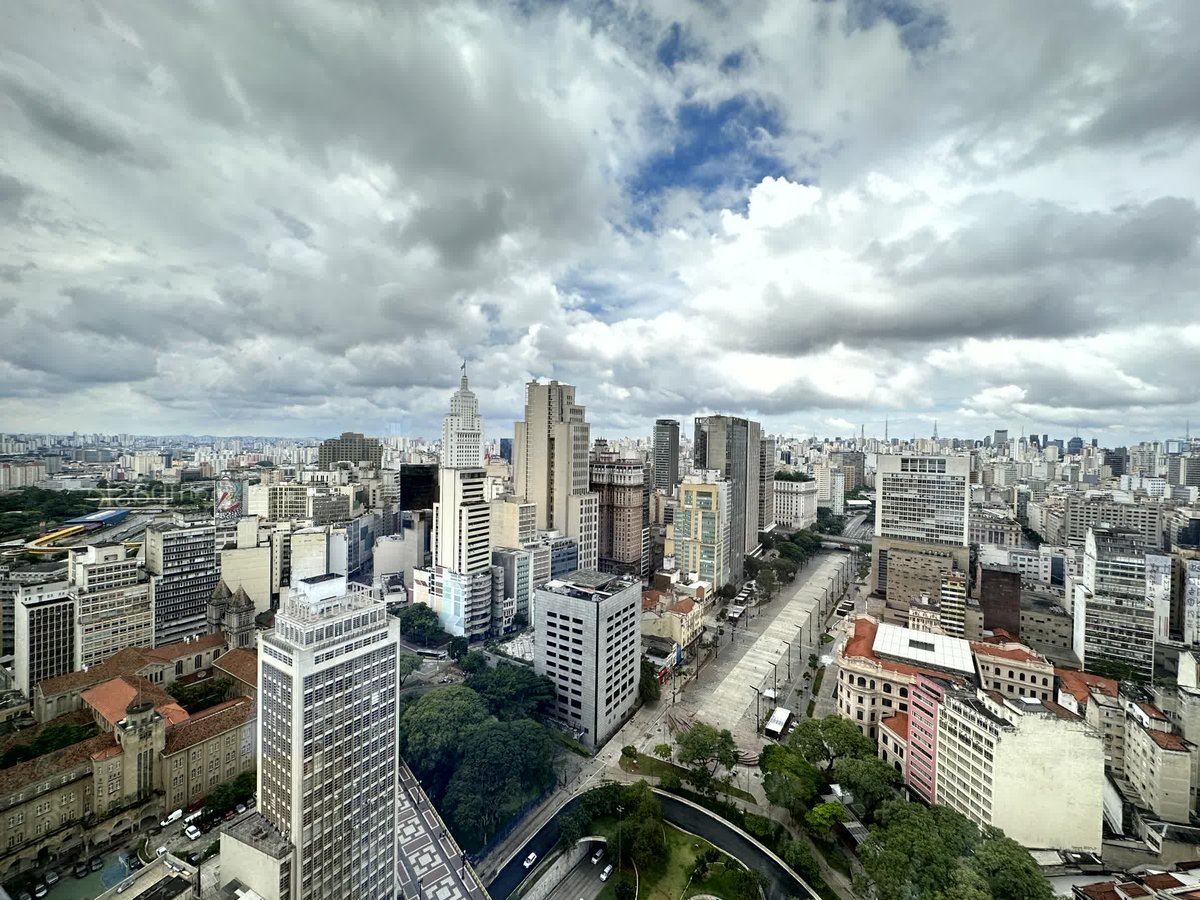
By 1935, Santo Amaro was incorporated into São Paulo, strengthening administrative and infrastructural ties. Avenida Adolfo Pinheiro emerged as a central axis, fostering dense residential, commercial, and cultural development.
The opening of the Adolfo Pinheiro metro station in 2014 on Line 5–Lilac was a turning point, enhancing connectivity to the city center and spurring further revitalization (wikipedia.org).
Major Attractions: Visiting Hours & Ticket Info
Adolfo Pinheiro Metro Station
- Hours 4:40 AM – midnight (check official site for updates)
- Tickets Single ride ~R$4.40; rechargeable Bilhete Único cards available for multi-modal travel.
Adolfo Pinheiro Square (Praça Adolfo Pinheiro)
- Hours 6:00 AM – 10:00 PM, daily
- Entry Free
- Highlights Open-air markets, community events, relaxing green spaces
Santo Amaro Historical Center
- Hours Monday–Saturday, 9:00 AM – 5:00 PM
- Entry Free; guided tours ~BRL 20, departing from metro station (advance booking recommended)
- Notable Sites Church of Santo Amaro, Casa de Cultura de Santo Amaro
Teatro Paulo Eiró
- Hours Tuesday–Sunday, events mainly in the evenings
- Tickets BRL 20–50 (discounts for students/seniors)
- Details Modernist theater hosting plays, concerts, and community events (Terra)
Parque Severo Gomes
- Hours 6:00 AM – 7:00 PM, daily
- Entry Free
- Features Walking trails, playgrounds, fitness classes, and environmental programs
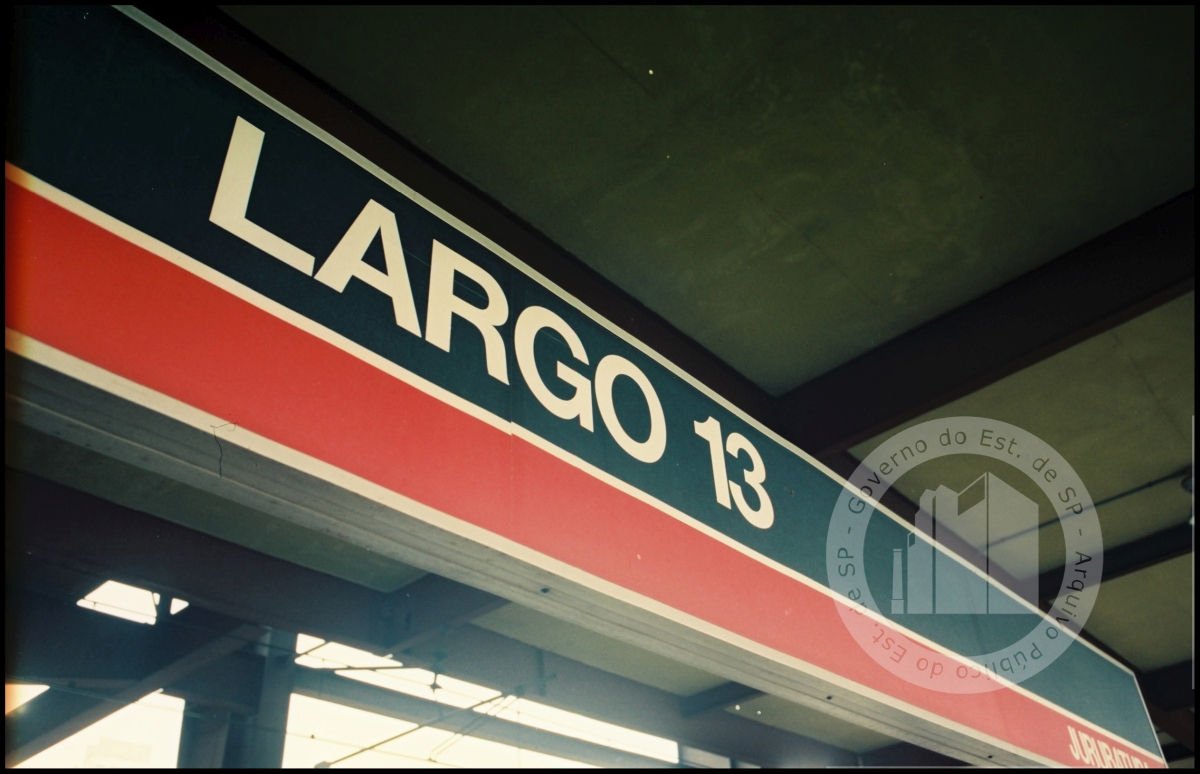
Largo 13 de Maio
- Market Hours 8:00 AM – 6:00 PM, especially lively on weekends
- Attractions Street markets, food stalls, and shopping
Accessibility & Transportation
- Metro Adolfo Pinheiro station (Line 5–Lilac) is fully accessible with elevators and tactile flooring.
- Bus Multiple lines connect to Santo Amaro, Brooklin, and Morumbi.
- Ride-sharing Uber and 99 widely available.
- Cycling Bike lanes and sharing stations along Avenida Adolfo Pinheiro.
- Parking Limited, especially during peak hours; public transport recommended (Cidesp).
Cultural Landmarks & Events
Artistic and Cultural Venues
- Teatro Paulo Eiró Over 450 seats, renowned for diverse programming.
- Centro Cultural Júlio Guerra & Casa de Cultura Manoel Mendonça Rotating exhibitions, workshops, and community programs.
- Street Art Colorful murals reflecting local identity; occasional guided tours (Blueprint Travelers).
Festivals & Nightlife
- Festa de Santo Amaro Annual celebration of local heritage with music, dance, and food.
- Virada Cultural Major citywide arts festival with performances in and around the neighborhood (Terra).
- Nightlife Samba clubs, pubs, and live music venues offer a relaxed yet lively scene (Concertful).
Gastronomy & Shopping
Food Scene
- Churrascarias Open for lunch/dinner; reservations recommended on weekends
- Padarias Fresh pastries and coffee daily, early morning to late afternoon
- International Cuisine Japanese, Middle Eastern, Italian, and more along Avenida Adolfo Pinheiro (Concerty)
- Street Food Pastel, coxinha, and other local favorites at markets and food trucks
Shopping
- Markets Feira livres (open-air markets) on Saturdays, 7:00 AM – 2:00 PM
- Shopping Centers Shopping Boa Vista and Shopping Mais Largo 13, 10:00 AM – 10:00 PM
Safety & Practical Tips
- Safety Improved lighting and police presence; usual urban caution recommended, especially at night (Xplrverse)
- Language Portuguese predominates; English spoken in some tourist spots—translation apps helpful
- Weather Pack for variable weather; umbrella and layers recommended (Brazil Offbeat)
- Payments Credit/debit cards widely accepted; carry some cash for markets
- Essential Services Banks, ATMs, pharmacies, and clinics readily available
Frequently Asked Questions (FAQ)
Q: What are the main visiting hours for attractions?
A: Most public spaces are open from early morning until evening. See individual listings for details.
Q: Are there entrance fees?
A: Most attractions are free; theater events and some guided tours require tickets.
Q: How accessible is the area?
A: Metro and public spaces are equipped for visitors with disabilities.
Q: Is Adolfo Pinheiro safe for tourists?
A: The area is generally safe, particularly during the day. Stay alert at night and use ride-sharing for late travel.
Q: How can I get around?
A: The metro is the most efficient; buses, ride-sharing, and cycling are also good options.