Location and Access
- Address Rua Maria Antônia, 258/294, Vila Buarque, São Paulo, SP
- Metro Higienópolis-Mackenzie (Line 4-Yellow), Santa Cecília (Line 3-Red)
- Bus Several lines connect the area to the city center
- Car Paid parking is available nearby
- Taxi/Ride-share Stands located close by (Centro MariAntonia)
Visiting Hours and Tickets
- Opening Hours
- Tuesday to Friday: 10:00–21:00
- Saturday, Sunday, and holidays: 10:00–18:00
- Admission
- Free entry to exhibitions and most public events
- Select workshops/courses may require registration or a nominal fee
- Check official website for up-to-date schedules and ticketing details
Historical Background
Centro Universitário Maria Antonia was originally home to the Faculty of Philosophy, Sciences, and Languages (FFCL) of USP. It quickly became a crucible of intellectual debate and progressive academic discourse in post-war Brazil. The most significant historical event associated with the site is the 1968 "Battle of Maria Antônia," a violent confrontation that underscored student resistance to Brazil’s military dictatorship and the defense of academic freedom (unabv.com.br). The memory of this event is commemorated in the center’s programming and public spaces.
Following years of neglect, the buildings were restored and repurposed in the 2000s to become a multidisciplinary center for culture and education, preserving their heritage while fostering new forms of artistic and intellectual engagement.
Architectural and Urban Significance
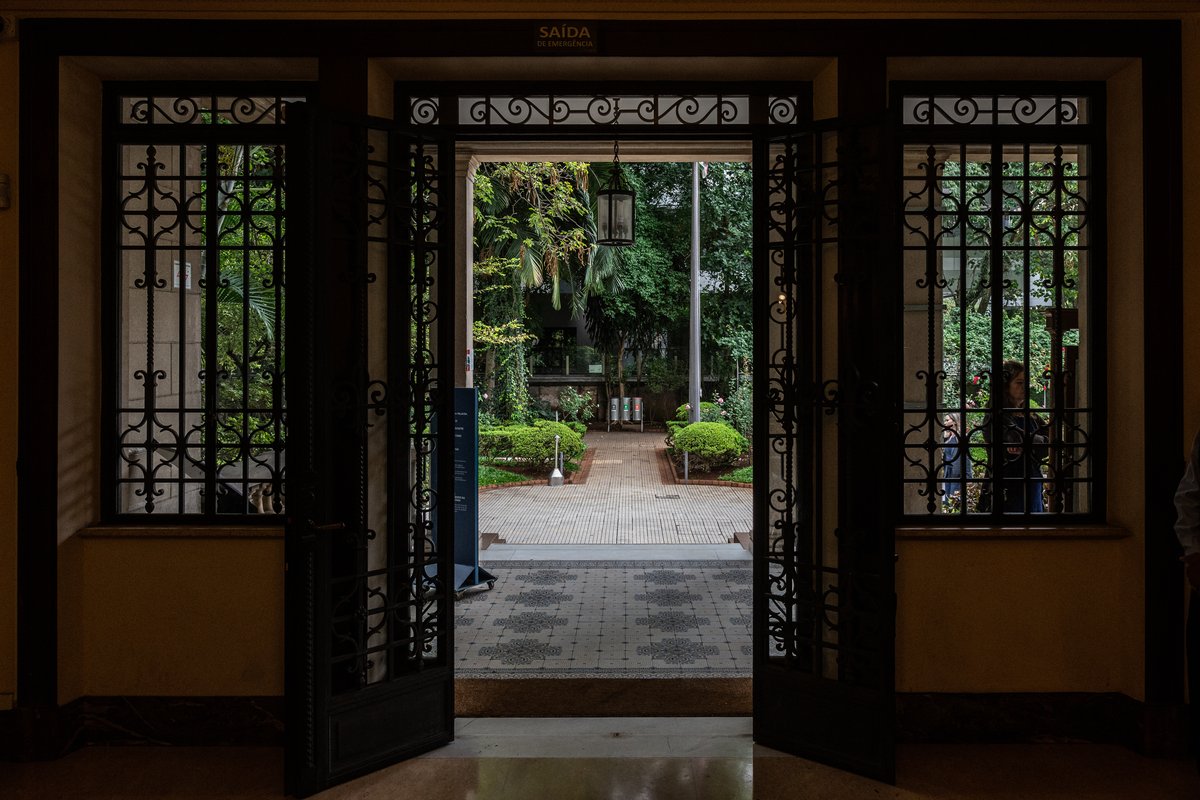
The complex comprises two principal historic buildings: Edifício Rui Barbosa and Edifício Joaquim Nabuco, both constructed in the early 20th century. Restoration by UNA Arquitetos emphasized minimal intervention and architectural transparency, preserving original features such as the central staircase and main halls while integrating new elements like plazas, ramps, and a brise-soleil façade (ArchDaily).
Public plazas and landscaped courtyards provide open, accessible spaces that blur the boundaries between the center and the city. The design ensures inclusivity and welcomes both university and broader communities, creating a vibrant urban campus.
Cultural Programming and Educational Outreach
Maria Antonia is a leading venue for contemporary art exhibitions, performances, lectures, and seminars, with a focus on themes of memory, democracy, and urban culture (prceu.usp.br). The center’s artistic programming highlights emerging and established Brazilian artists, often engaging with the site’s historical narrative.
Educational initiatives include free and fee-based short-term courses and workshops in arts, humanities, and social sciences. The Biblioteca Gilda de Mello e Souza provides a specialized academic collection, supporting research and public curiosity (biton.uspnet.usp.br).
Accessibility and Visitor Amenities
- Accessibility Ramps, elevators, and accessible restrooms in both buildings
- Amenities Wi-Fi in public areas, nearby cafés and shops, restrooms, seating areas
- Facilities Art galleries, theater, library, public plaza, multipurpose rooms
What to See and Do
- Exhibitions Rotating displays on memory, democracy, and urban culture (Exposições em cartaz)
- Courses & Workshops Public-oriented programs in arts and urban studies (Cursos de 2025)
- Events Lectures, debates, film screenings, and cultural festivals
- Photographic Spots Symmetrical main façade, landscaped courtyard, brise-soleil detail, inner plazas
- Theater Performances at the Teatro da Universidade, including open-air events
Nearby Attractions
- São Paulo Museum of Art (MASP)
- Pátio do Colégio
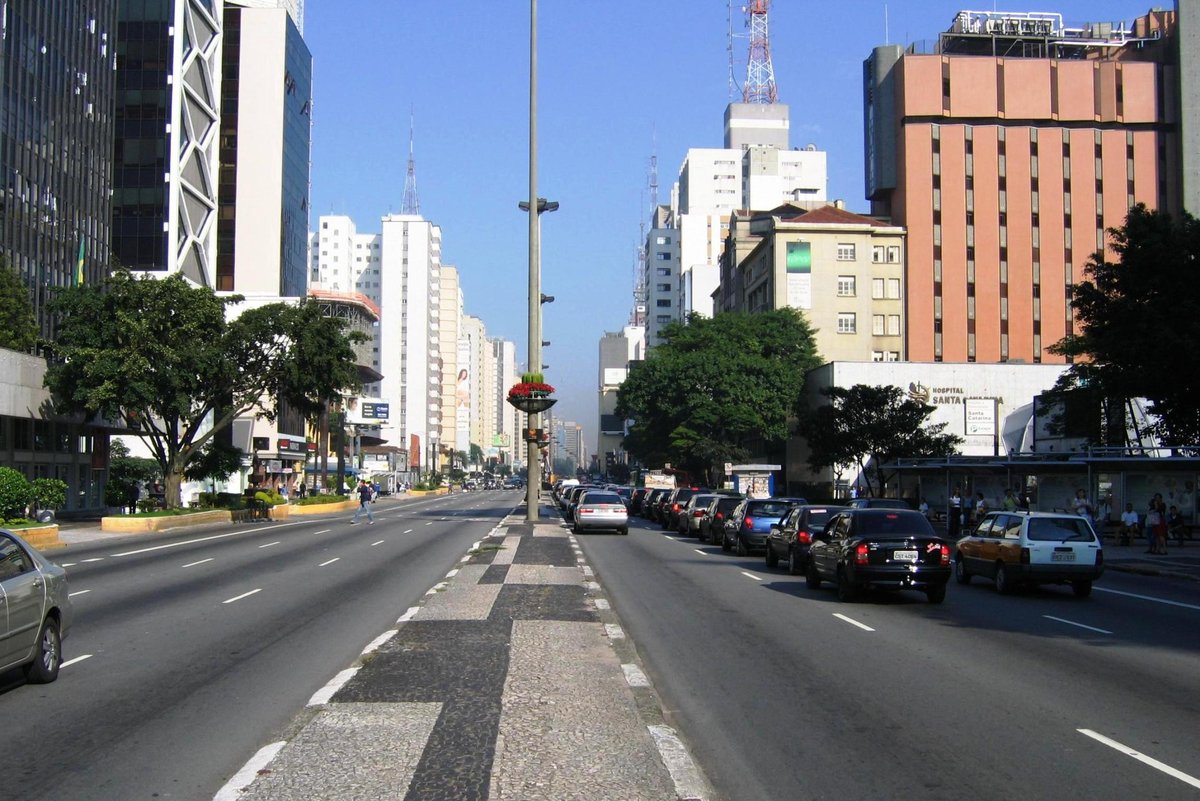
- Avenida Paulista
- SESC Consolação
- Biblioteca Monteiro Lobato
- Vila Buarque’s cafés and bookstores
(touristplaces.guide)
Frequently Asked Questions (FAQ)
Q1: What are the visiting hours?
A1: Tuesday–Friday 10:00–21:00, Saturday/Sunday/holidays 10:00–18:00.
Q2: Is there an entrance fee?
A2: Most exhibitions and events are free; certain workshops may require payment.
Q3: Is the site accessible for people with disabilities?
A3: Yes, with ramps, elevators, and accessible restrooms.
Q4: Are guided tours available?
A4: Occasional tours are offered for special exhibitions; consult the website for details.
Q5: Can I take photographs?
A5: Photography is permitted in most public areas; check for restrictions during special exhibitions.
Plan Your Visit
- Official Website prceu.usp.br/centro/maria-antonia
- Phone (11) 2648-5200 / 5202
- Email [email protected] | [email protected]
- Social Media Follow Centro MariAntonia for the latest news and events
For the most current information on exhibitions, events, and any health protocols, always refer to the official website prior to your visit.
Summary & Travel Tips
Centro Universitário Maria Antonia is a must-visit destination for anyone interested in São Paulo’s history, culture, and architectural heritage. Its carefully restored spaces, dynamic programming, and accessible design make it a model of cultural revitalization and public engagement. For a seamless visit:
- Check the website for updated hours and event details
- Plan to explore nearby attractions in Vila Buarque and central São Paulo
- Bring a camera for the site’s striking architectural features
- Take advantage of courses and workshops for an immersive experience
- Download the Audiala app for curated tours and event updates
Whether you’re a local or a traveler, immerse yourself in the ongoing story of Maria Antonia—a living testament to intellectual freedom, artistic innovation, and the enduring power of civic participation (Official Centro Universitário Maria Antonia Website; unabv.com.br; ArchDaily; VejaSP).