
History and Urban Development
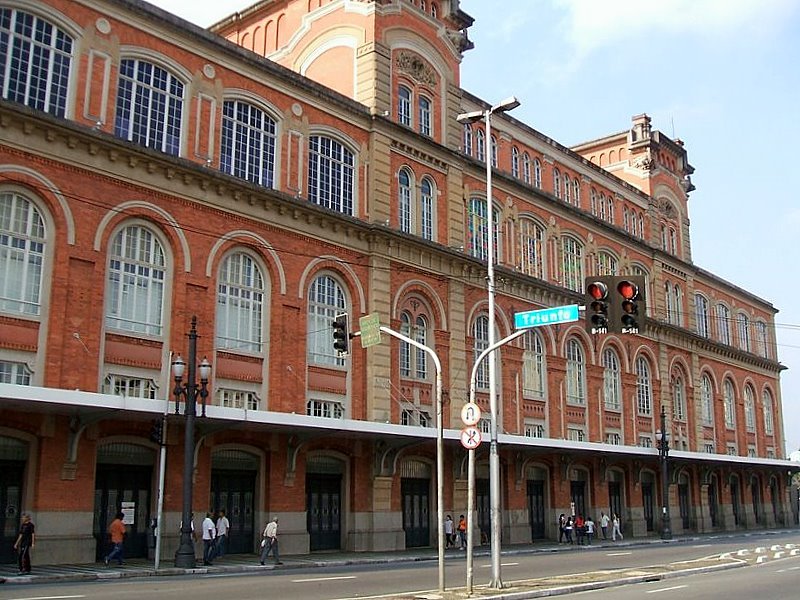
Avenida Cruzeiro do Sul was born in the early 20th century amid São Paulo’s rapid expansion northward. Originally called Avenida da Cantareira, it ran alongside the Tramway da Cantareira, which transported materials for the Cantareira water reservoirs—vital for the city’s growth (Wikipedia). The avenue was renamed in 1932 after the Southern Cross (Cruzeiro do Sul) constellation, a central symbol in Brazilian culture and identity (SP Bairros).
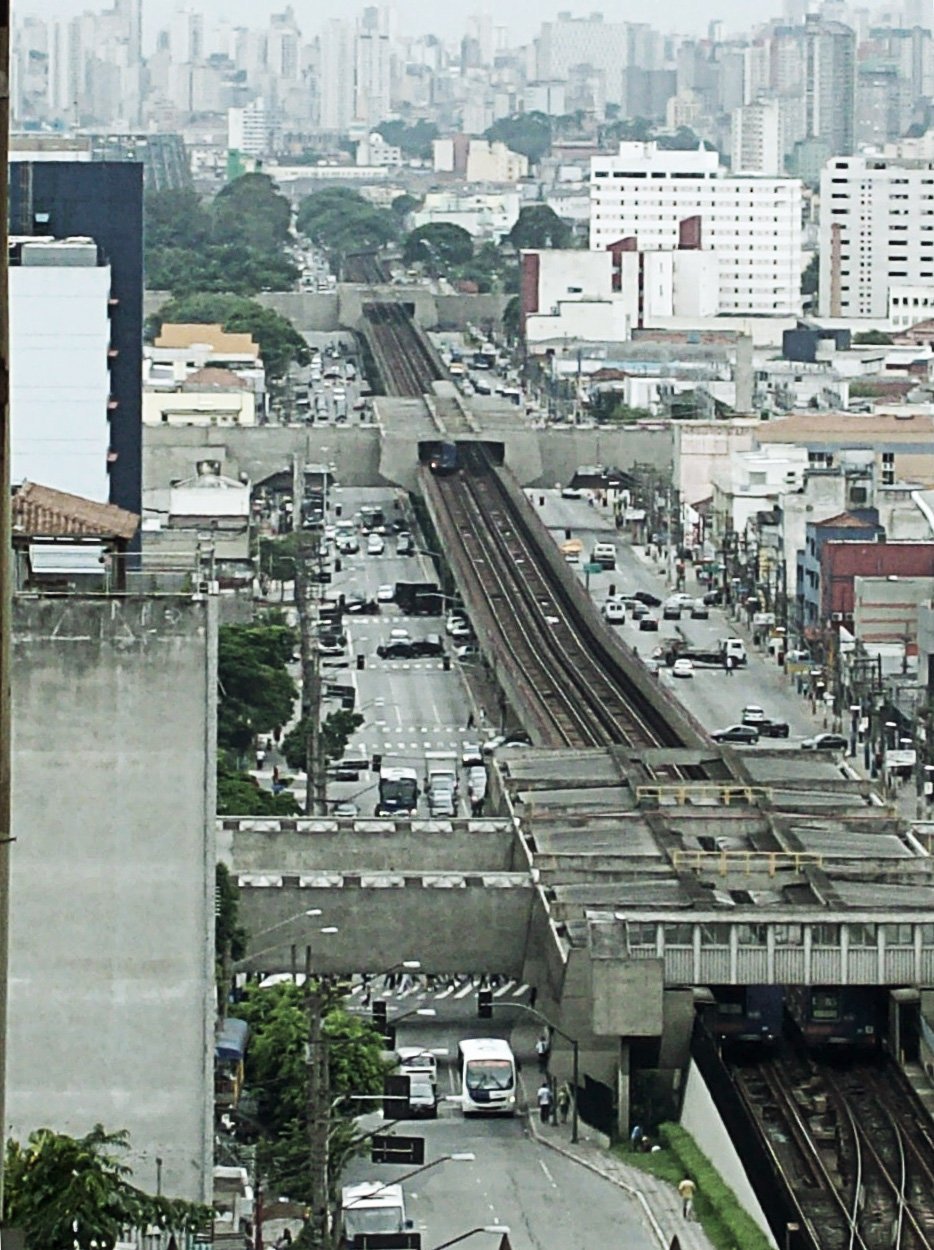
The mid-20th century saw the avenue’s transformation from a largely rural passage into a metropolitan corridor, driven by city-led urbanization and the arrival of the metro system. The elevated Line 1-Blue of the São Paulo Metro now traverses much of the avenue, with stations like Portuguesa-Tietê, Carandiru, and Santana replacing the old tramway and anchoring the avenue as a vital north-south axis (São Paulo Antiga).
Cultural and Social Significance
Avenida Cruzeiro do Sul acts as a bridge between São Paulo’s diverse neighborhoods—home to immigrant communities, bustling markets, and cultural traditions. Its name and location reflect a sense of national pride and collective memory, while its role as a connector fosters daily interactions among millions of residents. The avenue is integral to community life and is a backdrop for public art, festivals, and street markets (Wikipedia, SPTuris).
Main Attractions and Landmarks
Terminal Rodoviário Tietê
The Tietê Bus Terminal is the largest in Latin America, serving over 90,000 passengers daily and connecting São Paulo to hundreds of destinations nationally and internationally. Open from 5:00 AM to 12:00 AM, the terminal is free to enter, with bus tickets sold by operator. Inside, you’ll find shops, restaurants, and travel services (Wikipedia, Tietê Bus Terminal).
Parque da Juventude
Located on the site of the former Carandiru Penitentiary, Parque da Juventude is a symbol of urban renewal. Open daily from 6:00 AM to 10:00 PM, the park features sports courts, jogging paths, skate facilities, and the São Paulo State Library (open Tuesday–Saturday 10:00 AM–7:00 PM, Sunday 10:00 AM–5:00 PM). All are free to access (Parque da Juventude).
Armenian Community and Cultural Centers
Around the Armênia metro station, discover bakeries, restaurants, and cultural institutions celebrating Armenian heritage. Events, exhibitions, and festivals are held throughout the year, and most establishments are open daily from 8:00 AM to 8:00 PM (SPTuris).
Shopping and Commerce
The avenue boasts everything from family-run shops to modern malls, such as Shopping D (10:00 AM to 10:00 PM). You’ll find local crafts, fresh produce, and national and international retail brands (Shopping D).
Public Art and Urban Murals
Notable murals and street art are found near Carandiru and Armênia metro stations, reflecting São Paulo’s vibrant urban art scene (Destguides).
Visiting Hours and Accessibility
- Avenida Cruzeiro do Sul Open 24/7 (public thoroughfare, no tickets required)
- Parque da Juventude 6:00 AM – 10:00 PM (free)
- Metro Stations (Line 1-Blue) 4:40 AM – midnight
- Tietê Bus Terminal 5:00 AM – 12:00 AM (bus tickets vary by operator)
- Most shops and restaurants 7:00 AM – 10:00 PM
- Accessibility Major metro stations, parks, and commercial centers are wheelchair accessible, with ramps and elevators (São Paulo Metro).
Transportation and Getting There
Avenida Cruzeiro do Sul is easily reached via São Paulo Metro Line 1-Blue (stations: Armênia, Portuguesa-Tietê, Carandiru, Santana). Multiple municipal and intercity bus lines serve the avenue, with the Tietê Bus Terminal providing extensive regional and national connections (MyTravelation). Taxis and rideshare apps like Uber and 99 are widely available.
Bike lanes and sharing stations are located near major metro stops, offering an eco-friendly way to explore the area.
Safety and Practical Tips
- The avenue is generally safe during daylight; remain vigilant in crowded places.
- Use taxis or rideshare services at night, especially in less lit areas (TravelRight).
- During rush hours (7:00–10:00 AM, 5:00–7:00 PM), expect heavy traffic and busy metro stations.
- Keep valuables secure and be aware of your surroundings.
- Emergency numbers: Police 190, Tourist Police 147, Women’s Police Unit 180.
Events and Community Life
Avenida Cruzeiro do Sul hosts street fairs, food festivals, and cultural parades, especially around Parque da Juventude and the Armenian community. Larger-scale events often occur near the Anhembi Convention Center and Sambadrome, easily accessible from the avenue (Nannybag).
Gastronomy and Shopping
Sample Brazilian classics (feijoada, pastel, coxinha), Armenian specialties (lahmajoun, baklava), and other global cuisines. The avenue is dotted with bakeries, churrascarias, casual diners, and street vendors. Shopping options range from traditional markets to modern malls (Veronika’s Adventure).
Nearby Attractions
- Santana District Traditional markets, historic churches, and local events.
- Museu do Futebol A short metro ride away.
- Historic Luz district Pinacoteca de São Paulo and Museu da Língua Portuguesa (Destguides).
- Parque Ecológico do Tietê Trails and wildlife, open daily 6:00 AM–6:00 PM (Parque Ecológico do Tietê).
Frequently Asked Questions (FAQs)
Q: Are tickets required to visit Avenida Cruzeiro do Sul?
A: No, it is a public road. Tickets are only needed for bus or metro rides.
Q: What are the operating hours for Parque da Juventude?
A: Daily from 6:00 AM to 10:00 PM, free of charge.
Q: Is the avenue accessible for people with disabilities?
A: Yes, metro stations and major attractions have ramps and elevators.
Q: What is the best time to visit?
A: Mid-morning and early afternoon on weekdays. Avoid peak rush hours.
Q: Are there guided tours available?
A: Yes, local operators offer walking and bike tours featuring the avenue and surrounding neighborhoods.
Suggested Photographic Spots
- Murals near Carandiru and Armênia metro stations
- Parque da Juventude’s gardens and library
- The Tietê Bus Terminal façade and interior
- Bustling street scenes along the avenue
Image suggestion: Avenida Cruzeiro do Sul bustling street view in São Paulo (alt: "Avenida Cruzeiro do Sul bustling street view in São Paulo").