Historical Background and Urban Development
Origins and Naming
Faria Lima was inaugurated in the 1960s during São Paulo’s ambitious westward expansion, symbolizing the city’s post-war modernization. Named after a progressive mayor, the avenue began as a relatively quiet area, reflecting early urban planning efforts (Rota Dez).
Transformation and Economic Significance
From the 1970s onward, Faria Lima underwent rapid development, attracting major corporations and high-rise construction. By the late 1990s and early 2000s, the area emerged as a financial powerhouse, home to multinational banks, investment firms, and a flourishing technology sector. Today, Faria Lima is recognized as São Paulo’s premier business district and a symbol of urban sophistication (Rota Dez).
Visiting Faria Lima: Attractions, Hours, Tickets, and Tours
What to See and Do
- Skyscrapers and Modern Architecture Admire the Pátio Malzoni, Infinity Tower, E-Tower, and the innovative Google building with its public gardens.
- Cultural Institutions Visit the Instituto Tomie Ohtake for contemporary art, exhibitions, and events (Instituto Tomie Ohtake).
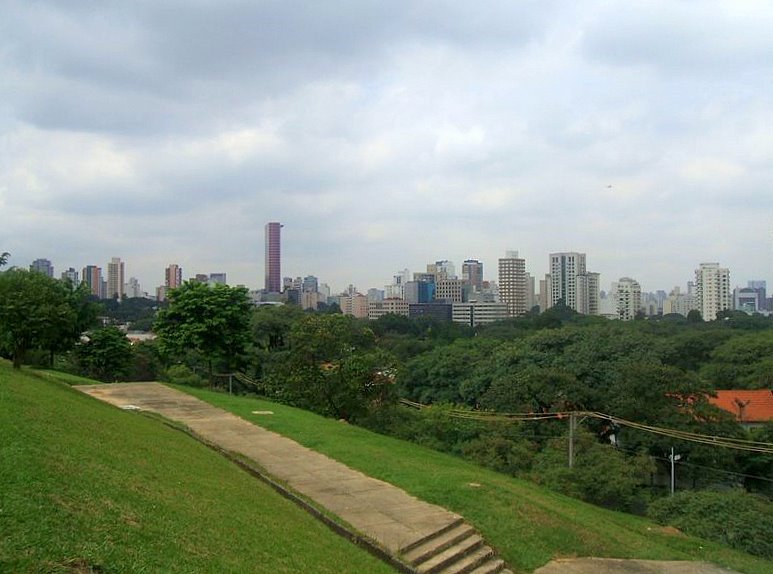
- Green Spaces Relax at Parque do Povo or Parque Villa-Lobos, perfect for walking, jogging, or cycling.
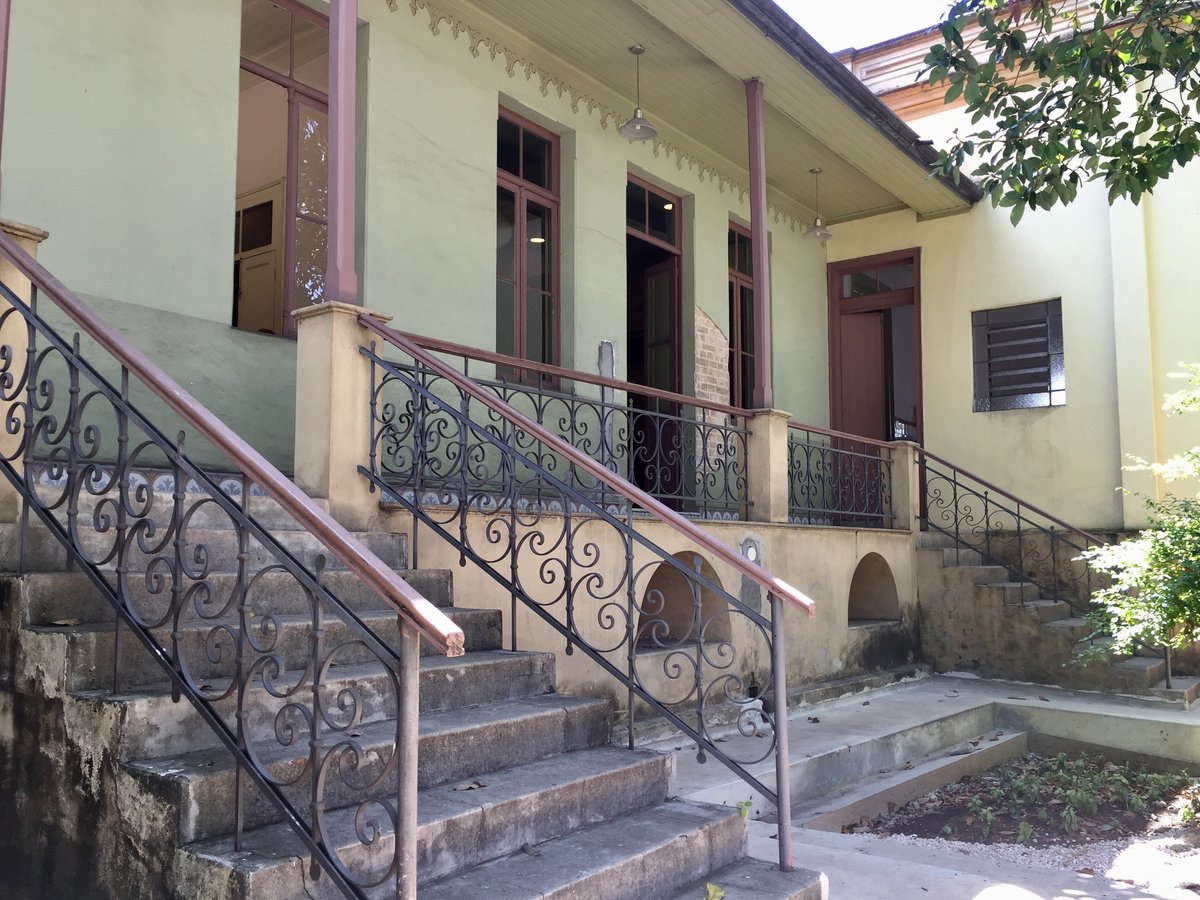
- Historic Landmarks Explore Casa Bandeirista, a rare colonial building seamlessly integrated into modern surroundings (São Paulo Secreto).
Visiting Hours and Ticket Information
- Faria Lima Avenue Open 24/7; there are no entrance fees.
- Instituto Tomie Ohtake Typically open from 10:00 AM to 7:00 PM; tickets may be required for certain exhibitions.
- Parks Generally open between 5:00 AM and 8:00 PM.
- Restaurants and Bars Most operate from 11:00 AM to 11:00 PM, with some rooftop venues extending later into the night.
Guided Tours
Several agencies offer walking and cycling tours focusing on Faria Lima’s architecture, contemporary art, and culinary scene. These tours provide valuable context and help visitors discover lesser-known gems.
Transportation and Accessibility
- Metro Faria Lima station (Line 4-Yellow) delivers direct, fast access to the avenue.
- Buses Numerous rapid bus lines serve Faria Lima, with frequent service but peak-hour crowding.
- Bike Lanes Dedicated lanes connect Faria Lima with adjacent districts; Bike Sampa sharing stations are widely available.
- E-Scooters and Shared Mobility Popular for short trips and connecting to nearby offices or dining spots.
- Parking Available in commercial buildings and malls, though public transport is recommended due to traffic.
- Accessibility The area includes wide, accessible sidewalks, pedestrian crossings, and public facilities.
Socioeconomic Dynamics and Urban Identity
Faria Lima’s development has brought both economic opportunity and social challenges. While it is a symbol of ambition and prosperity, the avenue also highlights urban contrasts—luxury towers stand alongside visible homelessness, sparking ongoing debate about inclusion and equitable development (Metrópoles). The "Faria Limers"—young professionals in finance and tech—shape the area’s cosmopolitan and innovative spirit (Mobilidade360).
Ongoing Developments and Future Prospects
Faria Lima is at the forefront of urban innovation, with smart city initiatives, sustainable building practices, and preparations for advanced mobility solutions such as eVTOL (electric vertical takeoff and landing) aircraft. Funds from urban development programs (like CEPAC auctions) are directed toward infrastructure and neighboring community improvements.
Culture, Leisure, and Gastronomy
Urban Culture and Nightlife
The avenue’s social scene is shaped by rooftop bars (e.g., Baleia Rooftop), lounges, and stylish pubs, many hosting networking events and cultural gatherings (Exame). Public art, pop-up galleries, and curated collections within corporate spaces enrich the urban ambiance.
Parks and Outdoor Activities
Parque do Povo and Parque Villa-Lobos offer excellent settings for outdoor recreation, from jogging to cycling to picnicking. The cycleway, upgraded in 2020, connects with the Bike Sampa system and supports a sustainable lifestyle (Mobilidade360).
Gastronomy
Faria Lima is a culinary hotspot, boasting upscale and diverse dining:
- Noma Sushi Contemporary Japanese cuisine and rooftop dining (Exame).
- Gero Classic Italian at Hotel Fasano São Paulo Itaim (Exame).
- Trattoria Fasano Southern Italian flavors with handmade pastas (Exame).
- Dasian Asian fusion in a trendy setting.
- Quincho Vegetarian and vegan offerings in nearby Pinheiros (Crônicas da Surdez).
Events and Festivals
Faria Lima regularly hosts corporate gatherings, product launches, food festivals, and art markets. Its proximity to Vila Madalena and Jardins further enhances its cultural vibrancy (Next Stop Brazil).
Practical Visitor Tips
- Best Time to Visit Weekdays for business buzz; evenings and weekends for restaurants, bars, and leisure activities.
- Getting Around Use Metro Line 4-Yellow or Bike Sampa for convenience and sustainability.
- Safety Generally safe, especially during business hours—exercise typical urban precautions at night (Miss Tourist).
- Dress Code Smart casual is recommended for most venues.
- Reservations Book ahead for popular restaurants and rooftop bars.
Frequently Asked Questions (FAQ)
Q: Is Faria Lima open to the public and are there entrance fees?
A: The avenue itself is always open and free to access; some attractions or guided tours may require tickets.
Q: How accessible is Faria Lima for people with disabilities?
A: Wide sidewalks, accessible crossings, and public transport make it accommodating for all visitors.
Q: Are guided tours available?
A: Yes, several operators offer walking and cycling tours focused on architecture, history, and gastronomy.
Q: Can I rent a bike in the area?
A: Yes, Bike Sampa stations are conveniently located throughout the district.
Q: What are the must-see attractions?
A: Key highlights include the Instituto Tomie Ohtake, Pátio Malzoni, Parque do Povo, Baleia Rooftop, and Casa Bandeirista.
Summary and Recommendations
Avenida Brigadeiro Faria Lima represents São Paulo’s transformation into a global city—blending financial might, cultural diversity, and urban innovation. Visitors can explore striking architecture, diverse dining, vibrant nightlife, and lush green spaces, all while experiencing the unique energy of the "Faria Limers." The avenue’s evolution also invites reflection on urban challenges and sustainability, positioning it as a model for inclusive growth and modern living.
For an optimal experience, consider guided tours, plan visits to coincide with local events, and use sustainable transport options. Download the Audiala app for personalized recommendations, and check official links for the latest updates before your visit. Don’t miss the opportunity to immerse yourself in São Paulo’s economic and cultural pulse (Rota Dez, Mobilidade360, Exame).