Historical Evolution of Bela Vista
Early Settlement and Multicultural Roots
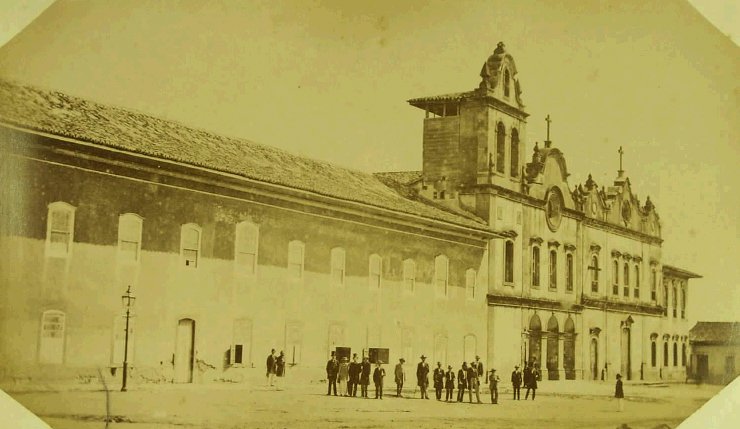
Bela Vista’s story began in the late 19th century as a melting pot for freed African-Brazilians, Native Brazilians, Portuguese descendants, and European immigrants—especially Italians. By the early 20th century, the Italian community had become the dominant cultural force, leaving a lasting imprint on the district’s restaurants, architecture, and festivals. Annual celebrations like the Festa de Nossa Senhora Achiropita each August draw thousands to the neighborhood and reinforce its Italian-Brazilian identity (Wikipedia; Caffeinated Excursions).
Urban Development and Socioeconomic Shifts
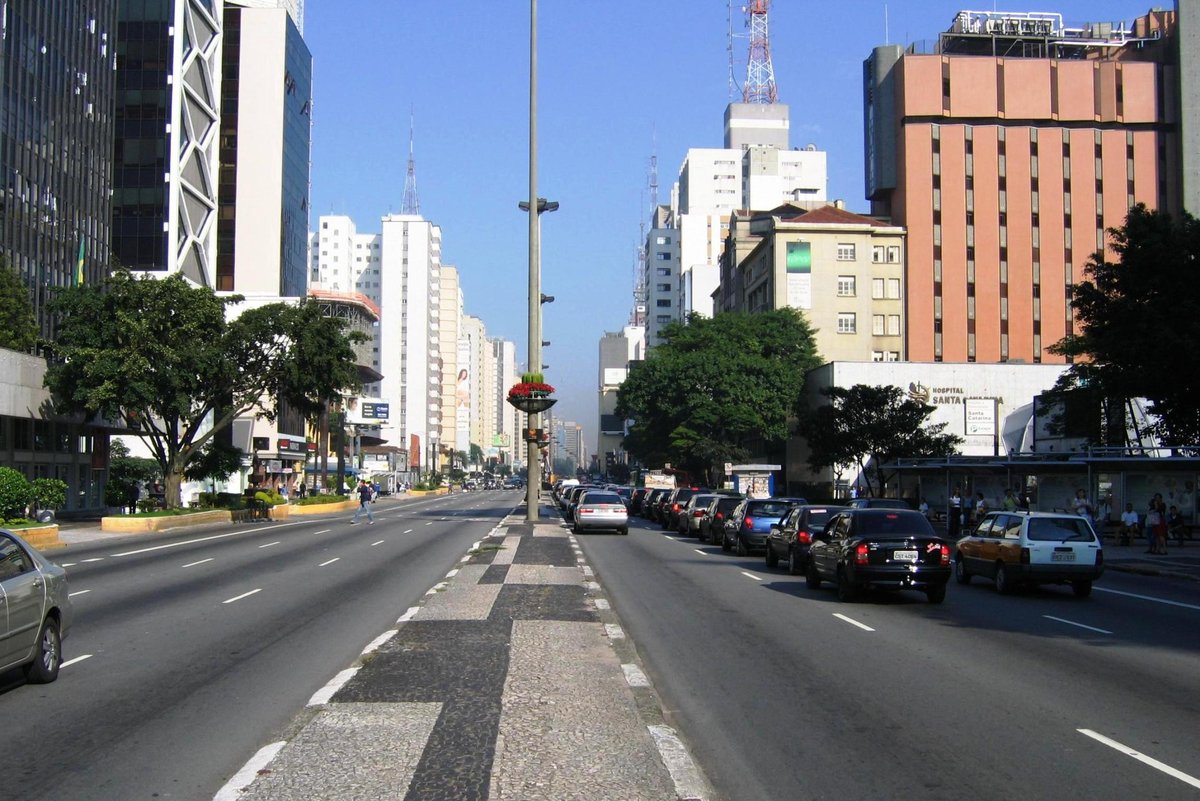
Bela Vista’s proximity to central São Paulo and Avenida Paulista catalyzed its mid-20th-century urban development, with high-rises, shopping centers, and cultural institutions proliferating. Despite changes and some urban challenges, Bela Vista has preserved its bohemian spirit, remaining a hub for students, artists, and young professionals. Important educational institutions like Fundação Getulio Vargas further cement its role as a center of learning and innovation (Wikipedia).
São Paulo Metro and Urban Mobility
Metro Origins and Expansion
To meet the demands of rapid urbanization, São Paulo inaugurated its metro system in the 1970s, connecting distant neighborhoods to the city center and alleviating congestion (MetroEasy). The network now spans over 80 kilometers, transporting millions daily.
Impact of Line 6-Orange
The upcoming Line 6-Orange—dubbed the “University Line”—is set to further transform São Paulo’s urban mobility. Upon completion in 2026, it will connect the north and central city, with a new Bela Vista station providing direct access to key cultural, educational, and gastronomic sites. This line is projected to serve over 600,000 passengers daily, dramatically cutting commute times (São Paulo Secreto).
Metro Visiting Hours & Ticketing
- Operating hours 4:40 AM to midnight (Sunday–Friday); until 1:00 AM on Saturdays.
- Ticket price R$4–5.20 (approx. US$1.25) per ride; tickets sold at station kiosks; Bilhete Único cards offer discounts for frequent users.
- Bicycles Permitted during off-peak hours; up to four bikes per train in the last carriage.
- Accessibility All stations, including Bela Vista, feature elevators, tactile flooring, and are wheelchair-friendly (MetroEasy).
Integration with the City
Line 6-Orange will seamlessly integrate with existing metro lines and bus terminals, boosting access to neighborhoods such as Liberdade, Consolação, and Perdizes, as well as educational and medical facilities (São Paulo Secreto).
Bela Vista Metro Station: Visiting Hours & Ticket Info
Key Information
- Location Near Avenida Paulista, MASP, Rua Treze de Maio, and major theaters.
- Operating hours 4:40 AM–midnight; extended to 1:00 AM on Saturdays.
- Tickets Available via machines or staffed counters; Bilhete Único card recommended for multiple trips.
Nearby Landmarks and Cultural Institutions
- São Paulo Museum of Art (MASP) Open Tue–Sun, 10 AM–6 PM (Thu until 8 PM). Tickets: R$50; free on Tuesdays (MASP Official Site).
- Avenida Paulista Walkable, vibrant, and pedestrian-only on Sundays 10 AM–6 PM (Next Stop Brazil).
- Theaters Teatro Sérgio Cardoso and Teatro Renault feature varied programs; check box offices for ticketing.
- Festa de Nossa Senhora Achiropita Held in August, free street access; some paid events and dining (Caffeinated Excursions).
Key Attractions & Experiences
Theatres & Performing Arts
- Renault Theater (Teatro Renault) Major musicals and productions; tickets R$50–R$200.
- Teatro da Imprensa Diverse programming; tickets via venue or online.
Religious & Community Sites
- Paróquia Nossa Senhora Achiropita Open daily 7 AM–7 PM; centerpiece of the annual festival.
Culinary Experiences
- Rua Treze de Maio & Rua Rui Barbosa Italian cantinas, bakeries, gelaterias, and live music venues.
- Notable eateries Cantina Roperto, Cantina Mamma Celeste, Padaria Italianinha.
Street Art & Photo Spots
- Escadaria do Bixiga Vibrant murals and a favorite for photographers.
- Villa Távola Art exhibitions and workshops.
Proximity to Major Attractions
- Paulista Avenue Museums, shopping, and cultural events.
- Parque Trianon Green oasis adjacent to MASP.
- Casa das Rosas Poetry and literature center.
Accessibility & Practical Tips
- Metro & Venue Accessibility Elevators, tactile flooring, and wheelchair access are standard.
- Walking Bela Vista is compact and best explored on foot; some streets are cobblestoned.
- Public Transport Metro lines 2-Green (Brigadeiro, Trianon-MASP), 1-Blue (São Joaquim), and upcoming Line 6-Orange serve the area.
- Airport Access Metro connects to airport buses at key stations.
- Language Portuguese is predominant; English and Italian spoken in tourist areas.
Safety, Customs, and Travel Advice
- Safety Generally safe during the day, especially near Avenida Paulista and main attractions. Use ride-hailing apps at night and keep valuables secure during festivals.
- Local Etiquette Dress smartly, respect local customs, and be mindful during religious festivals.
- Best Times to Visit August (Festa da Achiropita), weekends for lively atmosphere, weekdays for quieter exploration.
- Weather São Paulo has a humid subtropical climate; pack an umbrella and comfortable shoes.
Frequently Asked Questions (FAQ)
Q: What are the visiting hours for the Bela Vista metro station?
A: 4:40 AM–midnight (Sun–Fri), until 1:00 AM on Saturdays.
Q: How much is a metro ticket?
A: Around R$4–5.20 per ride; Bilhete Único cards offer discounts.
Q: Is the metro station accessible?
A: Yes, with elevators, ramps, and tactile flooring.
Q: Are there free days for MASP?
A: Admission is free on Tuesdays.
Q: When is the Festa de Nossa Senhora Achiropita?
A: Every August, with events mostly in the evenings.
Q: Can I bring a bicycle on the metro?
A: Yes, during off-peak hours with restrictions.
Q: Is Bela Vista safe for solo travelers?
A: Yes, especially during the day. Exercise standard urban caution at night.