Historical Background: Backgammon in Armenia
Backgammon, or "Nardi," has ancient roots in Armenia, with influences from Mesopotamian and Persian civilizations. Armenia’s strategic Silk Road position helped spread and popularize the game, which became embedded in daily life across all social strata. Medieval manuscripts and folk tales reveal its longstanding role in Armenian society (Wikipedia).
During difficult periods—foreign domination, the Armenian Genocide, and the Soviet era—backgammon remained a vital social anchor. Soviet public spaces often featured backgammon tables, fostering camaraderie and resilience. The game also appears frequently in Armenian art and literature, symbolizing fate, strategy, and life’s unpredictability (Exutopia).
The Player of Backgammon Monument: Artistry and Symbolism
Conceptualization and Creation
The monument was conceived in the early 2000s as a student-led project at the Yerevan State Institute of Theatre and Cinema, under the mentorship of Ruben Jaghinyan. Sculptor Edward Shakhikian brought the vision to life in bronze, selecting a central location—Gevorg Kotchar Street, near the Hrachya Ghaplanyan Drama Theatre—for maximum public engagement (allinnet.info, visityerevan.am, dbpedia.org).
Artistic Details
The life-size statue portrays a man deeply focused on a backgammon game. The naturalistic style, detailed game board, and simple setting evoke the everyday reality of Yerevan’s parks. An empty seat opposite the player encourages interaction—visitors can sit, pose for photos, or imagine joining the game. The monument’s ground-level placement and realistic depiction invite everyone to engage with this slice of Armenian life (allinnet.info).
Bronze was chosen for its durability and ability to capture fine details, while the monument’s approachable scale and informal attire symbolize the universal, democratic nature of the tradition (visityerevan.am).
Cultural Resonance
Backgammon is a living tradition in Armenia, played in homes, parks, and teahouses. The monument stands as a testament to communal leisure and generational bonding, elevating an everyday custom to the status of public art and heritage (allinnet.info).
Practical Visitor Information
Location and Access
- Address Gevorg Kotchar Street, near Hrachya Ghaplanyan Drama Theatre, Kentron district, central Yerevan
- Getting There Easily reachable by foot, taxi, or public transport. The area is pedestrian-friendly and close to Republic Square (visityerevan.am).
Visiting Hours & Tickets
- Hours Open 24/7, year-round, as an outdoor public monument
- Admission Free, no tickets required
Accessibility
- Wheelchair Access The area is flat and paved, suitable for visitors with limited mobility
- Nearby Facilities Public restrooms, benches, shaded areas
Guided Tours & Photography
- The monument is included in many city walking tours.
- Visitors are encouraged to photograph and interact with the sculpture, especially in the golden hour for optimal lighting.
- QR codes on nearby plaques, as well as mobile apps, provide additional information for self-guided visits.
Travel Tips
- Visit during daylight for the best experience and safety, ideally between 8:00 AM – 9:00 PM.
- May–September is ideal for pleasant weather and vibrant street life (Travellers Worldwide).
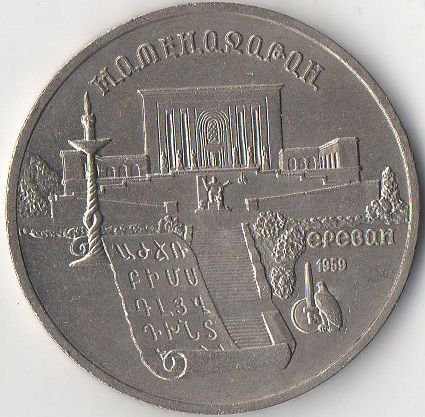
- Combine your visit with nearby attractions like Republic Square, Vernissage Market, Matenadaran, and the Cafesjian Center for the Arts (trek.zone).
Visitor Experience
Atmosphere & Interactivity
The monument is a lively social hub, especially on weekends and during festivals. The surrounding area often features real backgammon games, inviting visitors to observe or join. Locals are generally welcoming and happy to teach newcomers the rules, fostering genuine cultural exchange.
Language, Safety, and Etiquette
- Language Armenian is official, but English and Russian are widely spoken.
- Safety Yerevan is considered safe, but standard urban precautions apply (Travellers Worldwide).
- Etiquette No dress code, but modest attire is appreciated when nearby religious sites. Comfortable walking shoes are recommended.
Amenities and Souvenirs
- Cafes, restaurants, and Wi-Fi are within a five-minute walk.
- Street vendors and shops sell handcrafted backgammon sets and other local crafts, supporting Armenian artisans.
Events & Local Activities
The monument area comes alive during citywide festivals such as Yerevan Wine Days in May and Bread in the Mountains Festival in June (thecascadetravel.com). These events are great opportunities to immerse in local culture.
Frequently Asked Questions (FAQ)
Q: What are the visiting hours for the Player of Backgammon Monument?
A: Open 24/7, year-round, as an outdoor public artwork.
Q: Is there an entrance fee or need for tickets?
A: No, it is free to visit.
Q: Is the monument accessible for wheelchairs?
A: Yes, the area is flat and paved.
Q: Can I play backgammon nearby?
A: Yes, locals often welcome visitors to watch or join games, especially in the evenings.
Q: Are guided tours available?
A: Yes, many city walking tours include the monument, or you can visit independently using QR codes and mobile apps.