Place
Armenia Updated Apr 2026
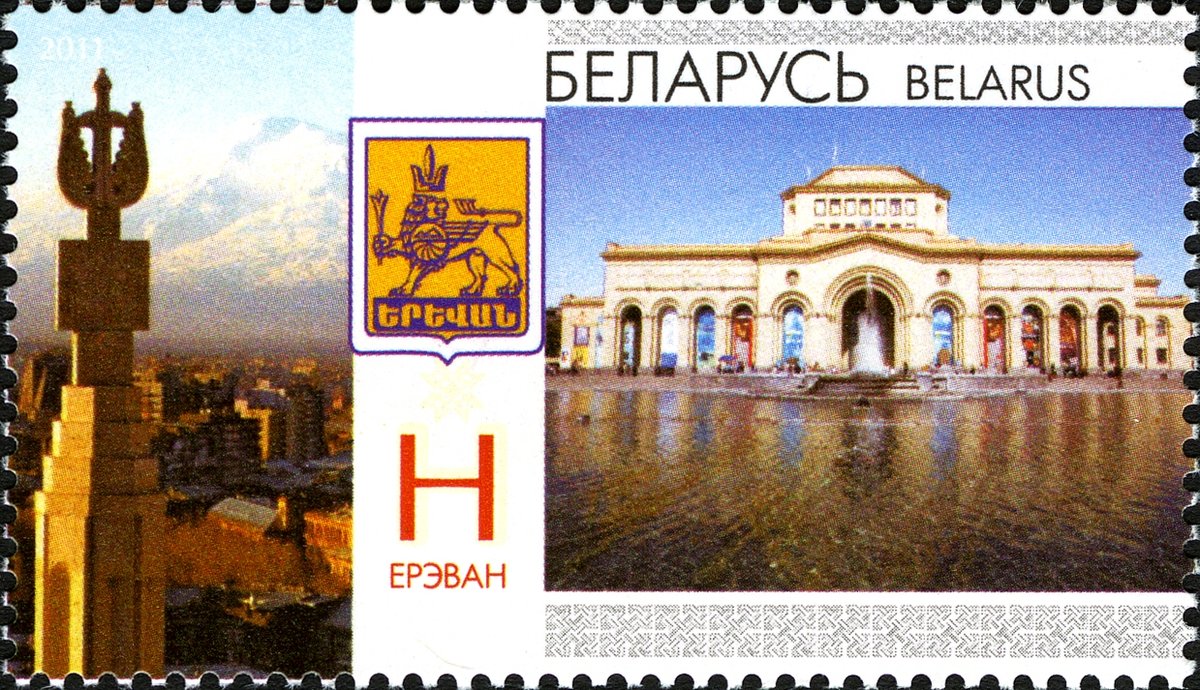
The scent of tarragon soda drifts across a square paved with volcanic tuff that blushes salmon at sunset, and somewhere a fountain starts to pulse in time with Khachaturian. Yerevan, Armenia, feels like a city that rehearsed being old but decided to stay young: 2,805 years on the clock, yet the cafés are still full at 2 a.m. and the chess pieces click like metronomes under plane trees.
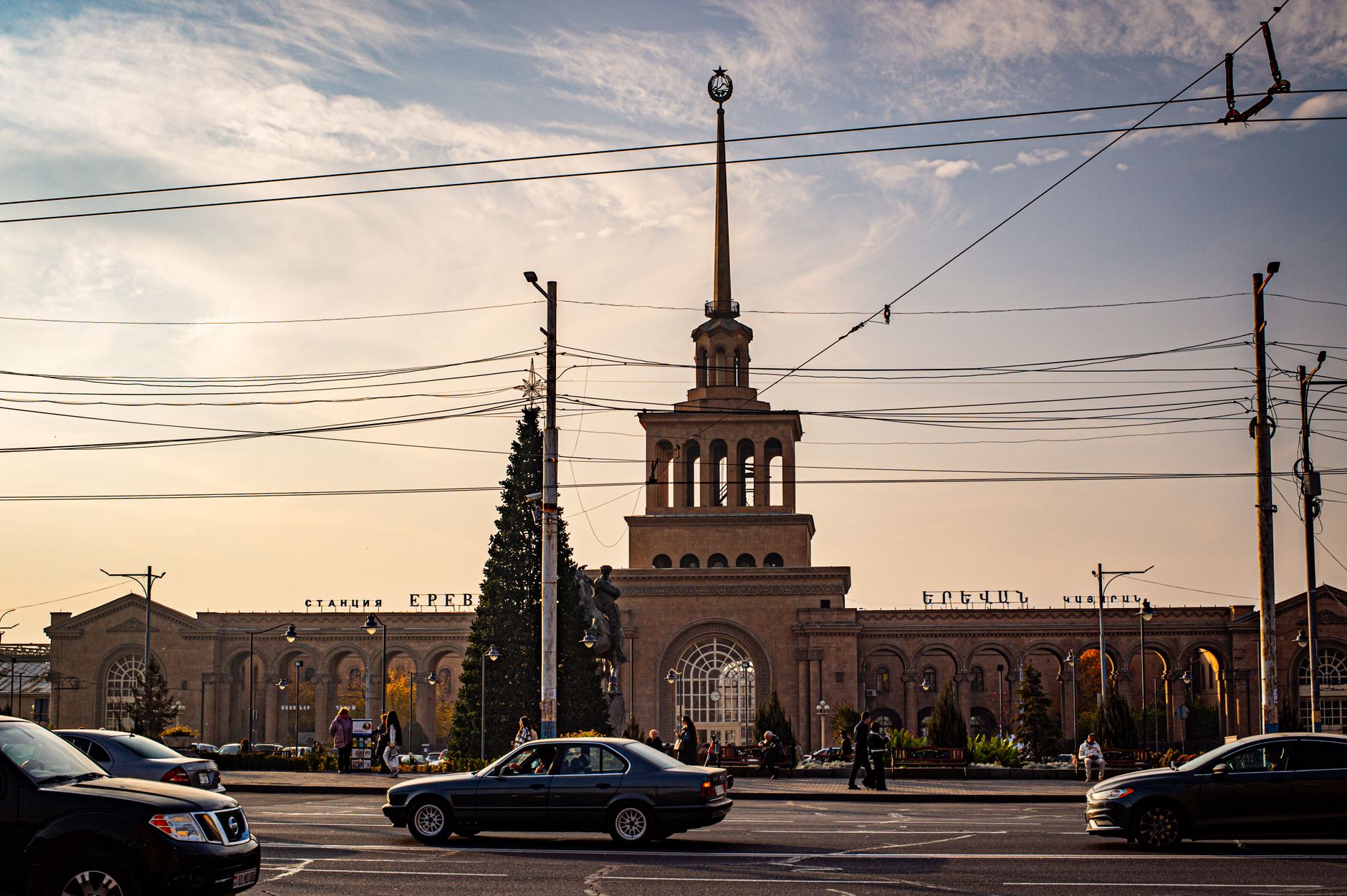 Photo: Oleksiy Konstantinidi,🌻🇺🇦🌻 / Pexels
Built from cited sources · see the method · How we make our guides →
Alexander Tamanyan’s 1924 master plan turned Erebuni’s fortress ridge into a pink-stone amphitheatre of Neo-classical façades, but the Soviets slipped in raw concrete ribs—Cinema Rossiya’s twin peaks, the Demirchyan Complex’s four steel vertebrae—so the skyline argues with itself in the best possible way. Between the arguments, residents have installed a third voice: third-wave espresso bars inside 19th-century courtyards, jazz trios in old textile plants, wine poured from amphorae that never left the cellar.
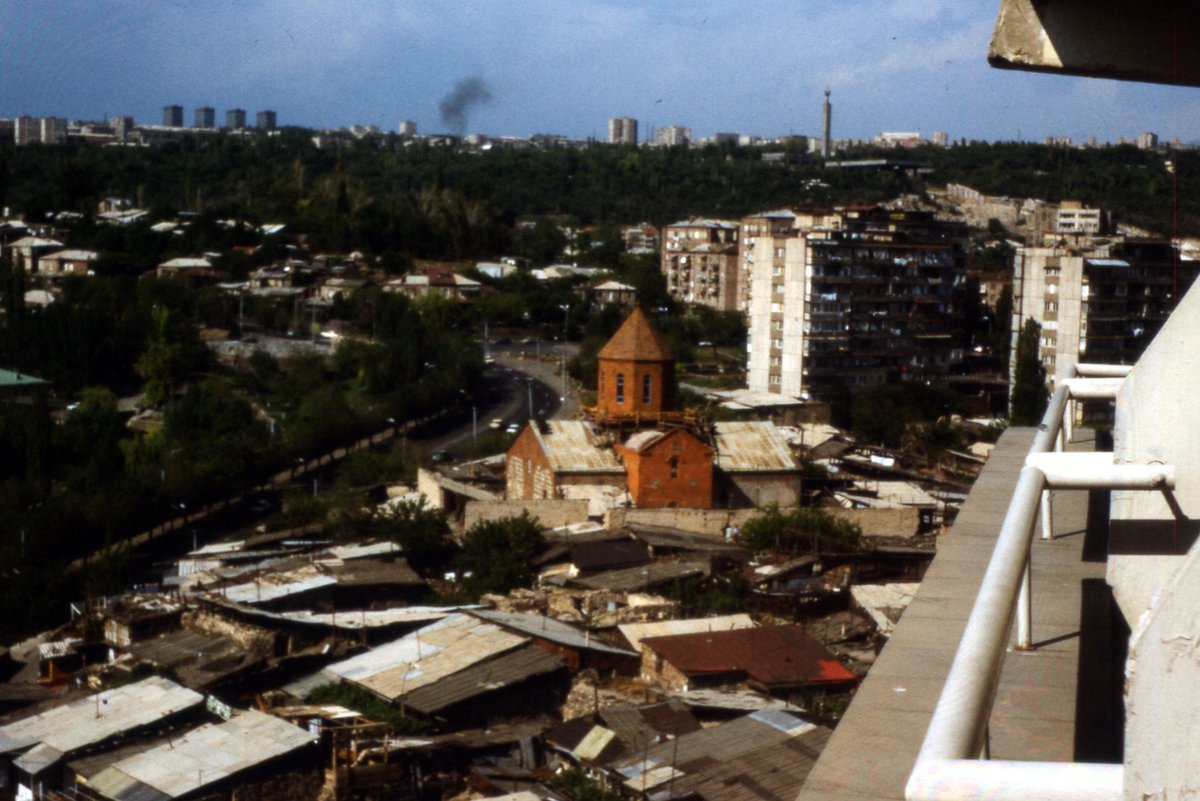
Come for the record—older than Rome, younger sounding every year—but stay for the scale. Everything worth seeing sits inside a 3-km diamond: 572 Cascade steps, 12 basalt slabs at Tsitsernakaberd, 1,260-year-old Katoghike chapel squeezed between brutalist panels. Walk fifteen minutes in any direction and the city ends abruptly in apricot orchards or Mount Ararat floating like a mirage across the border. The miracle is that Yerevan lets you feel time stacking vertically instead of stretching horizontally—yesterday, tomorrow and right now served on the same mezze plate.
Not every monument, just the ones we'd walk you past ourselves.
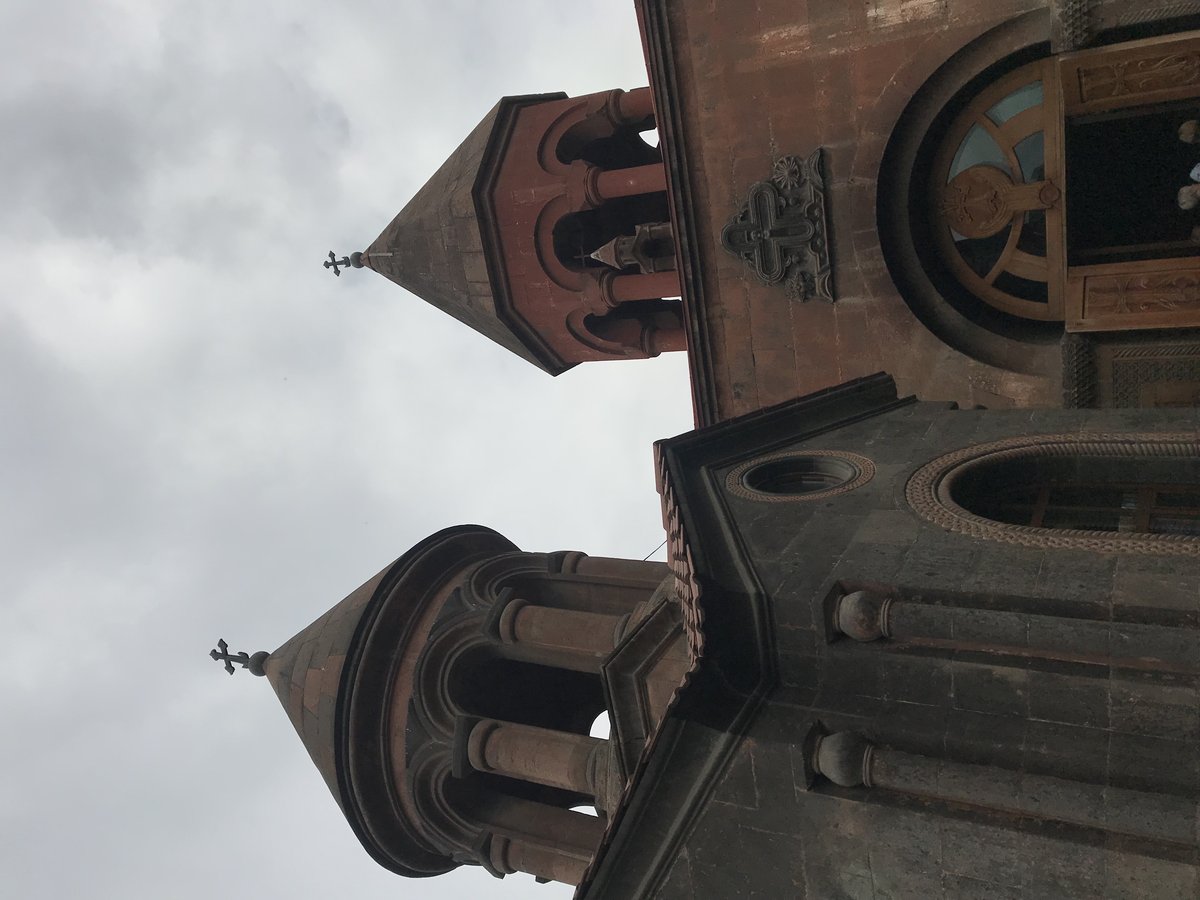
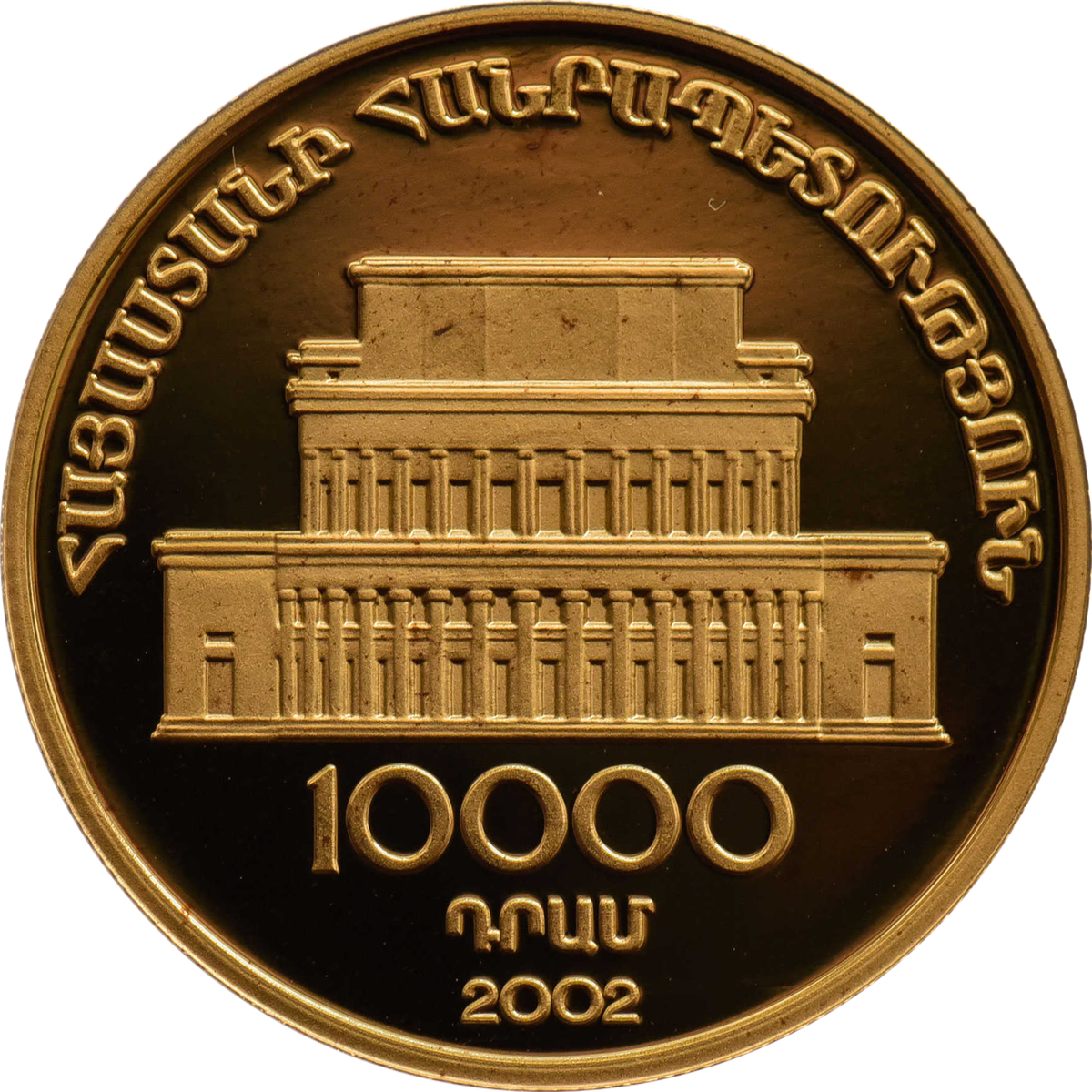
Where to wander, by quarter — each with its own rhythm.
Before you go
Curated from places in this city. Same price as official sites.


Prices shown are indicative — final pricing and availability are confirmed at checkout. Audiala may receive a commission from bookings made via these links.
From Urartian fortress to Velvet Revolution, the city that refuses to disappear
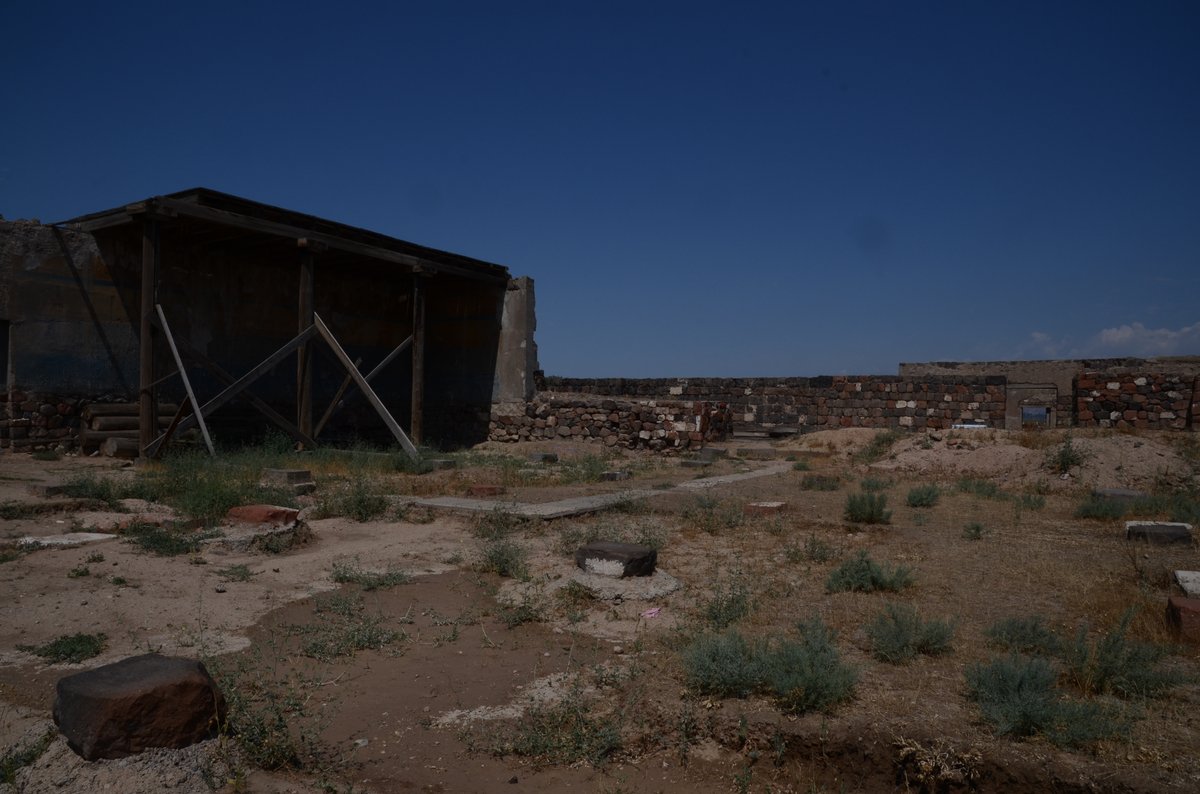
King Argishti I carved his name into basalt at Arin Berd hill, commanding the construction of Erebuni fortress to guard Urartu's southern frontier. The cuneiform inscription still whispers across 2,800 years: 'By the greatness of Khaldi, I built this fortress.' The pink tuff stone he chose would become the city's signature. Yerevan's birth certificate is written in stone.
King Tiridates I restored the Garni fortress overlooking the Ararat plain, erecting a Greco-Roman temple that would outlast empires. The ionic columns rose defiantly against Armenian sky, a declaration that this land could absorb Persian, Roman, and Parthian influences without losing itself. The temple still stands 30 kilometers from modern Yerevan, its pink columns catching dawn light like ancient spotlights.
The ground convulsed at dawn, reducing three-quarters of Yerevan's mud-brick houses to rubble in 37 seconds. The medieval bazaar vanished. The Garni temple collapsed. Survivors described the Ararat plain rippling like water, the air thick with pink dust from shattered tuff buildings. Rebuilding took a generation, but the earthquake's fault lines still determine which streets bend and which run straight.
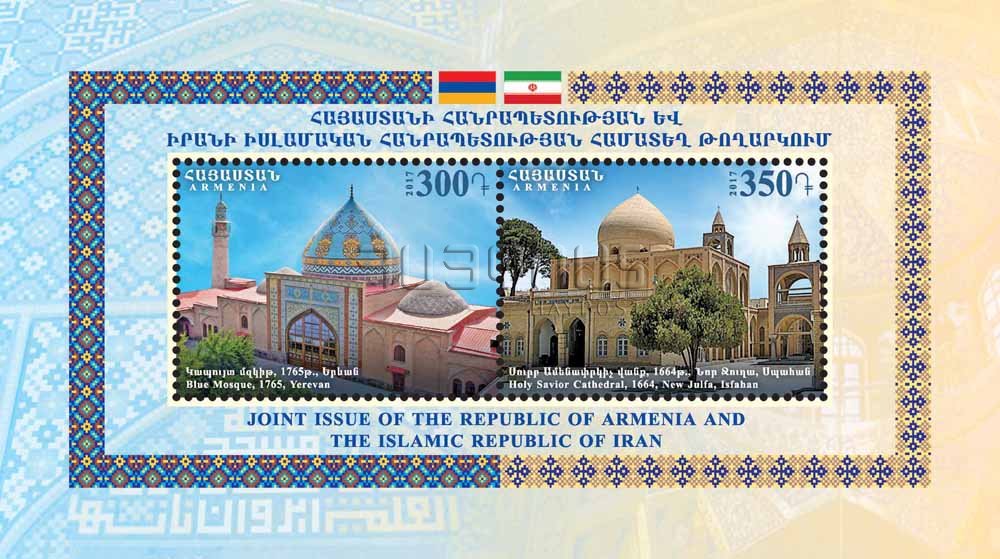
The only surviving mosque in Yerevan opened its turquoise dome to Persian worshippers during the city's brief flowering under Safavid rule. Built by Huseyn Ali Khan, its walls echo with the last calls to prayer before Russian conquest would silence them. The mosque would survive Soviet secularism by becoming a museum, its minarets standing as lonely sentinels over a city that had forgotten their language.
General Pavel Tsitsianov's artillery opened fire on Yerevan's Persian walls, beginning a siege that would last eight months. The city's 7,000 defenders watched Russian cannons advance up the Ararat road, their pink stone battlements shedding fragments with each impact. When the Persians finally broke through to relieve the siege, they left 3,000 Russian bodies fertilizing the apricot orchards. The city would fall to Russia in 1827, changing masters but not character.
The Treaty of Turkmenchay transferred Yerevan from Persian to Russian control, ending 250 years of Muslim rule. Russian administrators found a city of 8,000 souls, its streets too narrow for carriages, its houses sunk below ground level against the heat. They straightened streets, built Orthodox churches, and introduced the concept of sidewalks. The pink stone remained, but Cyrillic signs began appearing beside Persian script.
The father of modern Armenian literature was born in the Kanaker district, where apricot trees shaded mud-brick houses. Abovyan would scandalize Russian censors by writing in Eastern Armenian instead of Church Armenian, making the language of Yerevan's markets into literature. His 1858 novel 'Wounds of Armenia' fictionalized the city's Persian past while living through its Russian present. He disappeared in 1848, probably murdered by tsarist police, becoming the city's first literary martyr.
Survivors of the Armenian Genocide staggered across the Ararat plain, their village clothes still smelling of burning churches. Yerevan's population doubled in months as 30,000 refugees arrived with nothing but stories of massacre. The city became Armenia's capital by default, the only place left to gather what remained of a nation. Every family gained a ghost relative, every street corner held someone who'd walked from Van or Erzurum.
At 6 PM on May 28, the Armenian National Council proclaimed independence in Yerevan's government building, three days after crushing Ottoman forces at Sardarabad. The city became capital of the First Republic, population 35,000, with no electricity and one functioning printing press. Refugees slept in abandoned Persian mansions while diplomats negotiated recognition in Paris. The republic would last two years before Bolshevik invasion.
Bolshevik cavalry rode down Abovyan Street on December 4, their horses' breath visible in the cold dawn. The First Republic's government fled south as red flags replaced Armenian tricolor over public buildings. Within weeks, the Cheka occupied the former Russian governor's palace, beginning 70 years of Soviet rule. The city's first statue of Lenin rose where Persian merchants once sold silk.
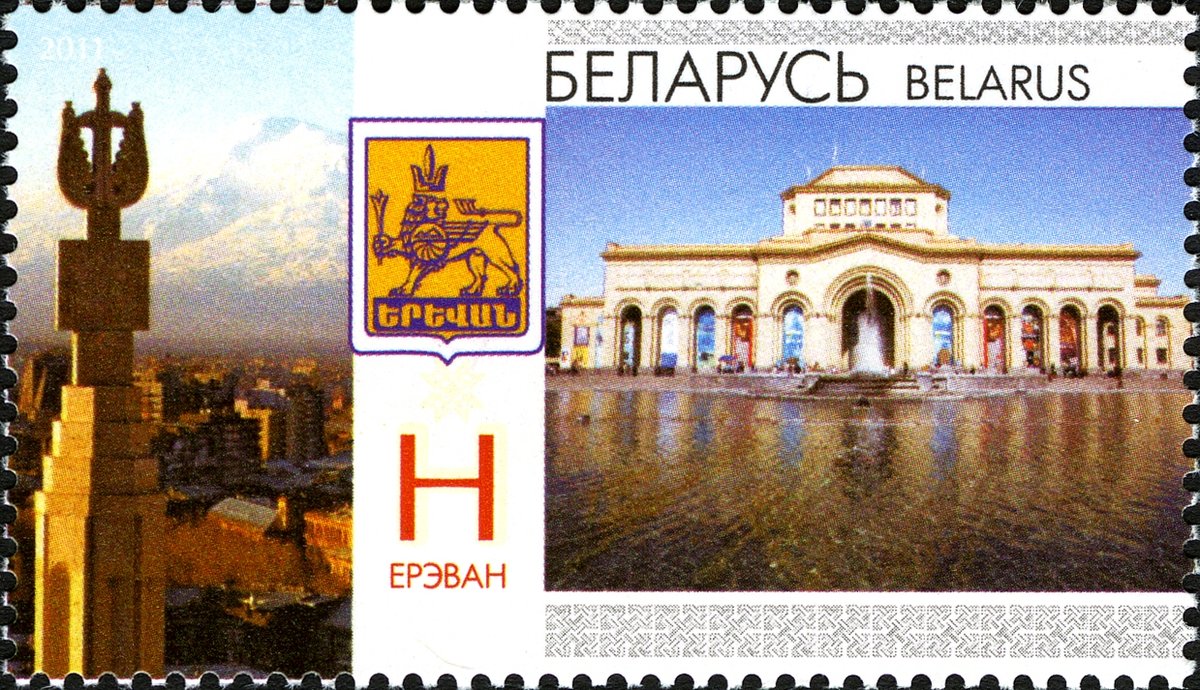
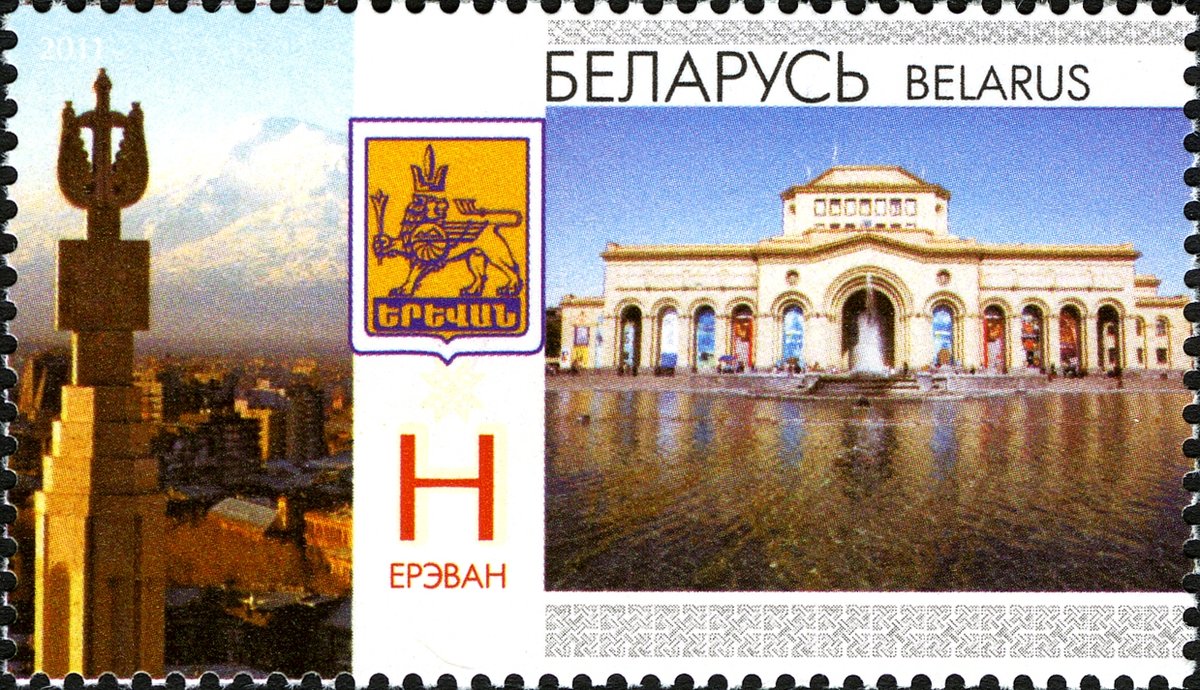
The Armenian architect returned from Moscow with plans to transform a provincial town into a socialist showcase. Tamanyan's master plan imposed radial boulevards on medieval alleyways, creating Republic Square's neoclassical pink tuff ensemble. He preserved ancient churches inside new housing blocks, buried streams beneath avenues, and oriented everything toward Mount Ararat whether you could see it or not. His 1926 plan still determines where Yerevan breathes and where it traffic-jams.
The NKVD arrested 4,000 citizens in three nights, including the entire Armenian Communist Party Central Committee. Former heroes of the revolution disappeared into the basements of buildings they'd helped construct. Writers, priests, and engineers vanished after midnight knocks, their pink tuff apartments reassigned to Russian replacements. The city's intellectual life went underground, surviving in kitchens where whispered poetry competed with radio propaganda.
Artem Alikhanian founded the Yerevan Physics Institute in a converted monastery, bringing nuclear research to a city without reliable electricity. The institute's first cyclotron was assembled from scrap metal and German prisoner expertise, its components smuggled through wartime blockades. By 1943, Armenian physicists were contributing to Soviet atomic research while their city survived on bread ration cards. The institute's pink stone walls still house cosmic ray detectors older than most republics.
Soviet authorities staged a three-day festival claiming Yerevan as the world's oldest continuously inhabited city. They unveiled the Erebuni Museum atop the original fortress site, its concrete structure jarringly modern against ancient stones. Tens of thousands paraded past reviewing stands while scholars debated whether 'continuously inhabited' included the years everyone fled earthquakes and invaders. The celebration established 782 BCE as Yerevan's official birth year, printed on every postcard thereafter.
Yerevan's single metro line opened with ten stations decorated like underground palaces, their walls lined with pink tuff and bronze reliefs of Armenian history. The first train carried workers from Barekamutyun to Gortsaranayin in twelve minutes, a journey that took an hour above ground through Soviet traffic. Each station descended deeper than the last, their platforms named after poets and factories. The metro became the city's pulse during energy crises, running on generators when everything else went dark.
When December's earthquake leveled northern Armenia, Yerevan's Opera Square filled with protesters demanding aid and independence. For 108 days, thousands camped in the square, their speeches broadcast by underground radio while Soviet troops watched from armored vehicles. The demonstrations birthed the Karabakh movement, linking disaster relief to national liberation. The pink stone opera house became Armenia's Hyde Park, its steps worn by decades of subsequent protests.
The future captain of Armenia's national team entered the world in Yerevan's Institute of Maternity, delivered during the city's darkest economic hour. His father, a prominent striker for FC Ararat, taught him ball control in the concrete courtyards of Soviet apartment blocks. Young Henrikh learned to dribble around broken glass and political protests, his talent growing alongside Armenian independence. He'd leave for Ukraine at 13, but every touch carries the weight of a city that measures survival in generations, not seasons.
The Supreme Soviet voted 140 to 1 for independence on September 21, dissolving 70 years of Soviet rule in nine minutes. Crowds gathered at Republic Square's musical fountain, where children who'd never seen a non-communist flag watched the tricolor rise over pink tuff buildings. The next morning's bread lines stretched longer than celebration parades, as Russia cut fuel supplies and the economy collapsed. Independence tasted like diesel fumes and sounded like generators coughing through Yerevan nights.
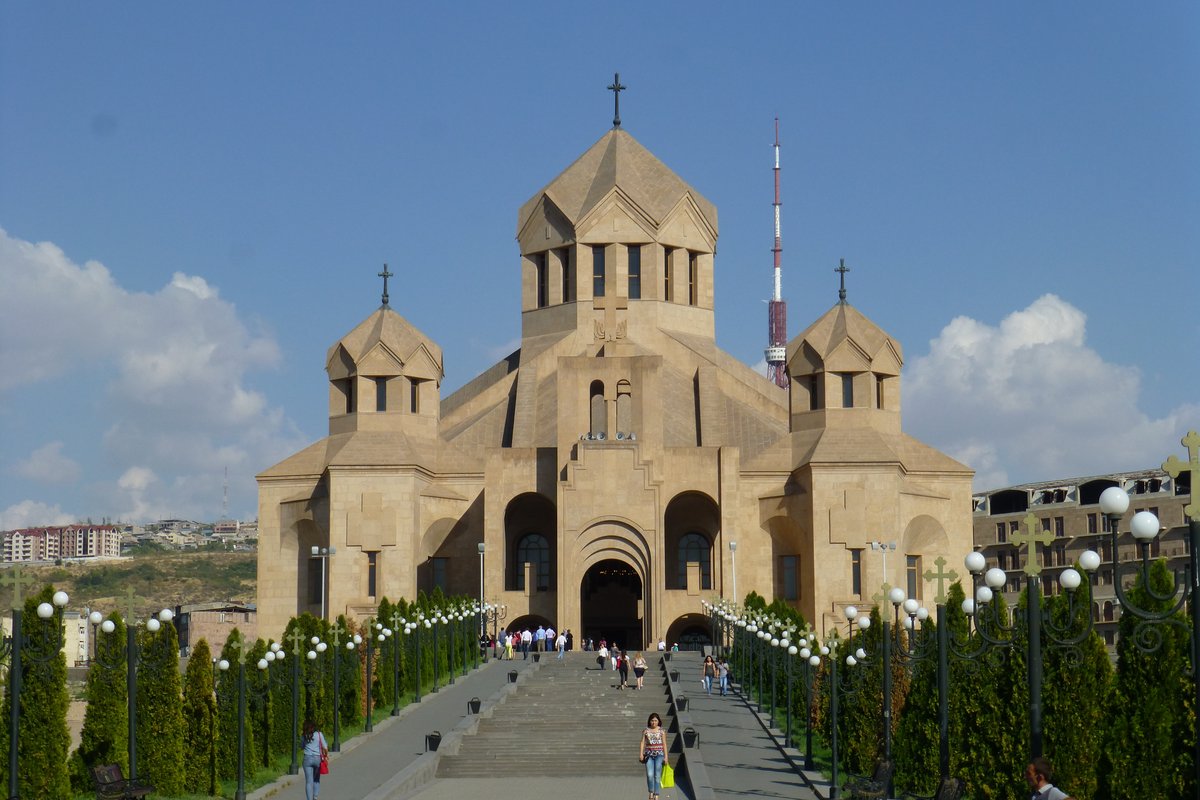
The Cathedral of St. Gregory the Illuminator opened its 64-meter dome to 1700 worshippers, becoming the largest Armenian church in the world. Built to celebrate 1700 years of Christianity in Armenia, its pink tuff walls echo with services in the language Abovyan fought to preserve. The cathedral sits on the site of a demolished Soviet sports complex, its cross-topped cupola visible from every Yerevan hill. Construction took seven years and countless donations from diaspora Armenians who'd never set foot in independent Armenia.
Nikol Pashinyan walked 200 kilometers from Gyumri to Yerevan, gathering crowds that swelled from hundreds to hundreds of thousands. By April 23, protesters controlled every central street, their pink balloons and Armenian flags transforming Republic Square into a festival of disobedience. The prime minister resigned without a shot fired, proving that Yerevan's streets could change governments through sheer peaceful persistence. The revolution's success surprised even its organizers, who'd planned for months of siege but achieved victory in 40 days.
King of Urartu · c. 785–756 BC
Founded Erebuni fortress here in 782 BC
He carved on a basalt slab that he built Erebuni to ‘make it mighty’; the slab now sits in the Erebuni Museum. Stand on the citadel at sunset and you see the same Ararat he used as a watchtower—unchanged, unimpressed.
Painter · 1880–1972
Lived and worked in Yerevan from 1926
His studio on Mashtots Ave still smells of turpentine; the garden he painted is now a museum where school kids giggle at the neon-green tarragon soda he loved. He’d recognise the light—volcanic tuff at 3 p.m. still bleeds the same pink.
Architect · 1878–1936
Designed 1924 master plan of Yerevan
He drew a city of radial rings and neoclassical colonnades before there were cars wide enough to need them. Walk Republic Square at 22:00; the fountains dance exactly where he pencilled them, and the pink stone obeys his geometry even when drivers don’t.
Footballer · born 1989
Born and trained at Yerevan Pyunik academy
He learned to pass on the cracked concrete of Pyunik’s old pitch by the Hrazdan gorge. When he returns, he still buys sesame bread from the same kiosk outside the stadium—now renamed after him, but the woman inside still calls him ‘Henrikh jan’.
Chess Grandmaster · born 1982
Born in Yerevan; trained at Tigran Petrosian Chess House
He first pushed wooden pieces beneath the concrete ribs of the 1970 Chess House whose bas-reliefs stare like caryatids. Today he watches blitz games in the same hall, but the clocks are digital and the soda is still tarragon-green.
Nuclear Physicist · 1908–1978
Founded Yerevan Physics Institute in 1943
He persuaded Stalin to let him build a cosmic-ray station on Mount Aragats, then commuted from a Yerevan apartment with no running water. The institute’s brutalist blocks still carry his scrawl in the concrete—equations that predate the internet, half-erased by rain.
Where locals actually book dinner — not the tourist menus.
Small things that change how the city treats you.
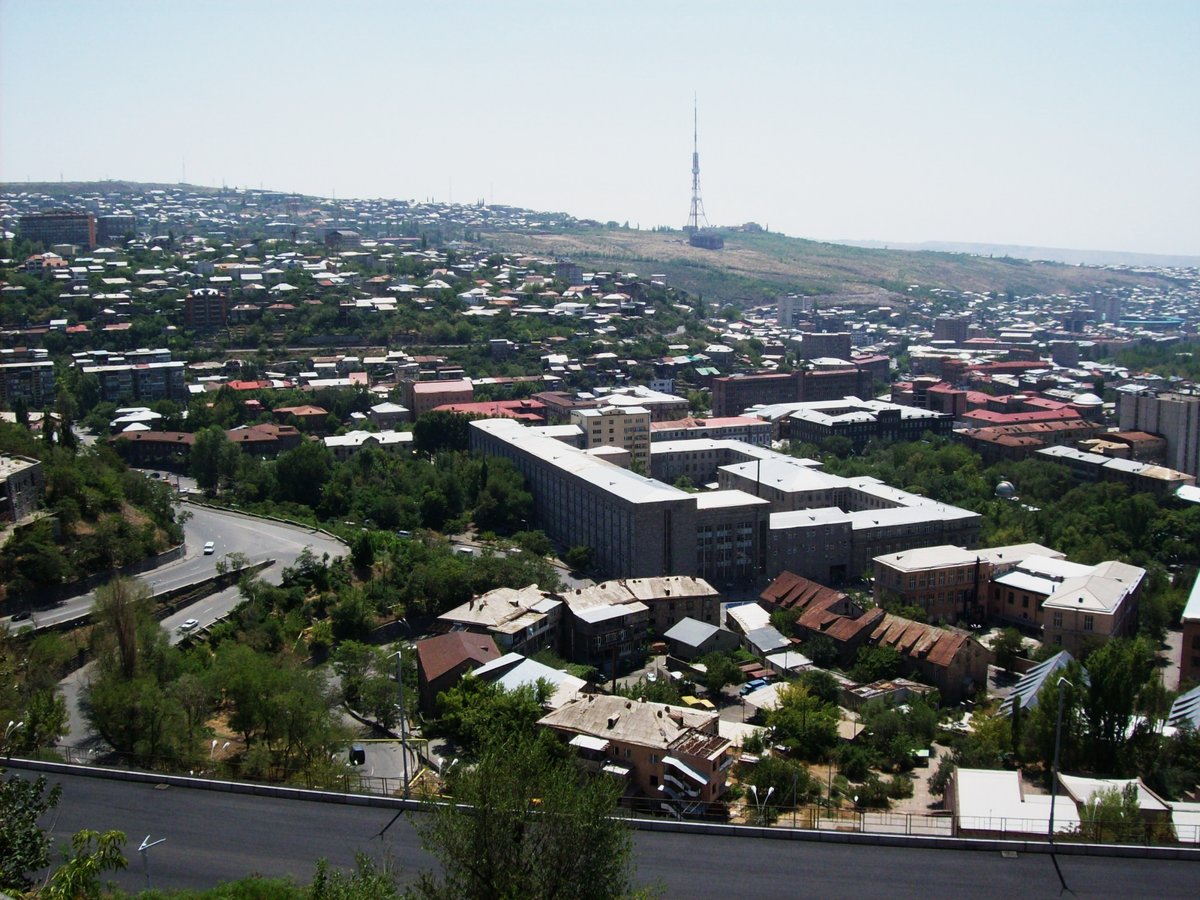
The city, as it actually looks.

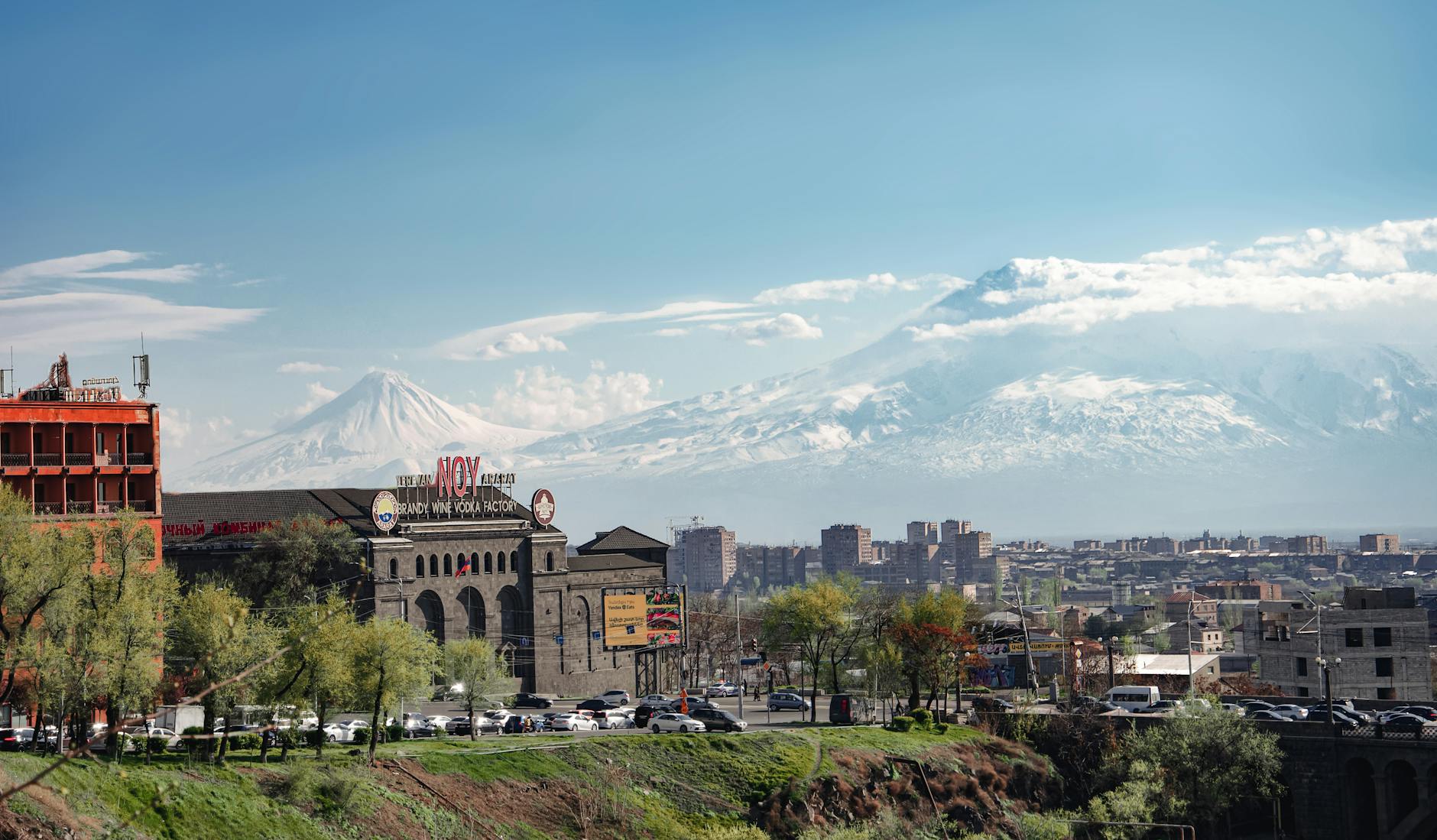

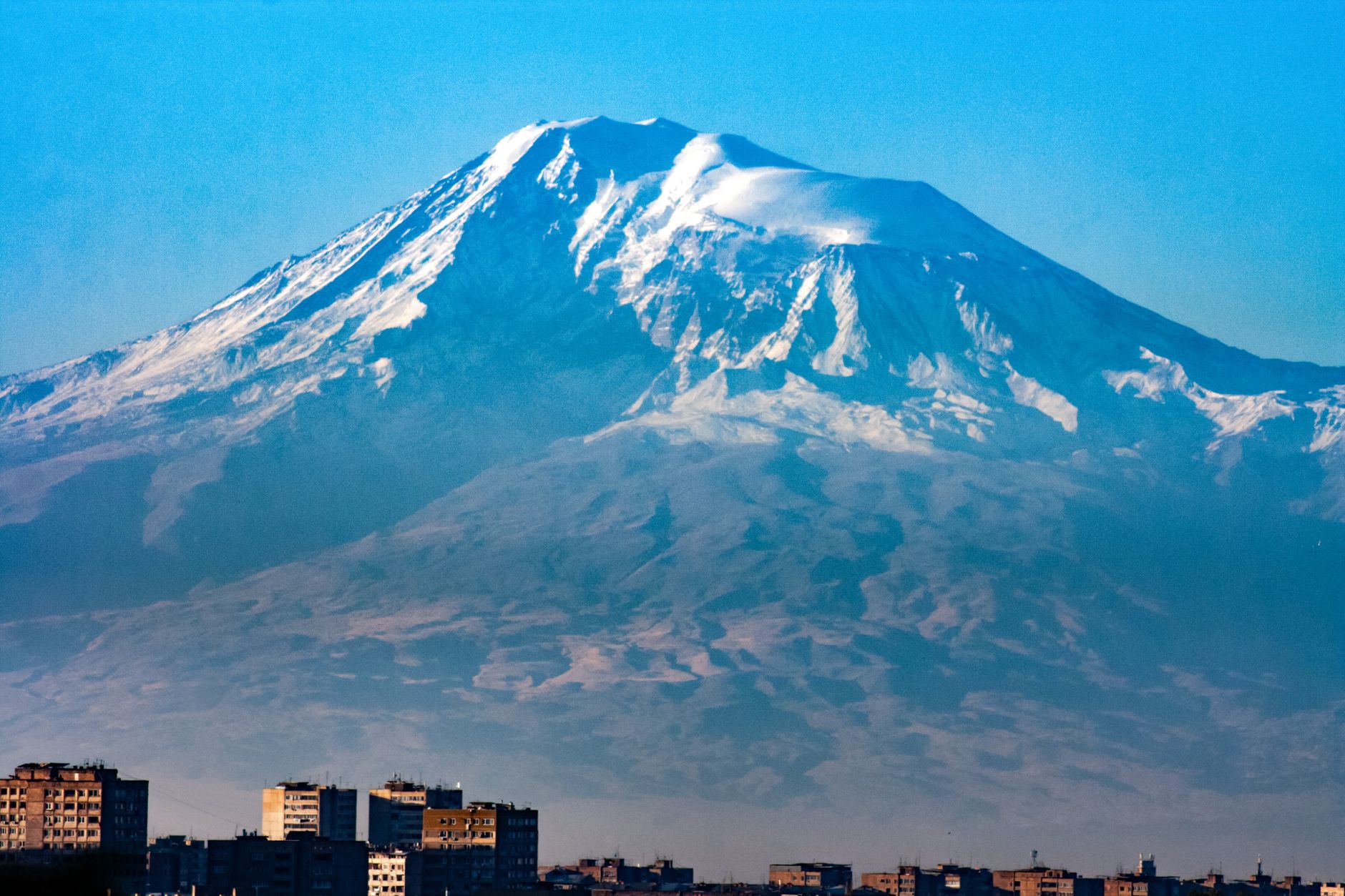


Yes. A capital older than Rome with Soviet space-age architecture, 24-hour café culture and views of a biblical mountain—entry fees under €4.
Plan three full days: one for Cascade-Republic Square museums, one for Genocide Memorial & Erebuni fortress, one for day-trip to Garni-Geghard. Add two more for Dilijan or Lake Sevan.
Take the #100 Express Bus every 30 min (24 hrs, 300 AMD, 25 min to France Square) or order GG/Yandex taxi for 2,000–4,000 AMD (15 min). No train exists.
Very. Even solo women walk Northern Avenue after midnight. Pickpockets appear only at crowded Vernissage market; keep phone in front pocket.
Most EU, UK, US citizens get 180 days visa-free on arrival. Check your eligibility at evisa.mfa.am; print the e-visa if you overland from Georgia.
Lunch at Karas chain: 2,500 AMD (€6). Dinner with wine at Tavern Yerevan: 8,000 AMD pp (€19). Tip 10% if service charge isn’t added—usually it isn’t.
203 places to discover

Showing 1–48 of 203 places
Saved and recently read places — kept on this device only.
Photos may have been resized or cropped.