Museum Origins and Historical Context
The Near East Art Museum was established to preserve, study, and exhibit the diverse artistic and cultural legacies of the Near East, with a special emphasis on Armenia’s role as a crossroads of civilizations. Yerevan’s 2,800-year-old history provides an apt setting for a museum dedicated to centuries of cross-cultural exchange and resilience (Nomadasaurus). The museum arose from a period of renewed national identity and cultural reclamation following Armenia’s independence in 1991.
Founding and Development
The museum’s creation was driven by a coalition of Armenian intellectuals, art historians, and philanthropists, with significant contributions from Marcos Grigorian. Grigorian, a celebrated artist and honorary citizen of Yerevan, donated his extensive collection in memory of his daughter, Sabrina Grigorian (Wikipedia). Early acquisitions came from private donations, state purchases, and archaeological discoveries, with the collection expanding over time to reflect the full breadth of Near Eastern art.
Architectural Significance
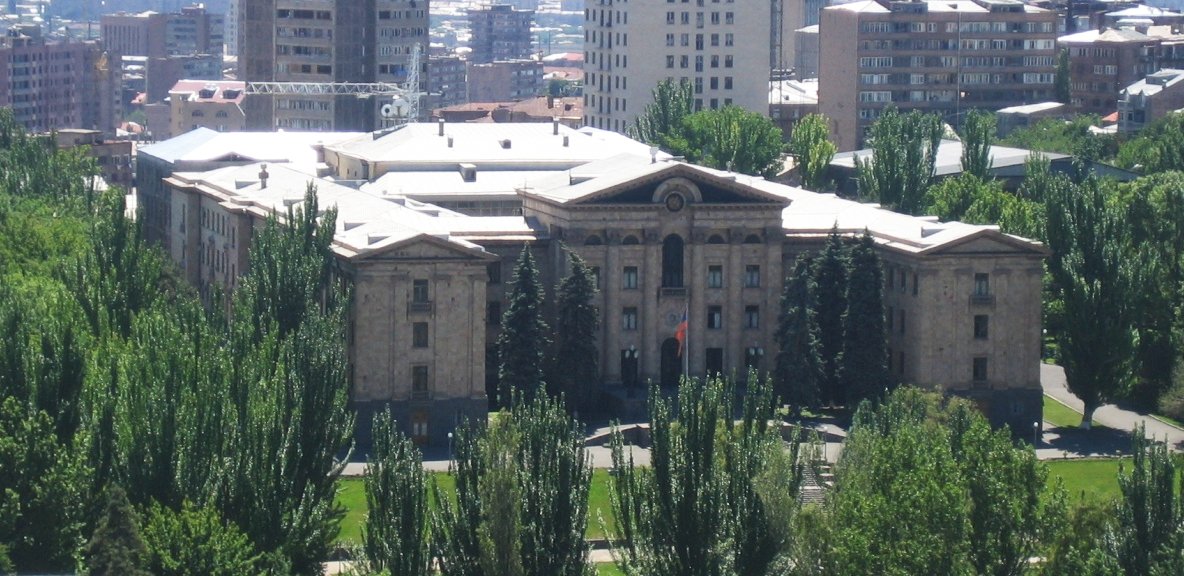
Centrally located in Yerevan, the museum’s building combines traditional Armenian architectural elements—such as local tuff stone and intricate carvings—with modernist influences. The layout is designed to facilitate a chronological and thematic exploration, guiding visitors through galleries dedicated to various historical periods and regions.
Collection Highlights
Ancient Ceramics and Pottery
Artifacts from the Urartian and Achaemenid periods demonstrate early technological and artistic achievements in the Armenian Highlands and surrounding areas.
Textiles and Carpets
The museum showcases handwoven carpets and textiles featuring traditional Armenian motifs, reflecting the significance of textile production and artistry in the region.
Manuscripts and Illuminated Texts
Rare manuscripts in Armenian (Grabar), Persian, and Arabic offer insight into the intellectual and religious life of the Near East. Conservation efforts ensure their continued accessibility.
Metalwork and Jewelry
Intricately crafted metalwork and jewelry from medieval and early modern periods display the artistry and cross-cultural influences that define Near Eastern craftsmanship.
Modern and Contemporary Art
The museum features works by 19th- and 20th-century Armenian and regional artists, including Grigorian’s innovative soil paintings, which bridge folk tradition and contemporary practice (Tour Armenia).
Visiting Hours and Tickets
-
Opening Hours
- Tuesday to Sunday: 11:00 AM – 6:00 PM
- Closed Mondays and major Armenian holidays
-
Ticket Prices
- Adults: 1,500 AMD
- Students, schoolchildren, pensioners: 750–800 AMD
- Children under 12: Free
-
Purchasing Tickets
- Available at the entrance or online via the official website
- Group discounts and guided tour packages are available
Getting There
- Location 15 Mashtots Avenue, Yerevan, near Republic Square
- Public Transport Accessible by metro, bus, and taxi
- On Foot Walking distance from the Cascade Complex and other central landmarks
- Parking Limited street parking; public transport recommended
Interactive maps and directions are available on the museum website and major travel apps.
Nearby Attractions
- Republic Square Central hub with striking architecture
- Cascade Complex Modern art installations and panoramic city views
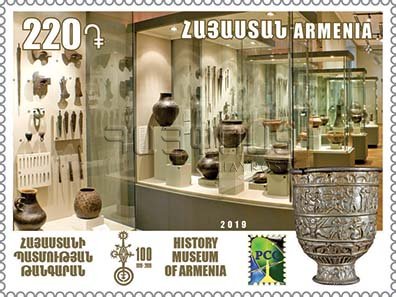
- History Museum of Armenia Complementary historical exhibits
- Museum of Literature and Art after Yeghishe Charents Shares the building with the Near East Art Museum
- Vernissage Market Open-air market for traditional crafts and souvenirs
Museum Facilities and Visitor Tips
- Accessibility Wheelchair accessible with ramps and elevators; some areas may have limitations
- Guided Tours Offered in Armenian, Russian, and English; advance booking recommended
- Amenities Restrooms, cloakroom, gift shop, and multilingual labels
- Photography Allowed without flash or tripods; verify for special exhibitions
- Wi-Fi Free on-site
- Best Times to Visit Weekday mornings are typically less crowded
- Dress Code Modest attire is recommended, particularly during special events
- Cultural Etiquette Respectful behavior and polite greetings are appreciated
Preservation, Research, and Education
The museum is committed to artifact conservation, employing traditional and modern restoration techniques. It regularly hosts educational programs, workshops, lectures, and international symposia. Partnerships with universities and international institutions further its research mission (Yerevan Municipality).
Frequently Asked Questions (FAQs)
Q: What are the Near East Art Museum’s opening hours?
A: Tuesday to Sunday, 11:00 AM to 6:00 PM; closed Mondays and major holidays.
Q: Are guided tours available?
A: Yes, in Armenian, Russian, and English. Advance booking is advised.
Q: Is the museum accessible for visitors with disabilities?
A: The museum is wheelchair accessible, but some limitations may exist due to the historic building.
Q: Can I take photos inside the museum?
A: Photography is allowed without flash or tripods, unless otherwise indicated.
Q: Is there a museum shop?
A: Yes, the shop offers books, art reproductions, and souvenirs.
Q: Are group rates available?
A: Yes, group discounts and special packages can be arranged in advance.
Significance for Tourists and Scholars
The Near East Art Museum is a vital destination for art enthusiasts, historians, and cultural travelers. Its collections and educational initiatives provide deep insights into Armenia’s history and its connections with the broader Near East. For scholars, the museum serves as an important resource for research, collaboration, and cultural dialogue.
Discover More
Ready to explore the Near East Art Museum?
- Visit the official website for ticketing, updated hours, and event details
- Download the Audiala app for guided tours and exclusive content
- Follow the museum and Audiala on social media for news, events, and travel inspiration
- Explore related articles on Armenian art and Yerevan historical sites for a comprehensive travel experience
Summary and Final Tips
The Near East Art Museum in Yerevan offers an unparalleled opportunity to explore the diverse artistic and cultural history of the region. Its extensive collections, accessible visitor services, and central location make it an essential stop for anyone seeking to understand Armenia’s role as a cultural crossroads. Plan your visit in advance, check for special exhibitions, and enrich your journey with educational programs and guided tours. For a seamless experience, consult the museum’s website and the Audiala app before your visit (Near East Art Museum Official Site; Visit Yerevan; Jan Armenia).