
Historical Background and Cultural Importance
Origins and Foundation
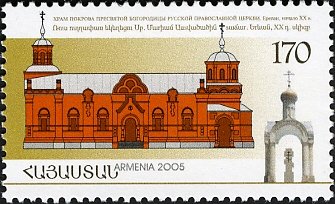
The church was established in the early 20th century, initially serving the Russian Orthodox community, particularly Russian military personnel stationed in the region. Its dedication to the Feast of the Intercession of the Holy Mother of God (Pokrov) underscores the importance of Marian devotion within Orthodox Christianity and the deep-rooted connections between Russian and Armenian communities (Trek Zone).
Architectural Heritage
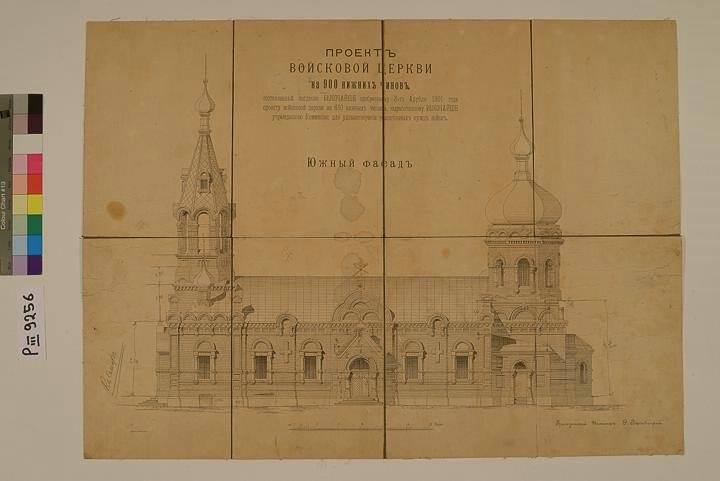
Designed by Russian architect Fyodor Verzhbitsky, the church is a striking example of Russian Orthodox ecclesiastical architecture, featuring iconic onion-shaped domes and elaborate frescoes. The structure harmoniously blends Russian design elements with Armenian craftsmanship, utilizing local stone and decorative reliefs that echo motifs found in medieval Armenian churches (Evendo).
Russian-Armenian Relations
Following the Treaty of Turkmenchay in 1828, Eastern Armenia became part of the Russian Empire, leading to increased Russian settlement and the establishment of Russian institutions such as this church. The Kanaker-Zeytun district, in particular, became a center for Russian-Armenian cultural and religious life (Trek Zone).
Visiting Information
Location and Accessibility
- Address 1/1 Paruyr Sevak Street, Kanaker-Zeytun, Yerevan, Armenia
- Public Transport Easily accessible via buses 15, 19, 24, 26, and 33. Taxis are also widely available (Google Maps).
- Parking Street parking available; may be limited during holidays.
- Wheelchair Accessibility Ramps and wide entrances provided; assistance available upon request.
Visiting Hours and Entry
- Hours Open daily from 8:00 AM to 8:00 PM. Hours may vary during religious festivals and feast days.
- Entry Fee Free of charge; donations welcomed for maintenance and charitable work.
Services and Events
- Sunday Divine Liturgy 11:00 AM
- Vespers Saturdays at 6:00 PM
- Feast Days Special liturgies, notably the Feast of the Intercession on October 1st, with extended hours and processions.
Dress Code and Etiquette
- Modest attire required: men should avoid shorts and sleeveless shirts; women are encouraged to wear skirts or dresses below the knee and cover their heads with a scarf (scarves are often provided at the entrance).
- Silence and respectful behavior expected inside, especially during services.
- Photography allowed outside and in the courtyard; restricted during services and inside unless permitted.
Artistic and Spiritual Features
Interior Highlights
Inside, visitors are greeted by vibrant frescoes and an intricately carved iconostasis, reflecting the fusion of Russian iconographic tradition and Armenian artistry. Iconography prominently features the Virgin Mary and biblical scenes central to Orthodox theology (Evendo). The interior’s tranquil ambiance is enhanced by stained glass windows and the soft glow of candlelight.
Restoration and Preservation
After periods of closure and repurposing during the Soviet era, the church was restored following Armenia’s independence. A major renovation in 2000 revitalized its frescoes, woodwork, and stone carvings, ensuring the preservation of its architectural and artistic integrity for future generations.
Visitor Facilities and Amenities
- Restrooms Available near the entrance.
- Gift Shop Sells religious items, icons, and souvenirs.
- Candle Lighting Designated areas inside.
- Seating Benches provided inside and in the courtyard.
- Nearby Amenities Local cafés and bakeries within walking distance.
Guided Tours and Community Engagement
- Tours Private tours can be arranged via local operators or the parish office. Guides are typically available in English, Russian, and Armenian.
- Special Events The church hosts festivals, choral performances, and processions, especially during the Feast of the Intercession and major Orthodox holidays.
Best Times to Visit
- Festivals The church is especially lively during the Feast of the Intercession (October 1st), Easter, and Christmas (January 6th in Armenia).
- Quiet Visits Weekday mornings offer a peaceful atmosphere for contemplation and photography.
- Climate Spring and autumn provide mild weather and fewer crowds. Summers are hot, winters can be cold (Climate Data).
Nearby Attractions
- Saint Hakob Church of Kanaker 12th-century Armenian Apostolic church nearby.
- Yerevan Botanical Garden About 2 km from the church.
- Victory Park and Mother Armenia Monument 15-minute walk.
- Dalma Garden Mall Short taxi ride for shopping and dining.
Safety and Health
- Security Personnel present during major events.
- Emergency Contacts Police (102), Ambulance (103).
- COVID-19 As of July 2025, restrictions are largely lifted but basic hygiene is encouraged (Armenian Ministry of Health).
Frequently Asked Questions (FAQ)
Q: What are the visiting hours?
A: Daily from 8:00 AM to 8:00 PM; hours may vary on feast days.
Q: Is there an entry fee?
A: No, entry is free.
Q: Are guided tours available?
A: Yes, by arrangement with local operators or the parish office.
Q: Is the church accessible for disabled visitors?
A: Yes, with ramps and level entrances; assistance available.
Q: What is the dress code?
A: Modest attire; women should cover their heads.
Q: Can I take photos?
A: Yes, outside and in non-service times; restrictions apply during services.
How to Get the Most Out of Your Visit
- Attend a liturgical service for an immersive cultural and spiritual experience.
- Explore the church’s architectural details and frescoes.
- Visit during a festival or community event for a vibrant atmosphere.
- Combine your visit with other Yerevan historical sites for a deeper appreciation of the city’s heritage.
Internal Links
- [Guide to Yerevan Historical Sites]
- [Top Religious Buildings in Armenia]
- [Cultural Festivals in Yerevan]