Origins and Industrial Legacy
Gortsaranain (Armenian: Գործարանային), meaning "Factory" or "Industrial," emerged as a vital industrial hub under Soviet rule in the mid-20th century, reflecting Armenia’s rapid shift from an agrarian economy to an urban-industrial center. The district’s strategic development included the establishment of numerous factories and the opening of the Gortsaranain Metro Station in 1983, now a key transit point for southwestern Yerevan (Wikipedia). These changes shaped Gortsaranain’s distinctive identity and contributed to Yerevan’s growth into a major metropolis.
Soviet-Era Development and Urbanization
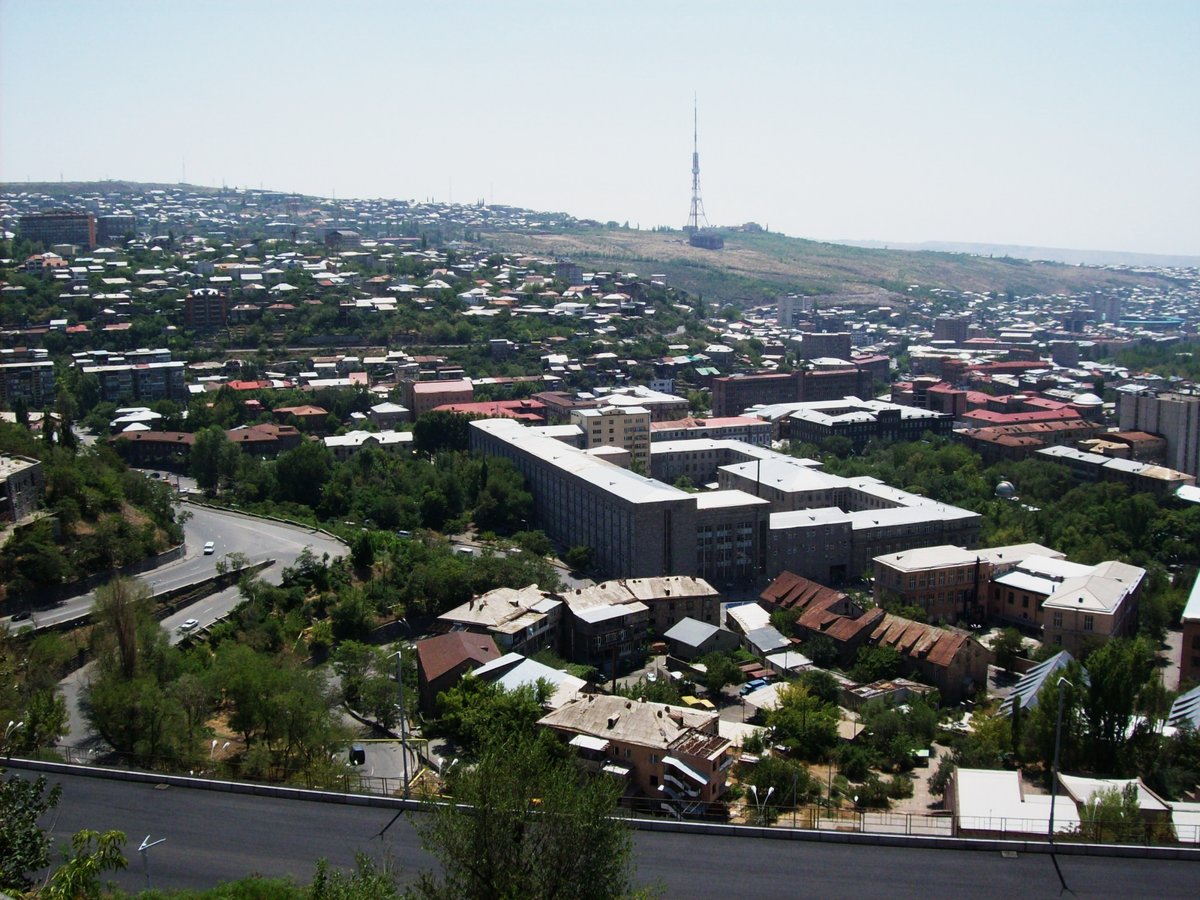
During the Soviet era, Yerevan experienced rapid population growth and urban expansion, with Gortsaranain playing a pivotal role. The district housed major manufacturing facilities—including textile mills, machinery plants, and food processing centers—while its residential neighborhoods featured signature Soviet-style apartment blocks built from locally quarried pink and orange tuff stone (TripJive). The metro station’s inauguration in 1983 further spurred commercial and residential development, cementing Gortsaranain’s status as an industrial and logistical hub.
Post-Soviet Transformation
The collapse of the Soviet Union in 1991 brought significant economic and social changes. Many state-owned factories closed or were privatized, resulting in economic decline and shifting demographics. However, Gortsaranain’s infrastructure and location have enabled a gradual revitalization. Former industrial sites are now homes to business centers, creative studios, and educational institutions, while community initiatives focus on public space improvement and cultural events (TripJive; Future Hubs). Urban renewal projects have introduced green spaces, modern housing, and sustainability initiatives, positioning Gortsaranain as a model for Yerevan’s broader redevelopment (EVN Report; UNECE).
Architectural and Cultural Landscape
Gortsaranain’s architecture is a testament to its industrial heritage, with prominent Soviet-era factories, utilitarian apartment blocks, and communal courtyards. Many buildings have been adaptively reused as art centers, theaters, and coworking spaces. The district also boasts parks, riverside walks, and vibrant markets. Recent years have seen an influx of cultural events, including neighborhood festivals, art exhibitions, and performances celebrating Armenian traditions (Yerevan.am).
Practical Visitor Information
Visiting Hours & Accessibility
- District Access Gortsaranain itself is open at all hours, as it is a residential and mixed-use district.
- Metro Station Gortsaranain Metro operates daily from 6:30 AM to midnight, with tickets costing about 100 AMD per ride (Wikipedia).
- Cultural Venues Most galleries and community centers are open 10:00 AM–7:00 PM. Parks are accessible dawn to dusk.
- Markets Local markets generally operate 8:00 AM–6:00 PM.
Guided Tours & Events
- Guided Tours Several Yerevan walking tours include Gortsaranain, focusing on industrial heritage and urban renewal. Tours can be booked online or at local agencies, typically lasting 2–3 hours and costing $10–$25.
- Events Look for annual community festivals and art exhibitions, especially in summer and early autumn (Yerevan.am).
Nearby Attractions
Gortsaranain’s central location makes it an excellent base for exploring other Yerevan historical sites:
- Republic Square Iconic city center, 10–15 minutes by metro or taxi.
- Cascade Complex Art and city views, open 10:00 AM–8:00 PM (Cascade Complex).
- Erebuni Fortress Ancient city ruins, open daily.
- Tsitsernakaberd Memorial Armenian Genocide Memorial, open 10:00 AM–5:00 PM (Tsitsernakaberd Memorial Complex).
- Vernissage Market Handicrafts and souvenirs, open daily 10:00 AM–6:00 PM (Vernissage Market).
Safety and Accessibility
Gortsaranain is generally safe, with a low crime rate and efficient public transportation. The metro and many public spaces are wheelchair accessible, though some older buildings may have limited access (Travel Like a Boss; Geography Pin).
Gortsaranain in Yerevan’s Heritage
Gortsaranain’s story is intertwined with Yerevan’s transformation from the ancient fortress-city of Erebuni to a modern metropolis. Its industrial backbone, Soviet legacy, and emerging creative scene provide valuable perspectives on Armenia’s history and urban identity (Ajam Media Collective). The district also exemplifies Yerevan’s resilience and adaptability as it embraces sustainable development and community-driven renewal (Future Hubs).
Visitor Tips: Transportation, Accommodation, and Cultural Etiquette
Getting There
- Metro Gortsaranain Metro Station connects directly to central Yerevan.
- Buses & Marshrutkas Numerous routes serve the district (Travel Notes).
- Taxis & Rideshares GG and Yandex offer reliable service, with city rides averaging 2,500–3,000 AMD from the airport (We Did It Our Way).
Accommodation
While Gortsaranain itself has few hotels, central Yerevan—just a short ride away—offers a range of options from hostels to luxury hotels like Tufenkian Historic Yerevan Hotel. Airbnb apartments are also widely available (Travel Notes).
Food and Dining
Enjoy local bakeries, cafes, and restaurants serving Armenian staples such as khorovats, dolma, and lavash. Prices are affordable, and central Yerevan offers even more variety (Travel Like a Boss).
Shopping
Gortsaranain’s markets provide fresh produce and essentials. For souvenirs and Armenian crafts, visit Vernissage market in the city center (Absolute Armenia).
Money & Payments
The Armenian dram (AMD) is the official currency. Cash is common for small purchases; ATMs are widespread, and cards are accepted in larger venues. Currency exchange offices are available in the city.
Health, Connectivity, and Safety
Yerevan’s tap water is generally safe, but bottled water is widely used. Pharmacies are accessible, and medical care is of good standard. Local SIM cards (VivaCell-MTS, Beeline, Ucom) offer affordable data; Wi-Fi is common in cafes and public spaces (Armenia Travel). Emergency numbers: Police 102, Ambulance 103, Fire 101.
Cultural Etiquette
Armenians are warm and hospitable. Dress modestly, especially at religious sites. Learn basic Armenian greetings, and always ask before photographing people. Smoking is restricted in public spaces; the legal drinking age is 18 (Travel Notes).
Local Experiences, Dining, and Shopping
- Neighborhood Parks Open dawn to dusk; ideal for families.
- Community Art Centers Open 10:00 AM–7:00 PM; some charge small entry fees for events.
- Local Markets Open 8:00 AM–6:00 PM; cash preferred.
- Dining Cafés and bakeries open from early morning to evening; restaurants and bars often open until midnight.
Frequently Asked Questions (FAQ)
Q: What are Gortsaranain’s visiting hours?
A: The district is open at all hours. Metro operates 6:30 AM–midnight. Most cultural venues 10:00 AM–7:00 PM.
Q: Are tickets required to visit?
A: No tickets are needed to enter the district. Metro tickets cost about 100 AMD. Some museums and events may have modest ticket fees.
Q: Is Gortsaranain family-friendly?
A: Yes. Parks, community centers, and local markets make it suitable for families.
Q: Which languages are spoken?
A: Armenian is primary, but Russian and English are also understood, especially in tourist areas.
Q: How do I reach central Yerevan from Gortsaranain?
A: Metro, bus, and taxis provide fast, affordable connections.
Q: Are guided tours available?
A: Yes, several agencies offer walking and thematic tours focusing on Gortsaranain’s heritage and modern life.
Summary and Recommendations
Gortsaranain encapsulates Yerevan’s journey from a Soviet industrial center to a modern, creative, and sustainable urban district. Its blend of historical architecture, local markets, cultural venues, and authentic community life offers visitors a unique and enriching experience. Use the metro for easy access, enjoy local events and cuisine, and explore nearby historical sites. For up-to-date information and personalized travel tips, download the Audiala app and follow travel resources and social media channels (TripJive; Ajam Media Collective; Future Hubs; Armenia Travel; Travel Like a Boss).
Plan your visit today to discover an authentic and often overlooked side of Yerevan—where history, culture, and modernity converge.