
Historical Background of the Unett Monument
Origins and Dedication
Centrally located in Birmingham, the Unett Monument commemorates Captain William Unett for his contributions both as a military hero during the Napoleonic Wars and as an influential civic figure. Erected through public subscription in the mid-19th century, the monument reflects the city’s values during a period of rapid industrial growth—a time when Birmingham became known as “the workshop of the world.”
Role in Urban Development
Its unveiling was part of a broader Victorian movement to enrich Birmingham’s cityscape with public monuments, parks, and civic architecture. The Unett Monument, along with other memorials and public spaces, fostered a sense of shared history and pride as Birmingham transformed into a major urban center (Birmingham City Council).
Cultural Significance
Civic Pride and Identity
The Unett Monument serves as a tangible link to Birmingham’s past, frequently featured in heritage walking tours and city events. It is a focal point for annual commemorations and educational programs, emphasizing its continued relevance in the city’s public life (Visit Birmingham).
Educational and Community Role
As a listed structure (Geograph), it is used in local history curricula and Victorian art studies. Informational plaques and digital resources enhance public engagement, while the monument itself hosts ceremonies and memorial events that unite diverse communities.
Architectural Features
Design and Craftsmanship
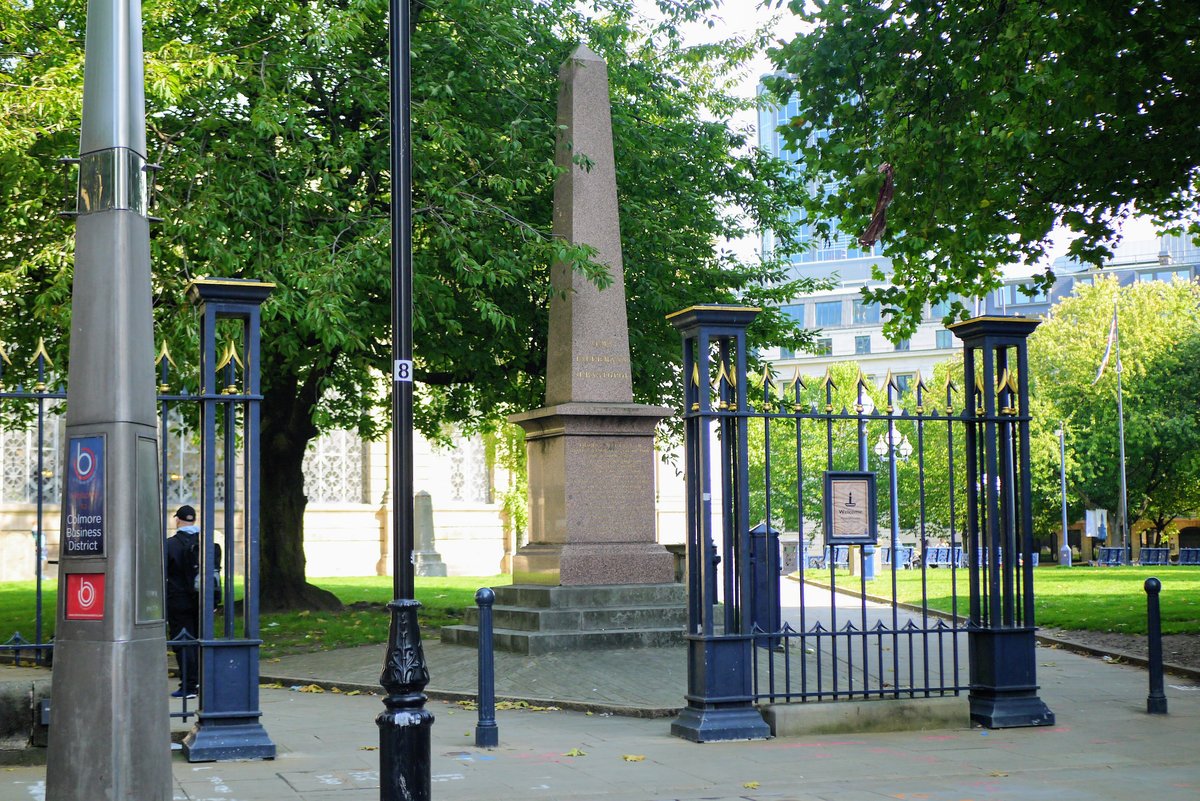
The Unett Monument exemplifies 19th-century neoclassical commemorative architecture. Its classical column, topped with a sculpted likeness of Captain Unett, stands on a plinth adorned with reliefs illustrating his military and civic achievements. The use of locally sourced stone and artistic detailing reflects Birmingham’s tradition of skilled craftsmanship.
Urban Integration
Located in a prominent public square, the monument is designed for public interaction—inviting visitors to reflect on its inscriptions and participate in community events. Its placement aligns with Victorian urban planning principles, promoting civic identity through accessible public art (Visit Birmingham).
Visitor Information: Hours, Tickets, and Accessibility
Visiting Hours
- Open daily The Unett Monument is accessible year-round, typically from dawn until dusk.
- No restrictions As an outdoor public monument, it does not have official opening or closing times.
Tickets & Admission
- Free entry No tickets are required. The site is open to all visitors at no charge (Hikersbay).
Accessibility
- Wheelchair accessible Flat, paved pathways allow easy access for visitors with mobility needs.
- Restrooms Facilities are available nearby, including accessible options in local cafés and shopping centers.
- Transport The monument is within walking distance of Birmingham New Street Station, with frequent bus, tram, and taxi links. City center parking is available, though it may be limited during peak hours (Hikersbay).
Guided Tours
- Heritage tours The monument is included in many guided and self-guided walking tours, especially during events like Birmingham Heritage Week (Visit Birmingham).
- Custom tours Contact local heritage organizations for private or themed tours.
Nearby Birmingham Heritage Attractions
- Birmingham Museum and Art Gallery Home to over 40 galleries including the Pre-Raphaelite collection and the Staffordshire Hoard.
- Jewellery Quarter Over 200 listed buildings, artisan workshops, and the Museum of the Jewellery Quarter.
- Birmingham Back to Backs Preserved 19th-century working-class houses; guided tours require pre-booking.
- Thinktank Birmingham Science Museum Interactive exhibits and a planetarium, popular with families.
- Aston Hall Grade I listed Jacobean mansion with gardens and café.
- Cannon Hill Park 250 acres of parkland, boating lake, and the Midlands Arts Centre (MAC).
- Library of Birmingham Modern landmark with panoramic views and regular exhibitions.
Events and Community Activities
Annual Festivals and Cultural Events
- Birmingham Heritage Week Includes guided tours and educational events at the monument.
- Birmingham Pride, Brindley Market, and Summer Fairs Citywide celebrations often include the monument in heritage trails and community walks.
Community Activities
- Themed walking tours, live music, and workshops in nearby museums and cultural centers.
- Public ceremonies and wreath-laying events at the monument, especially on commemorative dates.
Visitor Tips and Local Insights
- Combine your visit Integrate the Unett Monument into a walking tour of nearby attractions such as the Birmingham Museum & Art Gallery and the Jewellery Quarter (Visit Birmingham).
- Best time to visit Late spring to early autumn (May to September) for pleasant weather; early mornings or late afternoons for optimal photography.
- Dining Diverse options in the Jewellery Quarter and city center, from traditional British pubs to international cuisine.
- Safety The city is generally safe with well-patrolled public areas; maintain usual awareness, especially in busy zones.
- Accessibility resources Refer to AccessAble for detailed guides.
- Local etiquette Respect the monument—do not climb or deface, and dispose of litter properly.
Frequently Asked Questions (FAQ)
Q: What are the Unett Monument’s visiting hours?
A: The monument is accessible year-round during daylight hours.
Q: Is there an entrance fee or ticket required?
A: No, visiting the Unett Monument is free of charge.
Q: Are guided tours available?
A: The monument is included in many heritage walking tours; check with local tourism offices for schedules and bookings.
Q: Is the site wheelchair accessible?
A: Yes, the monument and surrounding paths are accessible.
Q: Can I take photographs at the monument?
A: Photography is encouraged; please respect the site and any ongoing events.