
Early Serbian Presence in Bournville
Serbian migration to Birmingham began during World War I, when Dame Elizabeth Cadbury sponsored Serbian refugee children, establishing an early bond between the Serbian community and Bournville. The Cadbury family's tradition of social responsibility proved vital again after World War II, as a new wave of Serbian refugees arrived, many of whom found work at the Cadbury chocolate factory. This deep-rooted connection set the stage for the establishment of a Serbian Orthodox place of worship (en-academic.com, historywestmids.co.uk).
The Need for a Spiritual and Cultural Home
By the 1960s, the growing Serbian community in Bournville sought to preserve their heritage and faith. Lacking a dedicated place for worship and cultural gatherings, the community rallied to create a church that would serve as both a spiritual sanctuary and a cultural center. Their determination was evident as community members remortgaged their homes to fund the project, supported by the Cadbury family’s generosity in providing land (bbc.co.uk).
Acquisition of Land and Community Effort
The church’s construction is a powerful story of communal effort and philanthropic support. When the Serbian community approached Alfred Cadbury to buy land, he asked for £5,000—a sum they managed to raise. In a gesture of goodwill, the Cadbury family returned all but £1, effectively gifting the land and enabling the project to proceed. Community members contributed labor and resources, often working on the church after factory shifts, culminating in the church’s consecration in 1968 (bbc.co.uk, historywestmids.co.uk).
Architectural Design and Symbolism
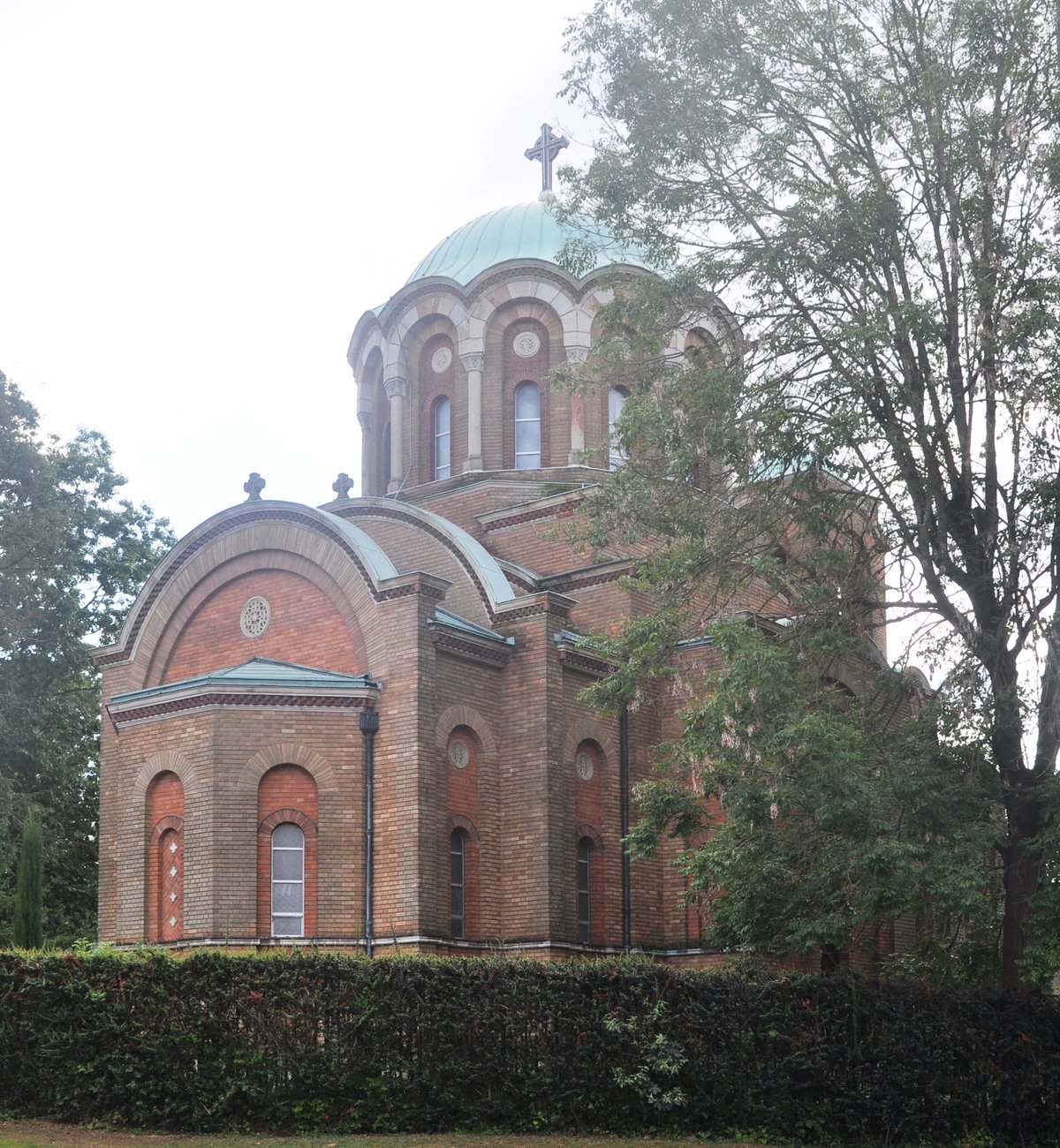
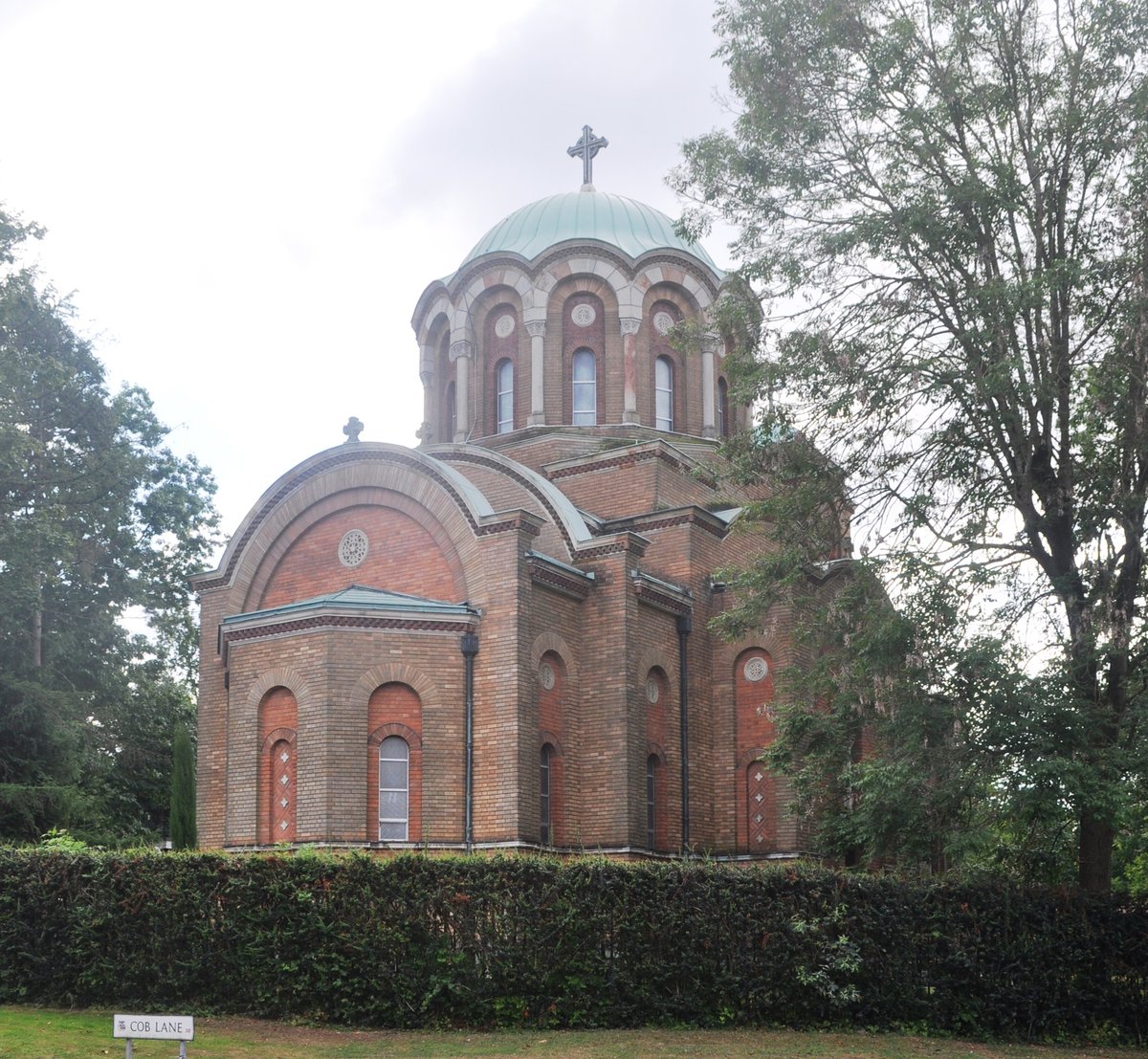
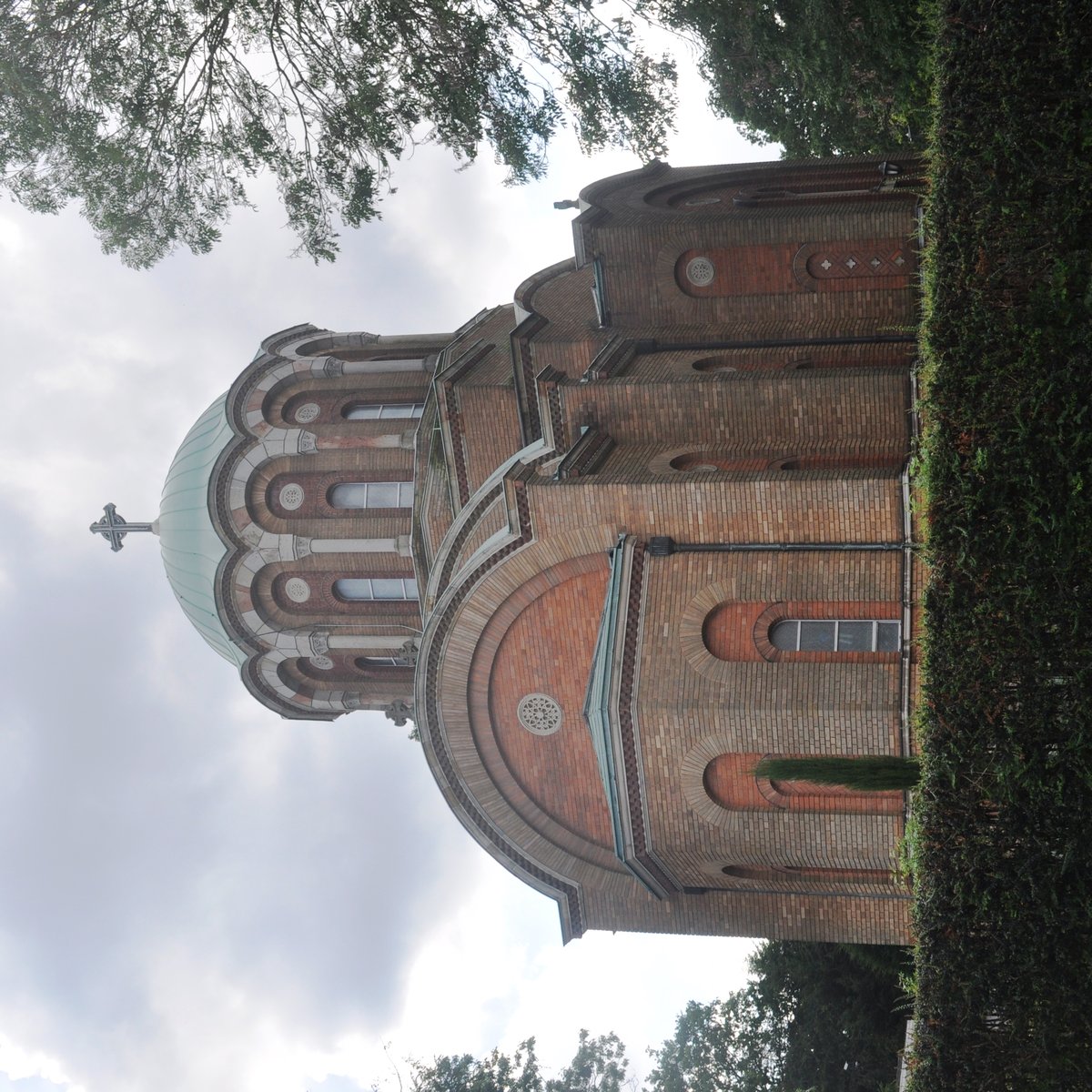
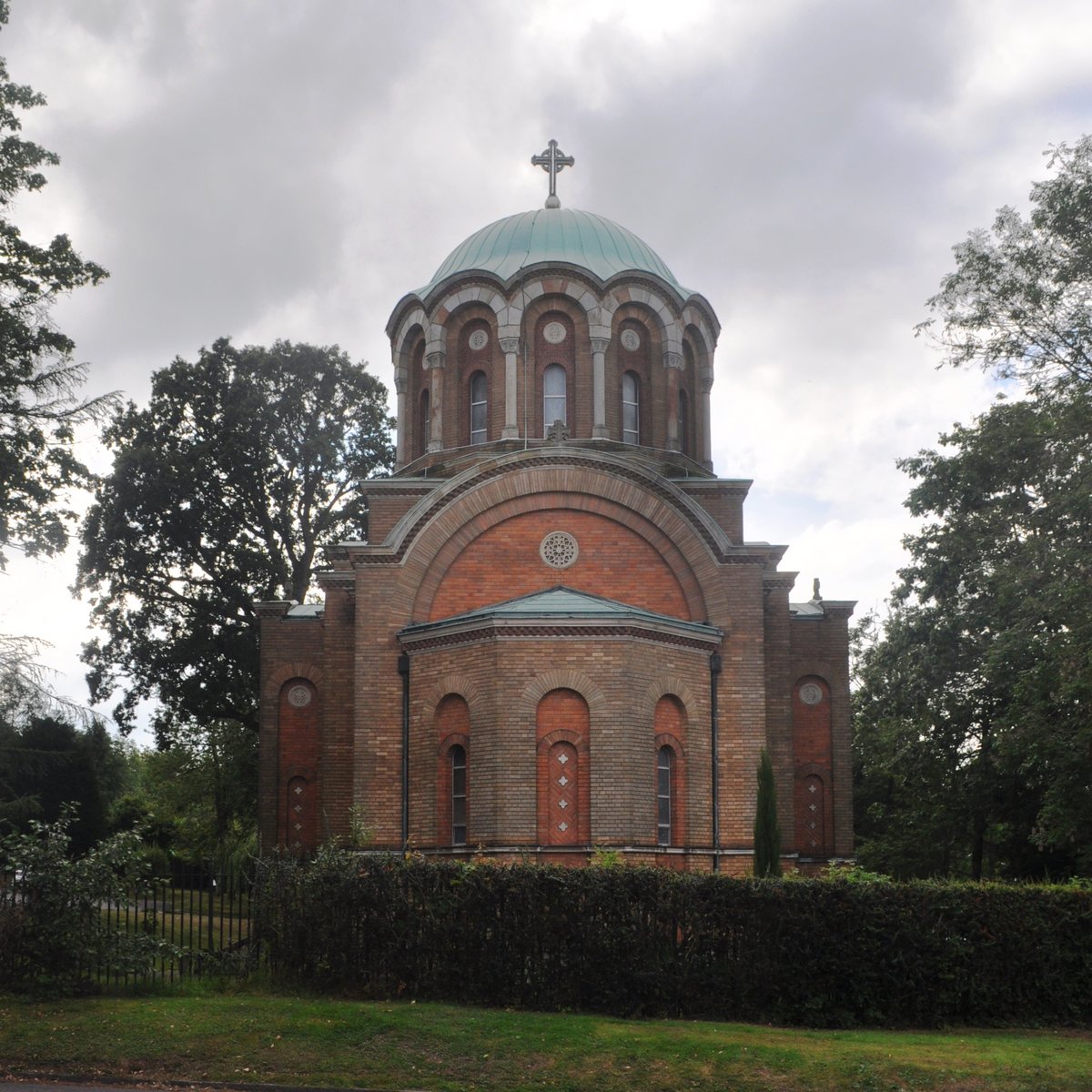
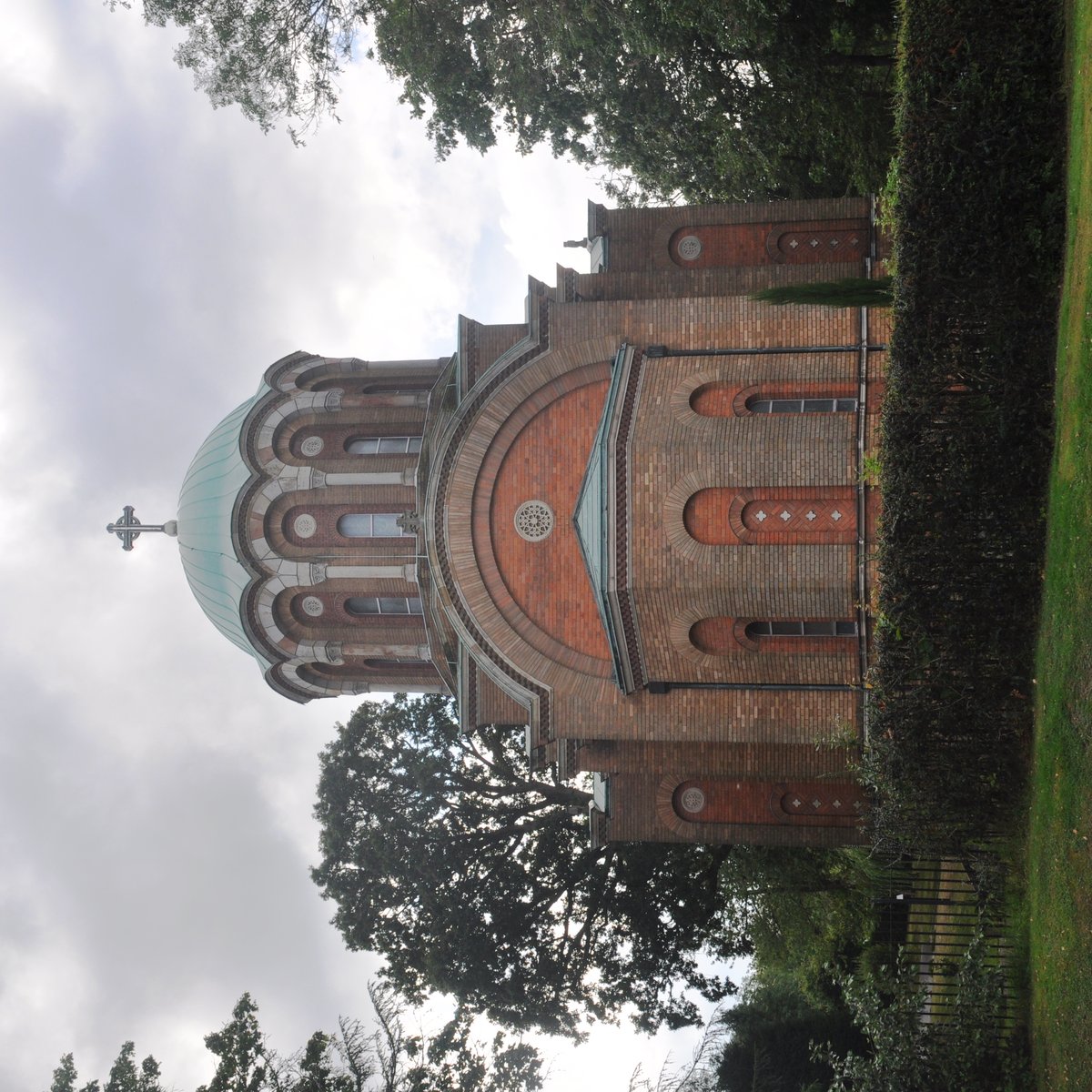
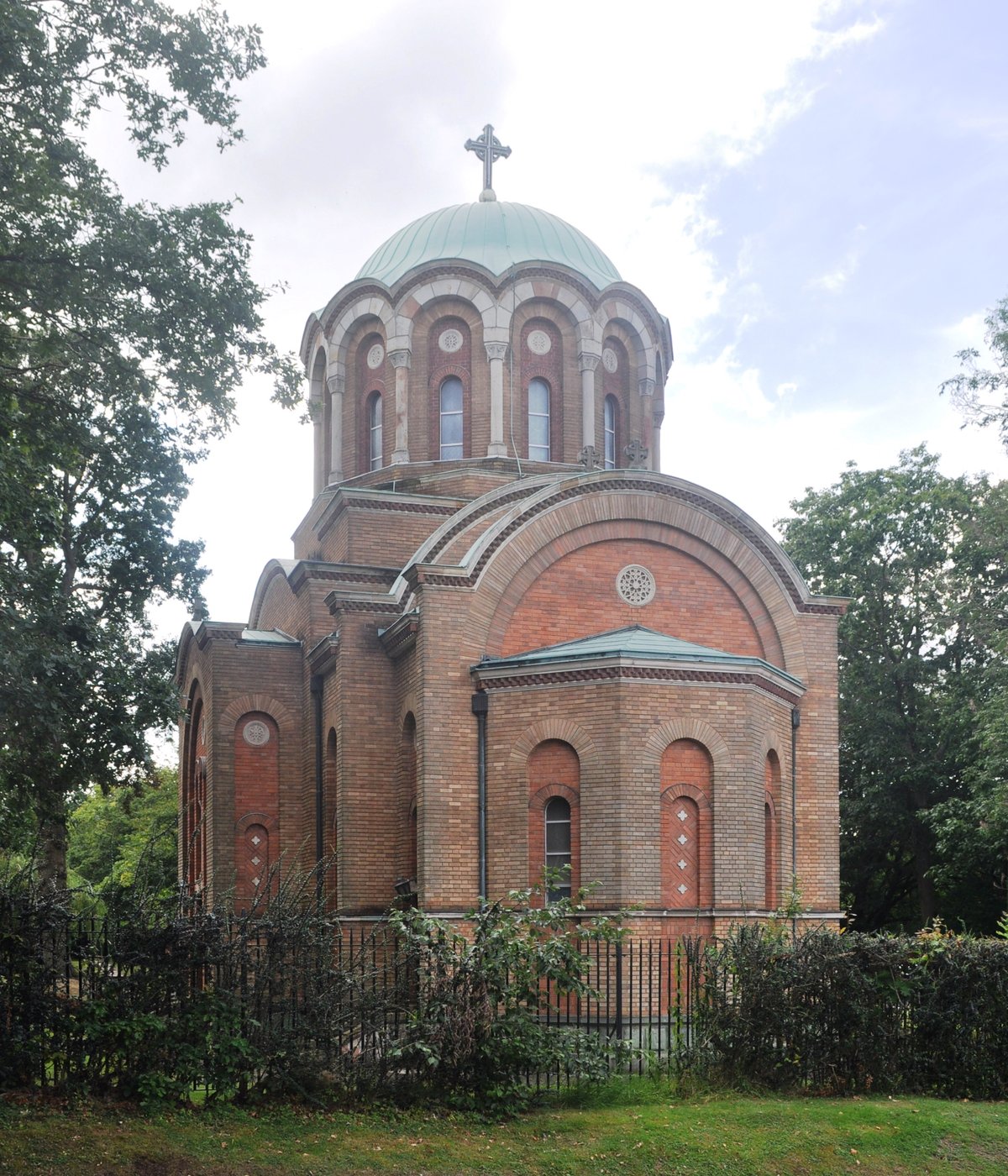
St Lazar’s Church—known as Lazarica—was designed by Serbian architect Dr. Dragomir Tadic, in collaboration with the Bournville Village Trust. The church is a faithful replica of the 14th-century Lazarica Church in Kruševac, Serbia, built in the Morava school style. Distinctive elements include:
- Exterior Alternating layers of red brick and white stone, a central dome crowned with a cross, richly decorated entrance portals, blind arcading, and rosette windows (Serbian Orthodox Church UK, Historic England).
- Interior An intricately carved iconostasis, Byzantine-style icons, and vibrant frescoes depicting Christ Pantocrator, the Virgin Mary, apostles, saints, and biblical scenes. The al-secco paintings are faithful copies of medieval Serbian monastery art, executed by artist Dušan Mihajlović (lazarica.co.uk, Orthodox Arts Journal).
- Materials Stone, marble, walnut, and copper were imported from Yugoslavia, further connecting the church to its Serbian roots (lazarica.co.uk).
Patronage and Royal Connections
The church was constructed under the patronage of Prince Tomislav of Yugoslavia, a member of the exiled royal family. His involvement provided both symbolic and practical support, and he was later married at the church, cementing its royal association (historywestmids.co.uk).
The Role of St Lazar’s Church in the Community
St Lazar’s Church serves as a religious, cultural, and social anchor for the Serbian diaspora and the wider Birmingham community. It is a hub for Orthodox Christian worship, cultural festivals, educational events, and social gatherings. The adjacent Saint Lazar’s Hall hosts christenings, birthdays, arts events, and community meetings, fostering intercultural dialogue and local integration (saintlazarshall.co.uk).
The church is also a living museum of Serbian medieval art and spirituality, preserving traditions at risk due to historical upheavals and the destruction of religious sites in Kosovo (lazarica.co.uk). Its ethos of peace, love, and unity enables it to navigate periods of political tension and welcome visitors of all backgrounds (bbc.co.uk).
Visiting Hours, Tickets, and Accessibility
- Hours The church is open for visitors from 10:00 AM to 4:00 PM, Monday to Saturday. Sunday and religious holiday hours may differ; always check the official website or contact the parish office for up-to-date information.
- Admission Entry is free; donations are welcomed to support maintenance and cultural activities.
- Accessibility The adjacent hall is wheelchair accessible; the main church has steps, which may limit access for some visitors (lazarica.co.uk/events/open-day/).
- Facilities Restrooms and a small bookshop are available in the hall.
Guided Tours, Events, and Cultural Activities
- Guided Tours Tours are offered during Open Days and by appointment, often led by clergy or knowledgeable community members. They provide in-depth insights into the church’s art, architecture, and traditions.
- Open Days Held during Bournville Heritage Open Day, featuring free entry, guided tours, presentations, and Serbian food sales.
- Special Services Notable occasions include St Lazar’s Day (Vidovdan, around June 28th), Christmas (January 7th), and other Orthodox feast days (lazarica.co.uk/service-times/).
- Group Visits Schools, societies, and other groups can arrange bespoke visits with talks and Q&A sessions (midlandcatholichistory.org.uk).
Nearby Attractions and Travel Tips
- Location 92 Griffins Brook Lane, Bournville, Birmingham, B30 1QG (lazarica.co.uk).
- By Car Limited parking onsite, primarily for disabled visitors during events. Use nearby residential streets for general parking.
- By Public Transport Bournville Station is a 15-minute walk away. Bus routes 11 and 48 serve the area.
- Nearby Bournville Village Green, Cadbury World, Selly Manor Museum, and the Birmingham Botanical Gardens complement your visit (Cadbury World).
Visitor Etiquette and Practical Information
- Dress modestly Women may wish to cover their heads during services.
- Photography Permitted except during services—always ask before photographing religious ceremonies or icons.
- Atmosphere Maintain respect and minimize noise; silence mobile devices.
- Accessibility Hall is wheelchair accessible; church access involves steps.
Frequently Asked Questions (FAQ)
Q: What are the visiting hours of St Lazar’s Church?
A: Generally 10:00 AM–4:00 PM, Monday to Saturday. Verify on the official website for changes.
Q: Is there an entry fee?
A: No, entry is free; donations are welcome.
Q: Is St Lazar’s Church wheelchair accessible?
A: The hall is accessible, but the church itself has steps.
Q: Are guided tours available?
A: Yes, by appointment and during Open Days.
Q: Where can I park?
A: Limited onsite parking for disabled visitors; otherwise, use surrounding residential streets.
Q: Can I take photographs?
A: Yes, except during services. Always check with staff or clergy first.
Q: How do I get there by public transport?
A: Bournville Station is nearby; buses 11 and 48 also serve the area.
Summary and Recommendations
St Lazar’s Church in Bournville is a striking monument to faith, cultural heritage, and community spirit. Its meticulously recreated Byzantine-Morava architecture, combined with its vibrant role as a center for Serbian culture and inter-community engagement, make it an essential Birmingham historical site. Free admission, guided tours, and proximity to other Bournville attractions ensure a rewarding visit for history enthusiasts, spiritual seekers, and curious travelers.
To make the most of your visit:
- Check current visiting hours and special events on the official website.
- Consider joining a guided tour for deeper insights.
- Respect the sacred atmosphere and community customs.
- Explore nearby sites like Cadbury World for a full Bournville experience.
For further exploration, download the Audiala app for audio guides, event updates, and more.