


Origins and Foundation
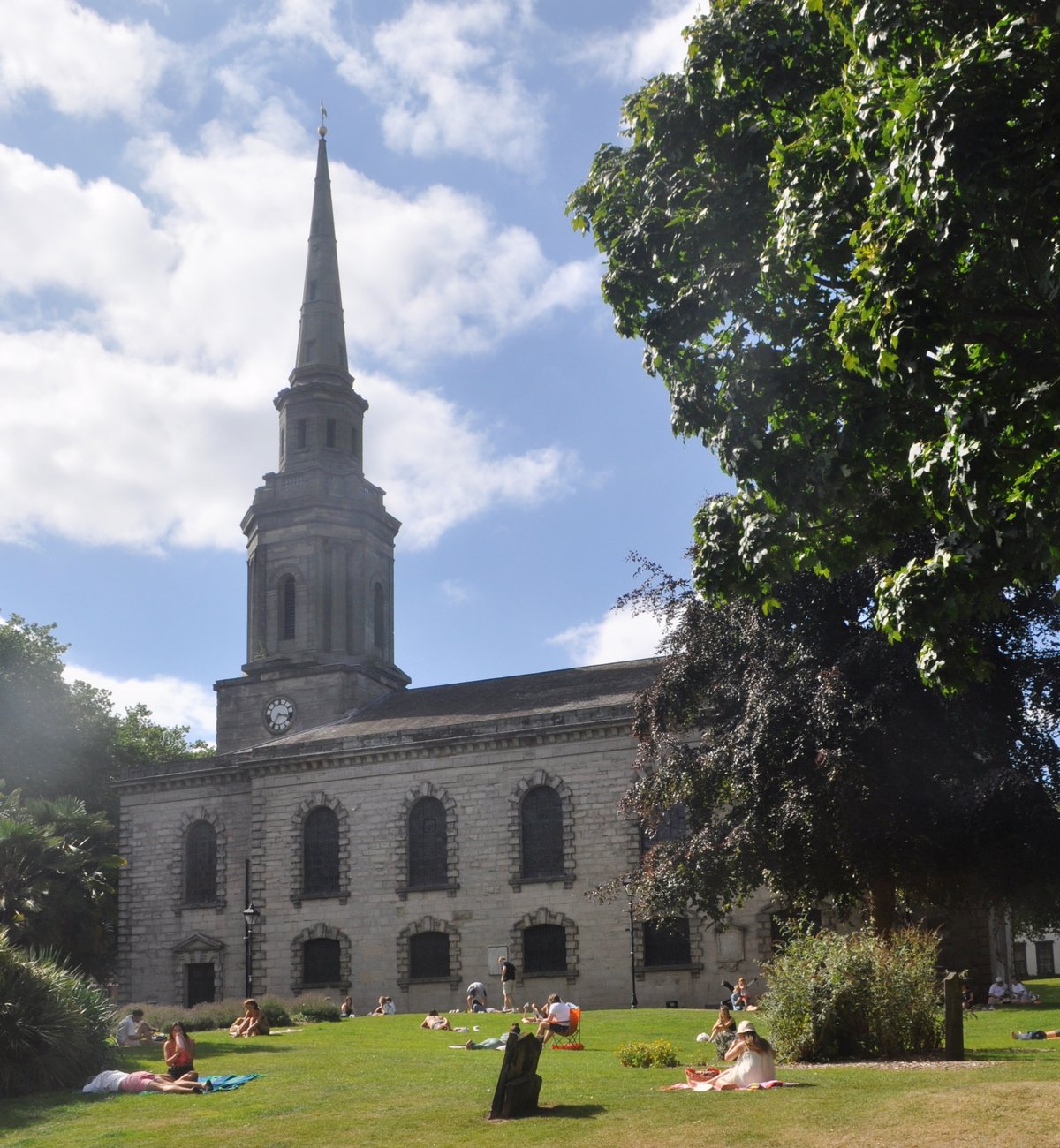
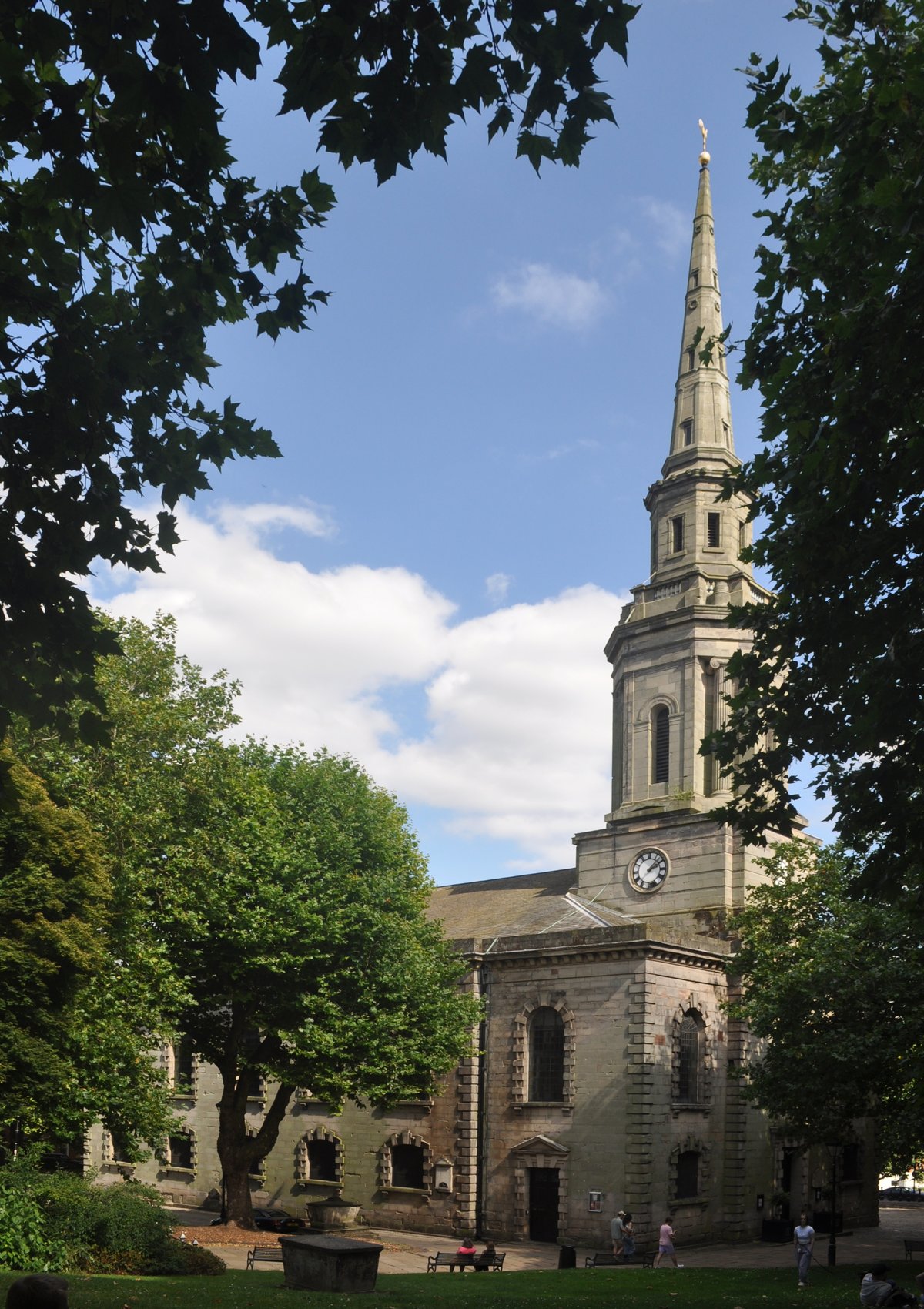
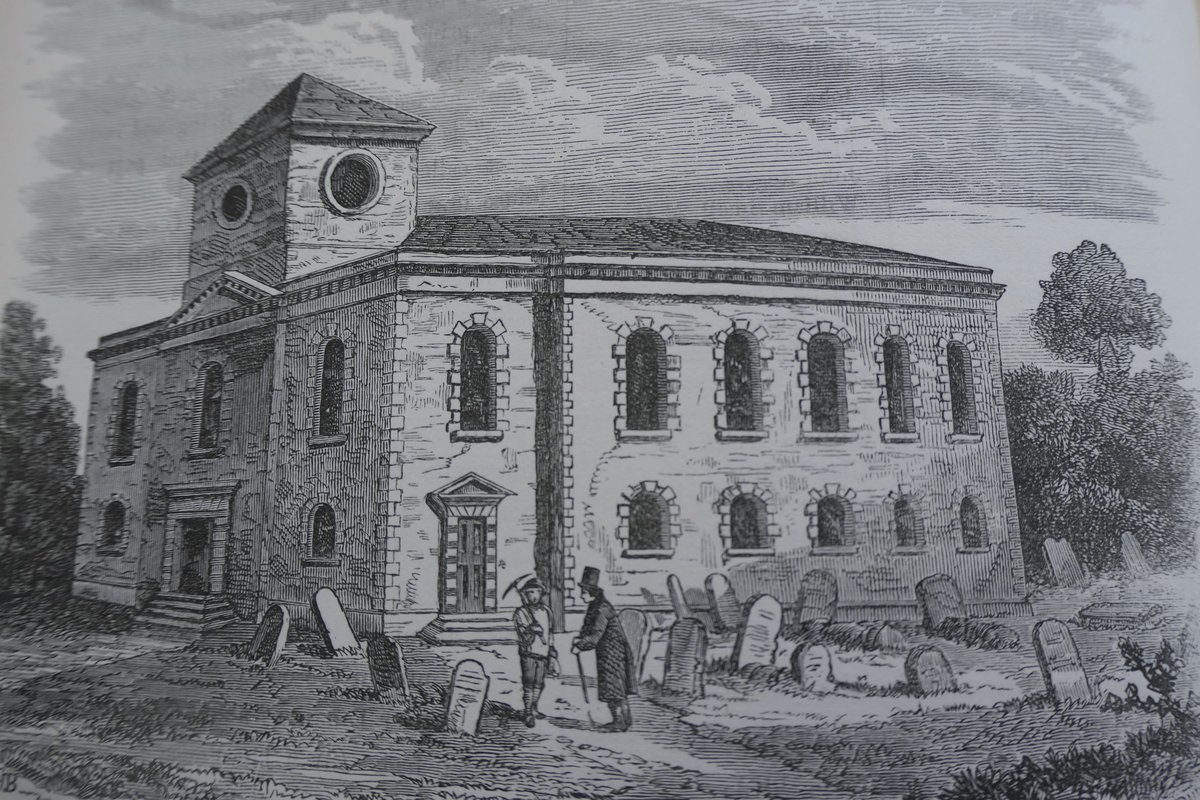
St Paul’s Church sits at the center of St Paul’s Square, Birmingham’s only surviving Georgian square. Its construction began in 1777, designed by Roger Eykyn of Wolverhampton, on land donated by Charles Colmore. The church was consecrated in 1779 to serve the rapidly growing population of the Jewellery Quarter, which was home to many of the city’s industrial and mercantile elite (icyeurope.com; Wikipedia).
Architectural Significance
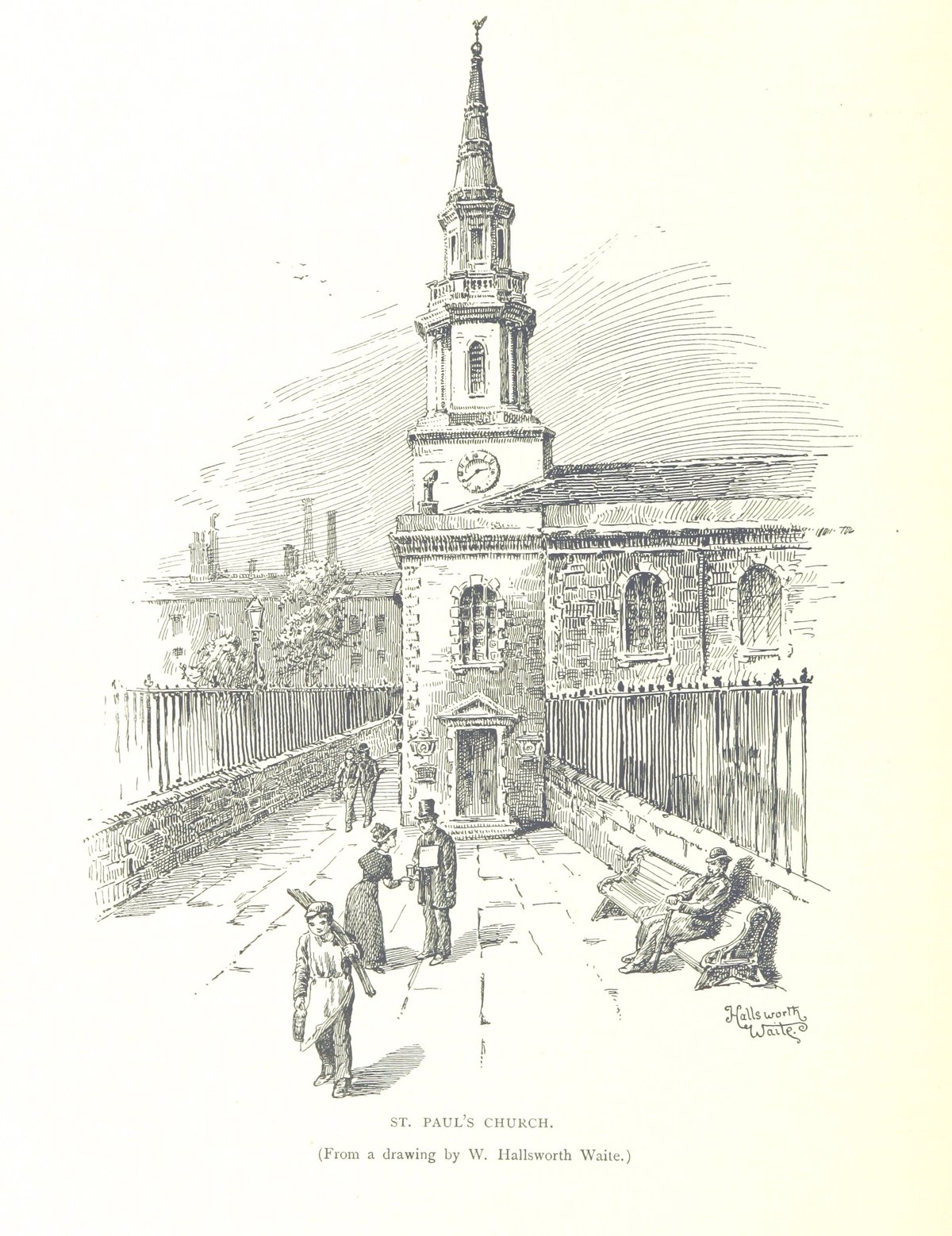
St Paul’s exemplifies the neoclassical style, with its rectangular plan, tall sash windows, and understated elegance inspired by St Martin-in-the-Fields in London. The addition of a spire by Francis Goodwin in 1823 gave the church a prominent place on Birmingham’s skyline (National Churches Trust). The building is rendered and painted to imitate stone, typical of Georgian cost-saving measures, and the use of round-arched windows and an apsidal chancel mark its distinctive style.
Key interior features include original box pews, which illustrate the social structure of 18th-century Birmingham, and a nave flooded with light from large windows. The Venetian east window, designed by Benjamin West and crafted by Francis Eginton in 1785, depicts the Conversion of St Paul and stands as a masterpiece of stained glass (Warks Bells).
Notable Events and Historical Moments
St Paul’s was the spiritual home to prominent industrialists like Matthew Boulton and James Watt. Over the centuries, it has hosted civic gatherings, concerts, and charitable initiatives, and it survived the Second World War with its historical fabric largely intact. In the 21st century, the church continues to adapt, hosting a range of cultural and community events that reflect its ongoing significance (BirminghamWorld).
Role in the Local Community
St Paul’s Church is a cornerstone of life in the Jewellery Quarter, offering a venue for baptisms, weddings, funerals, and countless community events. It is actively involved in social welfare, supporting local charities and initiatives to address needs such as poverty and homelessness. In recent decades, the church has embraced its role as a cultural hub, hosting concerts, exhibitions, public lectures, and festivals, and supporting local creative talent (misstourist.com; bbc.co.uk).
Visitor Information
Visiting Hours
St Paul’s Church generally welcomes visitors Monday to Saturday, from 10:00 AM to 4:00 PM, though hours may vary for public holidays, private events, or concerts. For the latest and most accurate information, always check the official St Paul’s Church website.
Tickets and Entry Fees
Admission to St Paul’s Church is free, reflecting its commitment to accessibility and community engagement. Donations are warmly encouraged to help preserve the church and support its outreach programs.
Accessibility
The church is wheelchair accessible, with step-free entry at the main entrance and accessible restroom facilities. Assistance for visitors with disabilities is available—contact the church in advance to arrange support.
Guided Tours and Special Events
Guided tours, available by appointment, offer in-depth insights into St Paul’s architecture, history, and art. The church also regularly hosts concerts, art exhibitions, and community gatherings. Some special events, such as concerts or masterclasses, may require tickets, which can be booked online or at the door (National Churches Trust).
Nearby Attractions and Travel Tips
St Paul’s Church is ideally situated within the Jewellery Quarter, home to artisan shops, galleries, and renowned museums like the Museum of the Jewellery Quarter and the Pen Museum. The square’s Georgian buildings now house cafes and restaurants, providing perfect spots to relax before or after your visit.
The church is easily accessible via public transport, with Jewellery Quarter train and tram stations nearby. Limited parking is available, but public transport is recommended due to the area’s pedestrian-friendly design (Official St Paul’s Church Birmingham Website).
Artistic and Cultural Highlights
- Venetian East Window The 1785 stained glass window by Francis Eginton, after a design by Benjamin West, is a celebrated example of Georgian stained glass artistry.
- Original Box Pews These rare features, marked with enamel plaques, offer a glimpse into the church’s social history.
- Bells In 2005, a new peal of ten bells was installed, and the church is home to the “Birmingham School of Ringing,” ensuring the tradition continues (Warks Bells).
- Musical Heritage St Paul’s is renowned for its acoustics and hosts regular concerts, including performances during the Birmingham Jazz Festival (BirminghamWorld).
St Paul’s Square and Urban Context
St Paul’s Square is the last remaining Georgian square in Birmingham, with harmonious proportions and tranquil surroundings. The church’s relationship to its urban setting exemplifies Georgian town planning, where sacred and civic spaces coexisted. Today, the square is a conservation area, offering a peaceful retreat and a glimpse into the city’s pre-Victorian landscape (icyeurope.com).
Frequently Asked Questions (FAQ)
Q: What are the opening hours of St Paul’s Church?
A: Monday to Saturday, 10:00 AM to 4:00 PM (check the official website for updates).
Q: Is there an admission fee or are tickets required?
A: Entry is free. Tickets may be required for certain events and concerts.
Q: Are guided tours available?
A: Yes, by appointment. Special tours are available during heritage events.
Q: Is the church accessible for wheelchair users?
A: Yes, with step-free access and accessible toilets.
Q: Can I take photographs inside the church?
A: Photography for personal use is generally permitted outside service times. Commercial photography requires permission.
Preservation and Contemporary Significance
As a Grade I listed building, St Paul’s Church is recognized for its national importance. Ongoing preservation efforts, such as the “Raise the Roof” campaign, demonstrate a strong commitment to safeguarding the church for future generations. St Paul’s continues to offer regular worship services, cultural programming, and community support, remaining a vital presence in Birmingham’s contemporary landscape (BirminghamWorld).
Legacy and Continuing Relevance
St Paul’s Church is a testament to Birmingham’s transformation from provincial town to industrial powerhouse. Its architecture, artistic treasures, and enduring community role encapsulate the city’s heritage and its evolving identity. Today, visitors and locals alike find inspiration in its tranquil setting, vibrant events, and living history (misstourist.com).
Discover More
Experience Birmingham’s rich history by visiting St Paul’s Church. For the latest details on visiting hours, tours, and cultural events, visit the official website, follow St Paul’s Church on social media, and download the Audiala app for personalized guides to Birmingham’s historic sites. Support ongoing preservation by donating to the “Raise the Roof” campaign and consider attending one of the many community events throughout the year.