
Barber Institute of Fine Arts
Located on the University of Birmingham’s Edgbaston campus, the Barber Institute of Fine Arts is a major cultural and historical landmark in Birmingham. Its collections include European paintings, sculpture, decorative arts and an internationally significant collection of coins. The Institute also presents concerts, exhibitions and educational activities.
The permanent collection is free to visit. However, the galleries are closed during a major refurbishment: the closure is described as starting on 27 January 2025 and also as beginning in February 2025. It is expected to last approximately seven months, with reopening anticipated in autumn or late autumn 2025. During the closure, the Institute continues to share its collections and expertise through offsite exhibitions, digital resources and community programmes. Check the official Barber Institute website for current information and events, alongside Discover the Barber Institute of Fine Arts and Visiting the Barber Institute of Fine Arts.
History and architecture
Dame Martha Constance Hattie Barber founded the Institute in 1932 in memory of her husband, Sir Henry Barber. It was conceived as a centre for the study and enjoyment of art and music. The founding trust stipulated that acquisitions should meet the highest standards, comparable to those of the National Gallery and Wallace Collection. The Institute opened in 1939 with a modest collection, which has since grown to include over 160 paintings, 800 works on paper, sculpture, decorative arts and an internationally significant coin collection (University of Birmingham).
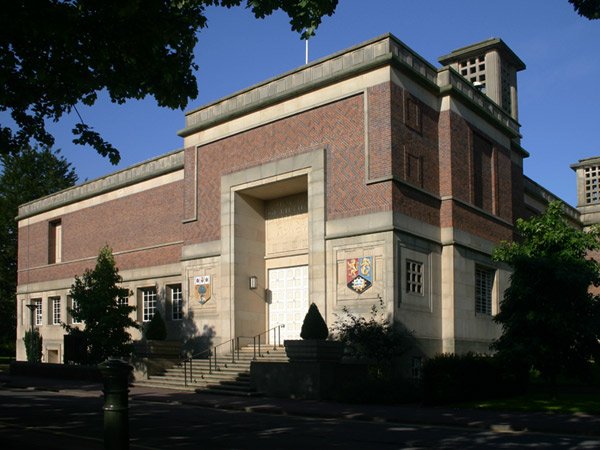
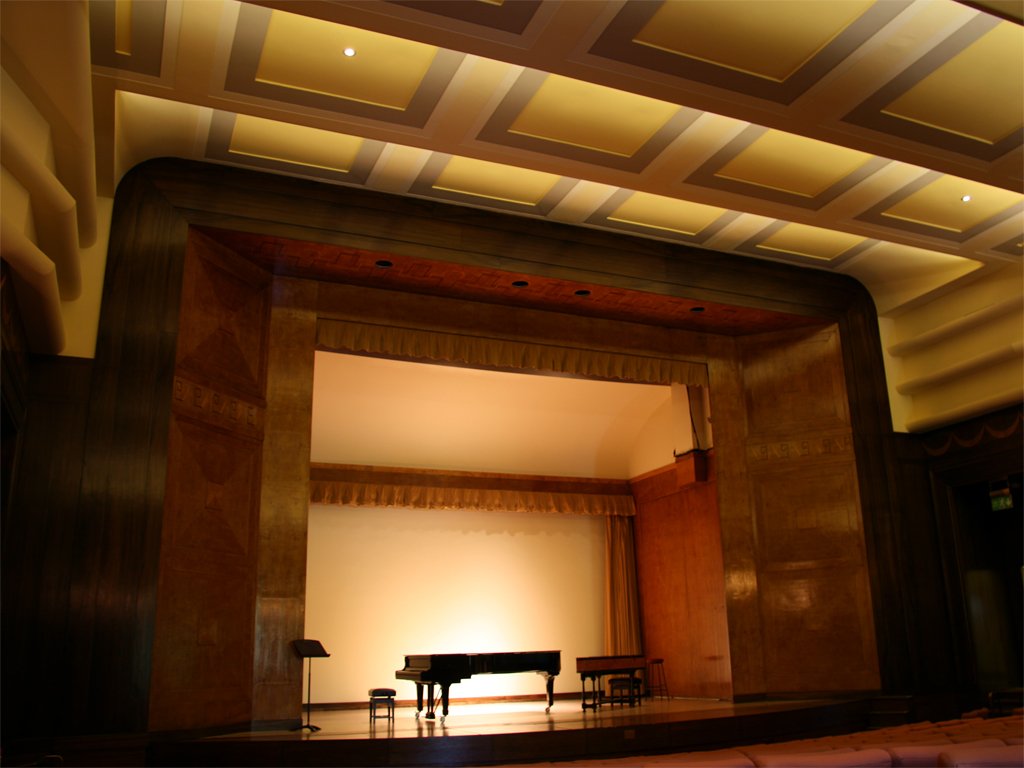
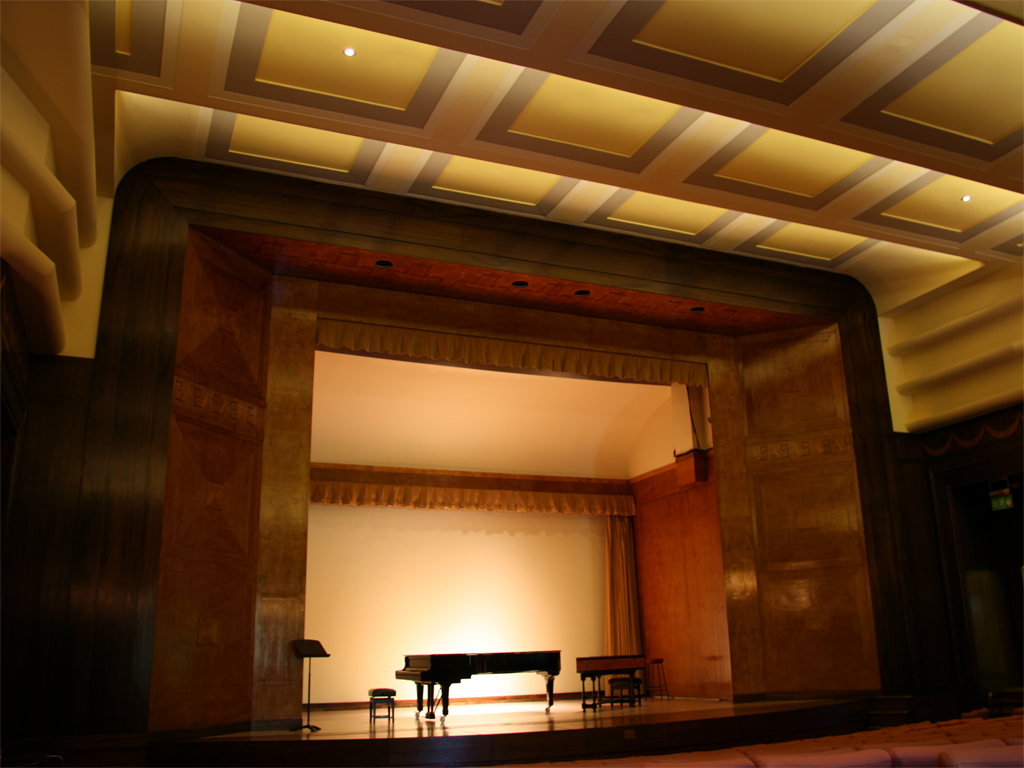
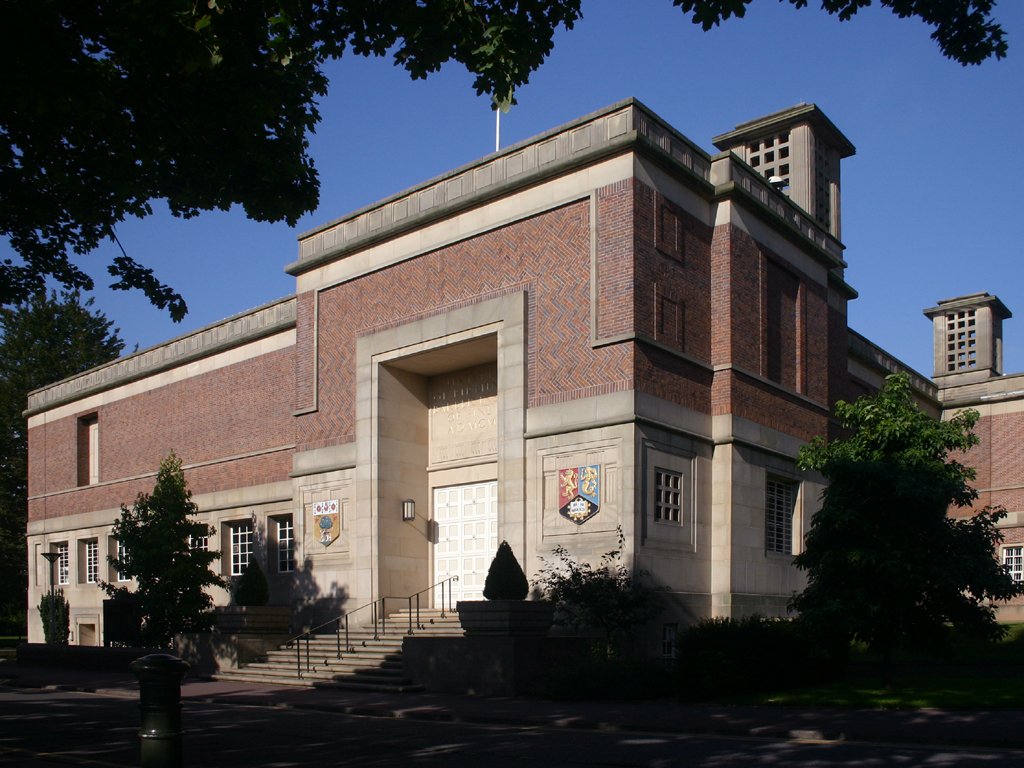
Designed by Robert Atkinson, the Institute’s Art Deco building is noted for its elegant lines, geometric forms and integration of cultural and academic spaces. Its central concert hall is surrounded by galleries, lecture halls and library spaces. Heraldic shields by Gordon Herickx decorate the exterior. The building gained Grade I-listed status in 2020.
Refurbishment includes a £10 million upgrade. Phase One was completed in June 2024, with gallery enhancements, new air handling, a thematic redisplay of the Green Gallery and improved building controls. The galleries reopened on 22 June 2024. Phase Two, from February to autumn 2025, involves closure for major entrance, accessibility and concert hall upgrades.
Collections, exhibitions and online access
The collection spans European art from the Renaissance to the 20th century:
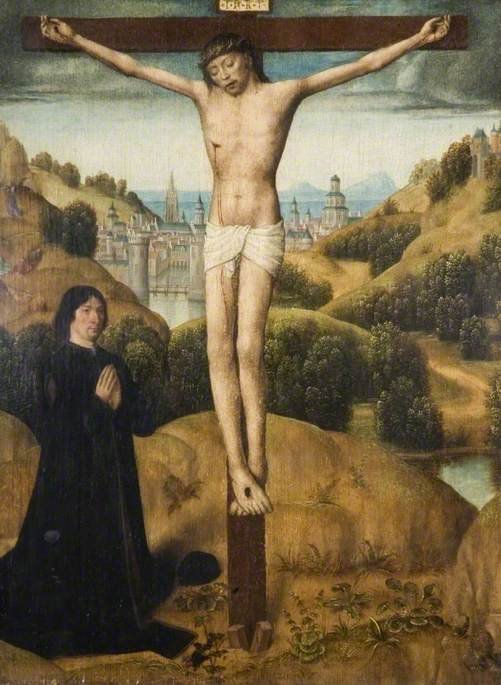
- Paintings Approximately 160 works, including paintings by Bellini, Botticelli, Monet, Van Gogh and Rossetti (The Courtauld Gallery).
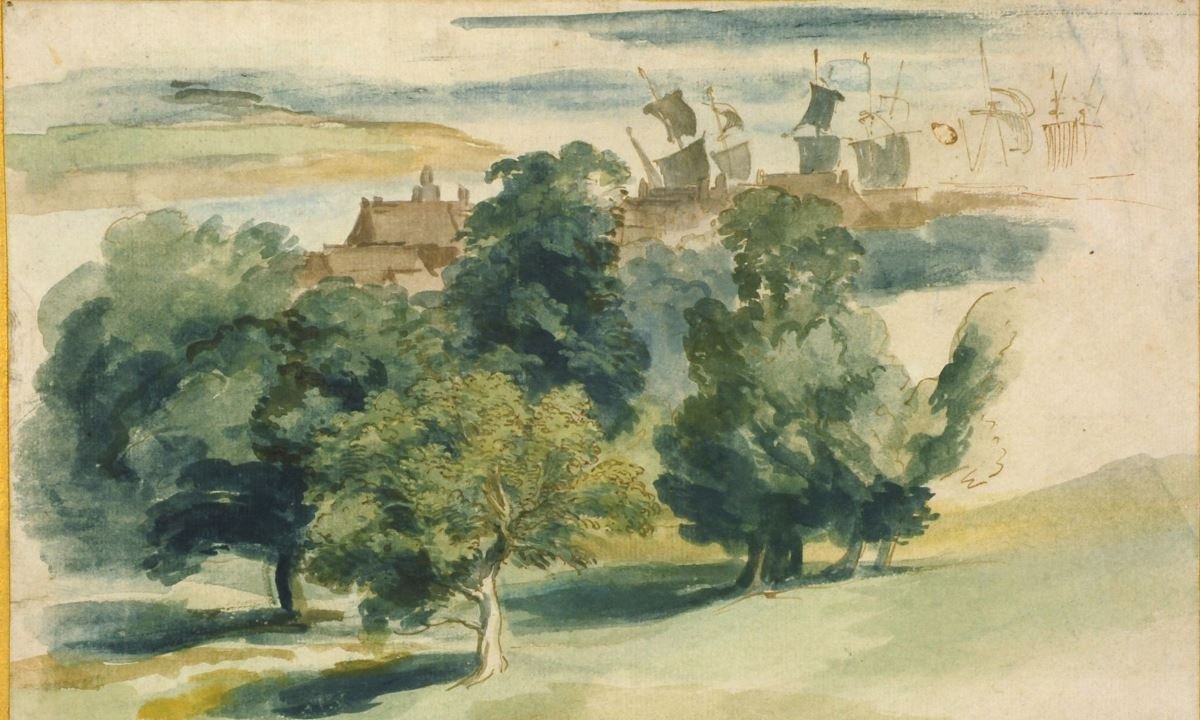
- Works on paper More than 800 drawings, prints and watercolours, viewable by appointment (Barber Institute FAQs).
- Sculpture and decorative arts Works by Rodin and others, offering a survey of European art (University of Birmingham).
- Coins One of Europe’s most significant numismatic collections, available for research by appointment (Barber Institute FAQs).
The Prints and Drawings and Coin Study Rooms remain accessible by appointment. The Institute’s Barber Home initiative offers virtual exhibitions, online talks, podcasts and digital study resources (Barber Institute FAQs). Virtual tours and high-quality image galleries are also available through the official website.
Recent and touring exhibitions include:
- Scent and the Art of the Pre-Raphaelites (October 2024–January 2025), a multisensory exhibition about the role of scent in Pre-Raphaelite art (The Collector, Barber Institute Exhibition).
- Works from the collection featured in international exhibitions, including The Tudors: Art and Majesty in Renaissance England (University of Birmingham).
- During the 2025–2026 refurbishment period, offsite exhibitions include Inventing Post-Impressionism: Works from the Barber Institute of Fine Arts at Charleston, Firle (Barber Offsite Exhibitions) and The Barber in London: Highlights from a Remarkable Collection at The Courtauld Gallery (The Courtauld Gallery).
Practical visiting information
Hours, tickets and closure
When the galleries are open, typical hours are Tuesday–Saturday, 10:00 AM–5:00 PM, and Sunday, 12:00 PM–5:00 PM. The Institute is closed on Mondays and public holidays.
The galleries closed for refurbishment from 27 January 2025; other descriptions give the closure start as February 2025. The closure is expected to last approximately seven months, with reopening anticipated in autumn or late autumn 2025.
General admission is free. Some special exhibitions, concerts and other events require tickets; advance booking is recommended. Tickets can be booked through the official Barber Institute website.
Getting there and accessibility
The Institute is on the University of Birmingham campus. It can be reached by train via University station, by frequent bus services, taxi or car. Parking is available on campus, although parking is limited; Blue Badge spaces are available on campus, including near the entrance. Directions are available on the Barber Institute website.
The building has step-free routes, a staff-operated lift and accessible toilets. The main entrance has shallow steps; a sloped ramp with an intercom is available at the rear, and a level-access entrance is planned after refurbishment. Other facilities include portable seating and hearing loops. Assistance, guide and hearing dogs are welcome. Visitors with specific access requirements are encouraged to contact the Institute before visiting. Further details are on the Barber Access Information page.
For offsite activities, accessible venues are prioritised and details are provided online. Digital accessibility includes transcripts and alternative formats, with ongoing website improvements for screen readers. Visitors can contact the Institute by phone or email for support (Barber Contact).
Tips and activities
Regular free guided tours explore the collection and the building’s architecture. The concert hall hosts classical music performances, for which advance booking is recommended.
During refurbishment, the Institute partners in city-wide festivals and presents pop-up exhibitions and workshops across Birmingham. Digital and at-home activities include the “Bitesize” podcast series, online lectures, downloadable activity packs, virtual workshops and remote access to artwork images and information (Barber Learning).
Educational programmes include workshops, research and student-led exhibitions for university students; outreach and downloadable lesson resources for schools; offsite family workshops and at-home creative challenges; and inclusive community programmes promoting health and wellbeing through the arts (Barber Learning).
The building’s Art Deco features, inside and out, offer photographic opportunities. Visitors are encouraged to share photos using #BarberInstitute. The Audiala app is also suggested for curated tours and updates.
Check the official Barber Institute website before visiting for current hours and updates. Notify reception if you need step-free access, and plan ahead for special exhibitions or group visits.
Key refurbishment dates
- 22 June 2024 Galleries reopened after Phase One refurbishment.
- February 2025 Building closure for Phase Two refurbishment, described as lasting seven months.
- Late autumn 2025 Anticipated full reopening with enhanced facilities.
Further updates are available on the Barber Institute’s official website and in its press releases.
Nearby places
Other destinations listed near the Barber Institute include:
- Birmingham Museum and Art Gallery
- Ikon Gallery
- Birmingham Botanical Gardens
- Winterbourne House and Garden
- Winterbourne Botanic Garden
- The University campus
These attractions are described as reachable by public transport or a short drive from the University campus.
Related resources: Top Historical Sites to Visit in Birmingham, Exploring University of Birmingham Campus Attractions, and Guide to Art Exhibitions in the UK.
Frequently asked questions
What are the Barber Institute’s opening hours?
See “Hours, tickets and closure” above for the typical hours and current closure information.
Is there an admission fee?
General admission is free; some special exhibitions, concerts and events require tickets.
How do I book tickets for concerts or special events?
Book through the Barber Institute’s official website.
Is the Barber Institute wheelchair accessible?
See “Getting there and accessibility” above for access routes and facilities.
Are guided tours available?
Regular free guided tours are offered when the Institute is operating.
What are the best transport options?
The Institute can be reached by train via University station, bus, taxi or car; campus parking is available.