Birmingham.

52° N · 1° W United Kingdom

The first thing that hits you in Birmingham is the smell of chocolate still drifting across the canal from the old Cadbury works. Most visitors expect a monochrome industrial relic. Instead they find a city that quietly rewrote its own story without asking permission, where 19th-century brick meets glass without apology.
Listen to the guide — 47 min Open the map
Birmingham, United Kingdom
Birmingham · United Kingdom
12
attractions
3-5 days
days suggested
Spring (April-June)
best season
EN · EN
narration

03 Top tickets in Birmingham.

Book ahead

Curated from places in this city. Same price as official sites.

Skip the Line: House and Garden Admission Ticket
Winterbourne House And Garden
Skip the Line: House and Garden Admission Ticket
4.6 from €11.93
SEA LIFE Birmingham Admission Ticket
National Sea Life Centre
SEA LIFE Birmingham Admission Ticket
3.3 from €22.22

Prices shown are indicative — final pricing and availability are confirmed at checkout. Audiala may receive a commission from bookings made via these links.

01 An introduction

synthesized from 240+ sources ·

BThe first thing that hits you in Birmingham is the smell of chocolate still drifting across the canal from the old Cadbury works. Most visitors expect a monochrome industrial relic. Instead they find a city that quietly rewrote its own story without asking permission, where 19th-century brick meets glass without apology.

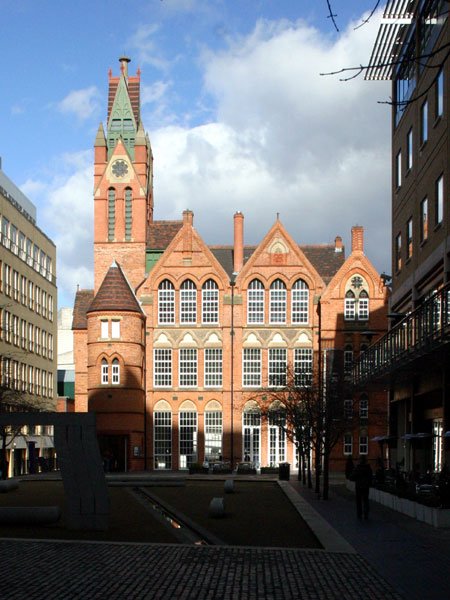
Its roots run deep into the Industrial Revolution. Matthew Boulton’s Soho House still stands in Handsworth, the place where steam engines were perfected and dinner parties hosted Erasmus Darwin and Josiah Wedgwood. Yet the same city now houses the Ikon Gallery in a former school and lets street artists loose on Digbeth’s factory walls.

The contradictions are the point. You can walk from the last remaining back-to-backs courtyards, where entire families lived in four small rooms, to the Library of Birmingham’s tenth-floor terrace in twenty minutes. One smells of coal smoke and damp linen in memory. The other smells of rain on warm concrete and possibility.

Family Friendly Budget Friendly Photography Hotspot

02 Why Birmingham.

What makes this place worth slowing down for.

Industrial Ghosts

The Back to Backs on Inge Street are Birmingham’s last surviving courtyard houses from the 1830s. Step inside the tiny parlours where entire families lived and worked; the smell of coal smoke still seems to linger in the plaster.

Digbeth Street Art

Once home to Bird’s custard and Typhoo tea factories, Digbeth now wears its industrial brick like canvas. Massive murals appear overnight; one Tommy Shelby silhouette stares down from a gable end as if he never left Small Heath.

Sound of the City

Symphony Hall’s acoustic canopy was engineered so precisely that musicians say they can hear each other breathe. On any given night the same walls that once echoed with heavy metal at the O2 Academy now carry Mozart with equal clarity.

Secret Canals

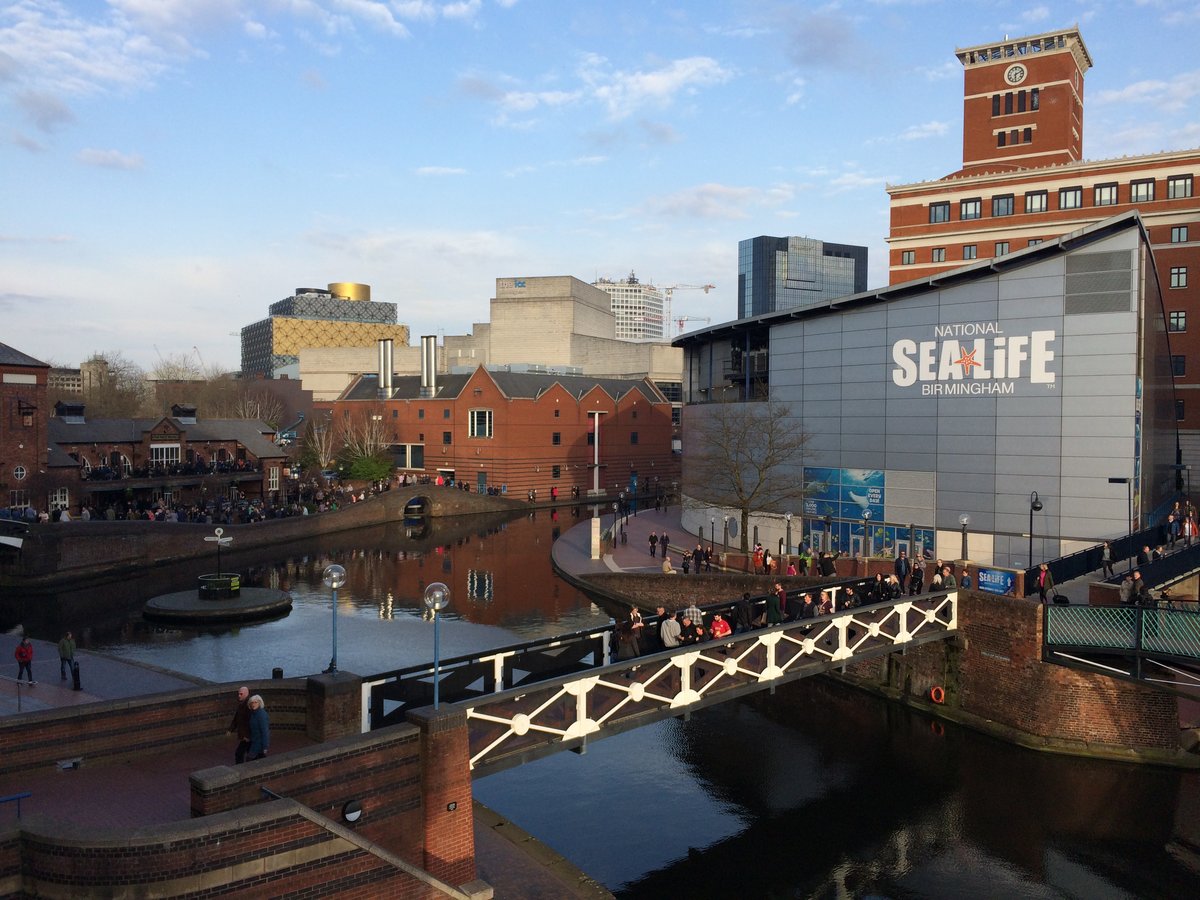
Birmingham has more miles of canal than Venice. Walk the towpath between Brindleyplace and the Custard Factory at dusk and the city suddenly feels hushed, the water reflecting glass towers and 19th-century warehouses in equal measure.


03 Places to Visit.

Not every monument, just the ones we'd walk you past ourselves.
Villa Park
Editor's pick
01 · Place

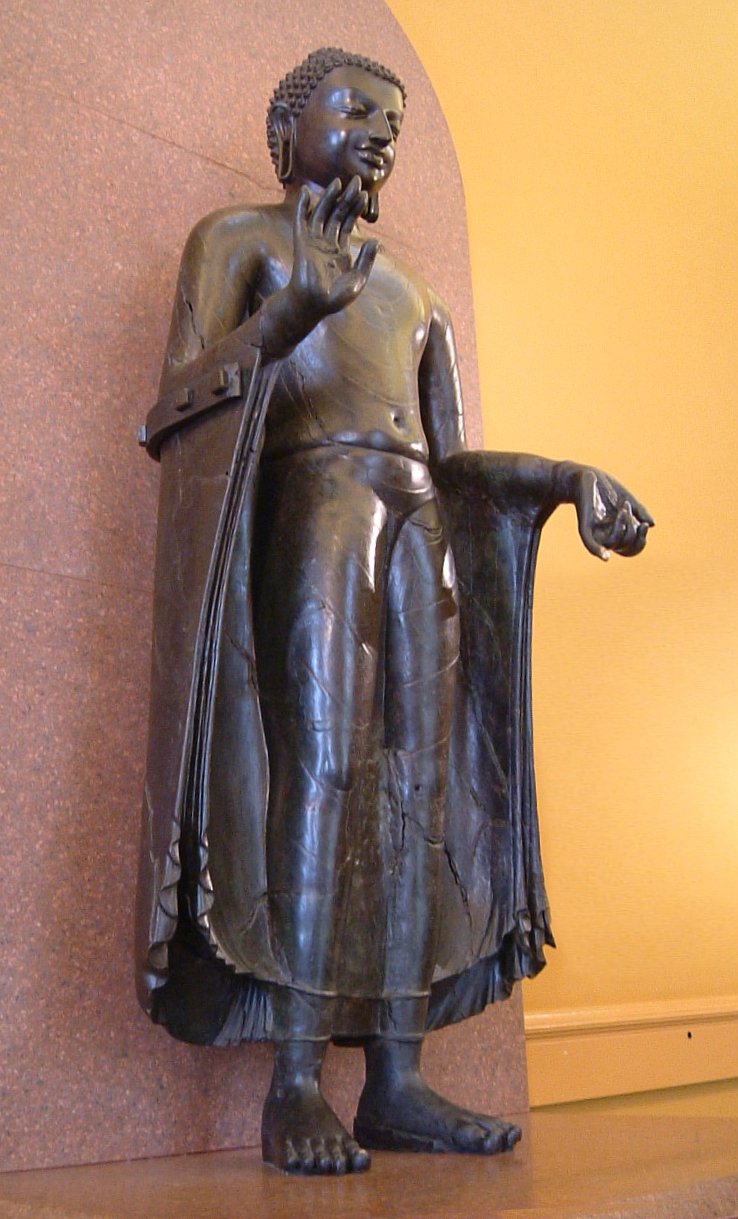
Villa Park

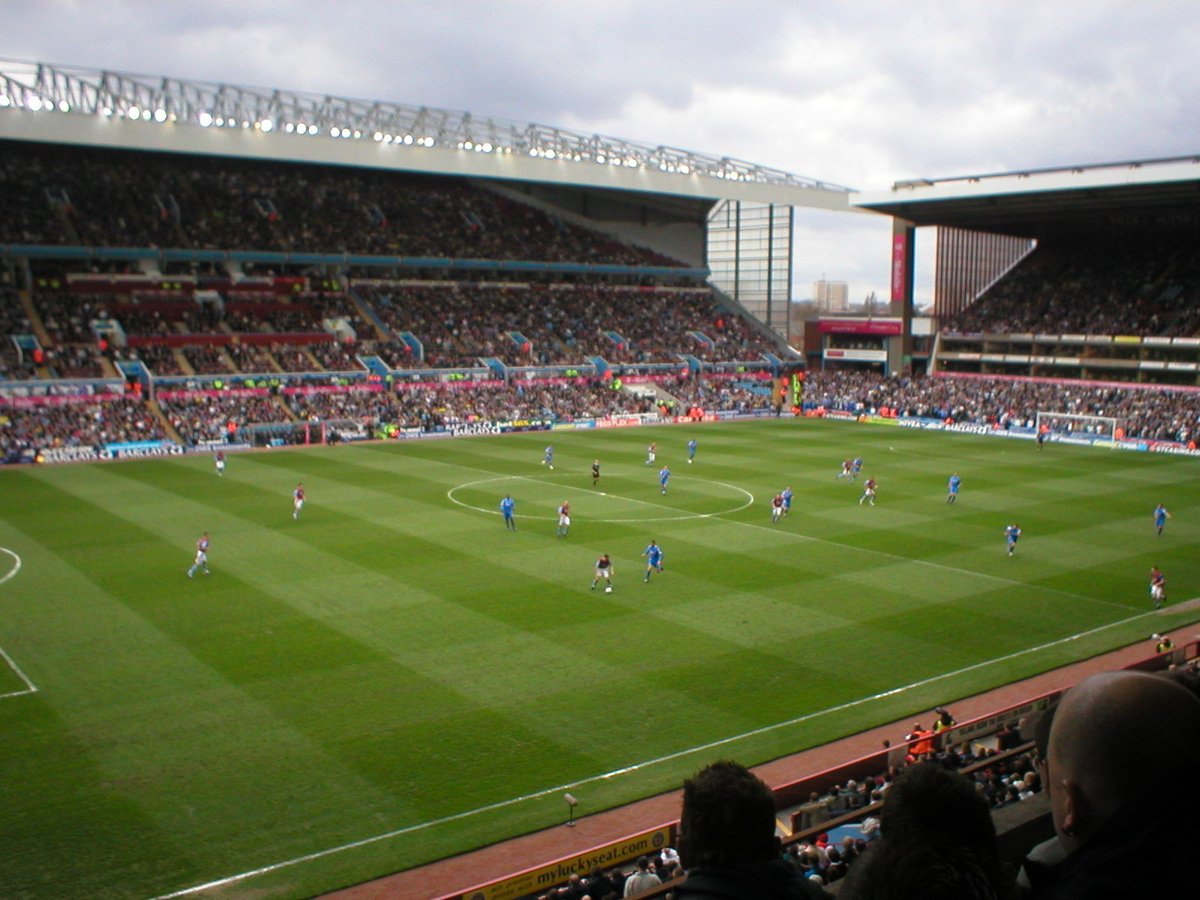
Villa Park, the historic home of Aston Villa Football Club since 1897, stands as one of Birmingham’s premier landmarks and a treasured monument in the English…

Birmingham Museum and Art Gallery
02 Place

Birmingham Museum and Art Gallery

Nestled in the vibrant heart of Birmingham, the Birmingham Museum and Art Gallery (BMAG) stands as a beacon of the city’s rich industrial heritage, artistic…

03 Place

St Philip'S Cathedral

Discover the rich history and stunning architecture of the Cathedral Church of Saint Philip in Birmingham, United Kingdom.

04 Place

St Philip'S Cathedral

Discover the rich history and stunning architecture of the Cathedral Church of Saint Philip in Birmingham, United Kingdom.

Sutton Park
05 Place

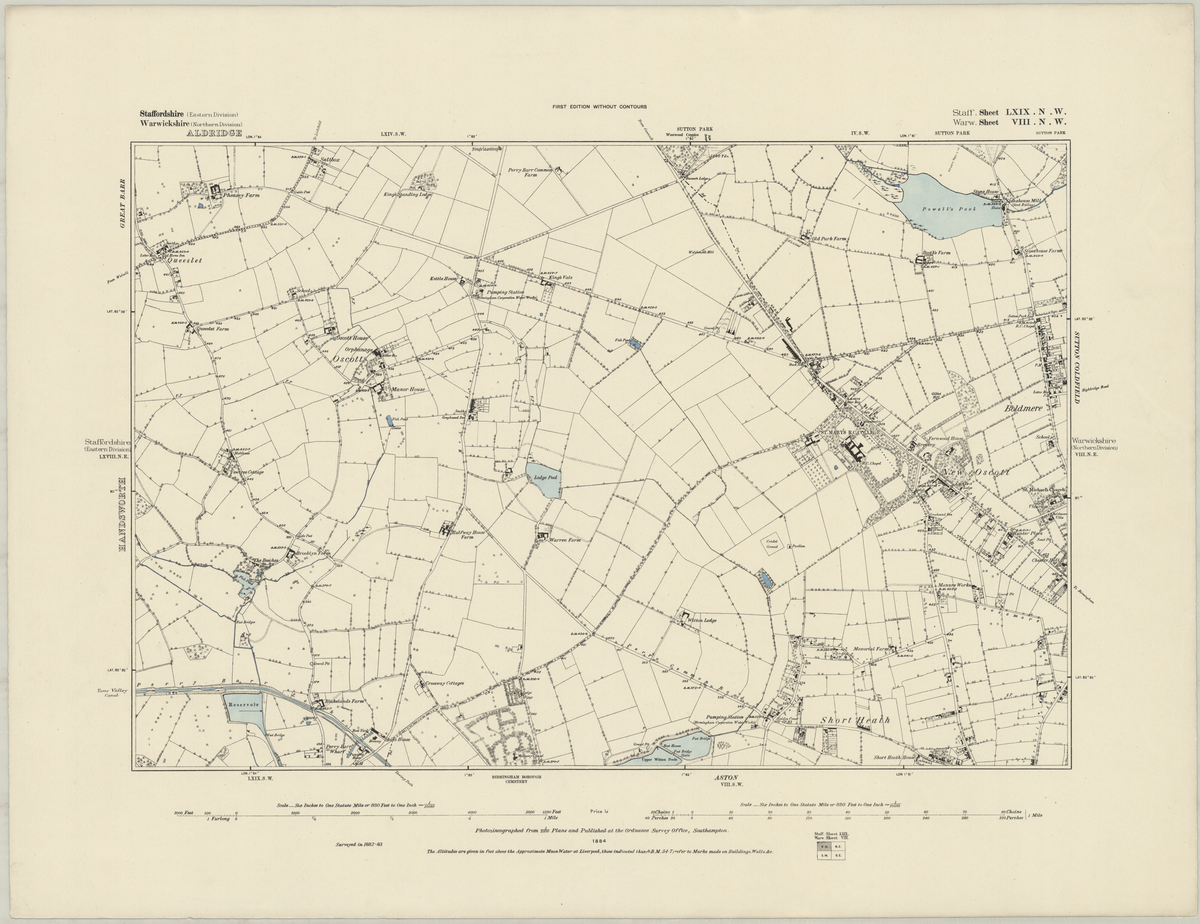
Sutton Park

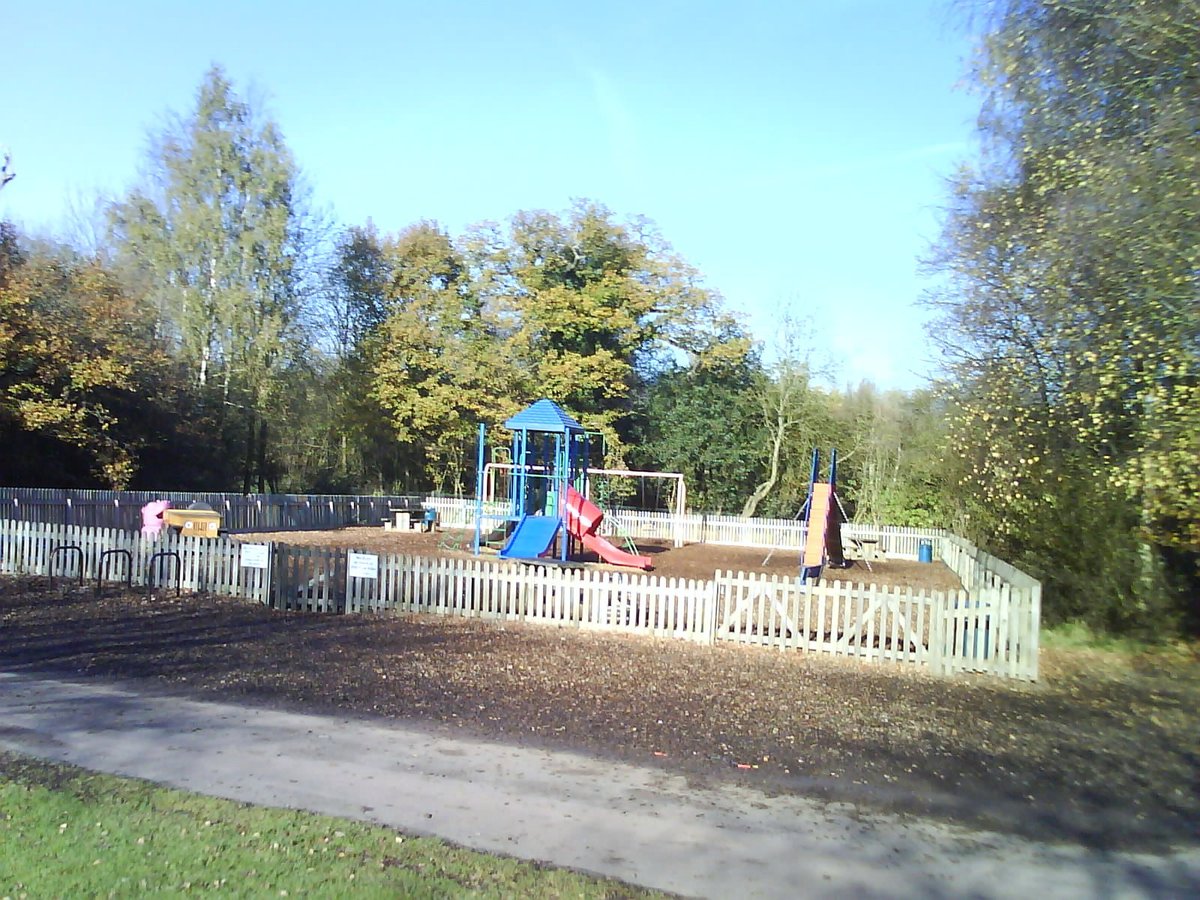
The Jamboree Stone in Birmingham, United Kingdom, stands as a monumental tribute to the global Scouting movement, symbolizing decades of international…

James Watt
06 Place

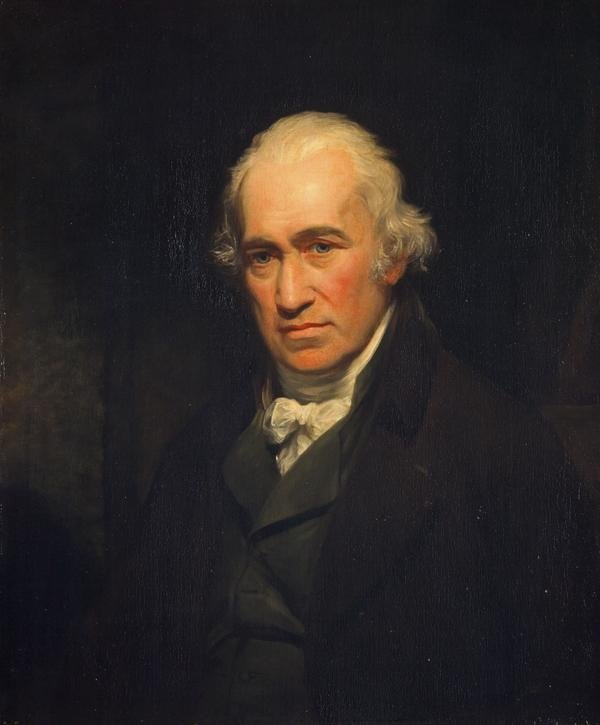
James Watt

James Watt stands as a towering figure in the history of engineering and the Industrial Revolution, with his revolutionary improvements to the steam engine…

St Chad'S Cathedral
07 Place

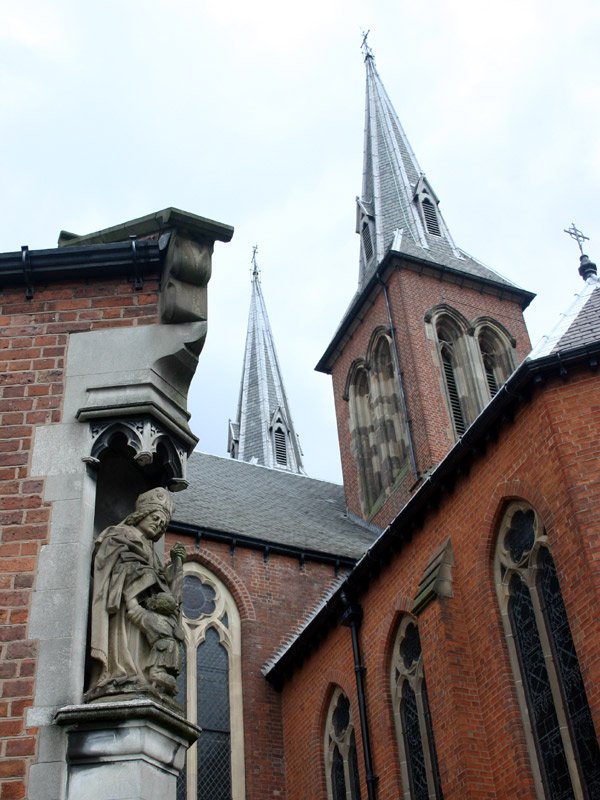
St Chad'S Cathedral

St Chad’s Cathedral in Birmingham stands as a remarkable testament to both religious revival and architectural excellence, deeply interwoven with England’s…

All 344 places in Birmingham

04 Neighborhoods.

Where to wander, by quarter — each with its own rhythm.

01

Digbeth

Once home to Bird’s custard and Typhoo tea factories, Digbeth now wears its industrial bones openly. Street art covers every available brick, the Custard Factory has been carved into studios and bars, and the Sunday Digbeth Dining Club fills the car park with smoke from competing street-food stalls. The echoes of Peaky Blinders walking tours bounce off the same walls where real slogging gangs once gathered.

02

Jewellery Quarter

Two hundred years of fine metalwork still hums along Hockley and Vyse Street. Over a hundred small workshops remain, many with their original shopfronts. By day you can watch silversmiths at their benches. By night the same buildings become bars serving cocktails in old assay offices. The contrast between delicate craft and post-industrial drinking culture is pure Birmingham.

03

West Side

Brindleyplace’s canal basins catch the light perfectly at golden hour. The National SEA LIFE Centre sits beside bars where the city’s Gay Village spills out on summer evenings. Chinatown begins a block away, bringing late-night soup dumplings and neon reflections on the water. The whole district feels like it was designed for wandering after dark.

04

Stirchley

Ten minutes south by train and the pace changes. Stirchley’s high street has become the place locals go when they want serious food without ceremony. Independent cafés roast their own coffee, natural wine bars sit next to Persian grocers, and the queues form early for the cult-status bakery. It feels like the neighborhood everyone wishes their own city had kept secret.

05

City Centre

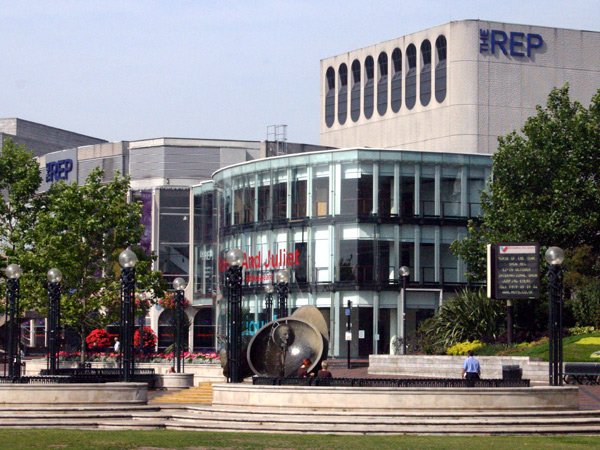
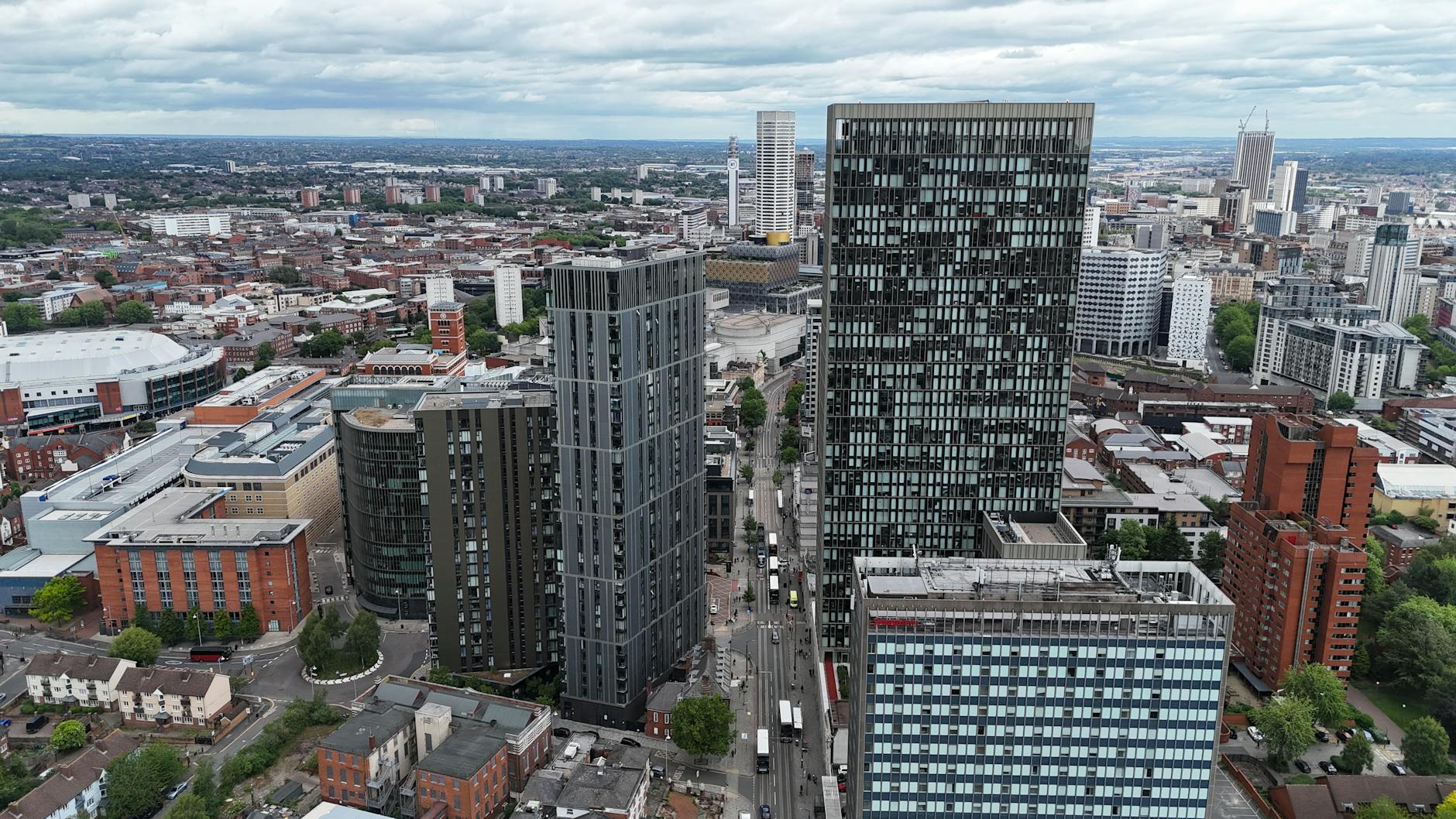
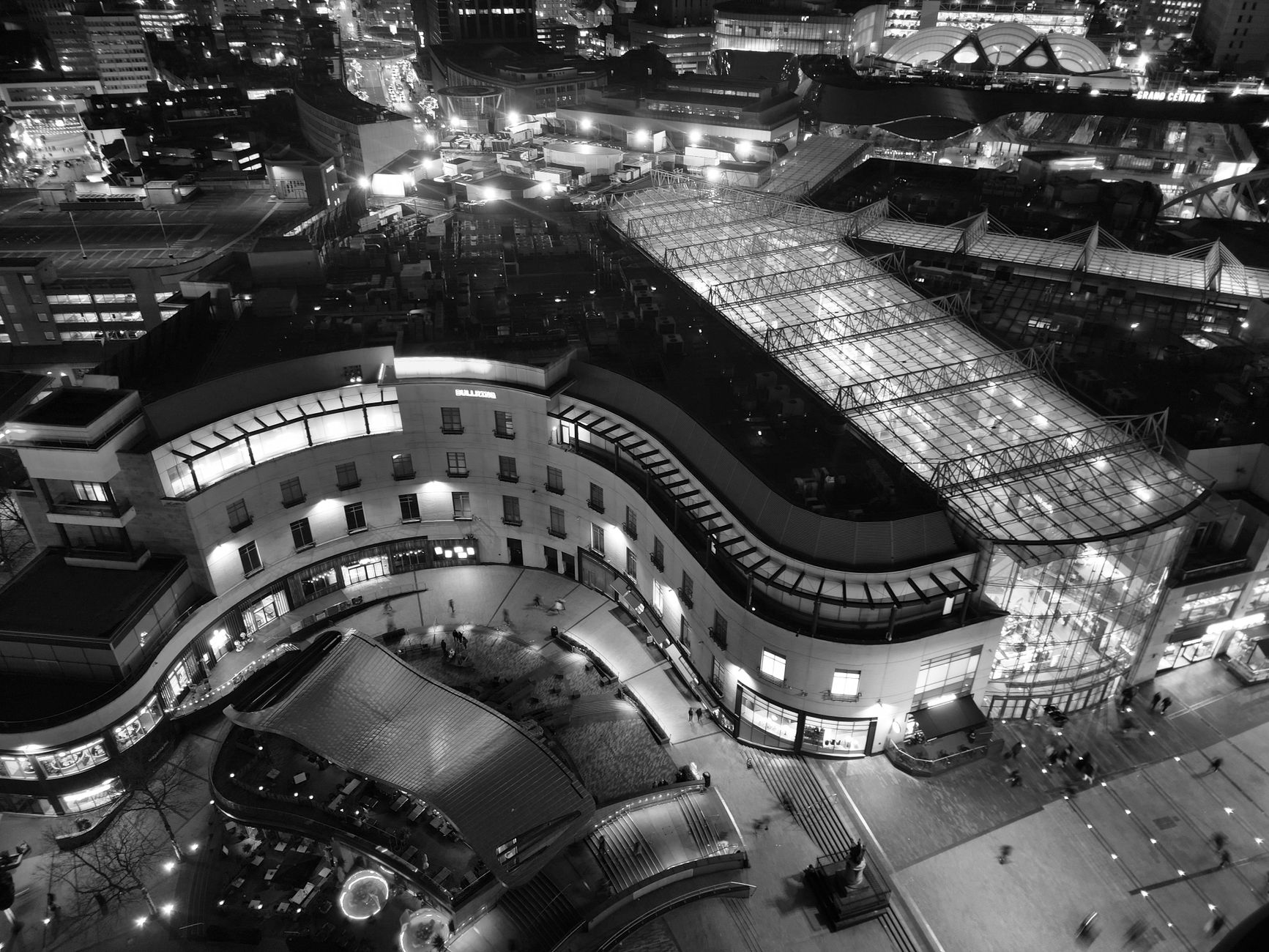
The Bullring and Grand Central dominate with their shops, yet the real pleasure lies in the contrast between sleek steel and the grandiose stone of Victorian buildings that refused to be demolished. Symphony Hall’s acoustic perfection hides inside one end while the Rep theatre quietly stages experimental work at the other. This is where the city shows its range without raising its voice.

Historical Timeline

Workshop of the World

From muddy hamlet to metal heart of Britain

Prehistoric
500,000 BCE

First Human Handaxe

A flint handaxe surfaced at Saltley. Someone shaped it half a million years ago, long before the city had a name. The tool still carries the scars of its maker's hands. That small discovery reminds us the land was never empty.

c. 8400 BCE

Mesolithic Camp at Digbeth

Hunter-gatherers lit fires beside the River Rea. Charred hazelnut shells and flint flakes turned up during later building work. For a few seasons they returned, then moved on. The ground kept their smoke.

Roman Period
c. 48 CE

Romans Build Metchley Fort

Legionaries raised timber ramparts at Metchley. For seventy years soldiers came and went, watching the native Cornovii. By 120 the fort stood empty again. Only ditches remained, quietly filling with leaves.

Anglo-Saxon
c. 600

Beormingas Claim the Settlement

The Beormingas clan cleared woodland and named the place after themselves. A modest hamlet appeared where two tracks crossed. Their language gave us the city's first syllable. Nothing else survived.

Norman England
1086

Recorded in Domesday Book

William the Conqueror's clerks wrote "Bermingeham" in their great survey. Six hides of land, a priest, and a mill. The entry barely fills two lines yet marks the first official breath of the town.

Medieval
1154

Market Charter Granted

Henry II allowed Peter de Birmingham to hold a weekly market. Within a generation the village became a town. Farmers drove cattle down what is now the Bull Ring. The smell of livestock still lingers in local memory.

1160

St Mary's Church Rises

Stone masons began work on St Mary's at Handsworth. The first church on the site still carries traces of that early masonry in its tower. Its bells later rang for market days and for the dead of two world wars.

Tudor Transition
1536

De Birmingham Line Ends

The last male heir died. The manor passed out of the family that had held it for nearly five centuries. Without feudal chains the town could trade freely. Metalworkers smelted their first real freedom.

Stuart England
1618

Aston Hall Construction Begins

Sir Thomas Holte laid the first brick of his red-brick mansion. The house took seventeen years and cost a fortune. Its great hall later echoed with laughter during the Civil War and still smells faintly of old wood and power.

English Civil War
1643

Prince Rupert Burns the Town

Royalist cavalry rode in at dawn. They torched workshops and homes in retaliation for Birmingham's support of Parliament. Smoke hung over the streets for days. The town rebuilt, angrier than before.

Industrial Dawn
c. 1760

Matthew Boulton Opens Soho Manufactory

Boulton converted an old mill into a precision workshop. Steam engines, coins, and silver plate poured out under one roof. The Lunar Society met by moonlight here. Their conversations literally lit the Industrial Revolution.

1791

Priestley Riots Explode

A mob attacked Joseph Priestley's house, laboratory, and books. They disliked his support for the French Revolution and his Unitarian faith. Flames consumed years of scientific work. Birmingham learned how quickly enlightenment could burn.

1824

John Cadbury Opens Bull Street Shop

The 23-year-old Quaker began selling tea, coffee, and cocoa at 93 Bull Street. Within decades his chocolate empire would reshape the city's south-west. Workers later lived in the model village of Bournville. The smell of roasting cocoa still drifts across the canals on certain mornings.

Victorian Boom
1842

Alfred Bird Invents Custard Powder

Unable to eat eggs, chemist Alfred Bird created an egg-free custard for his wife. The powder took off. Soon every British kitchen had a tin. Bird's factory in Digbeth filled the air with vanilla and the quiet satisfaction of solved domestic problems.

1843

School of Design Founded

Birmingham opened its own School of Design to feed the metal trades with better taste. Edward Burne-Jones walked its corridors as a boy. The Pre-Raphaelite colours that later filled galleries across Europe began here, between drawing boards and the clang of hammers.

1889

City Status Granted

Queen Victoria's charter finally recognised what everyone already knew. Birmingham had become a city. Its population had swollen to half a million. The smoke from a thousand chimneys proved the point better than any document.

Motor City
1905

Herbert Austin Builds Longbridge

Herbert Austin started making cars at Longbridge on the city's southern edge. By 1914 the factory employed 2,000 people. The Austin Seven put motoring within reach of the middle class. Birmingham traded horses for horsepower almost overnight.

1940

The Birmingham Blitz

Luftwaffe raids began in August. Over four nights in October the city took more bombs than anywhere outside London. The Bull Ring burned. Factories producing Spitfire parts became targets. Yet by morning the machines often restarted beneath tarpaulins.

1948

Ozzy Osbourne Enters the World

John Michael Osbourne was born in a small terraced house in Aston. Twelve years later he formed Black Sabbath with three other Brummies. The heavy metal sound they created came straight from the city's iron DNA. The riffs still feel like dropped anvils.

Post-War Transformation
c. 1960

Commonwealth Immigrants Arrive

Trains from Pakistan, Jamaica, and India pulled into New Street. Whole streets in Sparkbrook and Handsworth changed overnight. New mosques, temples, and cafés opened. The city that once made toys for empire now welcomed its former subjects as citizens.

2013

Library of Birmingham Opens

The new library rose ten storeys above Centenary Square. Its golden circles and viewing terraces became instant landmarks. Inside, 300,000 books waited in silence. On the roof, people looked out across the city their ancestors had forged from iron and smoke.

2022

Hosts Commonwealth Games

Athletes from 72 nations competed in venues across the West Midlands. Alexander Stadium roared. The city staged the largest multi-sport event it had ever seen. For two weeks the old workshop showed the world what it had become.

Present Day

06 Who lived here.

The people who shaped the city — and were shaped by it.

Industrialist 1728–1809

Matthew Boulton

Built his Soho Manufactory here

Matthew Boulton turned a dying button trade into a precision manufacturing empire. At his Soho House you can still feel the weight of the coins he minted and the steam engines he perfected with James Watt. He would probably smile at the Library of Birmingham’s terraces, then ask why we aren’t building faster trains.

Chocolate maker 1801–1889

John Cadbury

Opened first shop in Bull Street

John Cadbury started selling tea and cocoa from a Bull Street shop in 1824 before creating the model village at Bournville. The factory tours still smell exactly like childhood. He might be quietly horrified by today’s sugar consumption but proud that his ethical experiment outlived him by well over a century.

Musician born 1948

Ozzy Osbourne

Born and raised in Aston

Ozzy formed Black Sabbath in a Birmingham rehearsal room after leaving his job at a car horn factory. The city still claims heavy metal as its own. Walk past the old Aston Villa ground on a match day and you can almost hear the opening riff of Iron Man echoing off the same terraced streets.

Pre-Raphaelite artist 1833–1898

Edward Burne-Jones

Born in Birmingham

Born above a frame-maker’s shop in Bennett’s Hill, Burne-Jones filled the Birmingham Museum with stained-glass angels and tapestries. The Pre-Raphaelite collection there remains one of the finest outside London. He would likely approve of the street art now covering Digbeth’s old factory walls.

08 Where to Eat.

Where locals actually book dinner — not the tourist menus.

Lasan Indian Restaurant & Cocktail Bar Lasan Indian Restaurant & Cocktail Bar
Fine dining €€€€

Lasan Indian Restaurant & Cocktail Bar

4.6 View
Piccolino Birmingham Piccolino Birmingham
Local favorite €€

Piccolino Birmingham

4.6 View
Coffee Tales Jewellery Quarter Coffee Tales Jewellery Quarter
Cafe

Coffee Tales Jewellery Quarter

4.6 View
The Wellington The Wellington
Local favorite €€

The Wellington

4.6 View
BRIG Café at The Warehouse BRIG Café at The Warehouse
Cafe €€

BRIG Café at The Warehouse

4.6 View
Insomnia Cookies Insomnia Cookies
Quick bite €€

Insomnia Cookies

4.8 View

09 Insider tips.

Small things that change how the city treats you.

Visit April–June

April to June brings mild weather perfect for canal walks and Digbeth street art spotting. September and October work nearly as well with far fewer crowds.

Get a Swift Card

Buy a Swift Card at any station for seamless travel on trams, buses and trains. Contactless payment works too but the card saves money on multiple journeys.

Skip the Bullring Chains

Avoid expensive chains around the Bullring. Walk ten minutes to Digbeth Dining Club or Stirchley for far better food at half the price.

Hunt Digbeth Murals

Start at the Custard Factory and follow the evolving street art trail. The Tommy Shelby mural near Small Heath changes with the light—early morning is best.

Use National Trust Pass

Membership gets you into Birmingham Back to Backs for free. Combine with the free Birmingham Museum & Art Gallery to stretch your budget further.

Stick to Lit Routes

The city centre and Brindleyplace feel safe at night. Avoid unlit canal sections and parks after dark, especially around unpopulated stretches.

12 Frequently asked

Is Birmingham worth visiting?

Yes, especially if you like peeling back industrial layers. The last remaining Back to Backs courtyard houses, Digbeth’s street art, and the Lunar Society’s legacy give the city real character that bigger-name destinations often lack.

How many days do you need in Birmingham?

Three days works for the essentials—Back to Backs, Library of Birmingham terraces, Cadbury World and a Digbeth evening. Five days lets you add day trips to Stratford-upon-Avon or Lichfield without rushing.

How do you get from Birmingham Airport to the city centre?

Take the free Air-Rail Link monorail to Birmingham International station. Trains to New Street run every 10 minutes and take 10-15 minutes. Total journey time from terminal to centre is under 20 minutes.

Is Birmingham safe for tourists?

Generally safer than many UK cities of its size. Standard city precautions apply—watch bags in the Bullring crowds and stick to well-lit streets at night. Locals describe the overall vibe as welcoming.

When is the best time to visit Birmingham?

April to June offers the best balance of weather and manageable crowds. The Frankfurt Christmas Market in winter draws huge numbers but many visitors complain about prices.

Is Birmingham expensive to visit?

Cheaper than London. You can eat well in Stirchley or Digbeth for under £15. Many top sights including the Museum & Art Gallery, Ikon Gallery and Library terraces are free.

Ready to book?

03 Top tickets in Birmingham.

Book ahead

Curated from places in this city. Same price as official sites.

Skip the Line: House and Garden Admission Ticket
Winterbourne House And Garden
Skip the Line: House and Garden Admission Ticket
4.6 from €11.93
SEA LIFE Birmingham Admission Ticket
National Sea Life Centre
SEA LIFE Birmingham Admission Ticket
3.3 from €22.22

Prices shown are indicative — final pricing and availability are confirmed at checkout. Audiala may receive a commission from bookings made via these links.

13Before you go

Practical Information

Flight

Getting There

Birmingham International Airport (BHX) sits 8 miles east of the centre. The free Air-Rail Link monorail reaches Birmingham International station in 90 seconds; trains then run to New Street every 10 minutes and take 10-15 minutes. London Euston to Birmingham New Street takes 1 hour 15 minutes on Avanti West Coast services.

Directions transit

Getting Around

The West Midlands Metro tram line runs from Wolverhampton to Edgbaston via the Jewellery Quarter and Library stop. Buses and trains use the Swift card; a day pass covering all three costs £6.80 in 2026. Contactless payment works everywhere. The canal towpaths double as traffic-free cycling routes.

Thermostat

Climate & Best Time

Summers peak at 21–23 °C in July, winters average 2–7 °C in January. Rain falls on roughly 150 days a year, heaviest in autumn. April to early June offers the best combination of longer days and fewer crowds; September avoids the school holidays while temperatures still reach the low 20s.

Shield

Safety

Birmingham remains safer than most UK cities of its size. Stick to well-lit streets around the Bullring and Broad Street after dark. The city centre CCTV coverage is extensive. Standard precautions with bags in crowded markets still apply.

Take Birmingham with you

47 minutes of Birmingham,
downloaded once.

344 places, one continuous walking route. Free with your first city.

Get this guide on the app Open in browser

All Places to Visit.

344 places to discover
Villa Park
Place

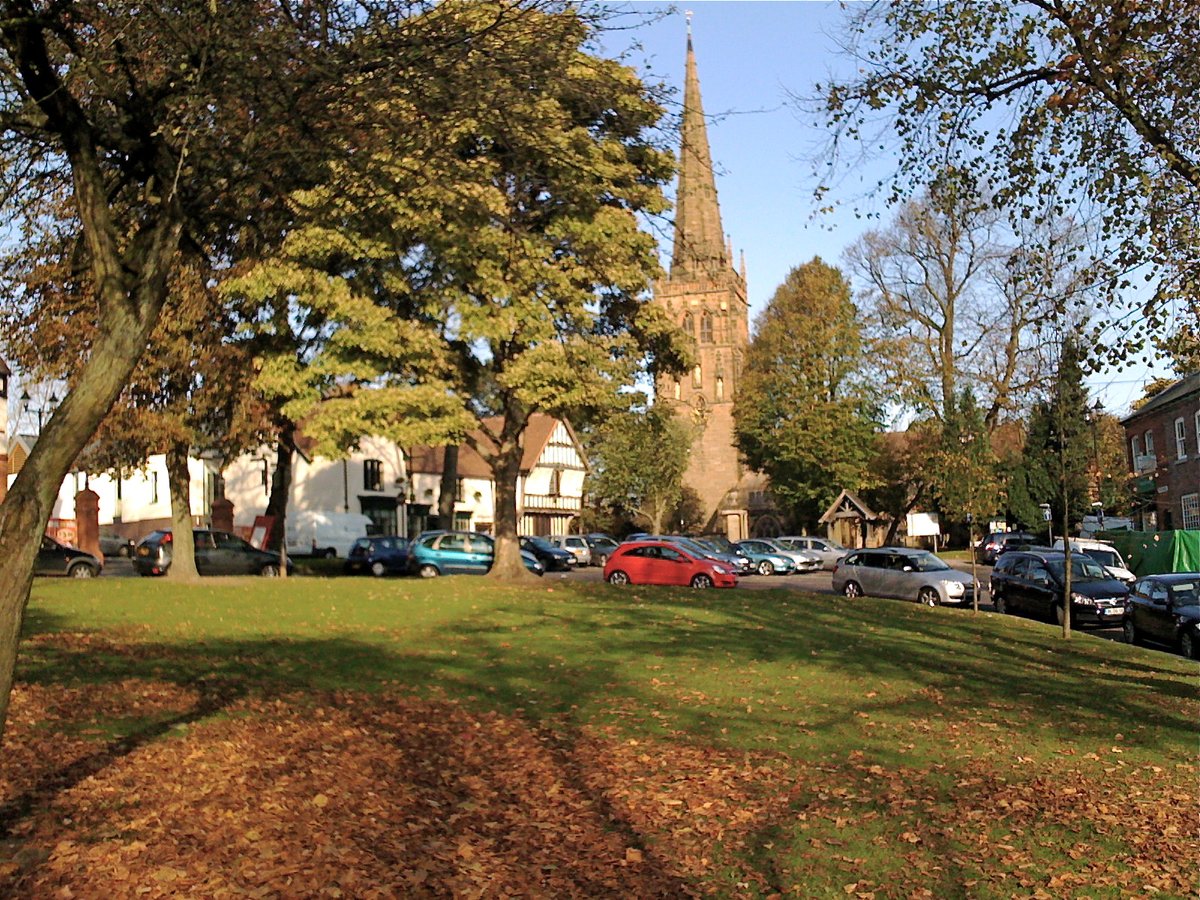
Villa Park

Birmingham Museum and Art Gallery
Place

Birmingham Museum and Art Gallery

Place

St Philip'S Cathedral

Place

St Philip'S Cathedral

Sutton Park
Place

Sutton Park

James Watt
Place

James Watt

St Chad'S Cathedral
Place

St Chad'S Cathedral

St Chad'S Cathedral
Place

St Chad'S Cathedral

Birmingham Repertory Theatre
Place

Birmingham Repertory Theatre

Dudley Zoo
Place

Dudley Zoo

National Sea Life Centre
Place

National Sea Life Centre

Kingsbury Water Park
Place

Kingsbury Water Park

St Paul'S Church
Place

St Paul'S Church

St Paul'S Church
Place

St Paul'S Church

Place

Packwood House

Place

Alexandra Theatre

Pen Museum
Place

Pen Museum

Royal Birmingham Society of Artists
Place

Royal Birmingham Society of Artists

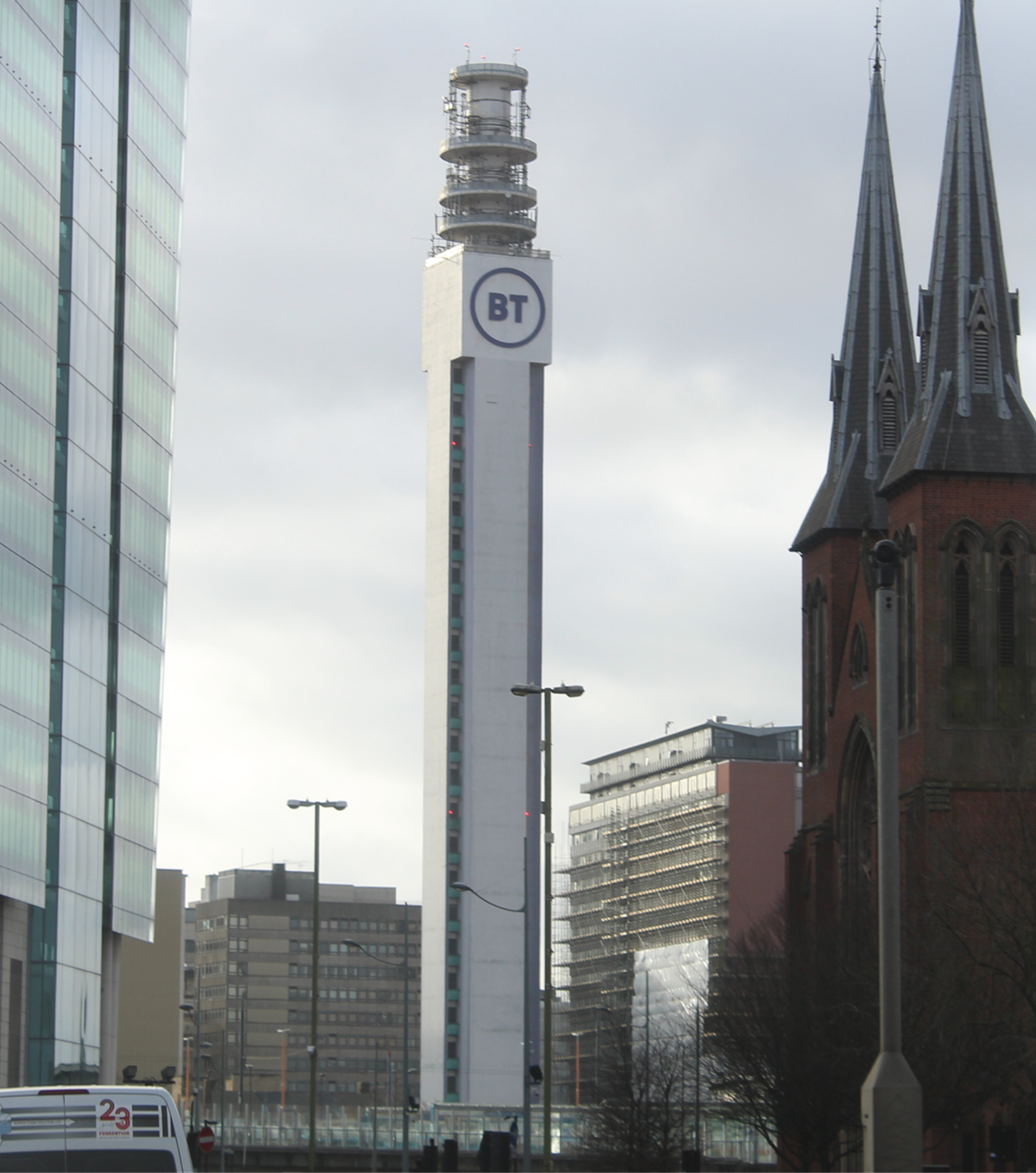
Bt Tower
Place

Bt Tower

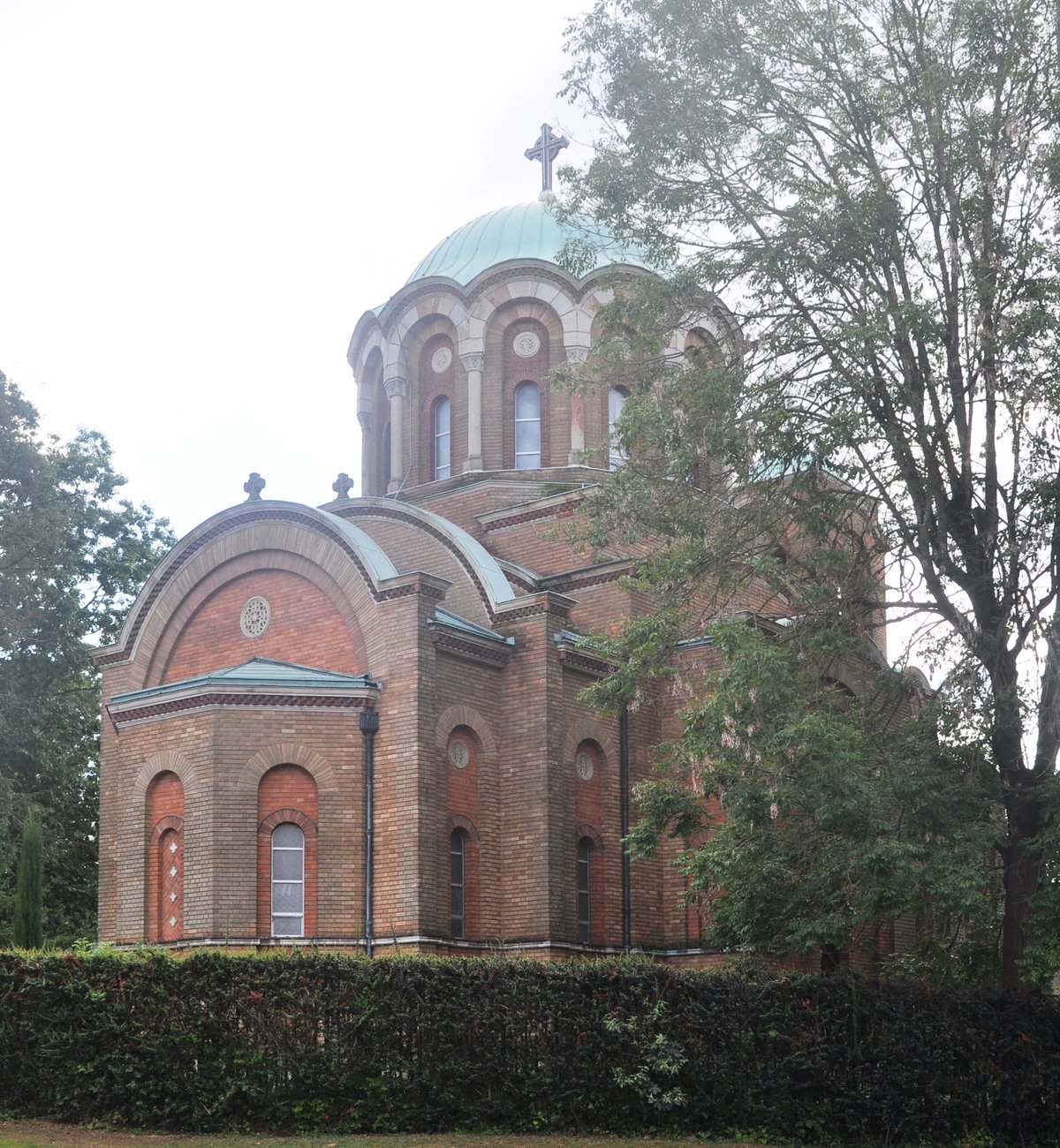
Birmingham Orthodox Cathedral
Place

Birmingham Orthodox Cathedral

Birmingham Wildlife Conservation Park
Place

Birmingham Wildlife Conservation Park

Winterbourne House and Garden
Place

Winterbourne House and Garden

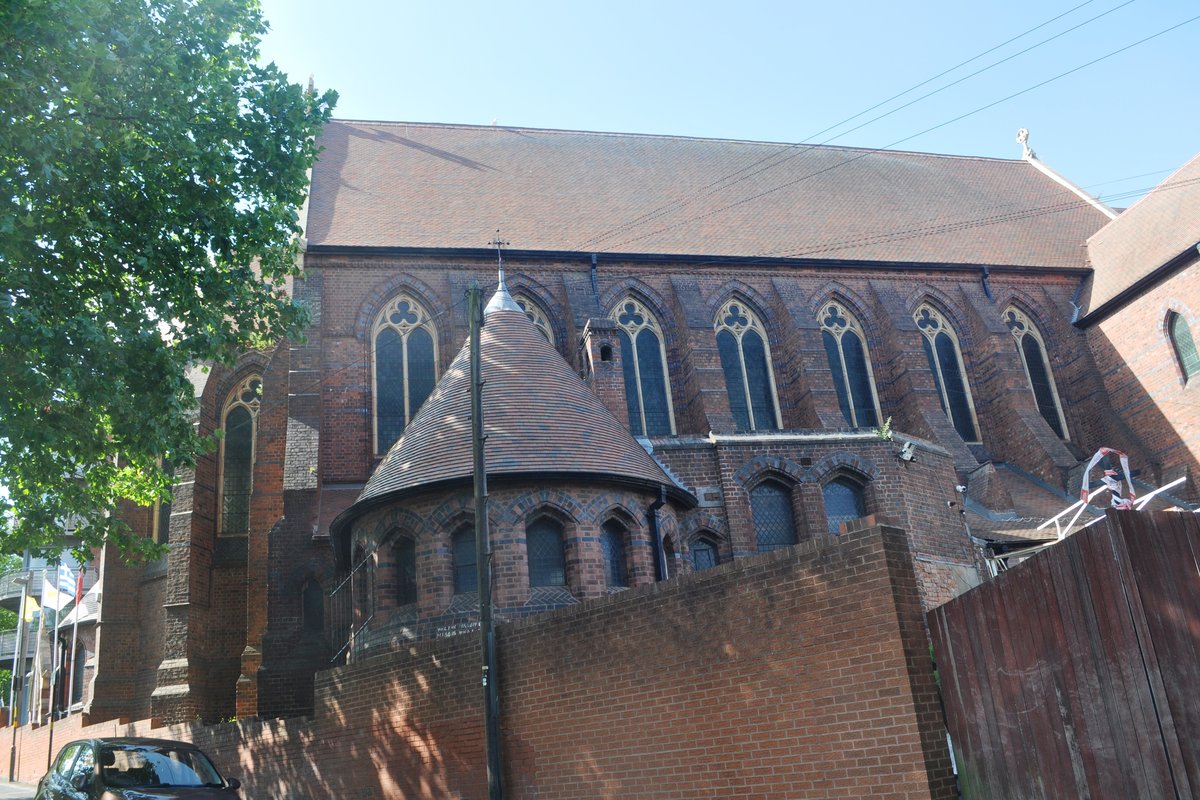
St Lazar'S Church, Bournville
Place

St Lazar'S Church, Bournville

St Lazar'S Church, Bournville
Place

St Lazar'S Church, Bournville

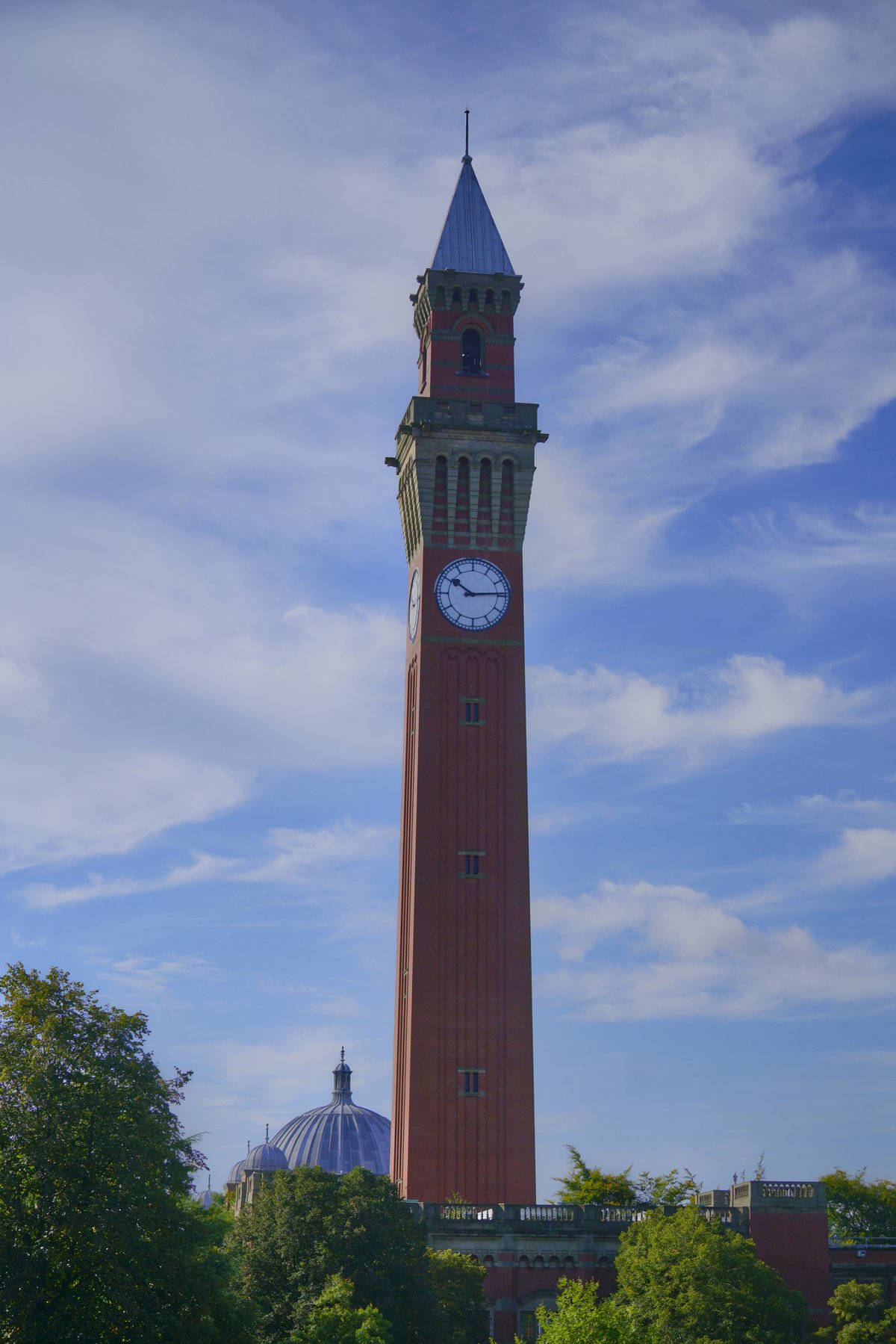
Joseph Chamberlain Memorial Clock Tower
Place

Joseph Chamberlain Memorial Clock Tower

Erdington Abbey
Place

Erdington Abbey

Singers Hill Synagogue
Place

Singers Hill Synagogue

Alpha Tower
Place

Alpha Tower

St Catherine of Siena Church, Birmingham
Place

St Catherine of Siena Church, Birmingham

St Anne'S Church, Birmingham
Place

St Anne'S Church, Birmingham

St Anne'S Church, Birmingham
Place

St Anne'S Church, Birmingham

University of Birmingham
Place

University of Birmingham

Place

Darul Barakaat Mosque

Place

Mortuary Chapel, Handsworth Cemetery

St Bartholomew'S Church, Edgbaston
Place

St Bartholomew'S Church, Edgbaston

St Bartholomew'S Church, Edgbaston
Place

St Bartholomew'S Church, Edgbaston

St John'S Church
Place

St John'S Church

St John'S Church
Place

St John'S Church

St Nicolas' Church, Kings Norton
Place

St Nicolas' Church, Kings Norton

St George'S Church
Place

St George'S Church

St George'S Church
Place

St George'S Church

St Augustine'S Church
Place

St Augustine'S Church

St Augustine'S Church
Place

St Augustine'S Church

Weoley Castle
Place

Weoley Castle

Place

St Laurence'S Church, Northfield

Place

St Laurence'S Church, Northfield

St Mary'S Church
Place

St Mary'S Church

St Mary'S Church
Place

St Mary'S Church

Showing 48 of 344 — search any place to jump straight there.