1. St Mary’s Church Warwick: History, Hours, and Visiting Tips
The Collegiate Church of St Mary, Warwick is one of the most architecturally and historically significant churches tied to Birmingham’s ecclesiastical heritage (St Mary's Warwick). Founded in 1123 by Roger de Newburgh as a collegiate church, it has served as a center for worship, education, and charity for nearly a thousand years.
Architectural Evolution
St Mary’s Warwick underwent major transformations in the 14th and 15th centuries, adopting the Perpendicular Gothic style. The church’s chancel, nave, and transepts were rebuilt, and its iconic Baroque tower—completed in 1704 after the collapse of the original in 1693—remains a prominent landmark (St Mary's Warwick). The Beauchamp Chapel, renowned for its fan vaulting and medieval brasses, houses the tomb of Richard Beauchamp, Earl of Warwick.
Cultural and Religious Significance
The church’s collegiate status enabled it to survive the dissolution of the monasteries and continue serving Warwick’s community. Over centuries, it has hosted significant religious ceremonies for local nobility and remains a venue for choral music, community gatherings, and educational outreach (St Mary's Warwick).
Notable Figures
Noteworthy figures associated with St Mary’s include Richard Beauchamp and Robert Dudley, Earl of Leicester. The church’s history is marked by resilience, notably in the restoration efforts following the 17th-century tower collapse (St Mary's Warwick Fundraising).
Visiting Information
- Hours Typically open daily, 10:00 AM – 4:00 PM (confirm on official website).
- Admission Free; donations encouraged. Special exhibitions or tours may require tickets.
- Accessibility Ramps and assistance for mobility needs; audio guides available.
- Nearby Attractions Warwick Castle, Lord Leycester Hospital, Market Hall.
- Events & Tours Regular guided tours and seasonal concerts.
- Travel Central Warwick location; short walk from railway station; parking nearby.
2. St Mary’s Church Handsworth: Architectural Highlights and Visitor Guide
Historical and Architectural Significance
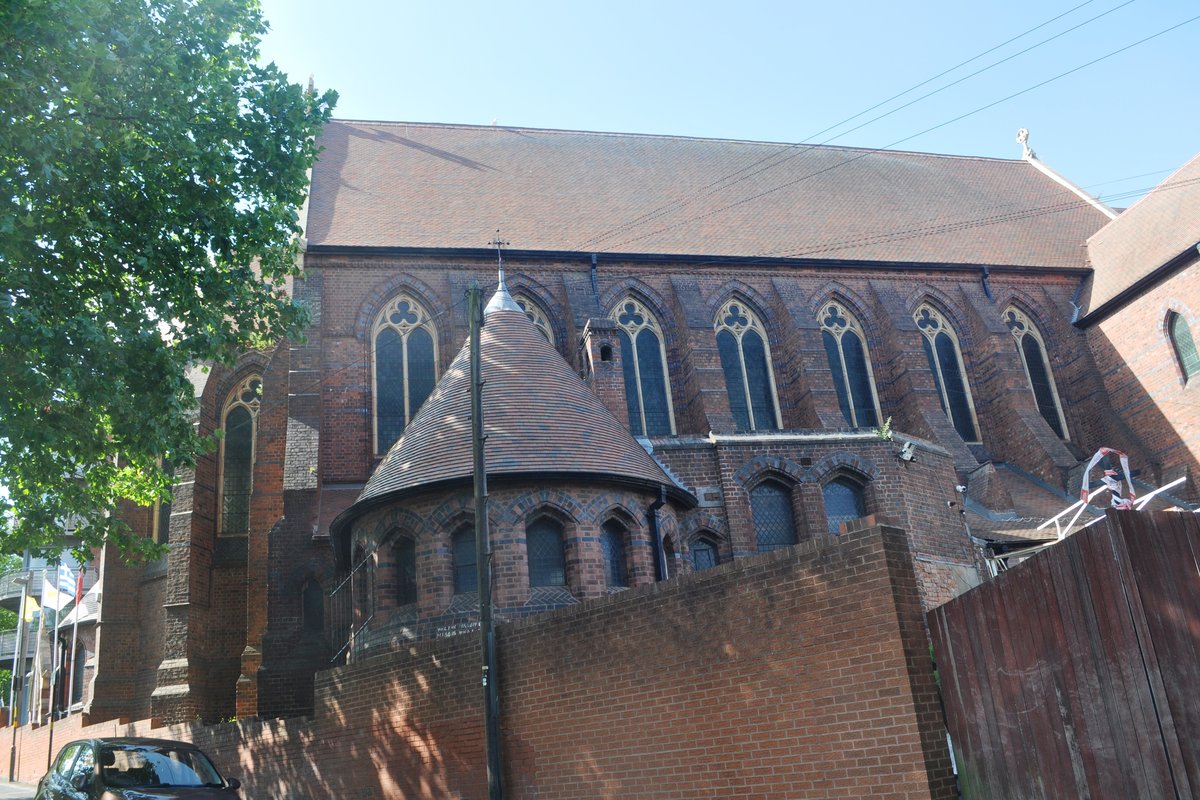
St Mary’s Church Handsworth, or "Handsworth Old Church," reflects Birmingham’s transformation from rural parish to industrial hub (Handsworth St Mary’s History). The original Norman structure dates to around 1160, with later Victorian Gothic Revival expansions. Visitors can see Norman sandstone features in the tower and Victorian elements such as pointed arches, lancet windows, and elaborate tracery (Wikipedia).
The church’s interior includes memorials to industrial pioneers James Watt, Matthew Boulton, and William Murdoch, as well as intricately carved Victorian woodwork and stained glass.
Visitor Information
- Hours Monday–Saturday 9:00 AM–5:00 PM; Sunday hours vary (check official website).
- Admission Free; donations welcome.
- Guided Tours Available, pre-book via website.
- Accessibility Step-free entry, accessible restrooms; assistance available.
- Travel Bus routes 11, 11A, and 101; nearest train station Hamstead (~20 minutes’ walk).
- Nearby Attractions Sarehole Mill, Birmingham Museum & Art Gallery, St Martin in the Bull Ring.
Experience Highlights
- Tower Tours Panoramic views and architectural transitions.
- Interactive Displays Exhibits on church history and industrial heritage.
3. Oratory Church of the Immaculate Conception: History, Worship, and Visitor Experience
Historical and Architectural Significance
Founded in the mid-19th century during the Catholic revival, the Oratory is closely associated with Cardinal John Henry Newman and the legacy of St. Philip Neri (Birmingham Oratory). The church’s Italianate Victorian design features a grand nave, ornate altars, marble columns, and renowned stained glass. The high altar, dedicated to the Immaculate Conception, is a focal point during worship.
Spiritual and Cultural Life
The Oratory is a center of Marian devotion and traditional liturgy, offering Masses in English and Latin, confession, Eucharistic adoration, and the Divine Office (Birmingham Oratory Mass Times; GCatholic Liturgical Calendar). The church fosters community through education, charity, and ecumenical engagement (Birmingham Oratory News).
Visitor Information
- Hours Daily, 9:00 AM–6:00 PM (extended hours on feast days; confirm on official website).
- Admission Free; donations appreciated. Special events may require tickets.
- Guided Tours Book via website; self-guided resources available.
- Accessibility Ramps, accessible restrooms, and assistance upon request. Public transport recommended.
- Nearby Attractions St Philip’s Cathedral, Birmingham Museum & Art Gallery, heritage walks.
Events and Community Life
The Oratory hosts major liturgical celebrations (Christmas, Easter, Marian feasts), cultural festivals, concerts, and outreach programs. Visitors are welcome to join worship, attend events, or explore the museum dedicated to Cardinal Newman (Birmingham Oratory Events).
4. Essential Visitor Information for St Mary’s Church, Handsworth
- Location Hamstead Road, Handsworth, Birmingham, B20 2RW; accessible by bus and train.
- Opening Hours Primarily open for worship and events; Sunday services at 8:00 AM, 10:30 AM, and 5:00 PM.
- Entry Free.
- Tours Group tours by prior appointment, self-guided visits welcome (A Church Near You).
- Accessibility Wheelchair-accessible nave; restrooms on site.
- Facilities Restrooms, limited parking, refreshments in church hall during events.
- Photography Allowed for personal use; permission required for commercial or during services.
- Notable Features Memorials to Watt, Boulton, and Murdoch; Victorian stained glass; Gothic spire.
- Events Concerts, recitals, and heritage open days.
5. Frequently Asked Questions (FAQ)
Q: What are the opening hours for St Mary’s Churches?
A: Hours vary by site. Oratory: 9:00 AM–6:00 PM daily; Handsworth: Mon–Sat 9:00 AM–5:00 PM; Warwick: typically 10:00 AM–4:00 PM. Always confirm on official websites.
Q: Is there an entry fee?
A: Entry is free for all St Mary’s Churches; donations are appreciated. Some events or tours require tickets.
Q: Are guided tours available?
A: Yes, guided tours are offered at all major sites, with advanced booking recommended.
Q: Are the churches accessible for visitors with disabilities?
A: All main areas are accessible; some historic sections have limited access. Facilities and assistance are available—check with the specific church.
Q: Can I take photographs?
A: Personal, non-flash photography is generally allowed outside of services. Commercial photography requires permission.