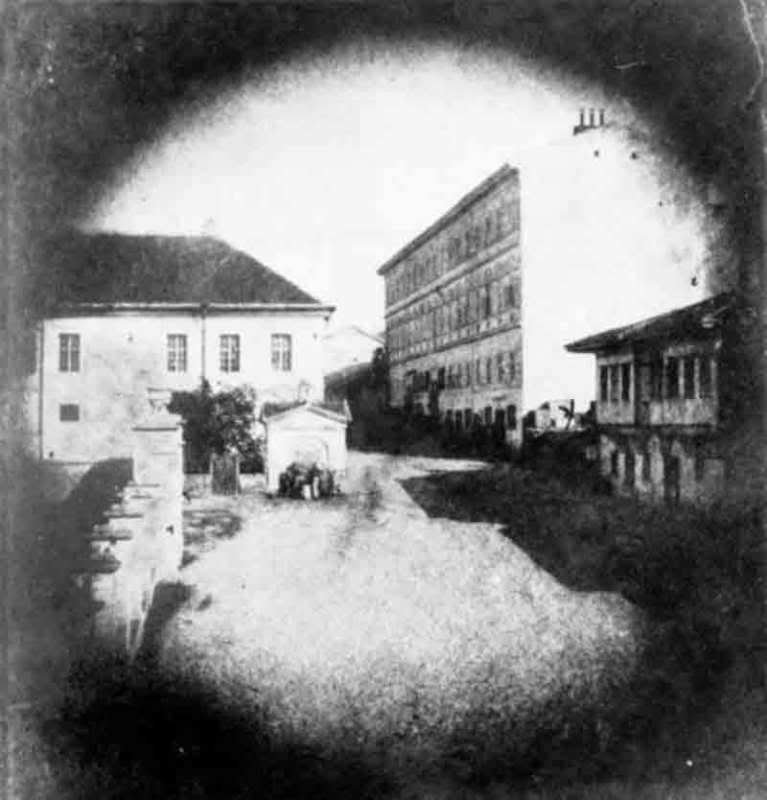

Origins and Establishment of the Memorial Museum
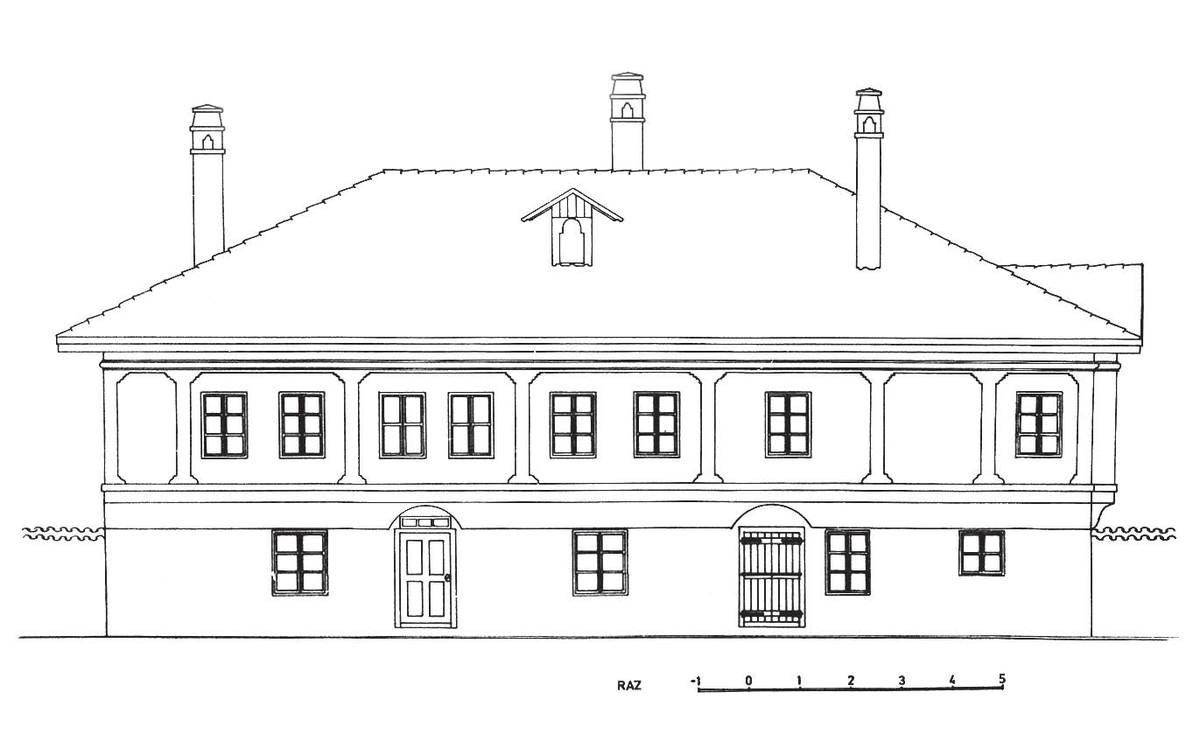
The Memorial Museum is housed in the Professors’ Colony (Professorska kolonija) in Belgrade’s Palilula district. Built between 1928 and 1935 for Ljubica Luković, sister of Nadežda and Rastko, the house exemplifies interwar residential architecture designed for the city’s intellectual elite. Officially established in 1974 and declared a cultural monument, the museum’s foundation was made possible by the Petrović family’s donation of their personal archive and art collection, preserved by Ljubica and bequeathed to the National Museum of Serbia. This act ensures that the creative and intellectual heritage of the Petrović family is accessible to future generations.
(Trek Zone)
The Petrović Family: Pioneers of Serbian Modernism
Nadežda Petrović (1873–1915)
Nadežda Petrović is celebrated as Serbia’s first modernist painter and an early female artistic leader. Educated in Munich and Paris, she fused Impressionism, Fauvism, and Expressionism with Serbian themes, producing evocative works known for vibrant color, emotional intensity, and bold composition. Notably, she was also the nation’s first female photographer.
Her commitment to humanitarian causes was profound—she served as a volunteer nurse during the Balkan Wars and World War I, losing her life to typhus contracted while caring for wounded soldiers. Her legacy endures, and she is the only woman featured on Serbian currency.
(Diplomacy & Commerce, Serbian Times, CorD Magazine)
Rastko Petrović (1898–1949)
Rastko was a prominent poet, novelist, and diplomat, recognized for his experimental literary style and cosmopolitan worldview. Influenced by his sister and his extensive travels, Rastko bridged Serbian tradition with European avant-garde currents. His works, such as “Burleska gospodina Peruna boga groma,” are foundational for Serbian modernist literature. As a diplomat, he promoted cultural exchange and represented Yugoslavia internationally.
(Trek Zone, The Pavlovic Today)
Mito Petrović
The museum also commemorates Mito Petrović, a writer and scholar whose contributions helped define Serbian literary and academic circles in the late 19th and early 20th centuries.
Museum Collection and Cultural Value
The museum’s collection offers a comprehensive portrait of the Petrović family’s artistic and intellectual legacy:
- Nadežda’s Paintings and Sketches Spanning her Munich period through later explorations of national themes, these works document the evolution of Serbian modern art.
- Rastko’s Manuscripts and Artifacts Including watercolors, personal library, gramophone records, and travel films that illustrate his diverse interests and creative output.
- Personal Correspondence and Family Memorabilia Letters and objects providing insight into the Petrović family’s social and cultural milieu.
- International Avant-Garde Artworks Collected by Rastko, including works by Picasso, Modigliani, Rodin, Kisling, Ernst, and others, as well as ethnological objects from Africa and the Americas.
(Vreme, National Museum of Serbia)
Visiting Hours, Tickets, and Accessibility
- Hours Open Tuesday–Sunday, 10:00 AM–6:00 PM; closed Mondays and major holidays. Check for updates on special events or temporary closures.
- Tickets General admission is typically 300–500 RSD (€2.50–€4.25). Discounts are available for students, seniors, and groups; children under 7 enter free. Purchase at the entrance or online via the National Museum's ticketing page.
- Accessibility Wheelchair access is available via ramps, and adapted restrooms are provided, though some limitations exist due to the building’s historic nature. Contact [email protected] for specific accommodations.
(National Museum of Serbia, planplus.rs)
Recent Developments and Restoration
After decades of closure due to structural issues, the museum underwent extensive restoration, culminating in its 2025 reopening. These efforts preserved the building’s historical integrity while upgrading visitor amenities and accessibility. Restoration was managed by the National Museum of Serbia, with support from cultural heritage institutions.
(Vreme, Serbian Monitor)
Location and Access
- Address 25 Ljubomira Stojanovića Street, Palilula, Belgrade, Serbia
- Neighborhood Professors’ Colony—a tranquil, leafy area known for its early 20th-century architecture and intellectual heritage
- Getting There
- Public Transport Easily reachable via several bus and tram lines. Consult Belgrade public transport for routes.
- On Foot About 15–20 minutes from Tašmajdan Park and St. Mark’s Church; roughly 20 minutes from Skadarlija.
- Taxi/Rideshare Widely available in Belgrade.
(beogradskonasledje.rs, trek.zone)
Visitor Experience and Educational Programs
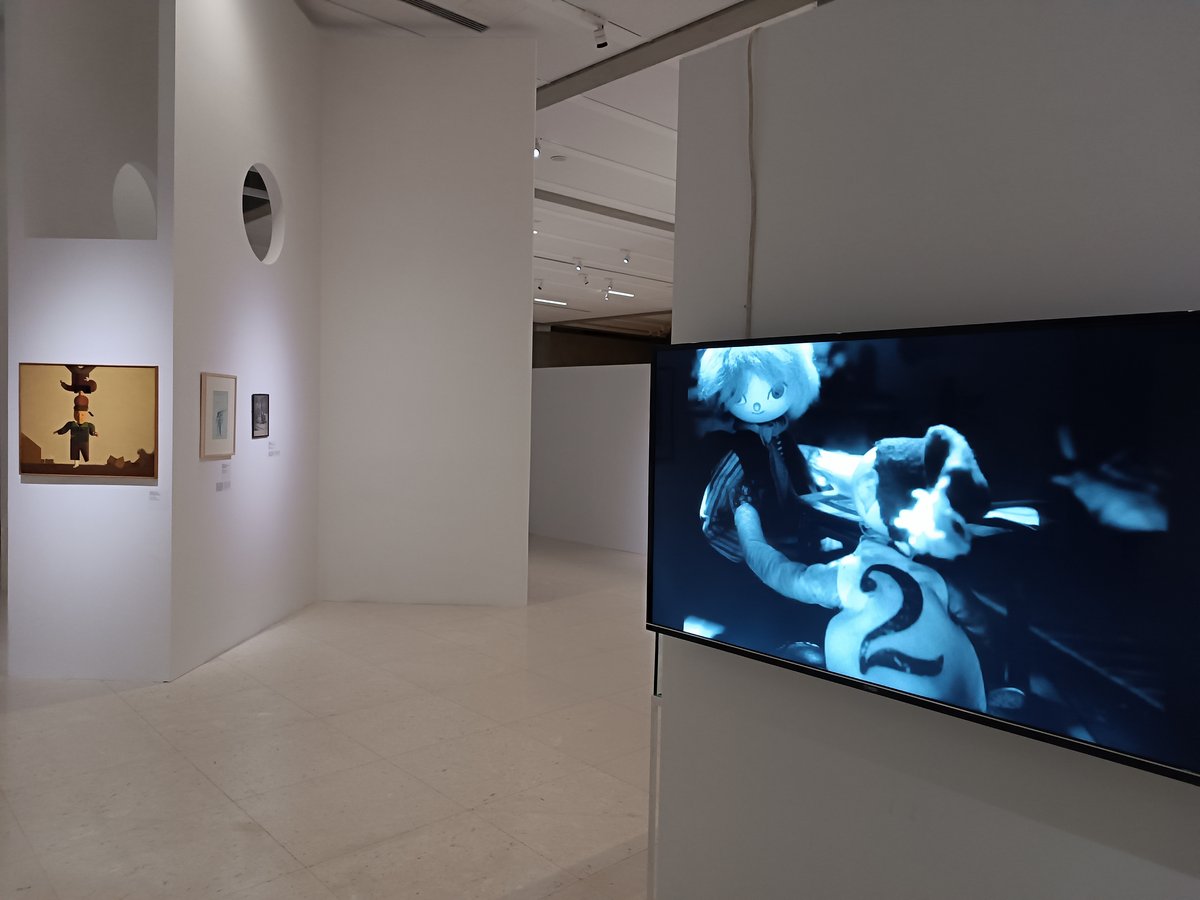
- Exhibitions The museum is organized into three thematic sections: Rastko’s manuscripts and travel artifacts; Nadežda’s paintings and personal items; and Petrović family memorabilia.
- Interactive Displays Multimedia installations and bilingual labels provide rich interpretive content.
- Guided Tours Available in Serbian and English; advance booking is recommended.
- Workshops & Events Regular lectures, workshops, and special exhibitions deepen engagement with Serbian modernism and the Petrović legacy.
- Gift Shop Offers publications, reproductions, and souvenirs.
(National Museum of Serbia, serbianmonitor.com)
Nearby Attractions
Combine your museum visit with other historical and cultural sites nearby:
- Tašmajdan Park
- St. Mark’s Church
- Skadarlija Bohemian Quarter
- Historical Museum of Serbia
- Atelje 212 Theatre
- Belgrade Fortress and Kalemegdan Park
Frequently Asked Questions (FAQ)
Q: What are the Memorial Museum’s opening hours?
A: Tuesday to Sunday, 10:00 AM – 6:00 PM. Closed Mondays and public holidays.
Q: How much are the tickets?
A: General admission is 300–500 RSD; discounts apply for students and seniors.
Q: Are guided tours available?
A: Yes, in Serbian and English. Book in advance for guaranteed availability.
Q: Is the museum wheelchair accessible?
A: Yes, with ramps and adapted restrooms. Some areas may have limited access due to the historic building.
Q: Where can I buy tickets?
A: At the entrance or online via the National Museum’s website.
Q: Can I take photos inside the museum?
A: Non-flash photography is generally allowed, except in restricted areas. Check signage or ask staff.
Contact and Further Information
- Address 25 Ljubomira Stojanovića St., Palilula, Belgrade, Serbia (planplus.rs)
- Email [email protected]
- Official Website National Museum of Serbia – Memorial Museum of Nadežda and Rastko Petrović
- Phone See the National Museum’s contact page for updated numbers.
Discover More
The Memorial Museum of Nadežda and Rastko Petrović is an essential destination for those seeking to understand Serbia’s artistic evolution and cultural identity. Its meticulously curated collections, educational programs, and restored historical setting provide a deeply engaging experience. Plan your visit by consulting official resources, take advantage of interactive tools like the Audiala app, and explore nearby historical sites to enrich your journey through Serbian culture.
(Trek Zone, Vreme, Serbian Times, National Museum of Serbia)