

Place
Serbia Updated Apr 2026
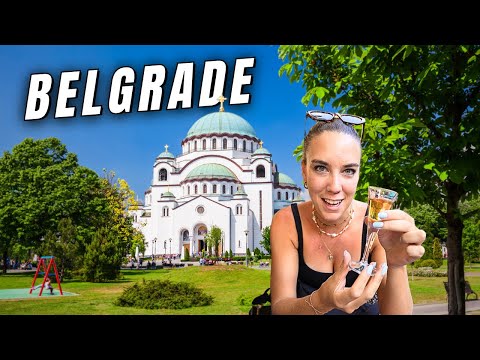
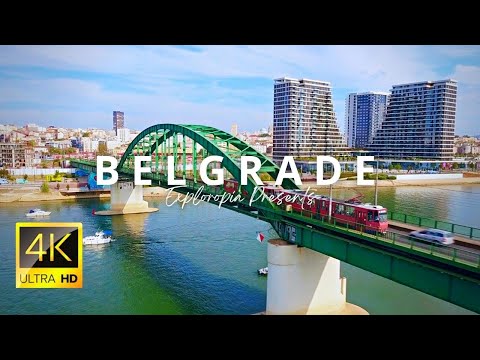
Belgrade, Serbia, wakes up with the smell of roasted coffee drifting from kafanas where the same copper pots have been brewing Turkish coffee since Ottoman officers paid with silver akçe. At 03:17 on a summer night, the city’s two rivers—Sava and Danube—shine like polished gunmetal under the fortress walls while techno bass from a splav nightclub thumps loud enough to ripple the water. A block inland, a baker is already sliding burek the size of bicycle wheels from ovens that never fully cool.
 Photo: MEHMET KAYNAR / Pexels
Built from cited sources · see the method · How we make our guides →
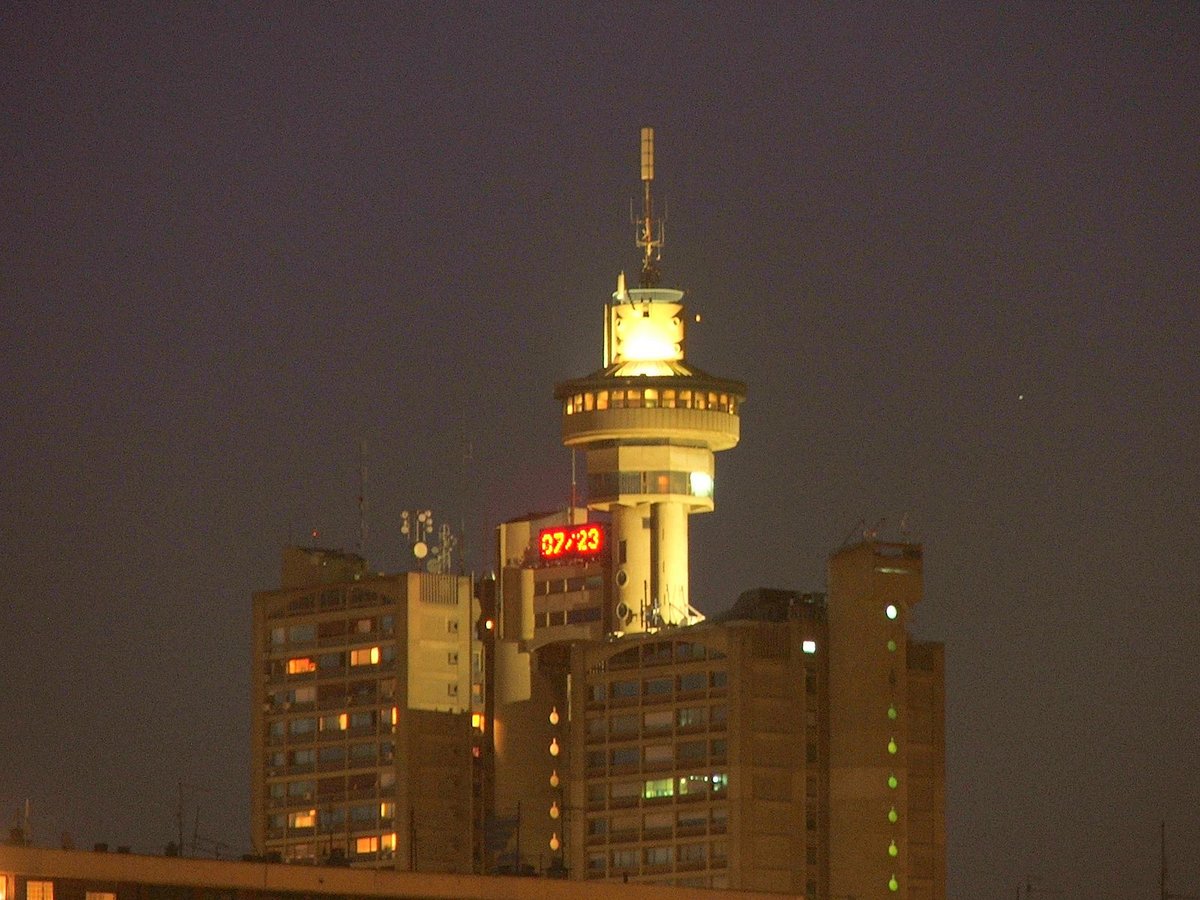
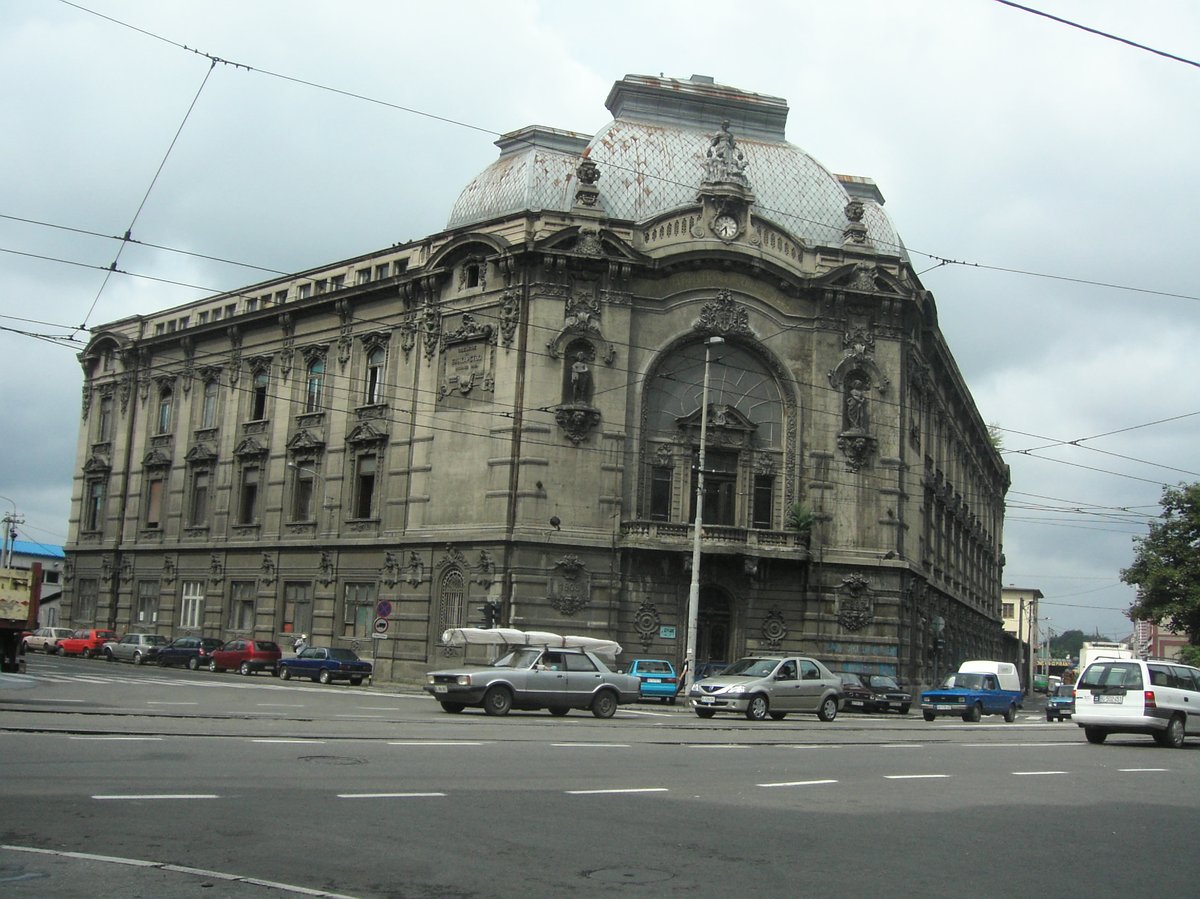
This is Europe’s only capital that still feels half-Balkan, half-Habsburg, wholly unfinished. Walk Kosančićev Venac at dusk and you’ll pass 19th-century townhouses whose plaster peels like old maps, their balconies sagging toward the Danube as if trying to whisper secrets across the water. Ten minutes away, Genex Tower’s brutalist twin shafts skewer the sky at 115 m, a concrete monument to 1970s Yugoslav confidence that now hosts mobile-phone antennas and a sushi bar in the skybridge.
Belgrade keeps its best stories just below the surface. Beneath the parquet floors of Princess Ljubica’s Residence, 1830s heating ducts still work. Inside a Dorćol courtyard, the oldest house in the city—a squat timber cottage from 1724—stands ignored by partygoers hunting for rakija bars. The city rewards curiosity: ask the right question in a Zemun fish restaurant and the waiter will pull out a 1923 photo of his great-grandfather landing a 2-metre catfish on the same pier where your table now stands.
Not every monument, just the ones we'd walk you past ourselves.
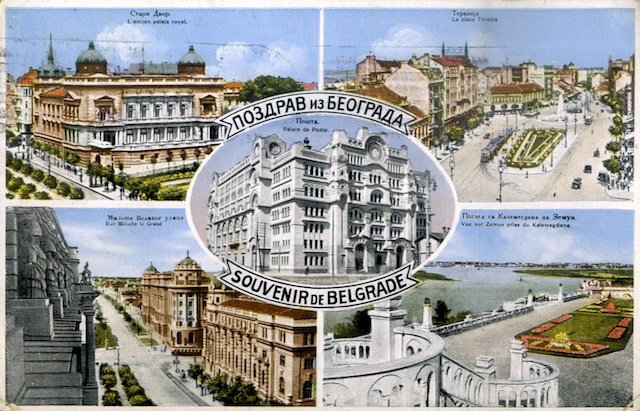
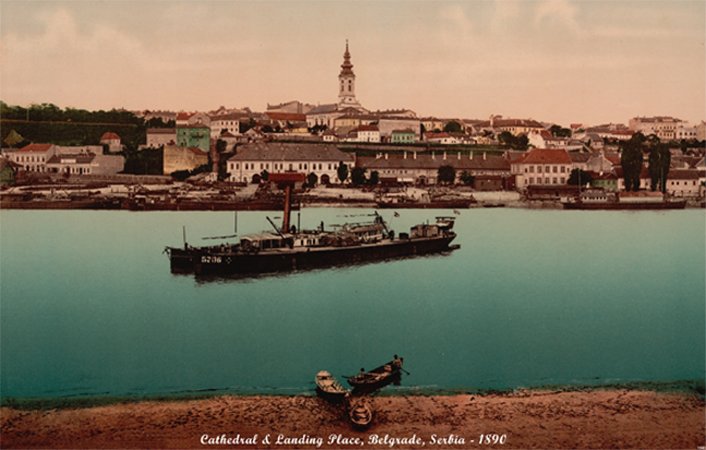
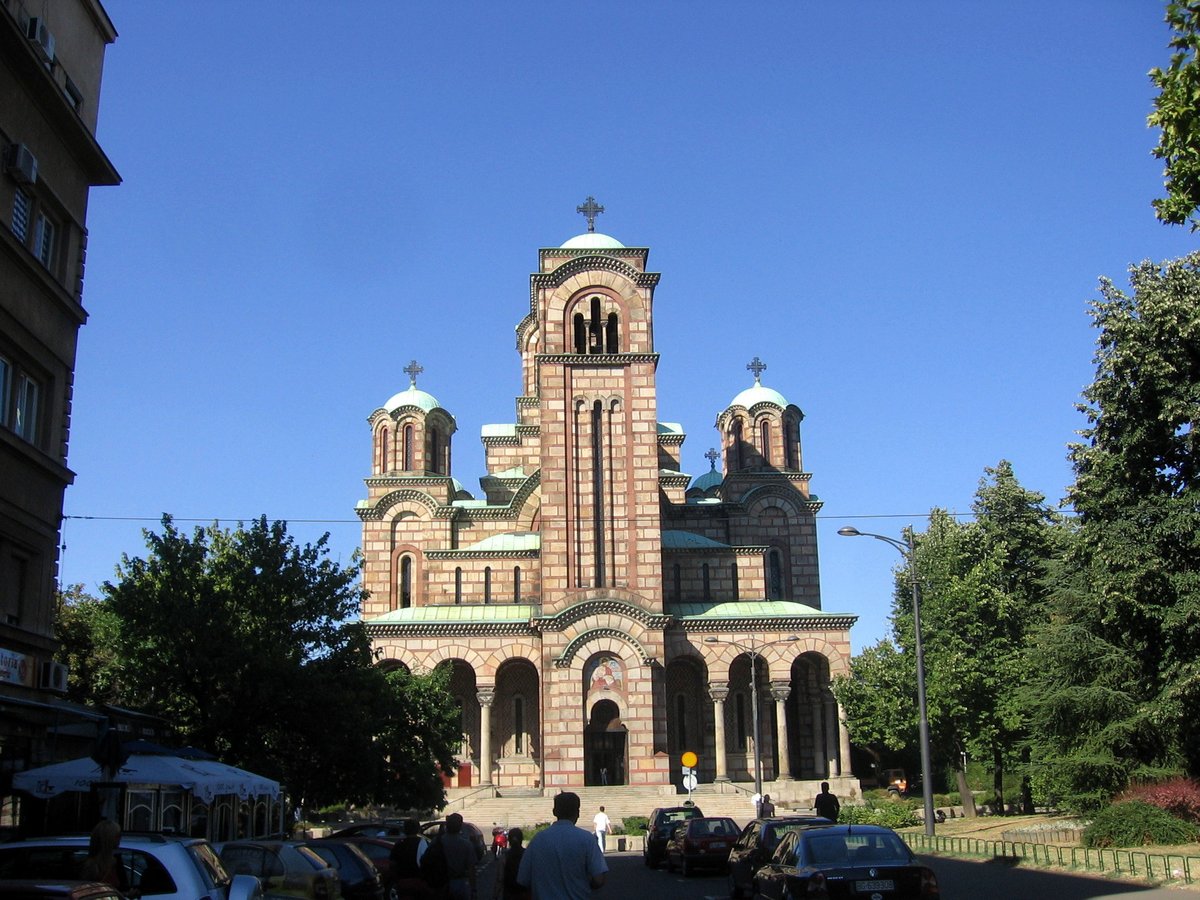
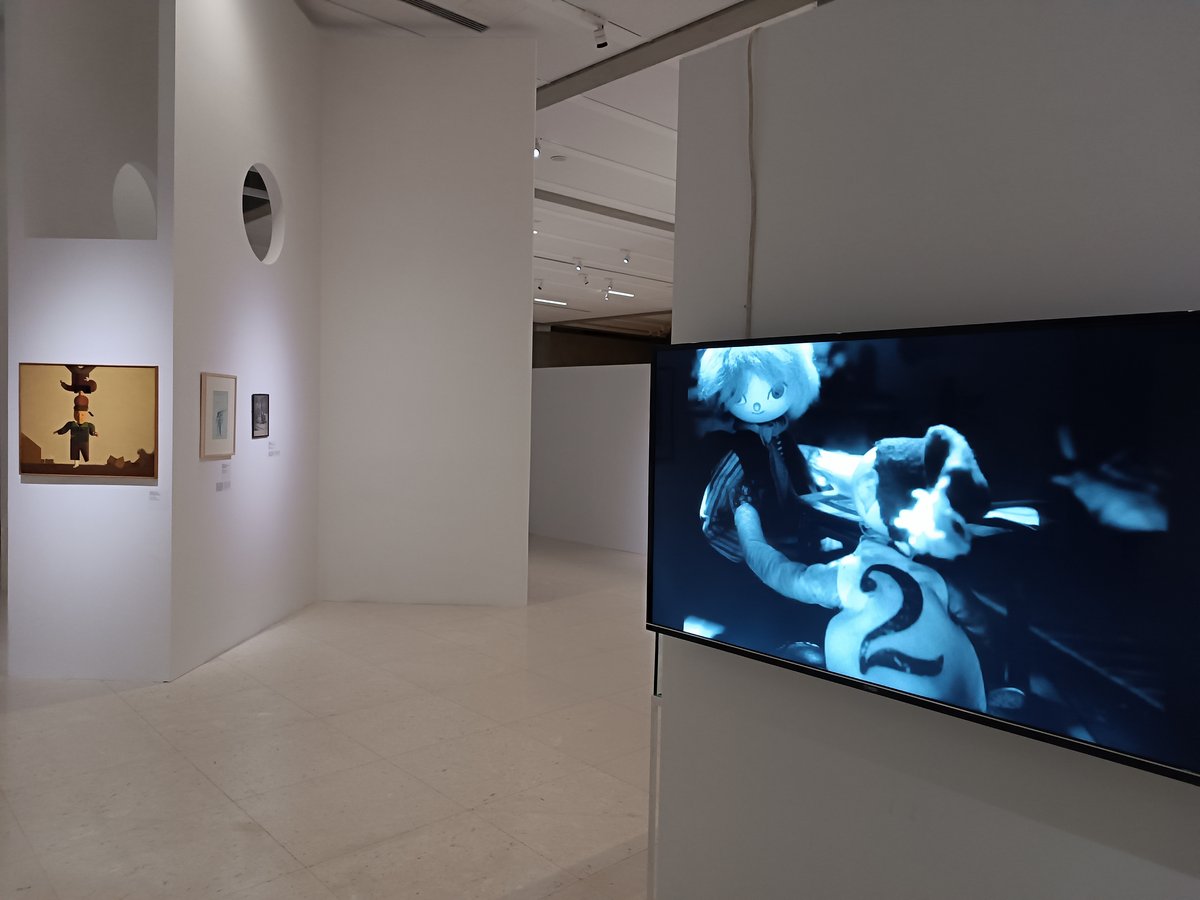
Where to wander, by quarter — each with its own rhythm.
Before you go
From Neolithic ovens to NATO flashes—Belgrade keeps rising at the confluence
On the bluff above the Danube, families fire clay figurines in kiln-ovens 1,000 years before the Pyramids. The Vinča culture trades obsidian across the Balkans, turning the Belgrade ridge into a Neolithic Silicon Valley. Their script-like symbols are among the oldest in Europe.
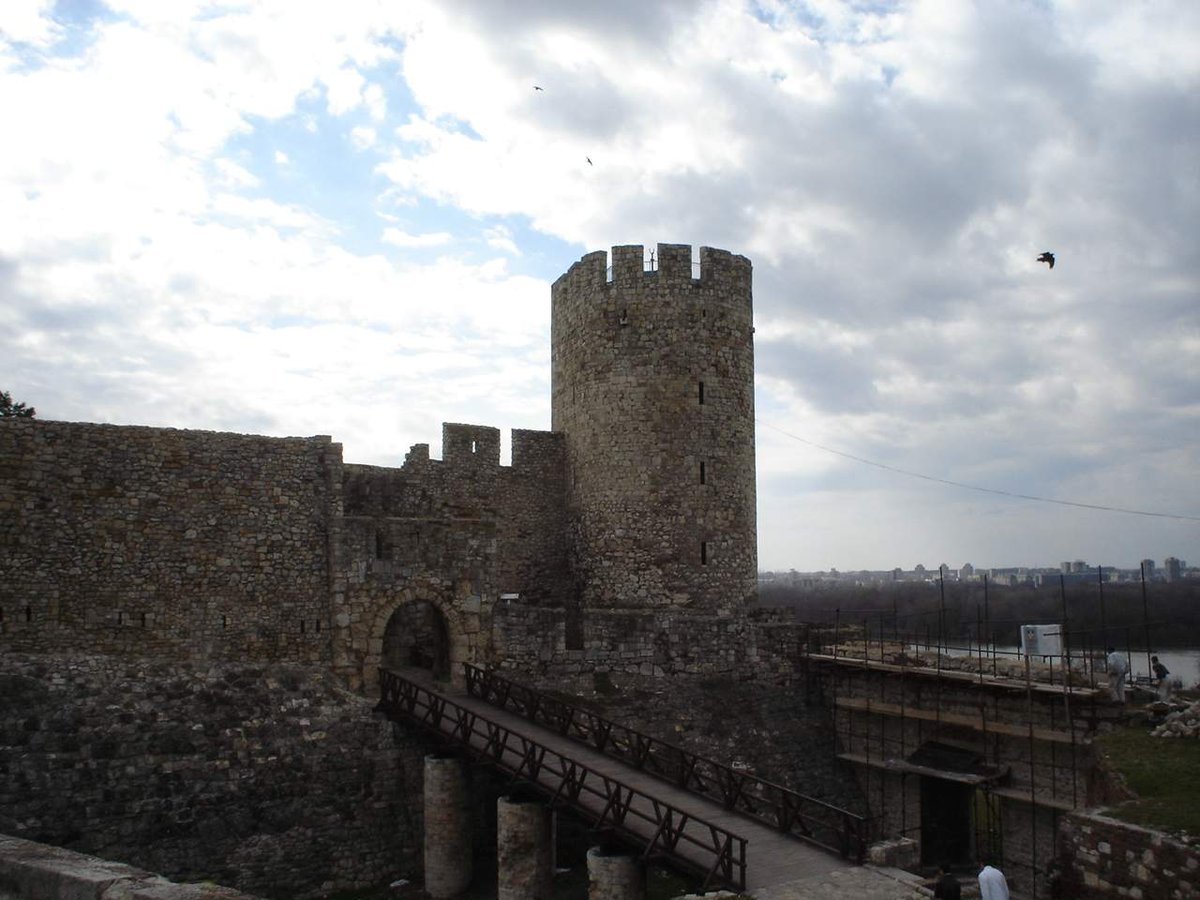
Scordisci warriors plant a dun (‘fort’) on the limestone ridge, naming it Singidun—‘the round city of the Singi’. From its ramparts you can smell resin on Celtic boats sliding up the Sava. Their mint strikes silver ‘df’ coins that still turn up in gardeners’ trowels.
Roman engineers haul travertine uphill and enclose 22 ha inside a 2.2 km wall. Barracks for 6,000 legionaries, granaries, and a Mithraeum turn Singidunum into the lock that keeps Dacia out of the Empire’s pantry. The first stone bridge across the Sava creaks under supply carts.
In a fortress townhouse heated by hypocausts, a boy breathes pine-smoke and learns the Latin for ‘frontier’. Forty years later he will trade away the Empire’s conquests to save a legion trapped in Mesopotamia, earning the nickname ‘the Surrenderer’. Belgrade’s first global celebrity.
The timbers are still warm from Attila’s torches when Justinian’s masons arrive. They raise taller curtain walls and slam iron gates on the Sava docks. The city becomes a hinge of Byzantine reconquest—its limestone scars whitewashed so thoroughly that Gepid spies mistake it for a new town.
Pope John VIII’s letter to Boris-Mihail of Bulgaria records a Slavic fortress called ‘Belograd’—white city—where the Sava meets the Danube. The parchment smells of beeswax and politics; Rome wants the ramparts kept Catholic. The name sticks, outliving empires.
Despot Stefan rides through the fortress gate in spring mud, banner of the double-headed eagle overhead. He issues trade charters in six languages and builds a palace whose glazed tiles flash aquamarine across the Danube. For the first time, Belgrade becomes more than a fortress—it becomes a capital.
Mehmed II’s cannons pound the walls for three weeks; 200,000 cannonballs chip limestone like woodpeckers. On 22 July, Hungarian pikemen and Franciscan friars burst through the lower gate at dawn. The failure here diverts Ottoman expansion northward for seventy years. Bell-ringing at noon still remembers the victory.
Gunpowder clouds hang over the ridge as 50,000 Janissaries rush the breaches. The sultan enters through the Despot’s Gate, writes ‘We have opened the door to Hungary’, and orders a mosque raised where Stefan’s palace stood. Minarets replace crosses; the city’s heartbeat shifts to the call to prayer.
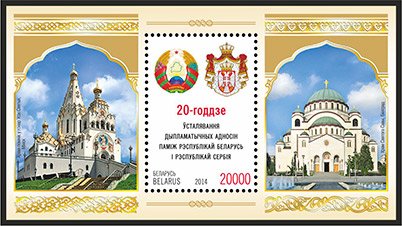
On Vračar hill, the bones of Serbia’s greatest medieval saint are torched on a pyre of dried pear wood. The smoke, thick with incense and political warning, drifts across the Danube. The ashes fertilize a national myth that will sprout as the Temple of Saint Sava three centuries later.
Austrian sappers dig zig-zag trenches up the hill; officers in powdered wigs sketch the fortress over breakfast. After a dawn barrage, Eugene’s grenadiers pour through the crumbling bastions. Belgrade becomes a frontier star-fort bristling with Vauban-style ravelins—its skyline redrawn in German precision.
Black-powder smoke clings to the elms along the Sava as Serbian insurgents hoist a red-blue-white flag on the Stambol Gate. For the first time in 285 years, the muezzin’s call falls silent. The rebels’ bare feet leave prints in Ottoman carpets as they proclaim Belgrade the capital of revolutionary Serbia.
In a requisitioned Turkish house, the Enlightenment arrives chalk-first. Dositej teaches geography with maps drawn on the back of captured banners and insists pupils read Rousseau. The scent of Turkish coffee mingles with printer’s ink—Serbia’s first textbooks roll off a press smuggled from Vienna.
At noon, Ali Rıza Pasha passes a velvet pouch with fortress keys to Prince Mihailo. Cannons fire 101 shots; the silence that follows is heavier than the barrage. Ottoman soldiers board boats down the Danube, their shadows long on the water. Belgrade becomes fully Serbian for the first time since the Middle Ages.
Blue sparks dance above copper wiring as tram No. 1 rattles from Kalemegdan to Slavija. Passengers jump aboard in horse-drawn Belgrade’s last summer; the air smells of ozone and hot asphalt. The schedule is optimistic—every 15 minutes—but the future feels electric.
Austrian 305 mm howitzers nicknamed ‘Gavrilo’ hurl shells that shake the cathedral’s medieval bells. Gas clouds drift across the Sava; pigeons fall mid-flight. After five days, Serbian forces retreat south, leaving a city echoing with ambulance bells and the smell of linden trees scorched to charcoal.
King Alexander sets a 2-ton foundation stone on the supposed pyre of Saint Sava’s relics. Architects unfurl plans for a 70 m-high Byzantine revival dome—larger than Hagia Sophia’s. War and politics will pause the work for half a century, but the outline already dominates the skyline like a promise.
At 6:45 a.m. He-111s drop incendiaries that ignite the National Library’s 500,000 volumes. Burning paper snowflakes drift over Knez Mihailova; the smell is of old parchment and scorched oak. Among the losses: medieval charters, Ottoman cadastres, and the first printed Serbian primer—centuries of memory turned to ash.
T-34s clatter over the King Alexander Bridge while Yugoslav Partisans sprint through alleyways once painted with German posters. Citizens pry up paving stones to build barricades; the scent of damp earth and diesel hangs heavy. By dusk, the yellow-blue flag of the Republic flaps from the parliament balcony.
Nehru’s rose-pink turban, Nasser’s fedora, and Tito’s marshal’s uniform fill the mirrored halls. Delegates debate colonialism over slivovitz and Turkish coffee; the scent of tobacco and orange crates drifts through the park. Belgrade becomes, for a week, the informal capital of the Third World.
At 23:45 five JDAM bombs pierce the roof of the embassy on Trešnjinog cveta. Glass shards from the shaken Hyatt rain onto the river boulevard. Three Chinese journalists die; the explosion’s echo rolls across New Belgrade like distant thunder. The crater becomes a shrine of flowers and candles guarded by polite gendarmes.
By dusk, a column of dump trucks and a single bulldozer roll toward parliament. Protesters climb the façade to hurl office furniture onto the plaza; burning papers swirl like black butterflies. At 21:10, RTS screens go dark, then flicker with the words: ‘Good evening, liberated Serbia.’ The city erupts in car horns and fireworks.
The Bureau International des Expositions awards the city the Specialized Expo on the theme ‘Play for Humanity’. Plans reveal a 25-hectare riverside site in New Belgrade shaped like a hand unfurling toward the Danube. Construction cranes will soon outnumber kafanas—at least until 2027 turns the confluence into a carnival of nations.
Medieval ruler & poet · c. 1377–1427
Made Belgrade Serbia’s capital in 1405
He built the upper fortress you still walk through at sunset and wrote love poems between battles. Today he’d recognise the river curve—and the coffee smoke drifting over it.
Inventor · 1856–1943
Born in Smiljan, museum and ashes in Belgrade
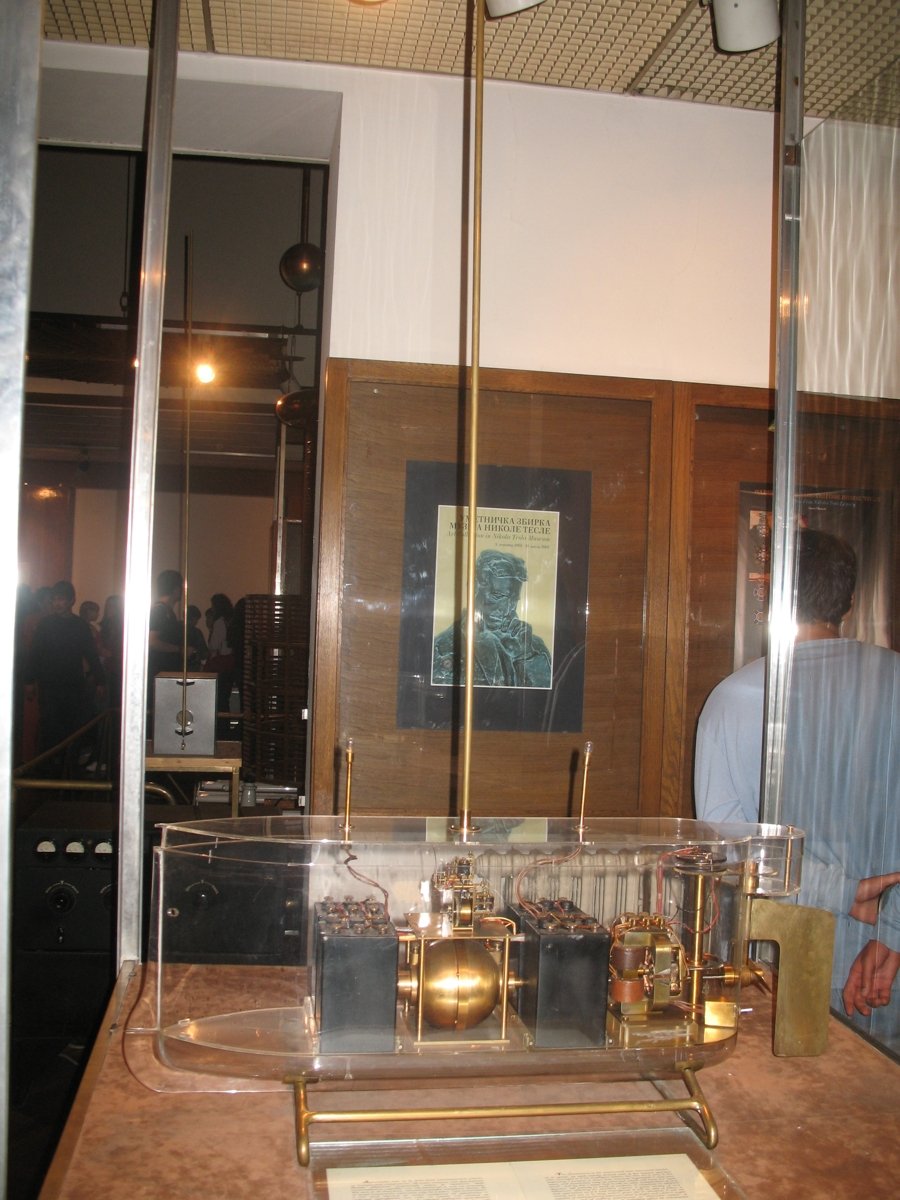
The city adopted him even while he lit up New York; his personal effects sit under a golden sphere in a modest villa where guides make sparks fly for every visitor.
Performance artist · born 1946
Born here, studied at Academy of Fine Arts
She learned to stare down an audience in the same brutalist building that still trains art students above the Sava; the city’s mix of grit and grandeur shaped her endurance.
Tennis champion · born 1987
Born and still bases himself in Belgrade
He practised on cracked courts by the Danube, and when he wins you’ll hear car horns echoing from the fortress to Zemun—his photo still hangs in every kafana he visits.
Nobel-winning writer · 1892–1975
Lived and wrote key works in Belgrade
He walked Knez Mihailova each afternoon, storing the city’s layered voices that later slipped into The Bridge on the Drina; his apartment is now a hushed museum two blocks away.
President of Yugoslavia · 1892–1980
Governed from Belgrade, buried in House of Flowers
His winter yacht is parked in the museum courtyard, and the rose-covered mausoleum still draws older Serbs who toast him with šljivovica on May 25 like the holiday never ended.
Where locals actually book dinner — not the tourist menus.
Small things that change how the city treats you.
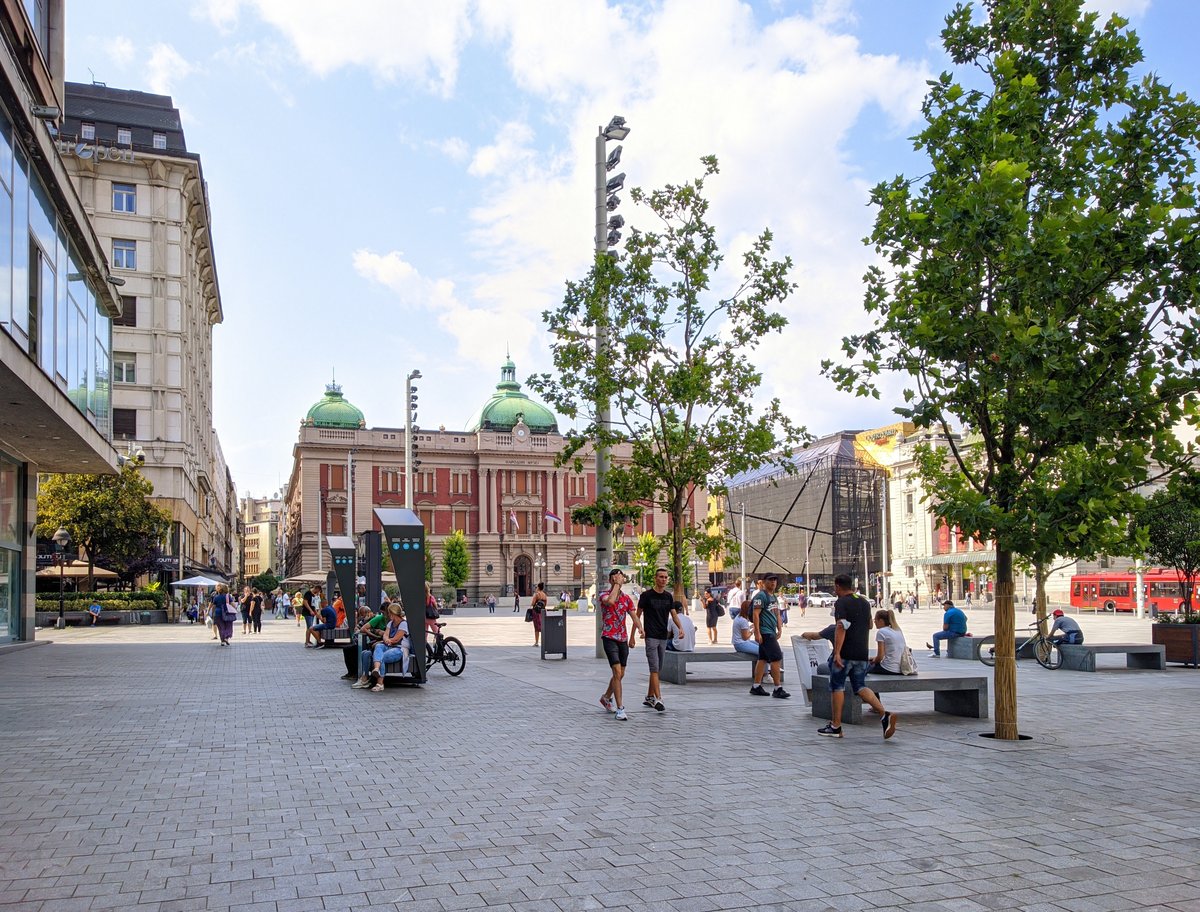
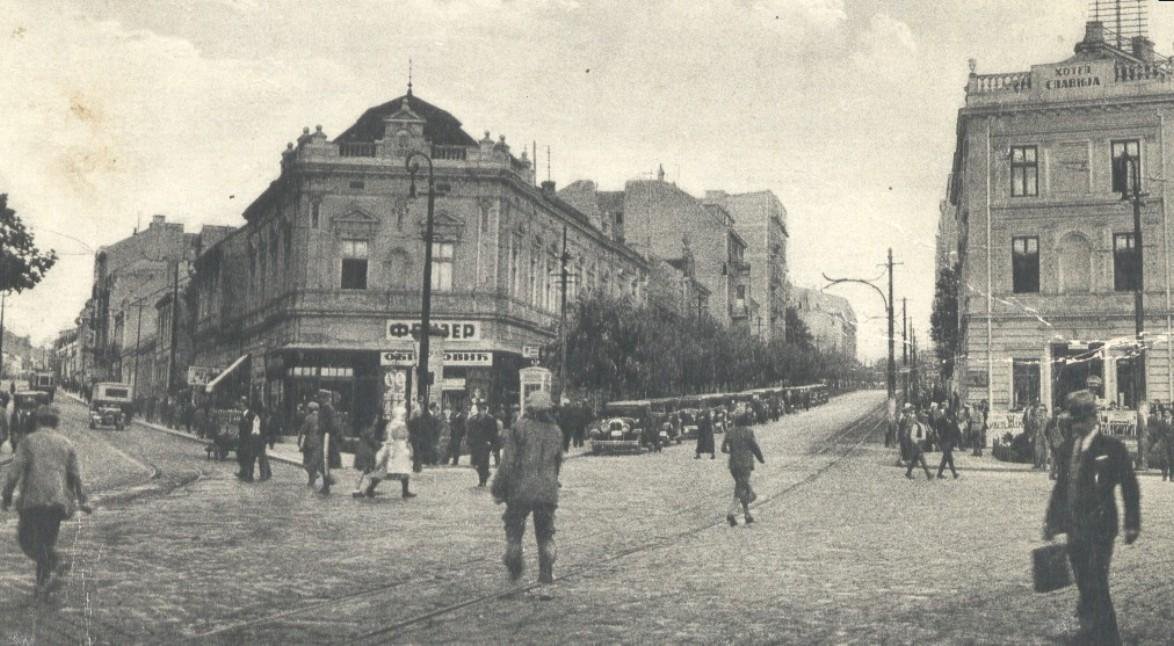
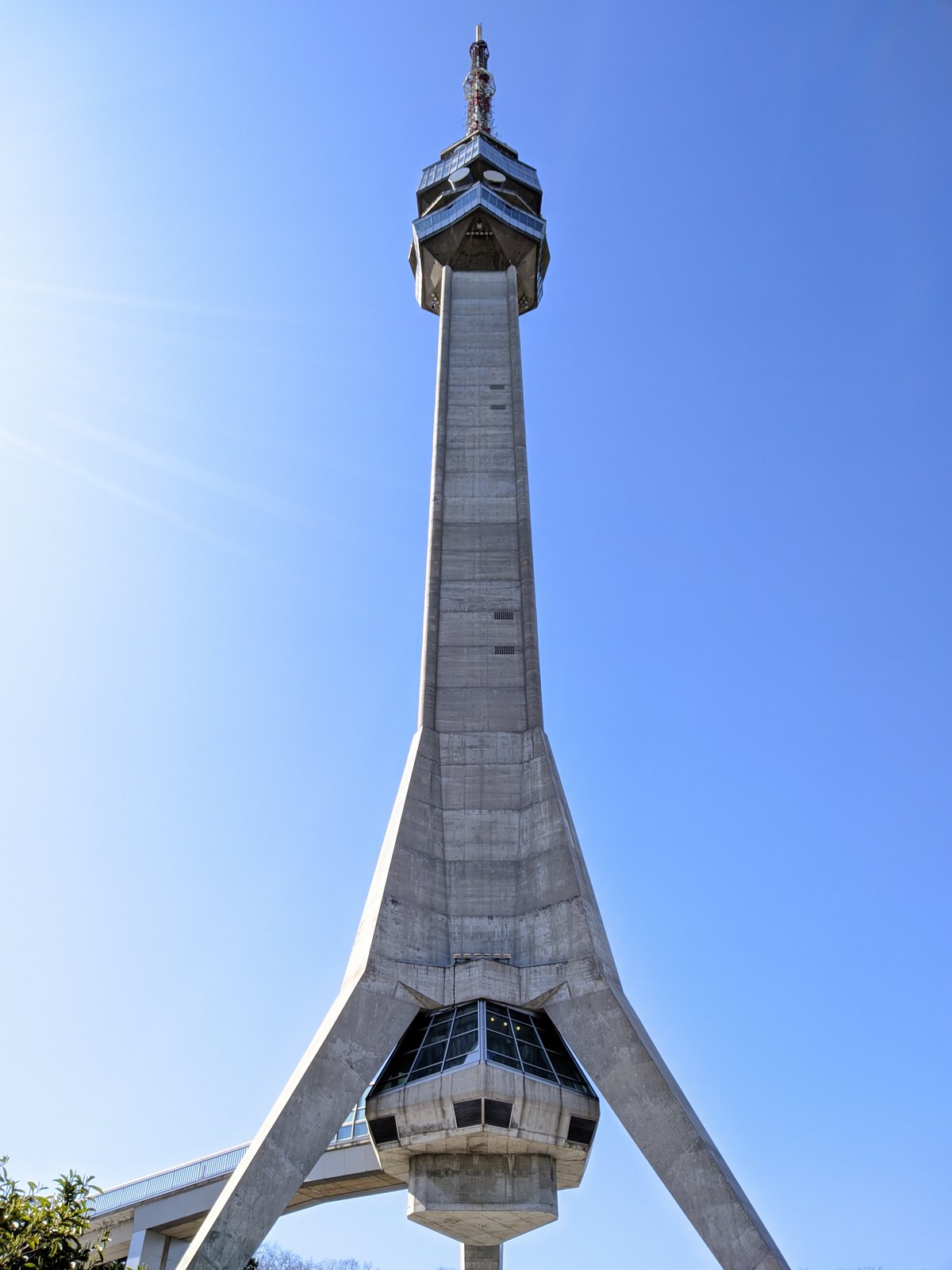
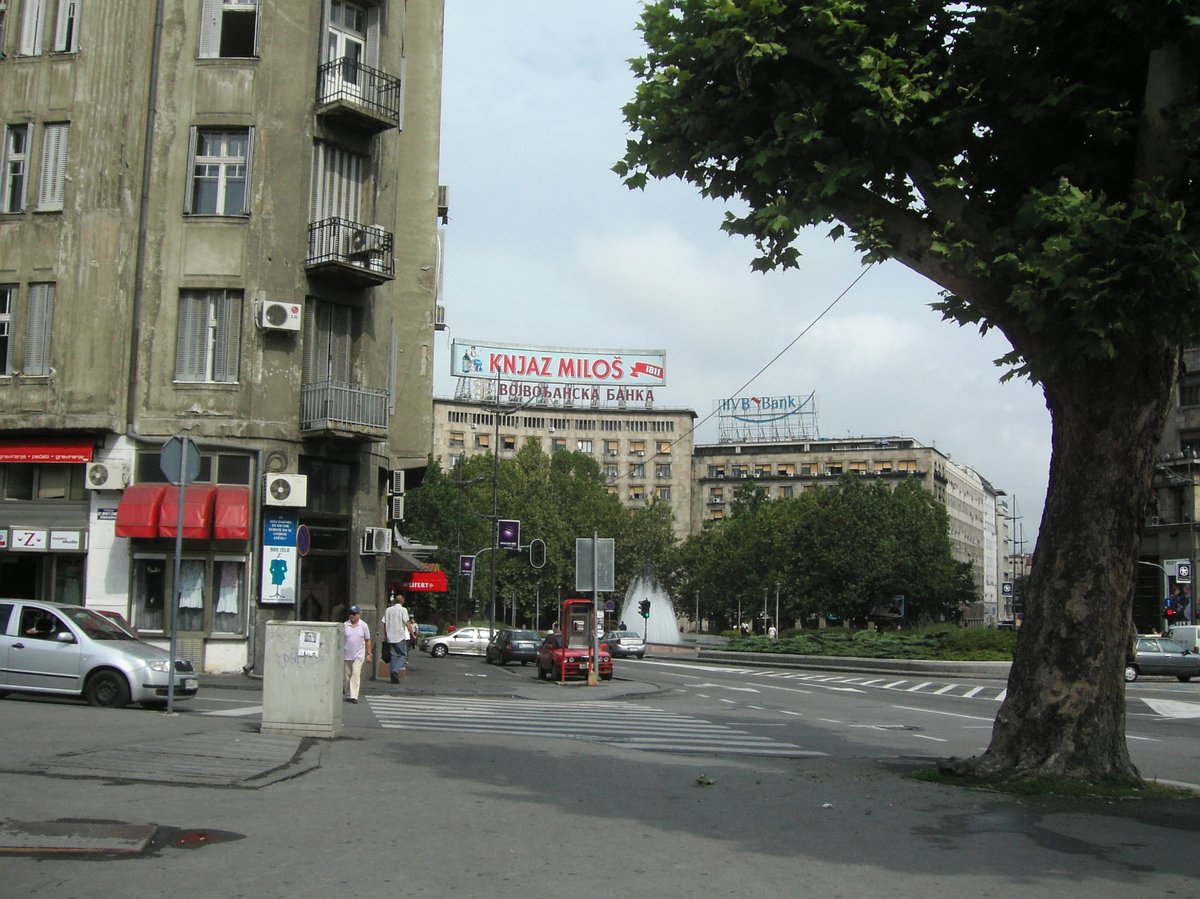
The city, as it actually looks.


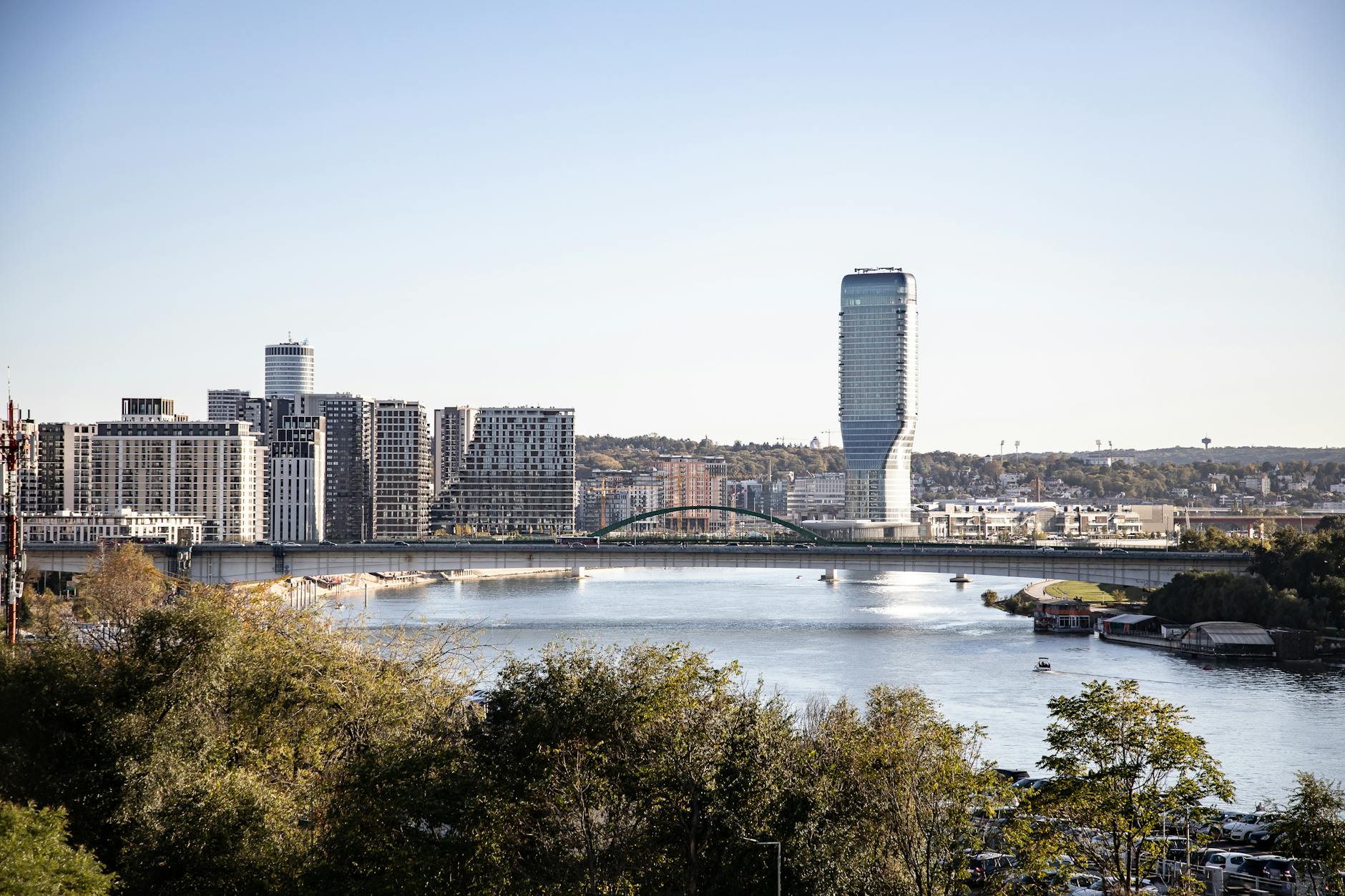

Absolutely—few capitals mix Roman walls, Habsburg façades, brutalist towers and floating clubs in one afternoon stroll. The food scene now ranges from smoky kafanas to Michelin-starred white-table elegance, and public transport is completely free.
Plan 3 full days: Day 1 fortress-Knez Mihailova-Skadarlija, Day 2 Zemun river promenade and fish lunch, Day 3 museums (Tesla, Yugoslavia) and splav clubs after midnight.
Yes, for bakeries, kafanas and the A1 airport bus. Cards are accepted in most restaurants and hotels, but a 200-dinar note will save you when the card terminal is 'suddenly broken'.
Center and riverside are lively until dawn, but stick to lit streets—pickpockets work crowded bars and ATMs. Avoid political demonstrations; they can block bridges without warning.
Take the A1 minibus (30 min, cash only) or free city bus 72 to Zeleni Venac. Taxis are fine only if you buy the fixed-price voucher at the airport kiosk first—never negotiate with drivers outside.
May, early June and September give you 24 °C days, open café terraces and festival season without July’s 30 °C steam or winter fog.
A filling ćevapi lunch costs 600 RSD (5 €), a Michelin-starred tasting menu 120 €. In between you’ll find craft beers for 3 € and museum entries under 5 €—solid mid-range value by European capital standards.
173 places to discover
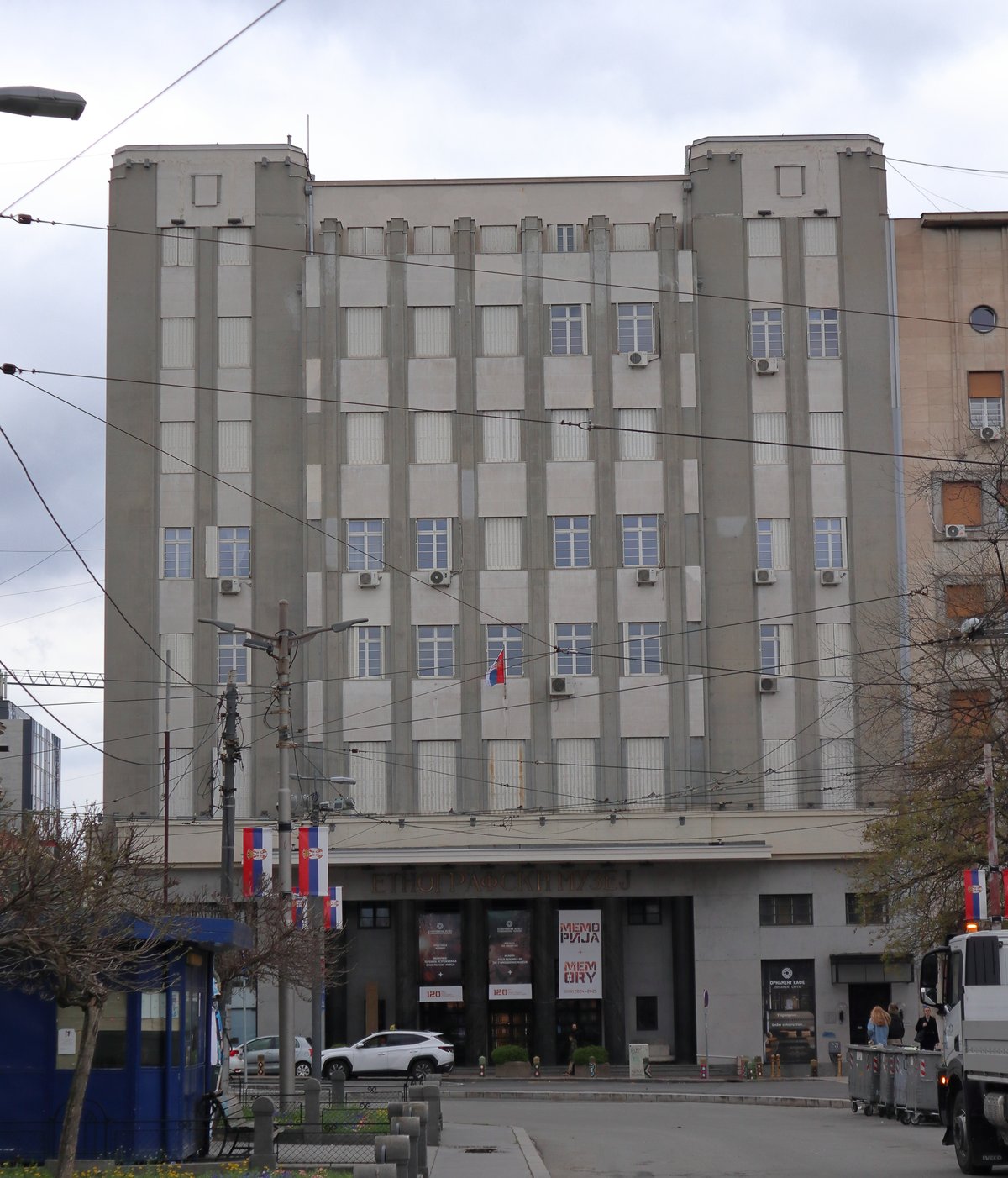

Showing 1–48 of 173 places
Saved and recently read places — kept on this device only.
Photos may have been resized or cropped.