
Historical Background and Architectural Significance
Founding and Early Development
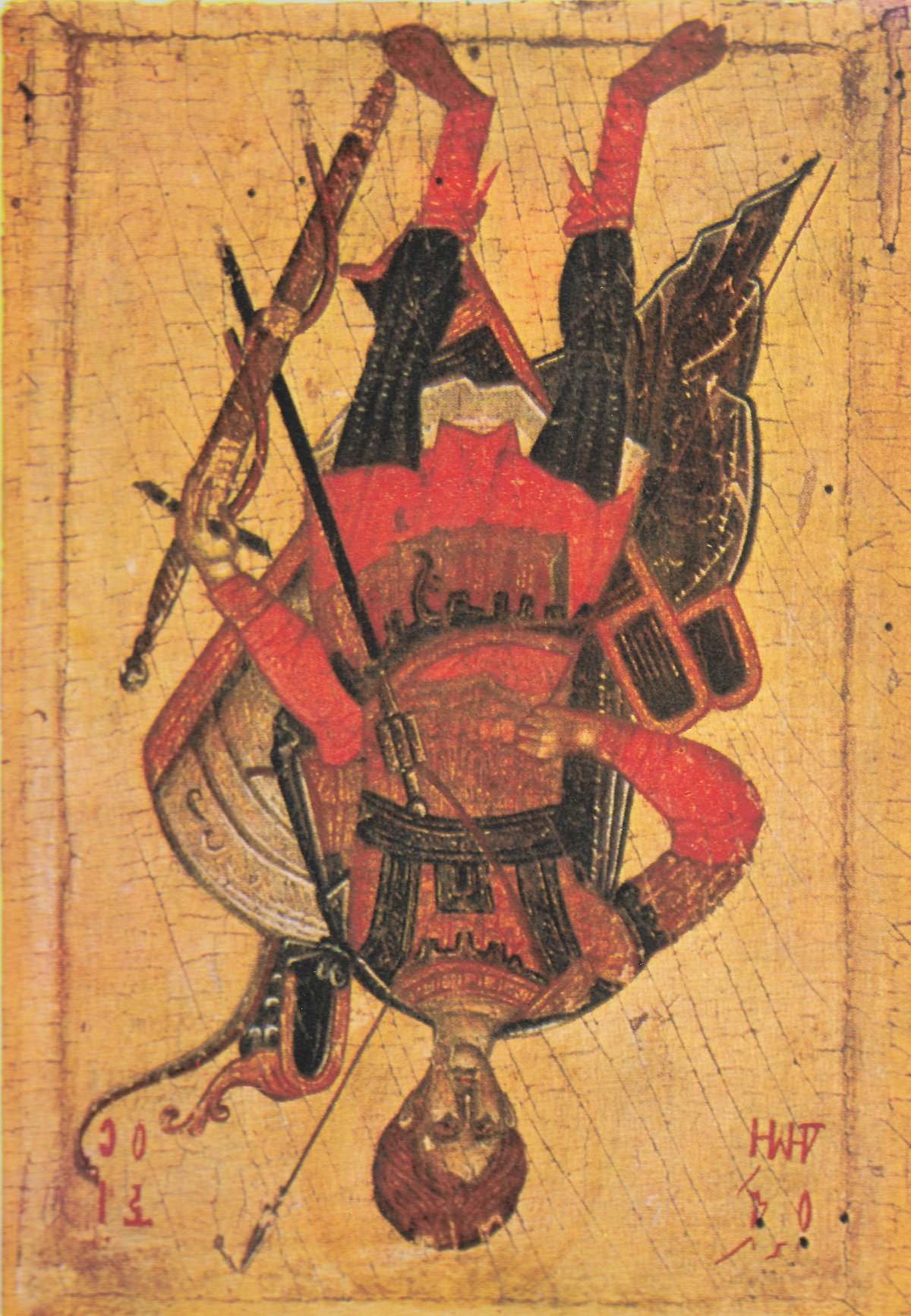
The Museum of Applied Arts (MAA) was founded on November 6, 1950, as Serbia’s premier institution dedicated to the collection, preservation, and exhibition of applied arts (Museum of Applied Art – About). Its initial collection was significantly bolstered by over 3,000 artifacts donated by Ljuba Ivanović, a prominent painter and printmaker, which included jewelry, rare manuscripts, wood carvings, and painted icons (visitbelgrade.eu). Over the decades, the museum’s holdings have expanded via acquisitions, donations, and bequests, now encompassing over 37,000 objects from the 4th century BC to the present day (Wikipedia, mojakartica.rs).
The Čelebonović Palace: Location and Architectural Features
Situated at Vuka Karadžića 18 in central Belgrade, the museum occupies the historic Čelebonović Palace, an early 20th-century Beaux-Arts building designed by architects Stevan Belić and Nikola Krasnov (mpu.rs). Originally built between 1927 and 1929 for Dr. Jakov Čelebonović, the palace features grand marble staircases, intricate wrought ironwork, and elegant interior detailing. Its adaptation into a museum in 1950 exemplifies successful architectural preservation and adaptive reuse, and the building is now a protected cultural monument (mpu.rs, mojakartica.rs).
Collections and Exhibition Highlights
The museum’s collections are organized into specialized departments, each reflecting a different facet of applied arts:
- Wood and Period Furniture Showcasing Baroque, Rococo, Biedermeier, and Art Nouveau pieces.
- Metalwork and Jewelry Including ancient Greek coins, filigree silverwork, liturgical objects, and historic weapons.
- Textiles and Costumes Featuring traditional Serbian dress, ecclesiastical vestments, and folk costumes.
- Ceramics, Porcelain, and Glass Ranging from medieval pottery to Art Deco glass and contemporary ceramics.
- Photography and Graphic Design Archiving early photographs, posters, and book designs.
- Contemporary Applied Arts Highlighting modern ceramics, jewelry, textiles, and graphic art by Serbian designers.
- Architecture and Urbanism Documenting the evolution of architectural styles and urban planning in Serbia (serbia.com, mpu.rs).
Permanent and Temporary Exhibitions
The museum regularly organizes permanent and temporary exhibitions across four gallery spaces, including the Main Museum Gallery and specialized venues for contemporary and thematic shows. Signature events include:
- Salon of Architecture Annual showcase of regional architectural innovation (mpu.rs).
- Triennial of Ceramics Featuring experimental ceramic art by Serbian and international artists.
- Children’s Salon of Applied Art Encouraging creativity among young visitors.
Online exhibitions and virtual tours are available for remote audiences (mpu.rs).
Visitor Information
Visiting Hours
- Tuesday to Sunday 10:00 AM – 6:00 PM
- Closed on Mondays and select public holidays
- The last admission is 30 minutes before closing (mpu.rs)
Ticket Prices and Discounts
- Adults 400 RSD (~3.40 EUR)
- Students and Seniors 200 RSD
- Children under 7 Free
- Discounts are available for group visits and family tickets.
- Tickets can be purchased on-site or online via the official website.
Accessibility
The museum is committed to accessibility, featuring ramps, elevators, and accessible restrooms. Visitors with additional needs are encouraged to contact the museum in advance to arrange support (Tourist Organization of Belgrade).
Guided Tours and Educational Programs
Curator-led tours and educational workshops are available in Serbian and English by appointment. The museum’s education department offers tailored programs for children, school groups, and adults (mpu.rs).
Nearby Attractions and Travel Tips
- Knez Mihailova Street Main pedestrian zone with shops and cafes.
- Kalemegdan Fortress Scenic historical site with panoramic views.
- National Museum of Serbia Located nearby for an extended cultural experience.
- The museum is easily reached by public transport, with paid parking garages within a five-minute walk (mojakartica.rs).
Photographic Opportunities
Photography is allowed in most areas, except where otherwise indicated. Flash and tripods are generally prohibited.
Institutional Role and Recognition
The Museum of Applied Arts is acknowledged as Serbia’s leading institution for the preservation and presentation of applied arts, with a mandate covering the entire national territory (museu.ms). It plays a vital role in organizing cultural events, publishing scholarly research, and fostering international collaborations (visitbelgrade.eu, mpu.rs).
Preservation and Heritage Status
The Čelebonović Palace is a protected monument, with ongoing conservation ensuring the integrity of both its architecture and the collections it houses (mpu.rs). The museum’s approach to adaptive reuse and its dedication to heritage preservation set a standard within the region.
Frequently Asked Questions (FAQ)
What are the opening hours?
Tuesday to Sunday, 10:00 AM – 6:00 PM; closed Mondays.
How much are tickets?
400 RSD for adults; 200 RSD for students and seniors; children under 7 enter free.
Is the museum wheelchair accessible?
Yes, with ramps and elevators throughout the building.
Are guided tours available?
Yes, by appointment and in multiple languages.
Where can I buy tickets?
At the museum or online via the official website.
Can I take photos?
Non-flash photography is permitted in most galleries.