
Historical Background
Origins and Dedication
The dedication of these churches to St. Demetrius, the revered 4th-century Christian martyr and military saint, reflects both spiritual devotion and a desire for protection in turbulent times. The New Belgrade church arose in the late 1990s, during a period of social and political upheaval, providing spiritual grounding for the expanding community (Orthodox Times). In Zemun, the 19th-century chapel was commissioned by merchant Grigorije Hariš, honoring his wife and the multicultural character of the district (The Nutshell Times). Within Kalemegdan, Ružica Church—closely associated with St. Demetrius—embodies the fusion of military and spiritual histories.
Construction Timeline
- New Belgrade Church Foundation stone laid on April 22, 1998, and consecrated by Patriarch Pavle on November 15, 1998. Despite interruptions from the 1999 NATO bombing, construction resumed, with church crosses consecrated on November 8, 2001 (ocpsociety.org).
- Zemun (Haris Chapel) Built between 1874–1878, designed by architect Svetozar Ivačković, featuring contributions by artists Paul Simic and a multicultural team of craftsmen.
- Kalemegdan (Ružica Church) Established in the 18th century, rebuilt after World War I, and renowned for its military-themed décor.
Community Role
These churches serve as spiritual anchors, hosting liturgies, sacraments, and feast days—particularly the annual celebration of St. Demetrius on November 8. Their significance is heightened by visits from high-ranking clergy and their integration into local religious and community life (Orthodox Times).
Architectural Styles and Features
Serbo-Byzantine and Neo-Byzantine Influences
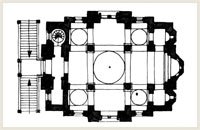
- New Belgrade Exemplifies Serbo-Byzantine revival, showcasing a cross-in-square plan, central dome, and intricate brickwork reminiscent of medieval Serbian monasteries like Gračanica (Eyes on Belgrade).
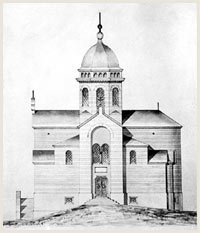
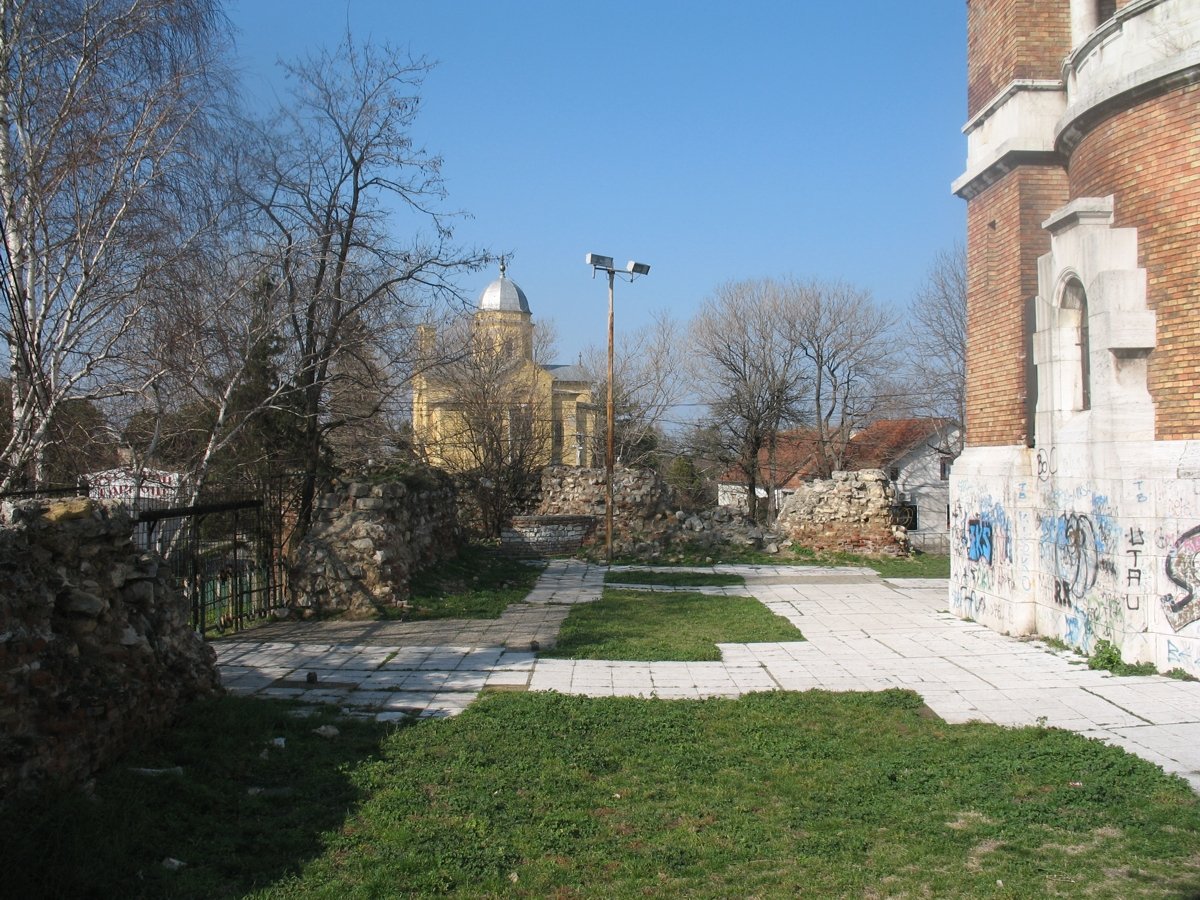
- Zemun Chapel Neo-Byzantine style with Baroque elements, featuring a distinctive dome and harmonious proportions. It stands as a hallmark of 19th-century Serbian ecclesiastical architecture.
- Ružica Church Notable for its rustic stone exterior and military-themed chandeliers made from spent cartridges and artillery shells—unique symbols of Serbia’s turbulent past (The World Was Here First).
Exterior and Interior Features
- New Belgrade 32-meter bell tower, light stone façade, spacious nave, and a richly decorated iconostasis celebrating Orthodox iconography.
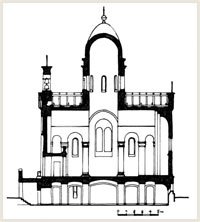
- Zemun Cruciform floor plan, central dome, iconostasis by Paul Simic, and wall paintings that echo the district’s multicultural heritage.
- Kalemegdan Vine-clad stone façade, vibrant frescoes, intricately carved iconostasis, and military artifacts integrated into the church’s décor.
Visiting Information
Opening Hours and Tickets
- New Belgrade Church Open daily 8:00 AM–8:00 PM, free entry.
- Zemun (Haris Chapel) Open daily 9:00 AM–6:00 PM, with some variation during holidays. Free entry; donations appreciated (The Nutshell Times).
- Ružica Church (Kalemegdan) Generally open 7:00 AM–8:00 PM, with occasional adjustments for religious events. Free entry (Forever Out Of Office).
Accessibility
- New Belgrade Wheelchair accessible, with ramps and accessible facilities; parking available for visitors with disabilities. Well connected via public transport (Belgrade Beat).
- Zemun Chapel Partial accessibility due to historic structure. The location atop a loess plateau may challenge those with mobility impairments (Travel Lemming).
- Ružica Church Wheelchair accessible; some fortress paths may be uneven, so assistance is advised.
Photography and Visitor Etiquette
- Photography Permitted outside all churches. Interior photography generally allowed with prior permission; always avoid flash and respect services.
- Dress Code Modest attire recommended. Cover shoulders and knees; headscarves are optional for women.
- Etiquette Maintain silence during services, avoid disruptive behavior, and be respectful of worshippers.
Nearby Attractions
- New Belgrade Sava Quay, Belgrade Arena, and Sava River promenades.
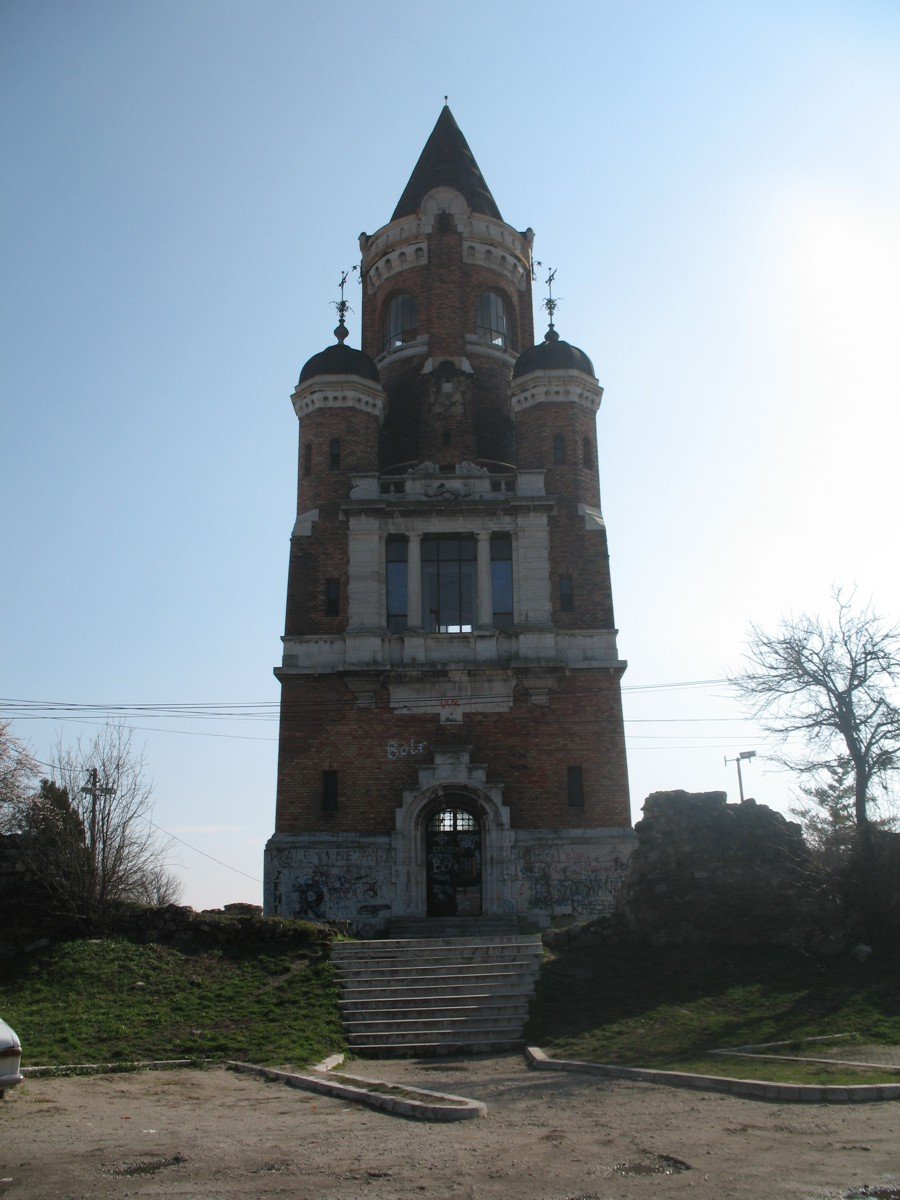
- Zemun Gardoš Tower, Zemun Quay, Old Town, and local markets.
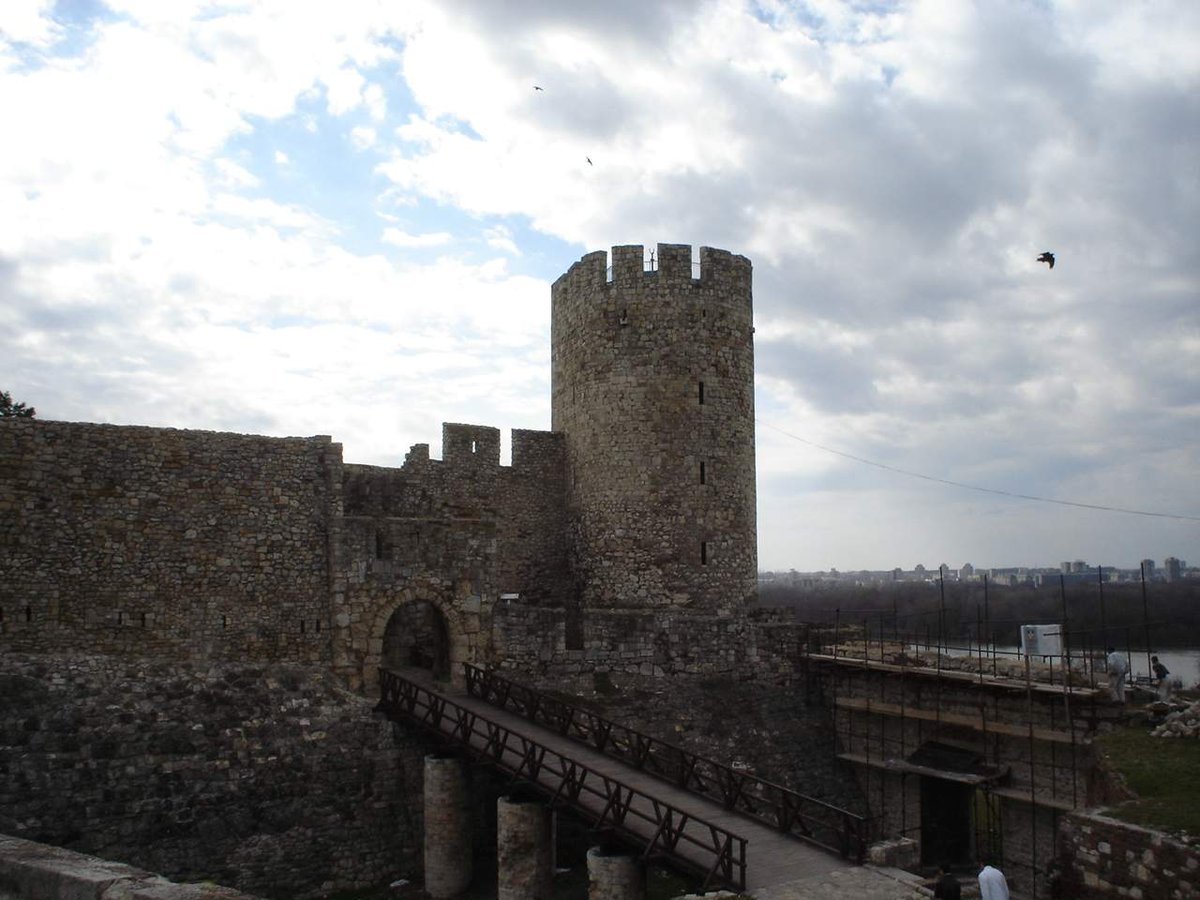
- Kalemegdan Military Museum, Victor Monument, Belgrade Zoo, panoramic river views.
Guided Tours and Events
- Guided Tours Available upon request or via local operators; often included in broader city or district walking tours.
- Special Events Major feast days, such as St. Demetrius’ Day (November 8), feature special liturgies and community celebrations.
Frequently Asked Questions (FAQ)
Q: What are the visiting hours of the Churches of St. Demetrius?
A: New Belgrade: 8:00 AM–8:00 PM; Zemun: 9:00 AM–6:00 PM; Ružica Church: 7:00 AM–8:00 PM (seasonal adjustments possible).
Q: Is there an entrance fee?
A: No; all three churches are free to enter. Donations are welcome.
Q: Are guided tours available?
A: Yes, by appointment or through local tour agencies.
Q: Are these churches accessible for people with disabilities?
A: New Belgrade and Ružica Church are accessible; Zemun Chapel has limited accessibility due to historic terrain.
Q: Can I take photos inside?
A: Yes, but seek permission and avoid flash. During services, photography may be restricted.
Q: What are the main events?
A: The feast of St. Demetrius (November 8) is a key celebration across all sites.
Related Articles
- Exploring Orthodox Churches in Belgrade
- Guide to Belgrade's Historical Sites
- Serbo-Byzantine Architecture in Serbia