History of the Museum and Risorgimento Movement
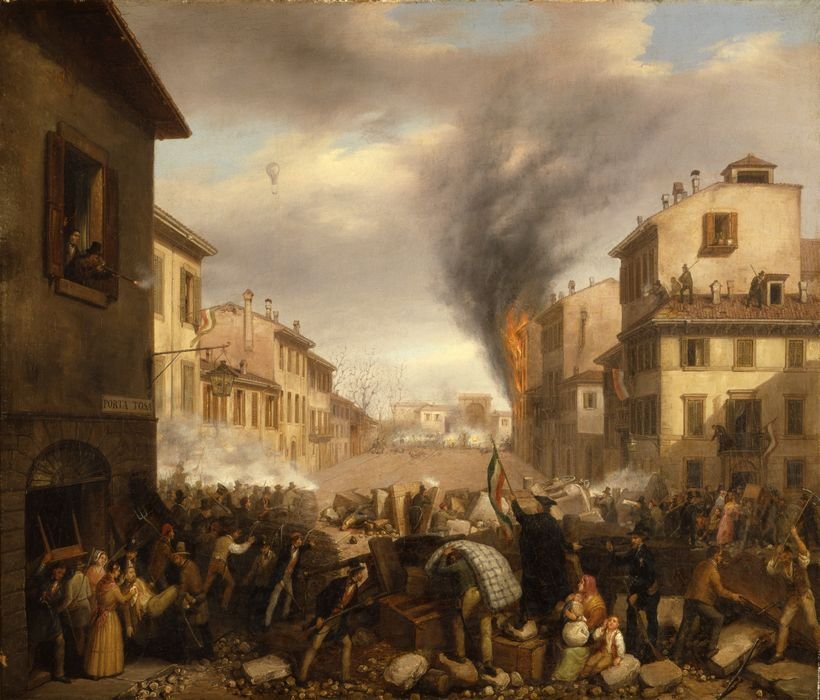
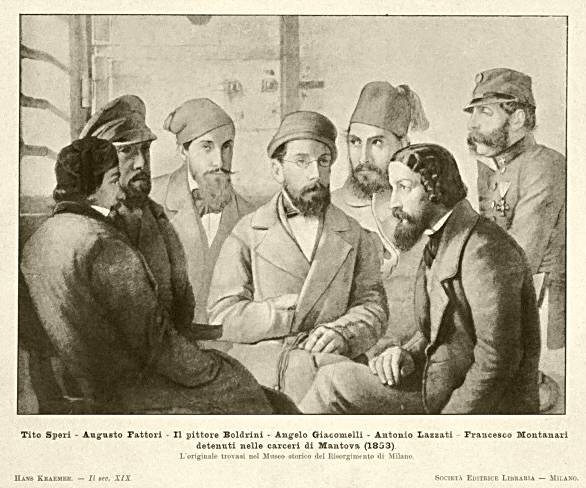
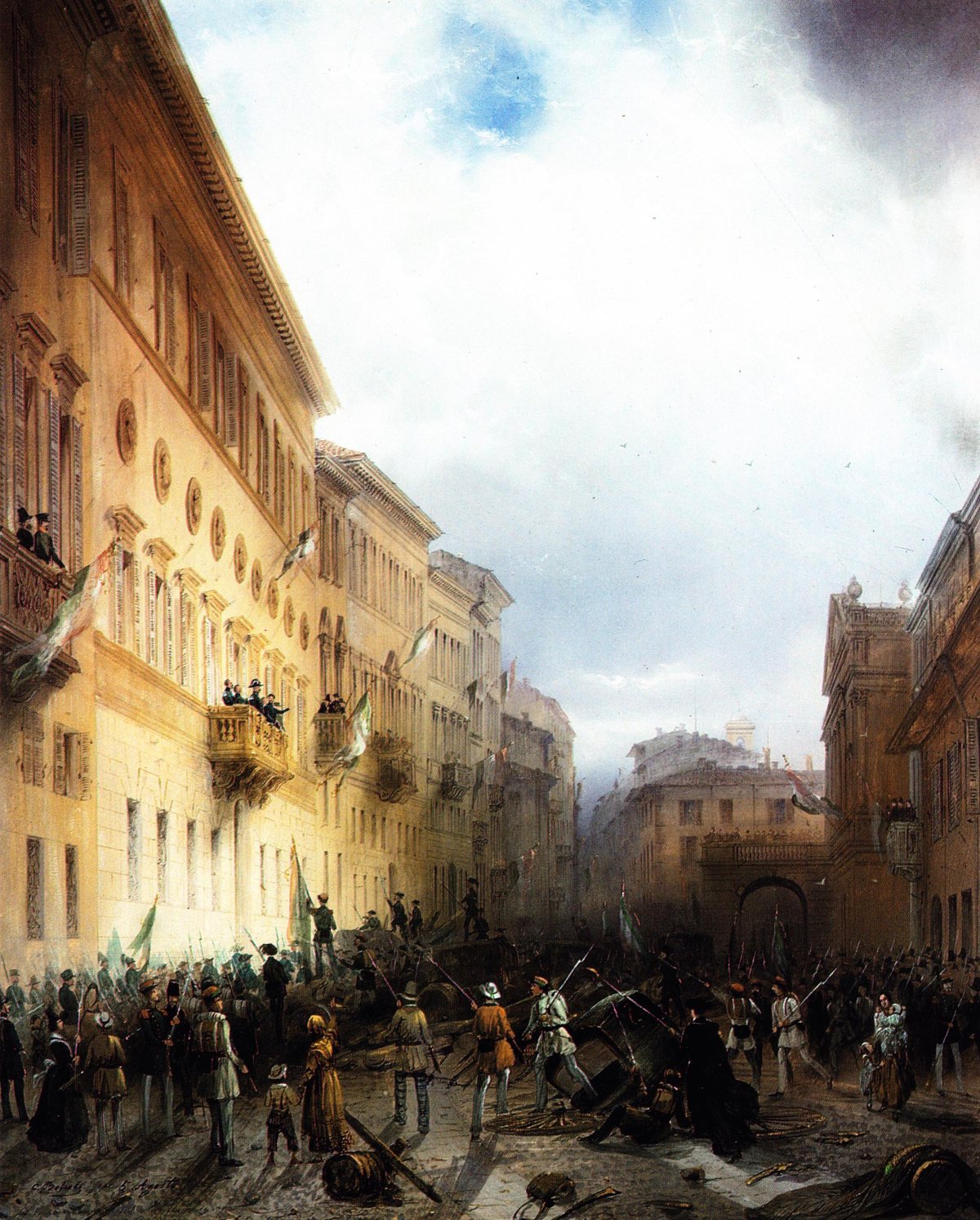
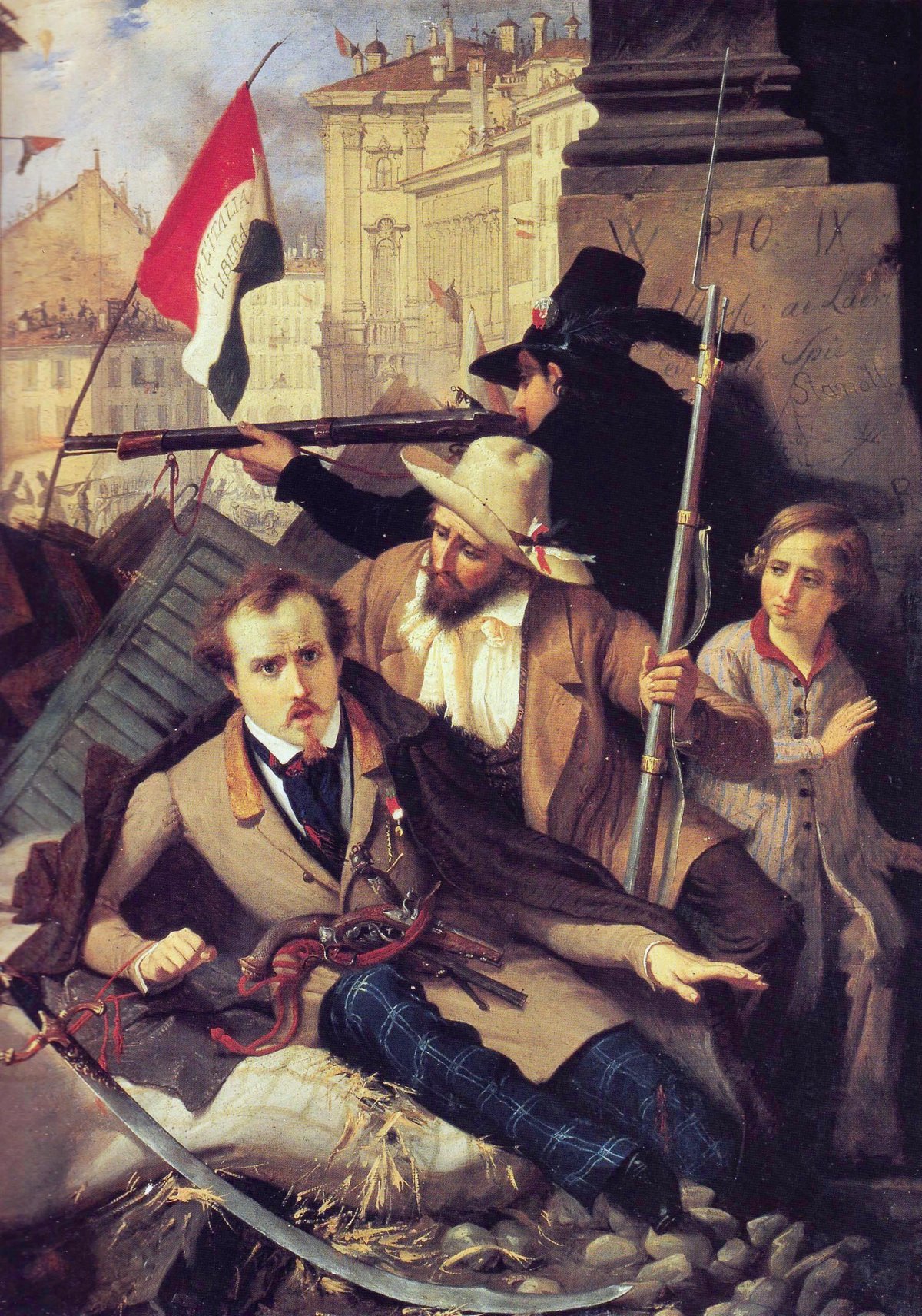
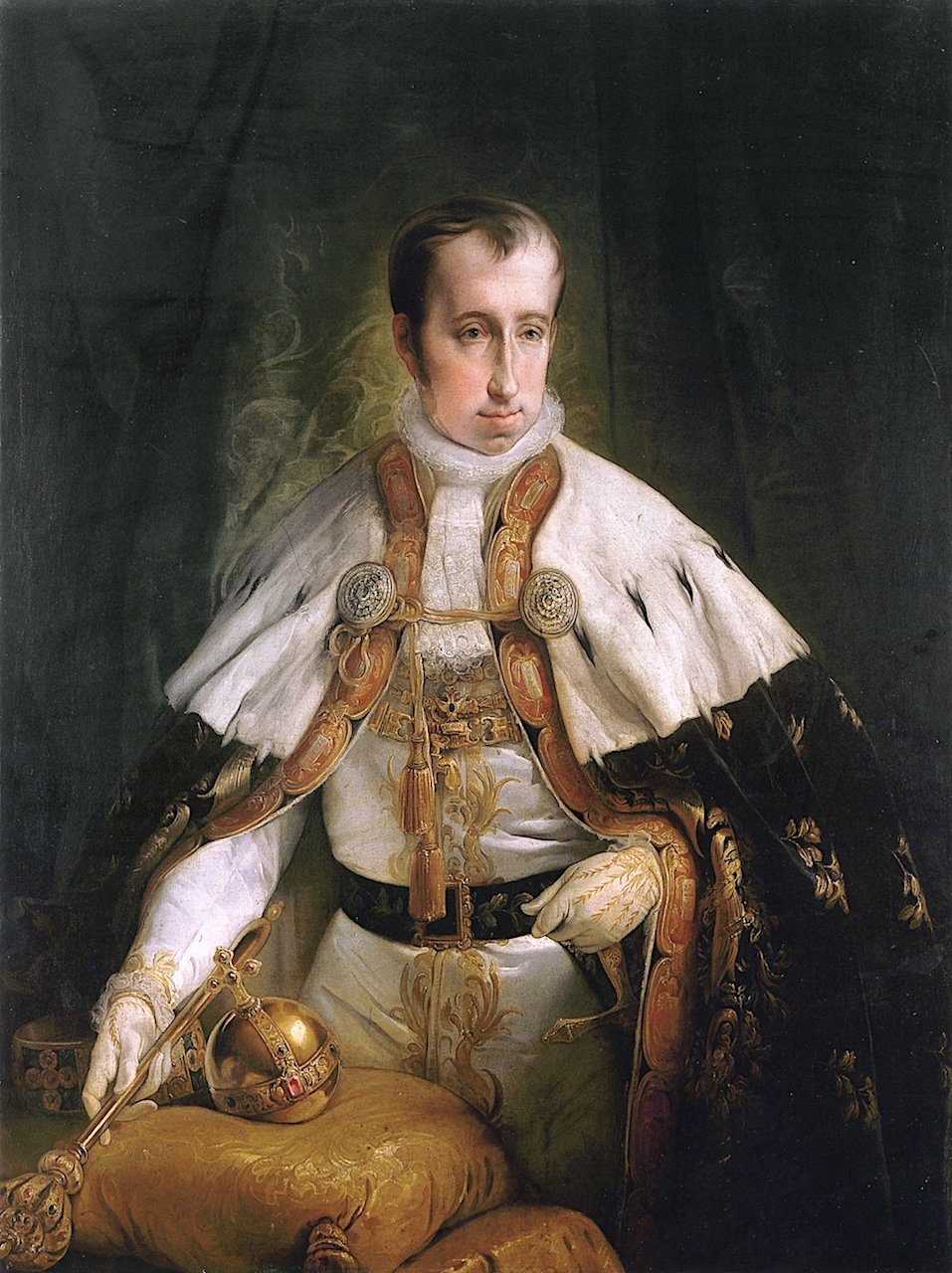
The Risorgimento—meaning “Resurgence”—refers to the political, cultural, and social movement that led to Italian unification. Milan was a central figure in this movement, most notably during the 1848 "Cinque Giornate di Milano" (Five Days of Milan), a major uprising against Austrian rule (The Collector). The museum, founded in the late 19th century, was established to safeguard and present the material history of this transformative era.
Palazzo Moriggia, which houses the museum, is itself a historical artifact, combining neoclassical elegance with the romantic spirit of the period. The museum’s collections are displayed chronologically, offering context from Enlightenment thought and Napoleonic reforms through the wars of independence, culminating in the unification of Italy and its aftermath.
Exhibitions and Collections
Highlights and Thematic Pathways
Spanning 16 exhibition rooms, the museum’s permanent collection provides a comprehensive narrative of the Risorgimento (Museu.ms). Key artifacts include:
- Napoleon’s Green-and-Silver Cloak and Regal Insignia – Symbolizing his influence on Milan and the broader Italian unification (Napoleon.org).
- Banner of the Lombard Legion Hunters – The first Italian Tricolore flag, representing emerging national identity (Wikipedia).
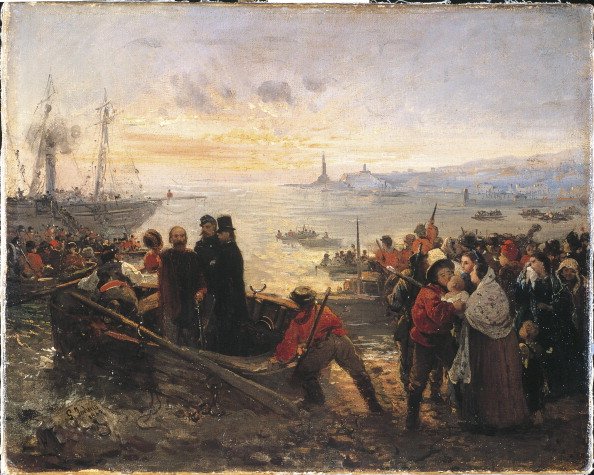
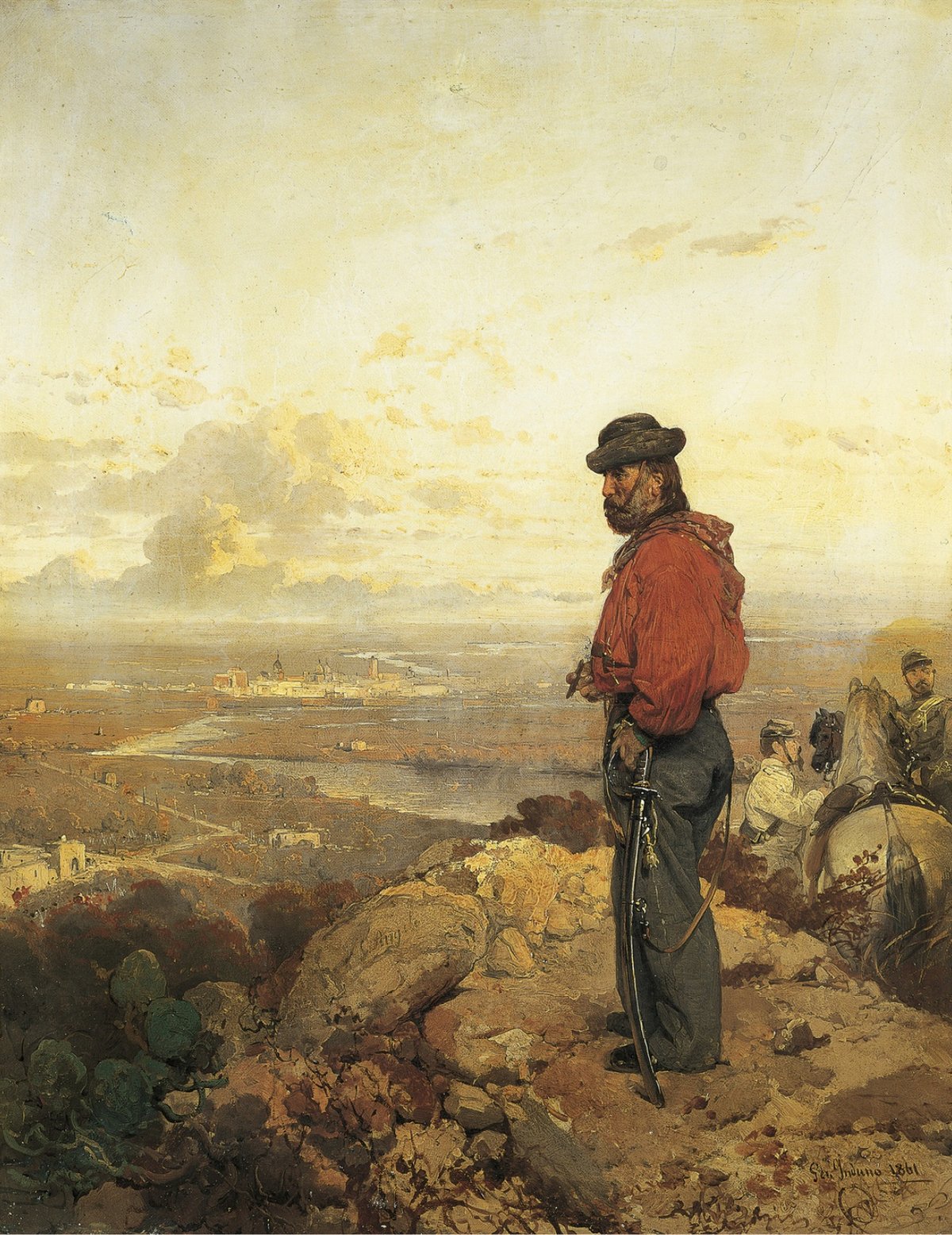
- Personal Items of Key Figures – Uniforms, weapons, and memorabilia of Giuseppe Garibaldi and King Victor Emmanuel II (WhichMuseum).
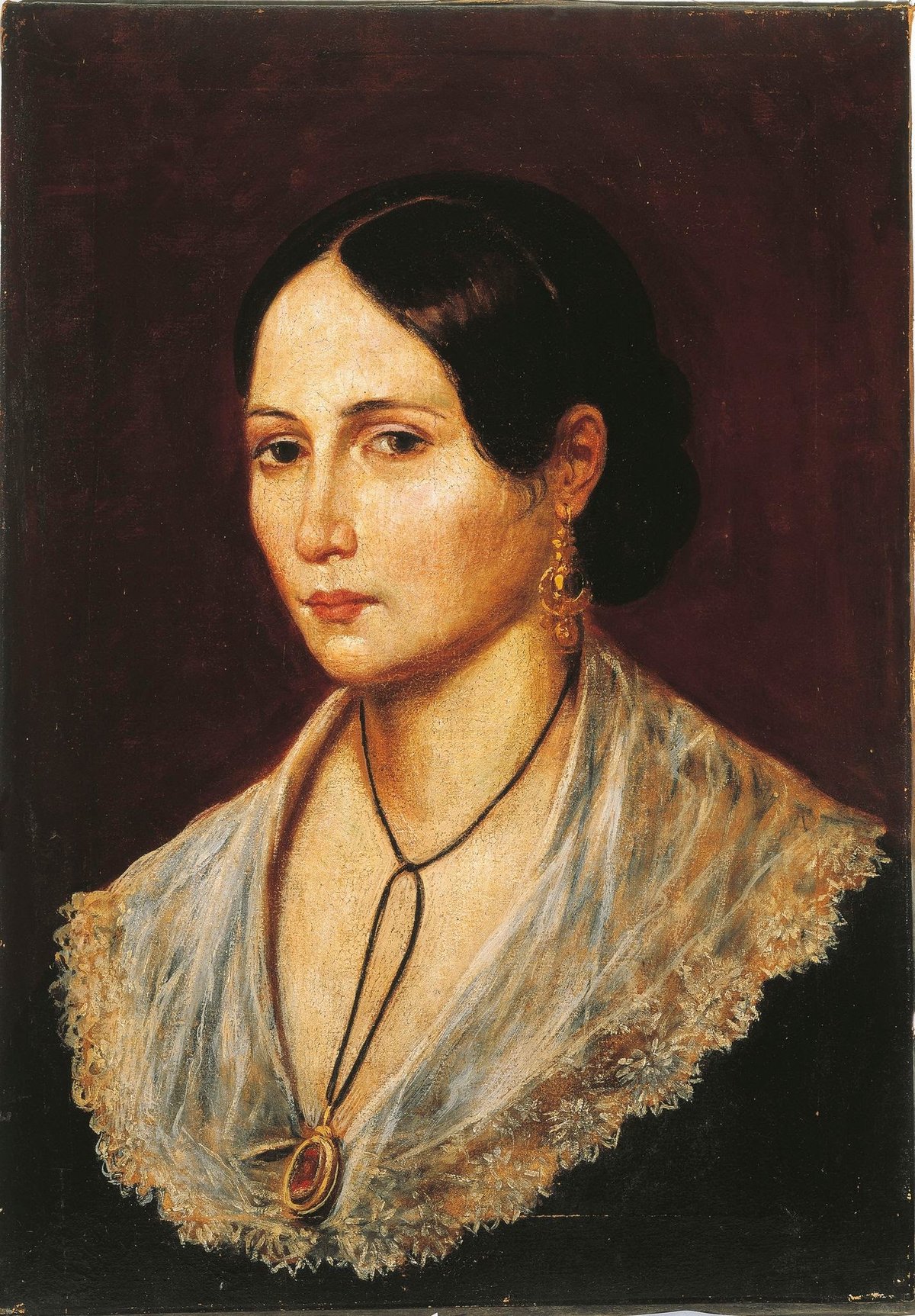
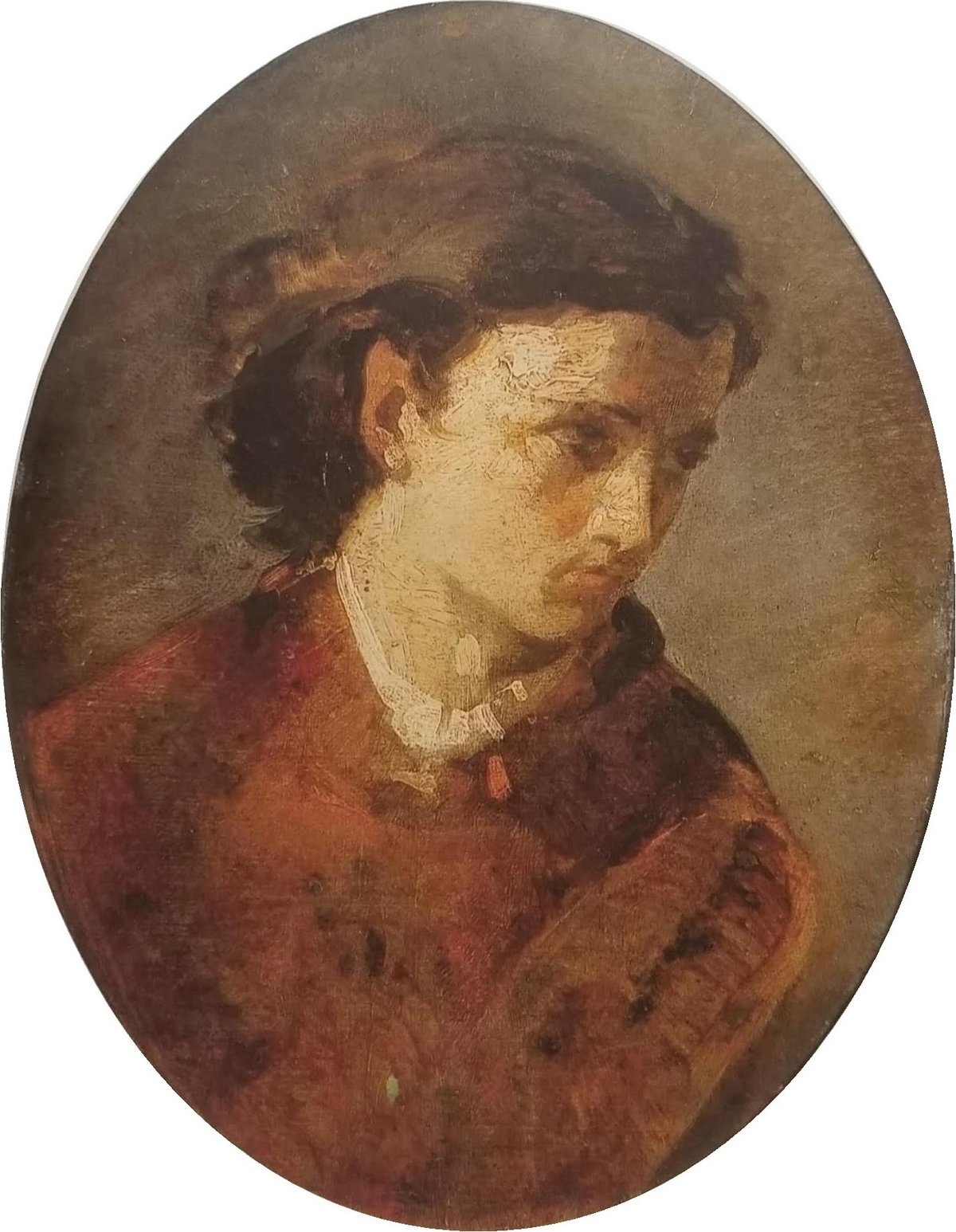
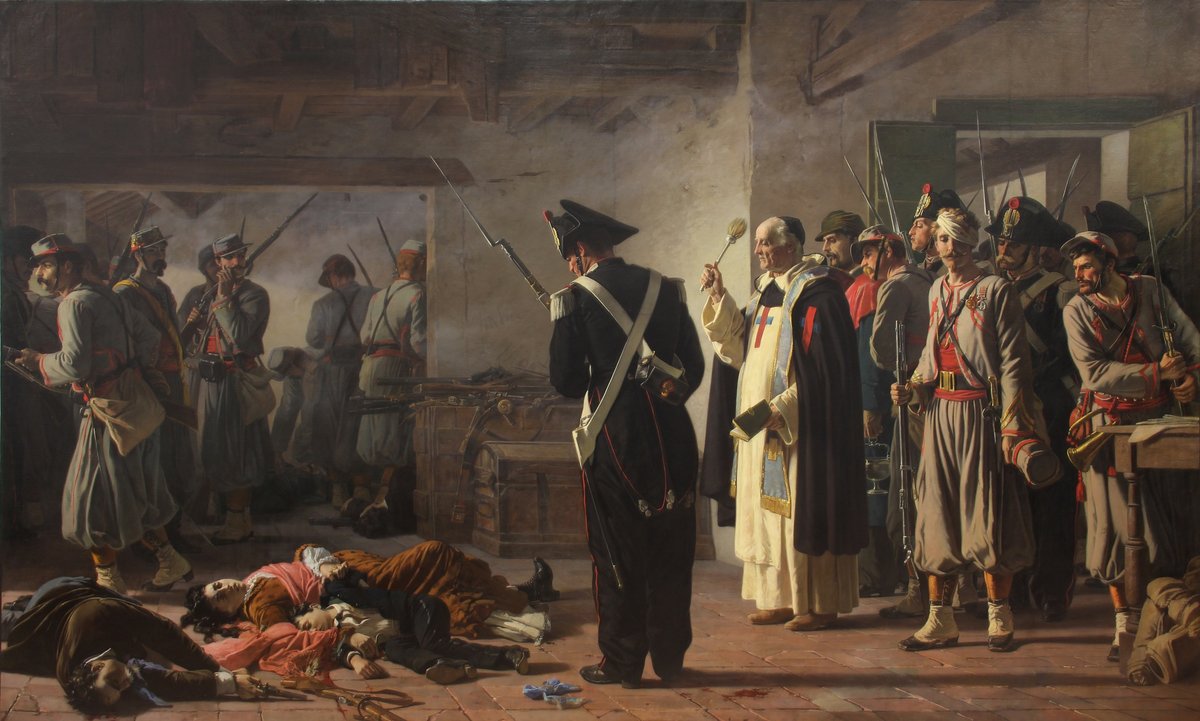
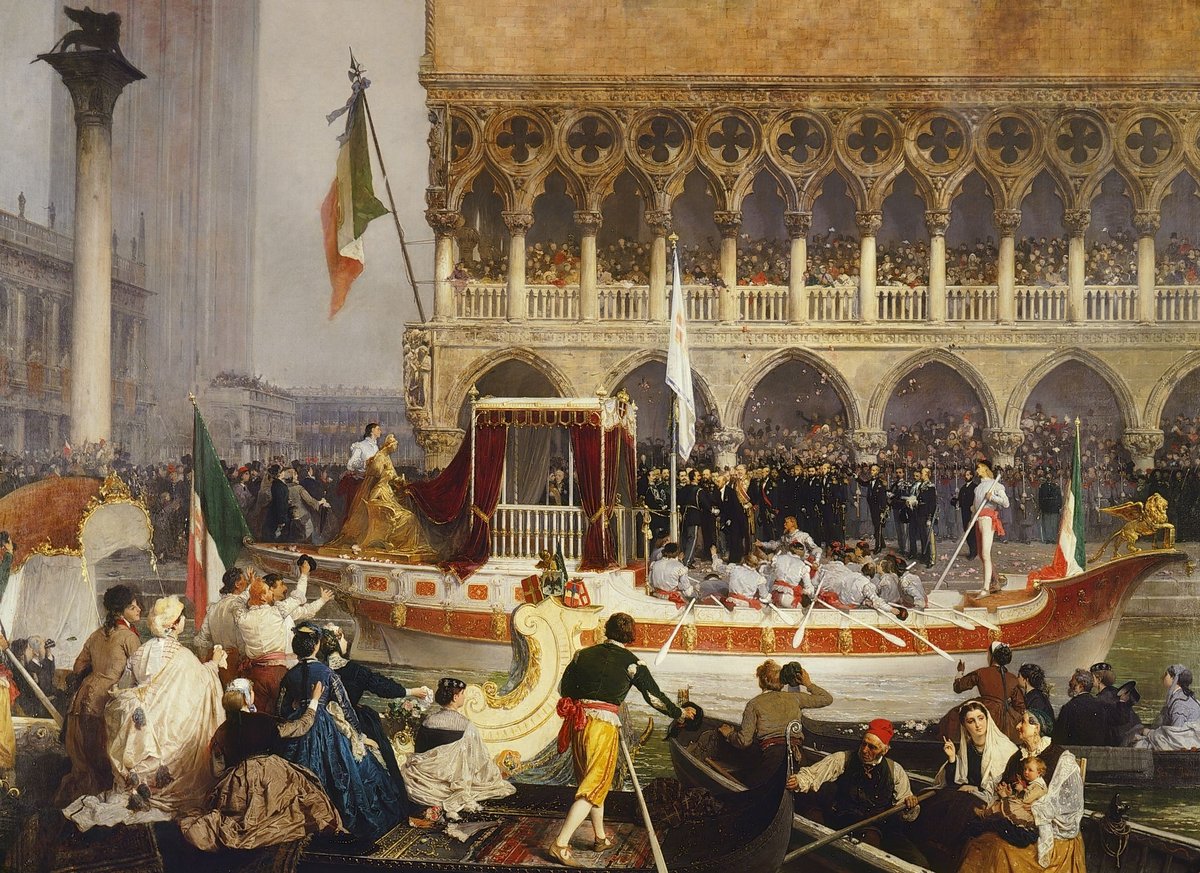
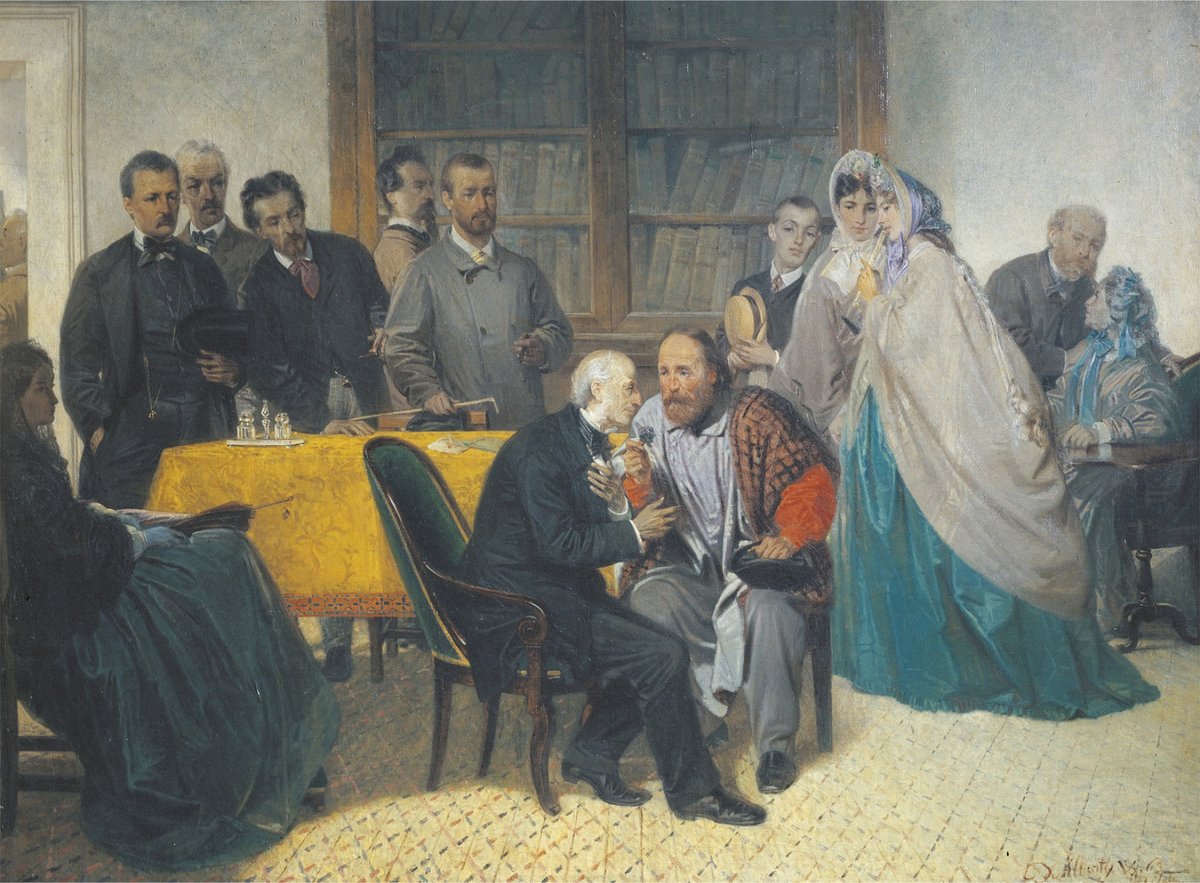
- Paintings and Sculptures – Works by Baldassare Verazzi and Francesco Hayez, including depictions of the Five Days of Milan.
- Letters, Posters, and Documents – Illuminating the ideological and social currents of the 19th century.
Thematic rooms guide visitors through:
- The Napoleonic era and pre-Risorgimento context
- The revolutionary years of 1848 and the Five Days of Milan
- The wars for independence and the proclamation of the Kingdom of Italy
- The legacy of unification into the 20th century
Visiting Hours and Ticket Information
- Museum Hours Tuesday to Sunday, 10:00–17:30 (last entry at 17:00). Closed Mondays and some public holidays.
- Library and Archive Monday to Friday, 9:30–16:30 (appointment required).
- Admission Permanent collections are free. Temporary exhibitions and special events may require a ticket. Discounts and free entry are offered for children under 18, persons with disabilities, and seniors (Comune di Milano, Artsupp).
- Booking Advance booking is recommended for groups, guided tours, and temporary exhibitions.
Accessibility and Visitor Tips
The museum is fully accessible, with ramps, elevators, adapted restrooms, and tactile tours for visually impaired visitors. To optimize your visit:
- Use public transportation (Metro Lanza MM2 or Montenapoleone MM3, Tram 1, Buses 61 and 94).
- Arrive during weekday mornings to avoid crowds.
- Check the official website for schedules, special events, or unexpected closures.
- Note: Parking is limited in the Brera district; public transit is recommended.
Museum Layout, Must-See Exhibits, and Services
Layout and Navigation
Exhibitions are organized chronologically with bilingual Italian–English signage. Interactive displays, digital guides (via QR codes), and multimedia panels enrich the experience.
Must-See Exhibits
- Garibaldi’s red shirt and personal effects
- The Lombard Legion banner
- Paintings and busts of leading figures such as Cavour, Garibaldi, and King Victor Emmanuel II
- Romantic Garden and grand staircase—prime photographic locations
Services
- Cloakroom Lockers available for a refundable €1 (BresciaMusei)
- Bookshop Books on Italian history, souvenirs, and educational materials
- Refreshments Vending machines and a lounge area
- Free Wi-Fi Throughout the museum
Family and Group Visits, Guided Tours, and Educational Initiatives
- Family-Friendly Interactive displays and educational resources for children
- School and Group Visits Multilingual guided tours, workshops, and special rates are available with advance booking
- Educational Programming Regular workshops, lectures, and temporary exhibitions keep the museum dynamic and relevant
Nearby Attractions and Amenities
The museum’s location in Brera makes it ideal for combining with other Milanese cultural sites:
- Brera Art Gallery (Pinacoteca di Brera) Italian Renaissance masterpieces
- Teatro alla Scala Iconic opera house
- Brera Botanical Garden Peaceful green space
- Sforza Castle, La Scala Opera House, and Milan’s fashion district All within walking distance
Numerous cafés, restaurants, and shops are nearby, making it easy to plan a full day in Milan’s cultural heart.
Frequently Asked Questions (FAQ)
Q: What are the Museum’s visiting hours?
A: Tuesday–Sunday, 10:00–17:30 (last entry 17:00). Closed Mondays.
Q: Is admission free?
A: Entry to permanent collections is free; some temporary exhibitions may require a ticket.
Q: Are guided tours available?
A: Yes, in multiple languages by advance booking. Educational workshops are offered regularly.
Q: Is the museum accessible for visitors with disabilities?
A: Fully accessible with tactile tours and adapted facilities.
Q: Can I take photographs?
A: Non-flash photography is permitted for personal use; professional equipment requires authorization.
Q: How do I reach the museum?
A: Take Metro MM2 (Lanza) or MM3 (Montenapoleone), Tram 1, or Buses 61 and 94.