Historical Background and Evolution
Via Montenapoleone’s legacy stretches back to its days as a Roman thoroughfare in ancient Mediolanum. The street’s name stems from the Monte Napoleone financial institution, established during the Napoleonic era, which helped catalyze Milan’s 19th-century economic boom (UCityGuides). Over time, it transitioned from a noble residential avenue lined with Renaissance and Baroque palazzi to the epicenter of Milanese luxury and cosmopolitan culture.
The 18th and 19th centuries brought significant urban development, with noble families building grand residences that now house leading fashion boutiques. This transformation established Montenapoleone as both a symbol of Milan’s historical depth and a beacon of modern elegance.
Architectural Heritage and Notable Palazzi
Neoclassical Grandeur
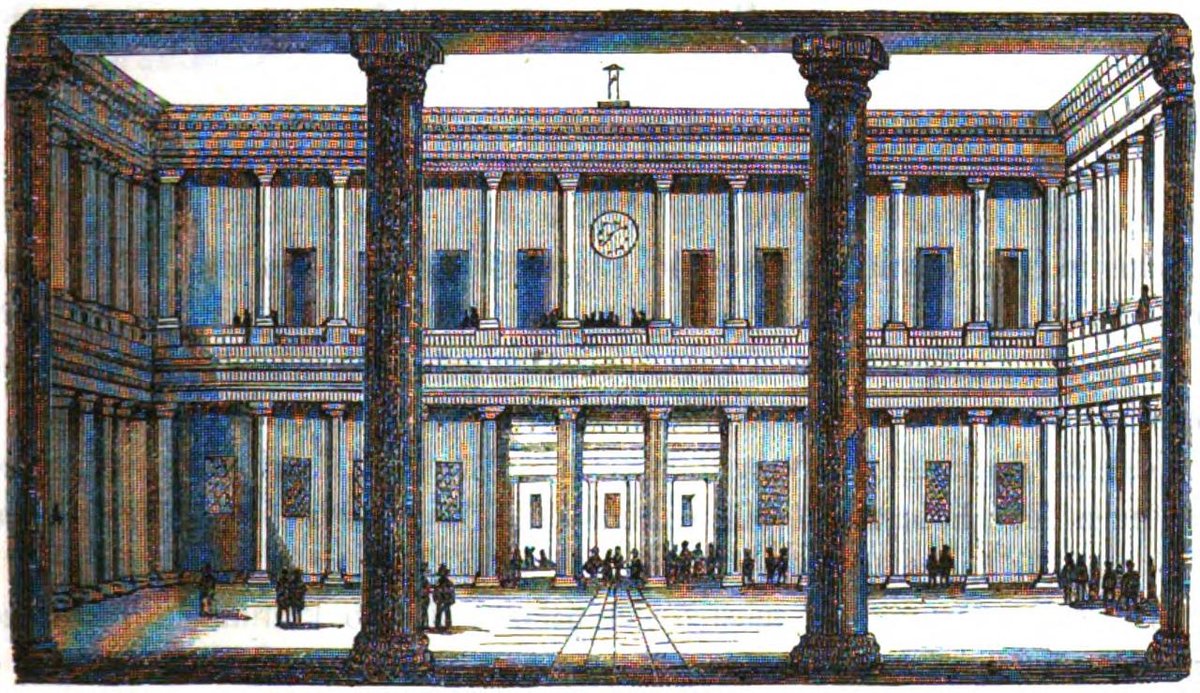
Montenapoleone is celebrated for its harmonious Neoclassical architecture, characterized by symmetrical facades, Ionic and Corinthian columns, and ornate pediments. Among its architectural landmarks:
- Palazzo Taverna (Via Montenapoleone 2) Recently restored with a neoclassical facade by Ferdinando Albertolli, blending heritage and contemporary luxury (LVMH).
- Palazzo Melzi di Cusano (Via Montenapoleone 18) Notable for its balanced late 18th-century proportions.
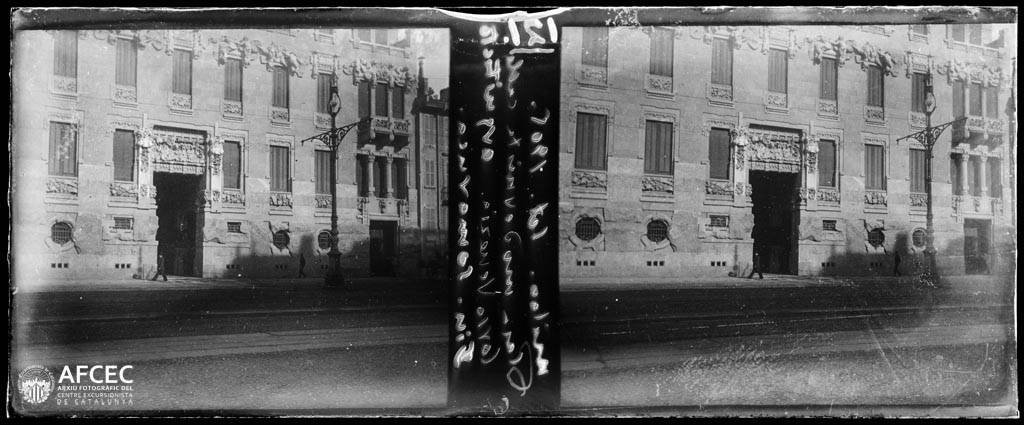
- Palazzo Gavazzi Illustrates the evolution from Neoclassical to eclectic styles.
Many palazzi, formerly noble residences, now host luxury boutiques and exclusive cultural spaces, embodying Milan’s tradition of adaptive reuse.
The Golden Triangle and Urban Significance
Via Montenapoleone anchors Milan’s famed “Golden Triangle,” together with Via della Spiga, Via Sant’Andrea, and Corso Venezia (UCityGuides). This district is defined by pedestrian-friendly, cobblestone streets and a vibrant blend of commerce and heritage—offering a unique, immersive urban atmosphere that is both exclusive and accessible.
Visitor Information: Hours, Tickets, and Accessibility
Visiting Hours
- General Access Via Montenapoleone is a public street, open year-round.
- Boutiques Most are open Monday–Saturday, 10:00 AM–7:30 PM. Some may close on Sundays or for lunch; check individual store websites for up-to-date hours (Italien Expert).
Tickets and Entry
- Street Access Free and open to the public; no ticket required.
- Special Events Certain exhibitions or guided tours inside palazzi or during festivals may require tickets.
Accessibility
- The street is generally accessible, with flat paving and curb cuts. Metro stations (Montenapoleone, M3 line; San Babila, M1 line) offer step-free access. Some historic buildings may have limited wheelchair access, but most boutiques are equipped for visitors with disabilities.
Restoration and Adaptive Reuse
A highlight of Montenapoleone’s ongoing evolution is the sensitive restoration of historic palazzi. Palazzo Taverna’s transformation into Louis Vuitton’s Milan flagship, led by architect Peter Marino, showcases the marriage of preservation and innovation. The restoration preserved neoclassical elements while integrating modern design, such as sunlit courtyards, glass skylights, and contemporary art installations (LVMH). This approach is emblematic of Montenapoleone’s respect for tradition and openness to change.
Landmarks and Unique Experiences
- Palazzo Melzi di Cusano An architectural gem representing Milanese aristocratic history.
- Palazzo Borromeo d’Adda Located nearby, a symbol of noble influence.
- Caffè Cova Established in 1817, a historic Milanese café that remains a favorite for locals and visitors.
Guided tours offer expert insights into the history, architecture, and fashion legacy of the district. Photographers will find inspiration in the street’s ornate facades, boutique windows, and lively ambiance (Tourist Platform).
Annual Events and Seasonal Highlights
Montenapoleone is the stage for Milan’s major cultural and fashion events:
- Milan Fashion Week (February/March and September/October) The district becomes the epicenter of global fashion, with exclusive showcases and celebrity sightings (YesMilano).
- Design Week (April) Features design exhibitions and artisan workshops (MonteNapoleone District).
- La Vendemmia (October) Combines luxury fashion with elite wine tastings in collaboration with top Italian wineries (Forbes).
- Holiday Season (December) The street is illuminated with festive decorations and special events.
Check the MonteNapoleone District calendar for up-to-date schedules and ticket information.
Shopping, Dining, and Leisure
Shopping Experience
Montenapoleone hosts the world’s leading fashion houses, such as Prada, Gucci, Versace, Armani, Louis Vuitton, Cartier, and Bulgari (Savoring Italy; TravelTriangle). Many boutiques offer personalized shopping, private appointments, and exclusive Milan-only collections.
MonteNapoleone VIP Suite: For a premium shopping experience, this lounge offers amenities such as champagne, purchase storage, concierge services, and tax refund assistance (Forbes).
Dining and Accommodation
- Dining Enjoy Italian cuisine at historic cafés like Caffè Cova or in gourmet restaurants within luxury hotels.
- Hotels Several five-star hotels, including Bulgari Hotel Milano, offer exclusive packages and private shopping experiences (Forbes).
Nearby Historical Sites
Montenapoleone’s central location makes it an ideal base for exploring Milan’s iconic attractions:
- Duomo di Milano The Gothic cathedral, a 10-minute walk away.
- Galleria Vittorio Emanuele II Historic shopping arcade with stunning architecture (Voyage Tips).
- Teatro alla Scala World-renowned opera house.
- Brera District Artistic neighborhood with galleries and charming streets.
Explore Via Montenapoleone and nearby sites on Google Maps.
Practical Tips and Frequently Asked Questions
Top Tips
- Best Time to Visit Weekday mornings for relaxed shopping; avoid August due to closures and heat (Time Out Milan).
- Dress Code Smart, elegant attire is appreciated.
- Tax-Free Shopping Non-EU visitors can claim VAT refunds on purchases over €154.94 (Italien Expert).
- Payment Credit cards widely accepted; carry small cash for minor purchases.
- Safety The area is secure, but stay alert for pickpockets in crowds.
- Language English is spoken in most boutiques; a few Italian phrases are welcome.
FAQs
Q: Is there an entrance fee for Via Montenapoleone?
A: No, the street is public and free to visit. Some events or private experiences may require tickets.
Q: What are the typical boutique opening hours?
A: Monday–Saturday, 10:00 AM–7:30 PM. Some close on Sundays or for lunch.
Q: How accessible is the area?
A: The street is flat and accessible; most boutiques accommodate visitors with disabilities.
Q: Can I take photos?
A: Yes, in public areas. Ask permission before photographing inside boutiques.
Q: Where can I find more information about events?
A: Visit the MonteNapoleone District official website.