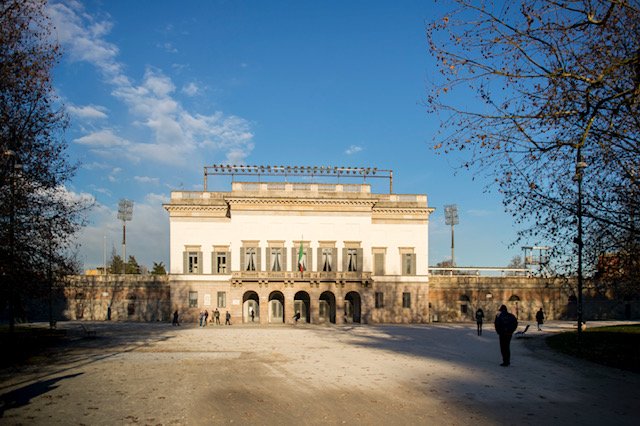
Visiting Milano Lambrate Railway Station
Visiting Hours
- Station Building Open daily, typically from 5:00 AM to 12:30 AM.
- Ticket Offices Generally operate from 6:00 AM to 9:00 PM.
- Shops and Services Have varied opening hours, posted onsite.
While entrances remain accessible for train arrivals and departures 24/7, check specific services for their operational hours.
Tickets and Services
- Ticket Purchase At staffed counters, multilingual self-service machines, or online via Trenitalia and Trenord. Mobile ticketing apps are recommended for convenience (Omio).
- Ticket Types Regional, national, and international train tickets, Milan metro/tram/bus tickets, and multi-day passes.
- Validation Validate all tickets before boarding. Fines apply for unvalidated tickets.
Accessibility
- Facilities Ramps, elevators (operational 06:00–21:00), tactile paving, and accessible restrooms.
- Assistance Sala Blu service for travelers with reduced mobility (request in advance).
- Information Real-time visual and auditory updates in Italian and English.
Transport Connections and Travel Tips
- Metro Line 2 (Green), direct to central hubs.
- Buses/Trams Multiple lines, including 19 (tram), and bus routes 39, 54, 81, 93, 924, and more.
- Parking Limited onsite, with nearby options and bike-sharing.
- Airport Links Linate accessible in ~20 minutes; Malpensa and Bergamo via connections at Centrale (The Broke Backpacker).
- Travel Tip Arrive 20–30 minutes early during peak times, especially if purchasing tickets or storing luggage.
Historical Development
Origins and Early Years
Established in 1906, the original Lambrate station reflected the district’s rural and industrial character. The yellow historic building stands as an emblem of Lambrate’s roots (Dils).
Relocation and Expansion (1931)
The current station opened in 1931 as part of Milan's modernization, aligned with the city’s expansion and connectivity to other major lines (Tripomatic).
Postwar Evolution and Urban Integration
Following WWII, Lambrate became a hub for both transportation and industry, linking the city center to growing suburbs and fueling the district’s transformation (Dils).
21st Century Regeneration
Recent decades have brought urban renewal, with masterplans to redevelop disused railway yards into green, accessible neighborhoods. The Caputo Partnership International masterplan covers 65,000 sqm, focusing on public spaces and community services (Urbanfile).
Architectural Significance
- Style Early 20th-century Italian functionalism with a modernist, linear layout.
- Structure 12 tracks, efficient passenger flow, and integration with the urban environment (Tripomatic).
- Artistic Elements The station’s retaining wall features engraved poetry, and the wider district is known for vibrant murals.
- Urban Integration Pedestrian pathways and piazzas connect Lambrate with Ortica and Rubattino, fostering community interaction (Urbanfile).
- Future Prospects Sustainability and improved pedestrian links are key goals for ongoing development.
Station Layout and Amenities
- Location Piazza Enrico Bottini; direct access to Metro Line 2.
- Facilities Waiting rooms with accessible seating, clean restrooms, luggage storage (paid), lost and found, and clear signage (Omio).
- Digital Services Real-time information screens; Wi-Fi access may be available via cafes or mobile data (RFI).
- Security Railway Police (Polfer) patrols, CCTV, and visible staff provide a generally safe environment (Urban Abroad).
Food, Beverage, and Retail Options
- Dining Cafes, bars, and restaurants offer Italian coffee, snacks, and hot meals.
- Retail Newsstands, convenience stores, and vending machines for travel essentials (Omio).
Nearby Attractions and Points of Interest
- Birrificio Lambrate One of Milan’s pioneering craft breweries, open daily ([see visiting hours above]).
- Ventura Lambrate Design District Creative hub, especially vibrant during Design Week.
- Parco Lambro Expansive green park, open daily from 7:00 AM to sunset.
- Città Studi University area with affordable dining and student life.
- Mercato Comunale di Via Rombon Traditional market, open Tuesday–Saturday mornings.
Other highlights include the Ortica district’s street art, Spazio MIL contemporary gallery, and offbeat sites like the Case a Igloo.
Accommodation and Practical Visitor Tips
- Nearby Hotels Options like MEININGER Milano Lambrate offer modern amenities and easy access (Hostelz).
- Services Pharmacies, ATMs, tourist information, and luggage storage are nearby.
- Accessibility Elevators, ramps, and tactile signage ensure ease of navigation for all travelers.
- Safety Remain vigilant with belongings, especially during late hours or in crowded areas (Cafes & Voyages).
Frequently Asked Questions (FAQs)
Q: What are the station’s opening hours?
A: Typically 5:00 AM–12:30 AM, with ticket offices 6:00 AM–9:00 PM.
Q: How do I buy tickets?
A: At counters, multilingual machines, or online via official apps (Omio).
Q: Is Milano Lambrate accessible for travelers with disabilities?
A: Yes, with elevators, ramps, accessible restrooms, and Sala Blu assistance (RFI).
Q: How do I reach Milan’s city center?
A: Metro Line 2 connects directly to central stations in under 15 minutes.
Q: Are there luggage storage facilities?
A: Yes, paid services are available within the station.