

Historical Background of Casa del Manzoni
Origins and Evolution
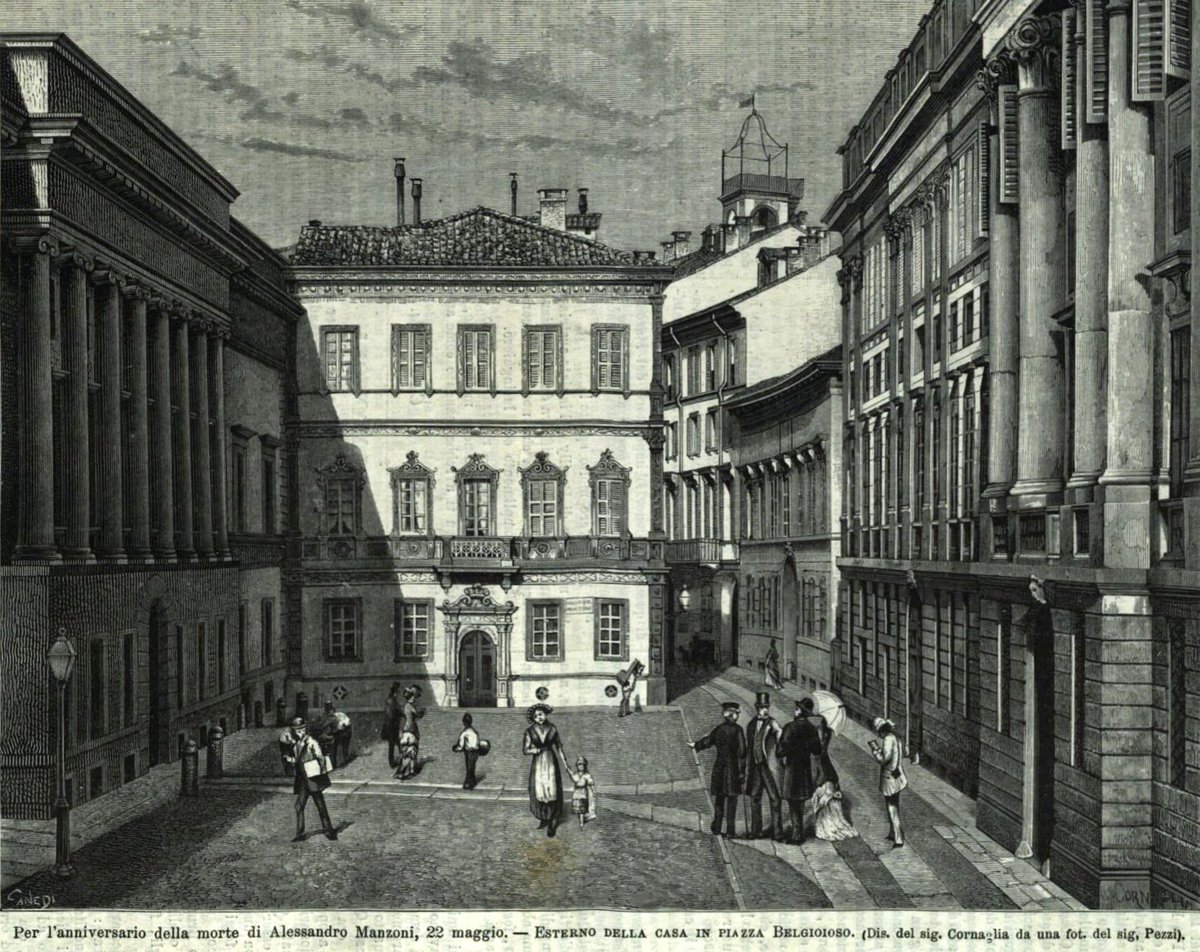
Casa Manzoni is the only residence that Alessandro Manzoni truly called his own. The Manzoni family settled here in 1814, shortly after Alessandro’s marriage to Enrichetta Blondel (Casa del Manzoni). The house was the setting for much of Manzoni’s creative output and family life. After his death in 1873, the property passed through several owners until 1937, when it was donated to the City of Milan for use by the National Centre for Manzoni Studies (Casa del Manzoni). Extensive restoration work, including major renovations in 2015, has preserved the home’s 19th-century character and improved its accessibility.
Architectural Features
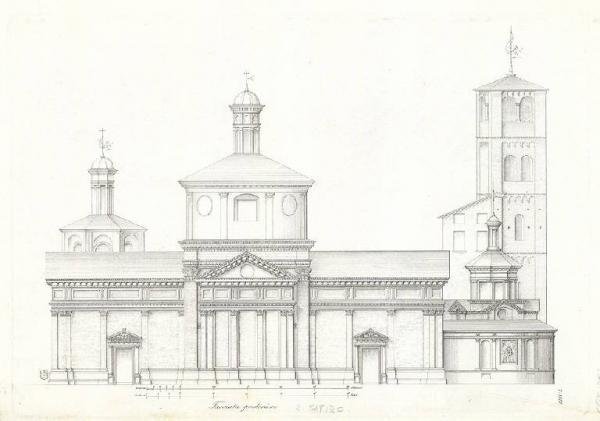
The residence features a neoclassical façade designed by Andrea Boni, characterized by symmetry, elegant window frames, and terracotta decorations reminiscent of Lombard Renaissance architecture (Flawless Life). The building opens onto a tranquil courtyard—typical of Milanese palazzi—often used for cultural events. Inside, original parquet floors, stucco ceilings, and period fireplaces evoke the ambiance of Manzoni’s era (SeeMilan.com).
Alessandro Manzoni: Literary Significance
Life and Major Works
Born in Milan in 1785, Alessandro Manzoni was deeply influenced by Enlightenment thinkers, particularly his grandfather Cesare Beccaria (eNotes). His most influential work, I Promessi Sposi (The Betrothed), published in 1827 and revised in the early 1840s, is considered a cornerstone of Italian literature, celebrated for its realistic social commentary and enduring themes of faith and justice (Biographs.org).
In addition to his novel, Manzoni wrote tragedies such as Il Conte di Carmagnola and Adelchi, as well as influential essays on language and religion.
Influence and Legacy
Manzoni played a vital role in the unification of Italy’s language, popularizing the Tuscan dialect through his literary works (Wikipedia). His writings echoed the ideals of the Risorgimento, establishing him as a symbol of national unity. Manzoni’s legacy is honored by Casa Manzoni, which preserves and interprets his contributions for new generations (Casa del Manzoni).
Visiting Casa Manzoni: Practical Information
Opening Hours
- Tuesday to Friday 10:00 AM – 6:00 PM
- Saturday 2:00 PM – 6:00 PM
- Closed Sunday, Monday, and public holidays
- Last Entry 5:00 PM
Always check the official website for updates, special opening times, or holiday variations.
Ticket Prices & Booking
- Standard Ticket €8–€10 (subject to change)
- Reduced Rates Available for students, seniors, and groups
- Free Entry Holders of the Abbonamento Musei Lombardia Valle d’Aosta card, children under 6, and during certain cultural events
- Guided Tours From €21, including admission, with advance booking recommended (Neiade)
- Booking Options
- Phone: +39 02 86460403
- Email: [email protected]
- Online: Ticketone
- Library Access By appointment only; email [email protected]
Guided Tours and Accessibility
- Languages Italian (with English available by request)
- Tour Duration ~90 minutes
- Accessibility The museum is partially wheelchair accessible; contact staff in advance for detailed information (WhichMuseum).
- Audio Guides Available in several languages.
Facilities & Visitor Tips
- Restrooms Available, but limited
- Cloakroom Not available; large bags may not be permitted
- Photography Permitted without flash
- Food & Drink No café on site; numerous options in the surrounding Montenapoleone District
- Shop No dedicated museum shop, but related books and souvenirs may be found in nearby bookstores
Museum Experience: Exhibits & Highlights
Casa Manzoni’s museum is organized into ten thematic sections, including:
- Family Portraits and Personal Life Features portraits and documents related to Manzoni’s family and formative years (Donne di Casa Manzoni).
- Manuscripts and Literary Artifacts Original manuscripts, annotated drafts, and first editions are displayed in climate-controlled cases.
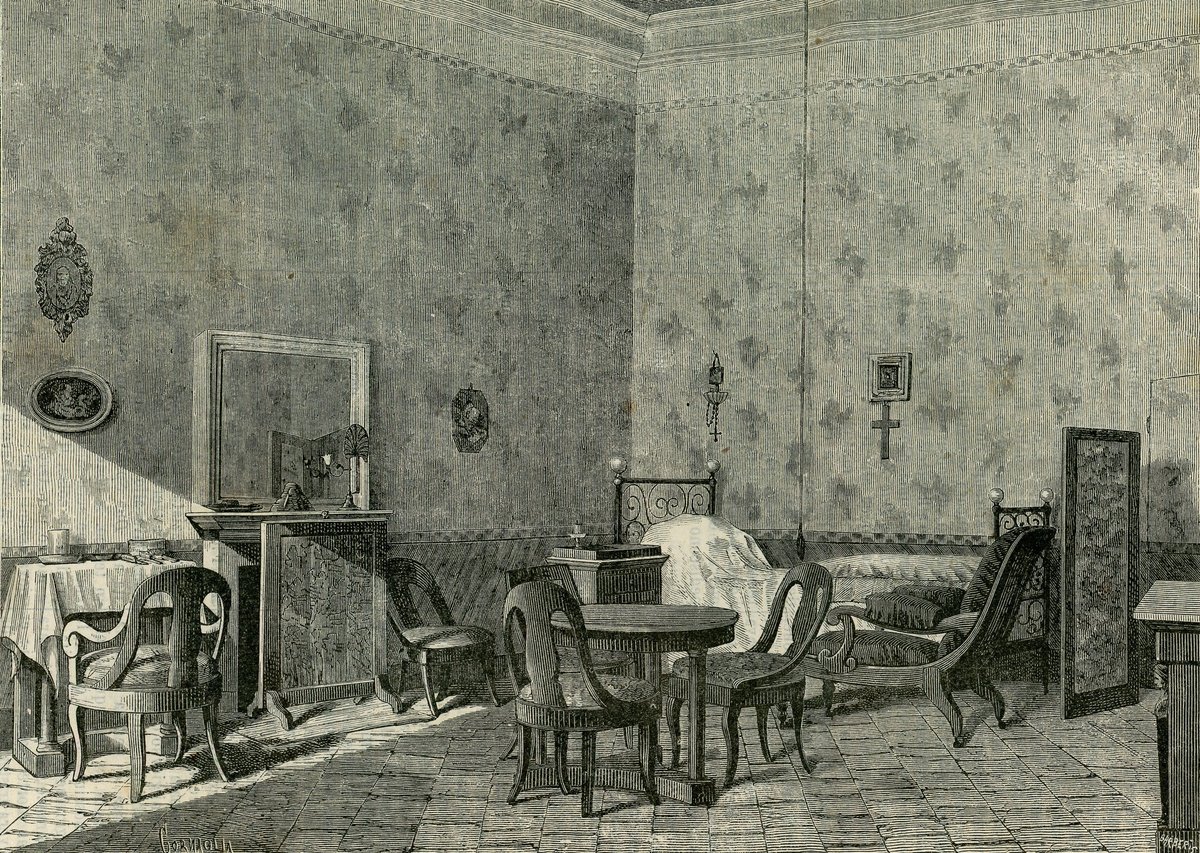
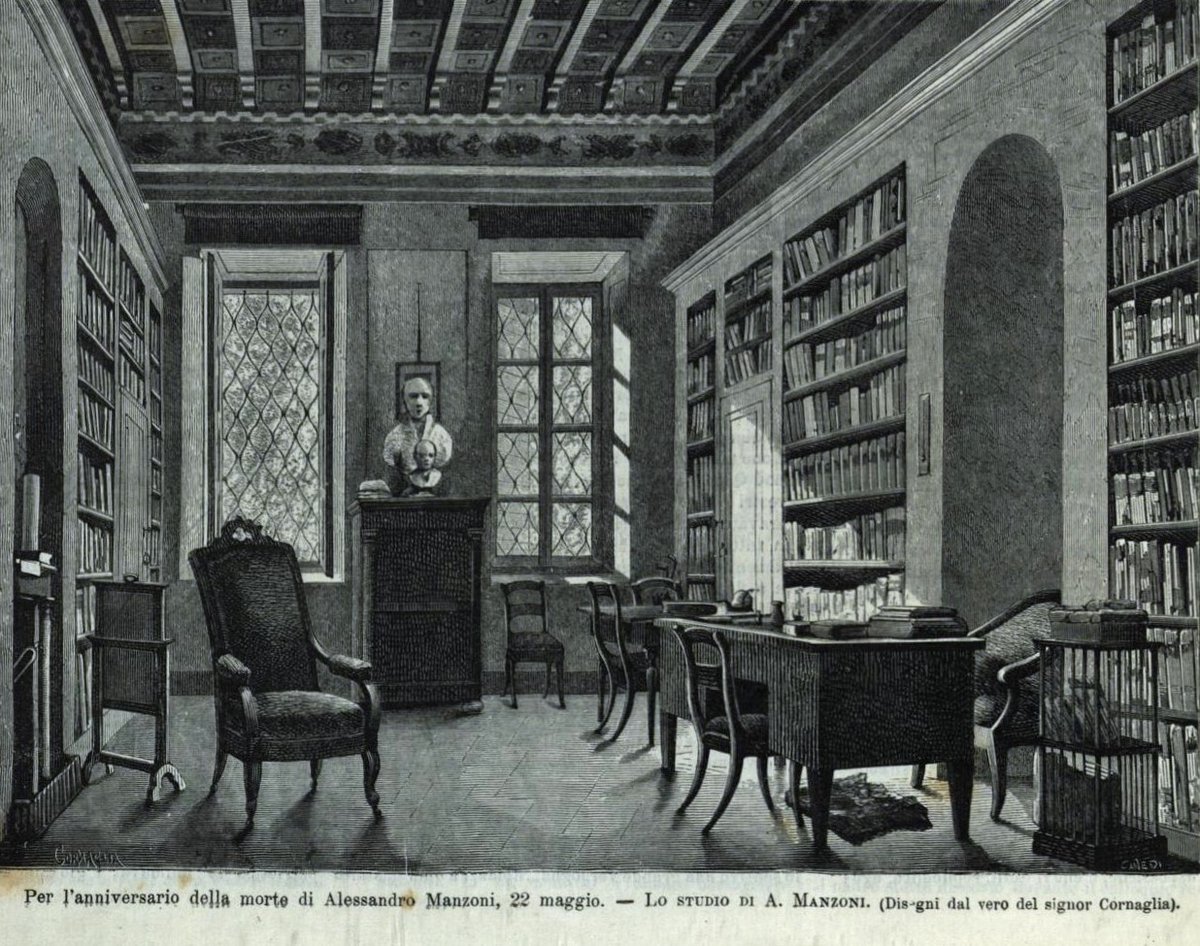
- Manzoni’s Study and Bedroom Preserved with original furnishings, offering insight into his creative process (Travel Buddies).
- The Milanese Salon Recreates the atmosphere of the literary salons Manzoni frequented.
- The Promessi Sposi Room Dedicated to his seminal novel, featuring rare editions and multimedia presentations.
- Temporary Exhibitions Rotating displays, such as those focusing on women in Manzoni’s life or design events (Fuorisalone).
The museum also regularly hosts lectures, concerts, and other cultural events, especially during citywide celebrations like Milan Design Week (Eventi a Milano).
Nearby Attractions & Suggested Itineraries
Casa Manzoni’s central location makes it an ideal starting point for exploring Milan’s historic core:
- Teatro alla Scala World-famous opera house and museum
- Duomo di Milano Iconic Gothic cathedral with rooftop access
- Galleria Vittorio Emanuele II Historic shopping arcade
- Pinacoteca di Brera Premier art gallery featuring Italian Renaissance masterpieces (Milantips)
Suggested Itinerary:
- Morning: Casa Manzoni visit
- Late Morning: Teatro alla Scala
- Lunch: Brera district
- Afternoon: Duomo or Pinacoteca di Brera
FAQ
Q: What are Casa Manzoni’s opening hours?
A: Tuesday to Friday, 10:00–18:00; Saturday, 14:00–18:00; closed Sunday and Monday. Last entry at 17:00.
Q: How much are tickets and where can I buy them?
A: Standard tickets €8–€10. Purchase on-site, via phone, email, or Ticketone.
Q: Is Casa Manzoni wheelchair accessible?
A: The museum is partially accessible; contact for details.
Q: Are guided tours available in English?
A: Yes, with advance request.
Q: Can I take photos inside?
A: Non-flash photography is allowed.
Summary & Recommendations
Casa Manzoni is an indispensable destination for those seeking to understand Milan’s literary and cultural heritage. Its authentic interiors, thoughtfully curated exhibits, and central location make it accessible and engaging, whether you are a scholar, literature lover, or first-time visitor. To maximize your experience, check for special exhibitions, book tours in advance, and consider combining your visit with Milan’s other major cultural landmarks.
Stay updated via the official Casa del Manzoni site, use digital resources like the Audiala app for self-guided tours, and respect the historic setting during your visit.