Historical Evolution of Assiano
Early Origins and Rural Heritage
Assiano’s roots extend back to the Middle Ages, likely stemming from the Latin term “Assianum,” denoting a Roman estate. Traditionally agrarian, the district was shaped by expansive fields, the Navigli irrigation canals, and cascine that underscore the region’s agricultural legacy (milanoexplorer.com).
Integration into Greater Milan
In the 19th and 20th centuries, as Milan industrialized and expanded, Assiano was gradually incorporated into the metropolitan area. Unlike other districts, Assiano retained its rural landscape due to its relative isolation, allowing it to maintain green spaces and agricultural infrastructure (milanoexplorer.com).
Architectural and Historical Landmarks
Although Assiano lacks grand monuments, it is rich in vernacular architecture and historical features such as:
- Cascine Centuries-old farmhouses, many converted into community hubs or agritourism centers.
- Irrigation Canals Integral to Milan’s agricultural success, these canals remain a testament to Lombard ingenuity (voyagetips.com).
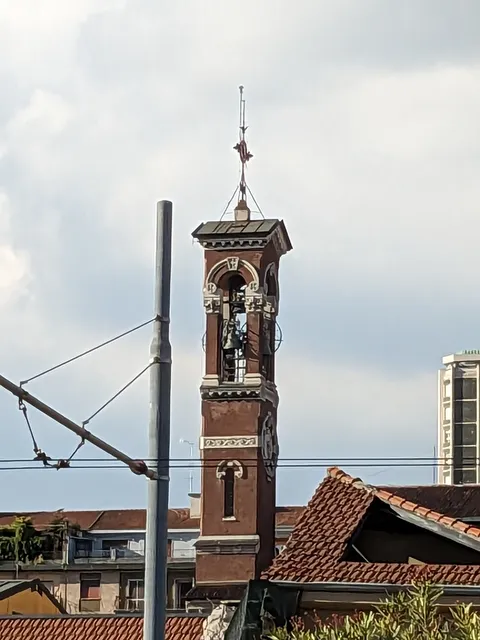
- Local Churches Modest yet historically significant parish churches with simple architecture and local artworks.
Cultural Significance and Community Identity
Preservation of Rural Traditions
Assiano is a stronghold for Milan’s rural heritage, celebrating Lombard customs through festivals, harvest events, and religious ceremonies, fostering a vibrant community spirit (milanoexplorer.com).
Connection to Milan’s Broader History
Historically, Assiano and similar districts supported Milan’s growth by providing agricultural resources and labor, emphasizing the city’s reliance on its rural surroundings (overyourplace.com).
Contemporary Relevance
Today, Assiano is a green refuge within Milan, promoting sustainable development, urban gardening, and eco-tourism. The district’s natural beauty attracts visitors seeking respite from the urban environment (milanoexplorer.com).
Practical Visitor Information
Access and Transportation
Reachable by Milan’s public transport (bus and nearby metro stations Bisceglie M1, San Siro Stadio M5), Assiano is about 30–45 minutes from the city center. Bike paths connect the district to surrounding areas, and parking is available near major cascine and park entrances (voyagetips.com).
Visiting Hours and Tickets
- Assiano’s open areas No set visiting hours or entrance fees.
- Cascine and Agriturismi Usually open 10:00 AM–7:00 PM; confirm directly with each site.
- Chiesa di San Giovanni Battista Open daily 9:00 AM–6:00 PM; free entry, donations welcome.
- Parco Agricolo Sud Milano Open dawn to dusk, year-round; free access.
- Some workshops or tours may require advance booking or a small fee (Milano Explorer).
Guided Tours and Special Events
Guided tours and seasonal festivals (harvest, religious processions, markets) provide immersive cultural experiences. Check local tourism websites or community boards for updated schedules and details.
Accessibility
While some park trails and public areas are wheelchair accessible, historic cascine and rural paths may have limited accessibility. Contact sites directly for specific information.
What to See and Do
- Explore Cascine and Countryside Walk or cycle scenic rural trails.
- Attend Local Festivals Experience Lombard cuisine and traditions.
- Relax in Green Spaces Enjoy birdwatching and tranquil picnic spots.
Cultural Etiquette and Tips
- Respect private property and local customs.
- Dress modestly when visiting churches or religious events.
- Purchase local produce to support community farmers.
Photographic Spots
Capture the rustic charm of cascine, waterways, and farmland, especially during early morning or sunset.
Integration with Milan’s Attractions
Assiano is an excellent starting point for trips to Milan’s main attractions:
- Duomo di Milano Open daily 9:00 AM–7:00 PM; rooftop access with ticket (Duomo Official Site).
- Santa Maria delle Grazie Home to "The Last Supper"; reservation required (cenacolovinciano.org, Vivaticket).
- Castello Sforzesco Museums open 9:00 AM–5:30 PM; closed Mondays.
- Navigli District, Parco Sempione, Brera Easily accessible and offer rich cultural experiences (timeout.com).
Frequently Asked Questions (FAQ)
Q: Are there entrance fees to visit Assiano?
A: Assiano’s open areas are free to access. Some cascine or tours may require a fee.
Q: When is the best time to visit?
A: Spring and autumn offer mild weather and vibrant festivals; weekdays are quieter.
Q: How do I get to Assiano from central Milan?
A: Use Metro (Bisceglie M1, San Siro Stadio M5), local buses, or bike paths.
Q: Is Assiano suitable for families?
A: Yes, with open spaces, festivals, and family-friendly activities.
Q: Are guided tours available?
A: Yes, especially during festivals and at some agriturismi; check local listings.
Exploring Greater Milan and Lombardy: Day Trips
Assiano’s location and Milan’s transport network make it easy to visit:
- Lake Como 1 hour by train from Milano Centrale (In-Lombardia).
- Bergamo 50 minutes by train; explore historic Città Alta.
- Lakes Maggiore and Garda 1.5 hours by train to Stresa or Desenzano del Garda.
- Monza & Pavia 20–30 minutes by train; Royal Villa and Certosa di Pavia are highlights.
Seasonal Events and Festivals (July 2025)
- Milan Summer Sales (Saldi Estivi) Fashion sales start first Saturday in July (TravelDIR).
- Arianteo Open-Air Cinema, Concerts at San Siro, and Candlelight Concerts.
- Art Exhibitions At Castello Sforzesco and Triennale Design Museum.
Practical Visitor Information
- Transport "Io viaggio ovunque in Lombardia" pass for unlimited travel (In-Lombardia).
- Airports Linate (closest), Malpensa, and Bergamo, all with public transport links.
- Safety Secure valuables, especially in tourist areas; book tickets online to avoid queues.
- Language Basic Italian greetings enhance your experience.
Discover More
For personalized recommendations, real-time event alerts, and exclusive travel tips, download the Audiala app. Stay connected with Milan’s evolving cultural scene by following us on social media and exploring our in-depth guides on Milan’s historical sites and regional highlights.