
The History and Origins of Edinburgh’s Police Boxes
Police boxes were first introduced to the UK in the late 19th century, revolutionizing urban policing by providing officers and the public with direct communication to police headquarters (Forgotten Galicia). Edinburgh’s network of police boxes emerged in the early 20th century, with a major expansion in the 1930s under the guidance of City Architect Ebenezer James MacRae. His designs—distinct from the blue, domed London boxes—were crafted to harmonize with Edinburgh's neoclassical streetscapes, featuring rectangular forms, flat roofs, and classical detailing.
At their peak, over 80 police boxes dotted Edinburgh’s streets, serving as miniature police stations, communication hubs, and safe havens for both officers and citizens (Doors Open Days).
Architectural Features and Design Legacy
MacRae’s police boxes stand out for their robust, cast-iron construction and thoughtful architectural detailing. Key elements include:
- Rectangular shape with clean lines and flat roofs
- Classical features such as cornices and pilasters, echoing surrounding Georgian and Victorian architecture
- Practical interiors with a desk, stool, heater, and telephone
- External phones for public emergency use
These features not only fulfilled practical policing needs but also contributed to Edinburgh’s cohesive urban aesthetic (Stuff Edinburgh).
Policing Role and Urban Life
During their operational years, police boxes were vital to maintaining public safety. Officers used them to report incidents, shelter from harsh weather, and store equipment. For the public, the boxes offered a direct line to law enforcement and reassurance of police presence, especially in densely populated areas (Wee Walking Tours). The Drummond Street Police Box, strategically located near the University of Edinburgh and the Old Town, played a key role in policing the busy Southside and academic districts.
Visiting the Drummond Street Police Box
Location and Accessibility
Situated at the junction of Drummond Street and Pleasance, the police box is a short walk from major city landmarks such as the University of Edinburgh, the National Museum of Scotland, and the Royal Mile. The street is relatively level and has wide pavements, making it accessible for most visitors. Multiple Lothian Buses routes stop nearby, and Edinburgh Waverley Station is about a 10-minute walk away.
Visiting Hours and Entry
- Exterior viewing The police box is accessible year-round, 24 hours a day, as a public street feature. Daylight hours are best for appreciating the structure and its art.
- Interior access The interior is typically not open except during special events (e.g., Doors Open Days in September) or when used for pop-up exhibitions or businesses (Doors Open Days).
- Admission There is no entry fee to view the police box. If it operates as a business (such as a coffee kiosk), purchases are at your discretion.
Accessibility
The area around the police box is largely step-free and suitable for wheelchairs, though the interior itself is small and may not be fully accessible. Public transport and nearby taxi ranks offer further options for visitors with mobility needs.
Special Events and Tours
Guided walking tours often include the Drummond Street Police Box, providing historical context and anecdotes. During Doors Open Days and other cultural events, the box may host temporary exhibitions or be open for guided visits (Wee Walking Tours).
Cultural Significance and Modern Uses
Heritage and Community Identity
Police boxes like the one on Drummond Street are integral to Edinburgh’s urban heritage. They symbolize a period when police presence was localized and personal, fostering trust and safety in the community. Their classical design connects them to the broader architectural story of Edinburgh.
Adaptive Reuse and Contemporary Culture
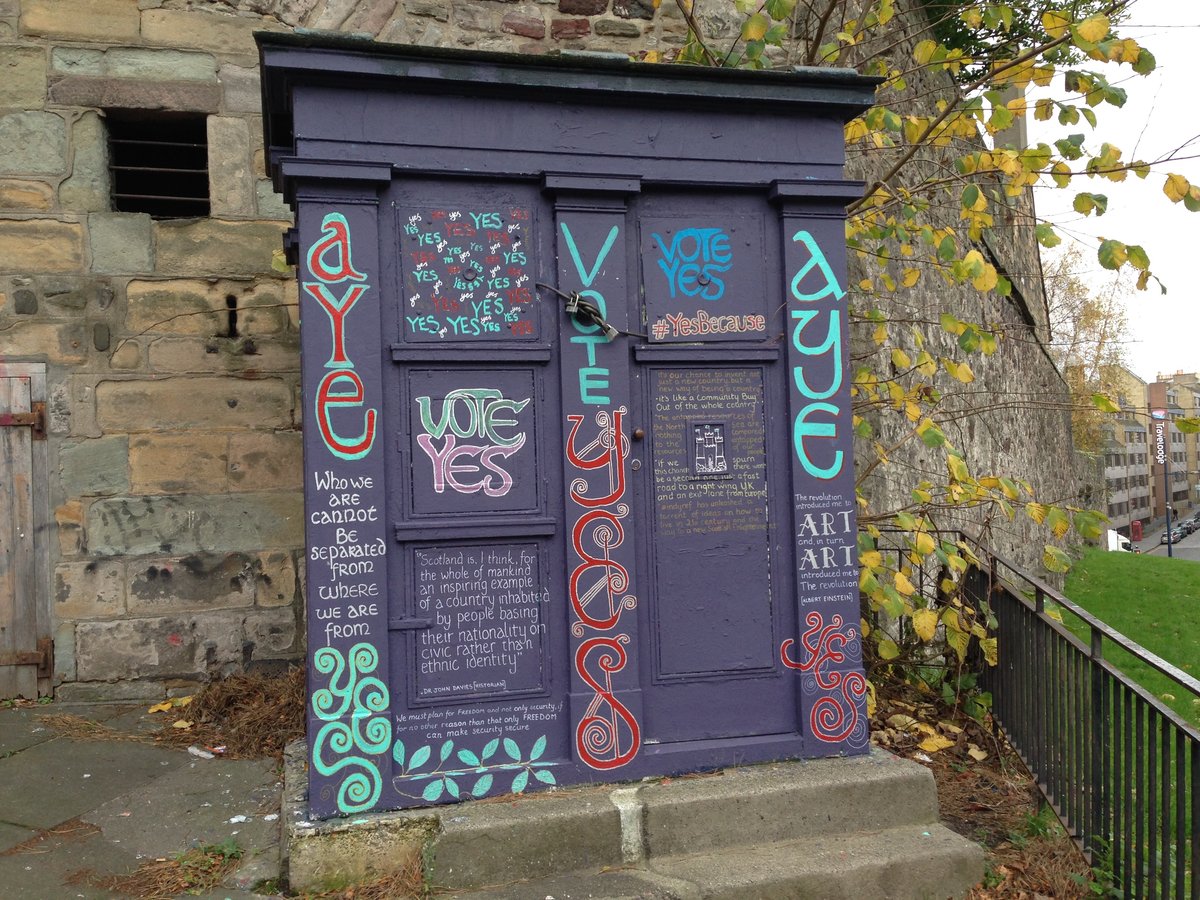
With technological advances, police boxes became obsolete by the late 20th century and were gradually decommissioned. Many found new life as coffee kiosks, art galleries, or community hubs. The Drummond Street Police Box is a prime example, frequently serving as a micro gallery for local street art and occasional entrepreneurial ventures (Urban Kultur Blog). This adaptive reuse highlights Edinburgh’s creative approach to heritage preservation and urban innovation.
Pop Culture Resonance
The British TV series Doctor Who, with its iconic TARDIS modeled after a police box, has further cemented these structures in the public imagination. Edinburgh’s boxes, though architecturally distinct, are often affectionately referred to as “Scottish TARDISes” and attract fans from around the world (Police Boxes).
Nearby Attractions and Travel Tips
Enhance your Edinburgh visit by exploring nearby sites within walking distance of the Drummond Street Police Box:
- National Museum of Scotland Free entry; rich Scottish history and culture exhibits.
- University of Edinburgh Old College Noted for neoclassical architecture.
- Royal Mile Historic shops, cafes, and street performers.
- Arthur’s Seat For panoramic city views.
Travel Tips:
- Visit early or late in the day for optimal lighting and fewer crowds.
- Check for special events or pop-up art installations.
- Use local guides or interactive maps to discover other police boxes across the city (Leith Walk Police Box).
Responsible Tourism and Visitor Etiquette
- Treat the police box and its surroundings with respect. Do not climb, deface, or damage the structure.
- If the box is operating as a business, be courteous to staff and customers.
- Keep pavements clear and be mindful of traffic when taking photos.
- Support local enterprise by purchasing from box-based businesses or leaving positive feedback.
Frequently Asked Questions (FAQ)
Q: Is there an admission fee or ticket required to visit the Drummond Street Police Box?
A: No, it is freely accessible at all times.
Q: When is the interior open to the public?
A: Only during special events or if in use as a business; check local signage or event listings.
Q: Are guided tours available?
A: Yes, several walking tours include the police box; check with tour providers for schedules.
Q: Is the police box wheelchair accessible?
A: The area is accessible, but the interior may not be due to its compact historic design.
Q: What is the best time to visit?
A: Daytime, especially in early summer or during festival seasons for added vibrancy.