
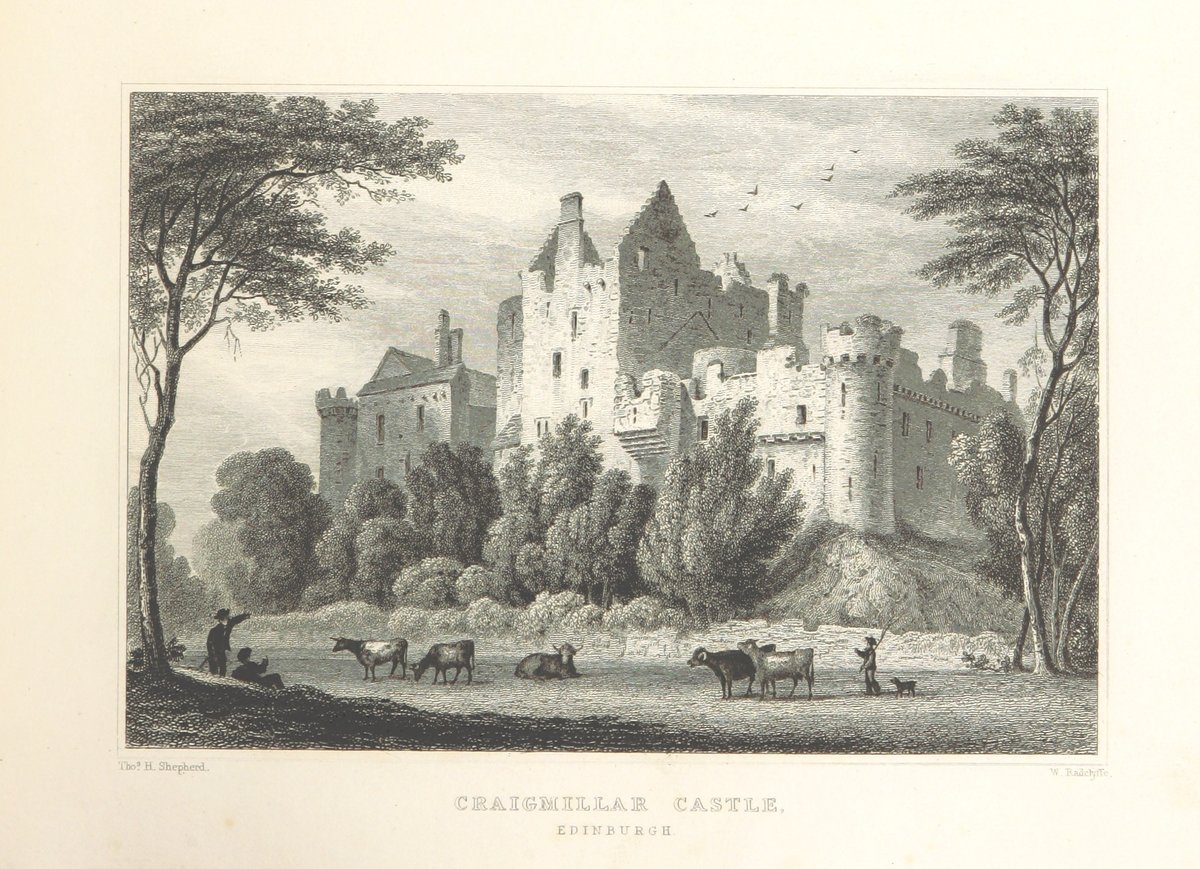
Discover the Rich History and Visitor Information of Craigmillar Castle in Edinburgh
Early Beginnings and Construction
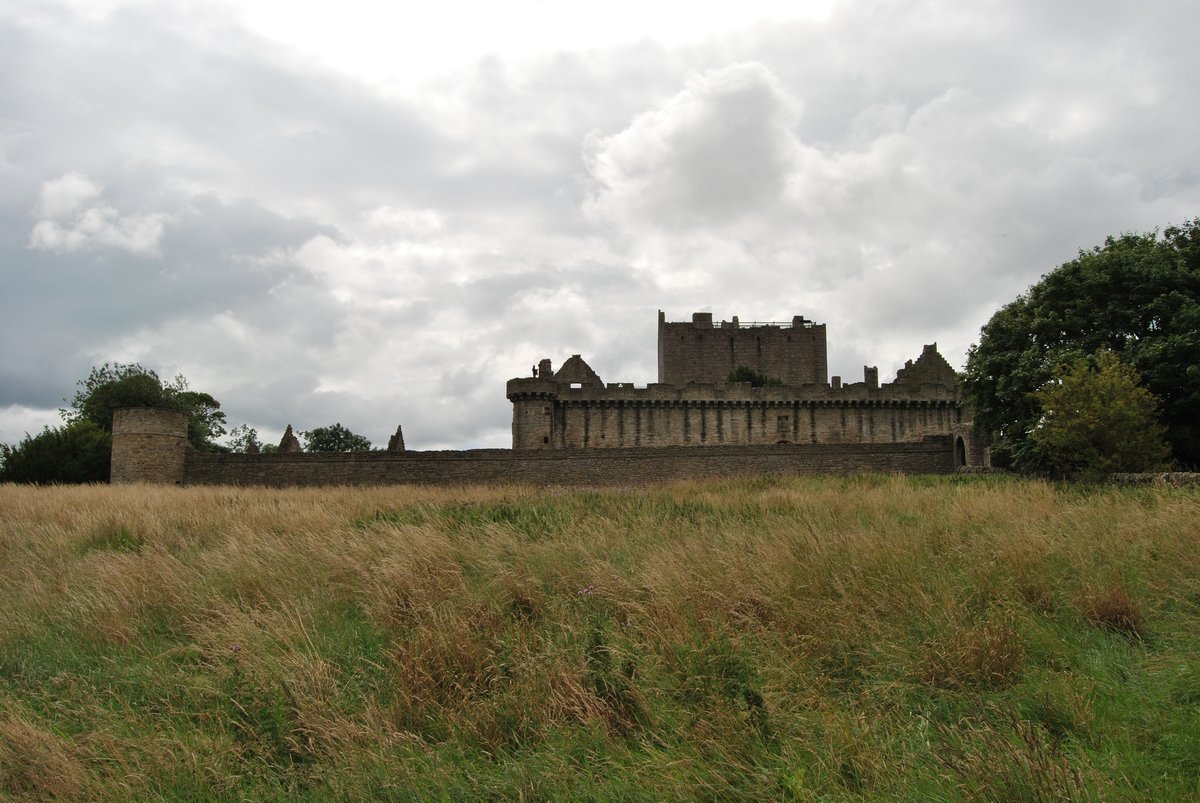
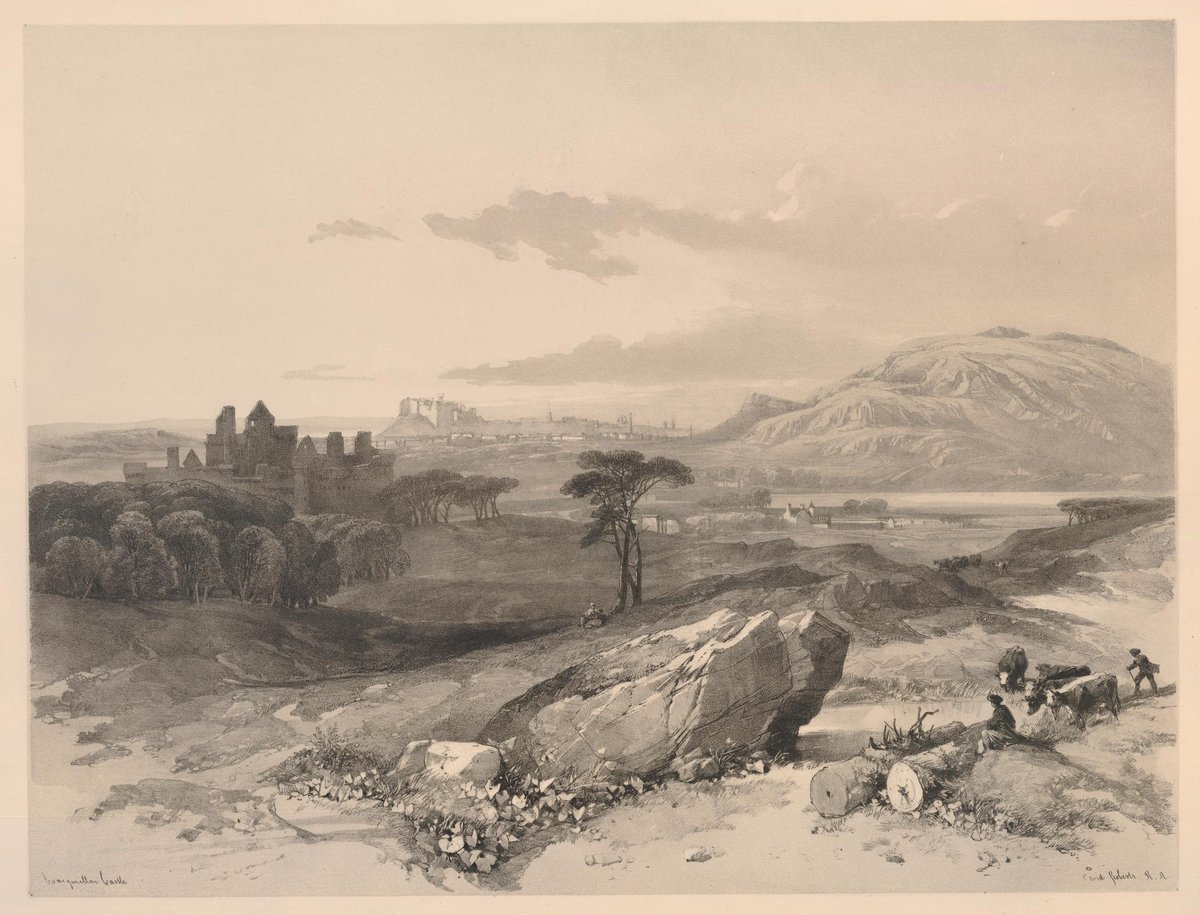
Craigmillar Castle, located just three miles southeast of Edinburgh's city center, is one of Scotland's most well-preserved medieval castles. The origins of Craigmillar Castle date back to the late 14th century when Sir Simon Preston, a prominent figure in Edinburgh, began its construction. The initial structure was a simple tower house, a common form of fortified residence during that period. This tower house forms the core of the castle that visitors see today (Historic Environment Scotland).
Expansion and Enhancements
Over the centuries, Craigmillar Castle underwent significant expansions and enhancements. In the 15th century, the Preston family added a curtain wall, which enclosed the tower house and created a courtyard. This addition provided extra defense and living space. The curtain wall included various defensive features such as arrow slits and battlements, which were typical of the period's military architecture (Undiscovered Scotland).
In the 16th century, further modifications were made to the castle. The Prestons added a range of buildings within the courtyard, including a new hall and additional living quarters. These enhancements reflected the changing needs and tastes of the time, as the castle transitioned from a purely defensive structure to a more comfortable residence.
Royal Connections
Craigmillar Castle is perhaps best known for its association with Mary, Queen of Scots. In 1566, Mary sought refuge at Craigmillar following the murder of her secretary, David Rizzio, and the subsequent turmoil in her reign. It was during her stay at Craigmillar that the infamous "Craigmillar Bond" was allegedly discussed. This was a plot by several Scottish nobles to murder Mary's estranged husband, Lord Darnley. Although there is no concrete evidence that Mary was directly involved in the plot, the castle's connection to these events adds a layer of intrigue to its history (National Trust for Scotland).
Decline and Preservation
The castle remained in the Preston family until the early 17th century when it was sold to Sir John Gilmour, a prominent lawyer and politician. Under Gilmour's ownership, the castle continued to be used as a residence, but by the late 17th century, it began to fall into disrepair. The Gilmour family eventually abandoned Craigmillar Castle, and it was left to the elements.
In the 19th century, efforts were made to preserve the castle. The ruins were stabilized, and some restoration work was carried out to prevent further decay. In 1946, Craigmillar Castle was placed under the care of the state, and it is now managed by Historic Environment Scotland. Today, the castle is a popular tourist attraction, offering visitors a glimpse into Scotland's medieval past (Historic Environment Scotland).
Architectural Features
Craigmillar Castle is renowned for its well-preserved architectural features. The central tower house, with its thick stone walls and narrow windows, is a classic example of medieval Scottish architecture. The curtain wall, with its defensive features, provides insight into the military strategies of the time. Within the courtyard, visitors can explore the remains of the great hall, kitchens, and other domestic buildings, which offer a glimpse into the daily life of the castle's inhabitants.
One of the most striking features of Craigmillar Castle is the "Queen Mary's Room," where Mary, Queen of Scots, is believed to have stayed during her visits. This room, located in the tower house, is a focal point for many visitors and adds to the castle's historical allure (Undiscovered Scotland).
Visitor Information
-
Visiting Hours - Craigmillar Castle is open daily from 9:30 AM to 5:30 PM. Last entry is 30 minutes before closing time. It's recommended to check the official website for any changes in opening hours or special closures.
-
Tickets - Tickets can be purchased online or at the castle. Adult tickets are priced at £6.00, children (5-15 years) at £3.60, and concessions at £4.80. Family tickets are also available.
-
Accessibility - The castle grounds are partially accessible to visitors with mobility issues. Some areas, particularly the upper floors, may be challenging to access due to narrow staircases and uneven surfaces.
-
Facilities - A visitor center is located at the entrance, offering interpretive displays and historical information. Restrooms and a small café are also available on-site.
Travel Tips
-
Getting There - Craigmillar Castle is easily accessible by public transport from Edinburgh city center. Buses 2 and 14 run regularly to the area. Alternatively, visitors can take a taxi or drive, with parking available on-site.
-
Nearby Attractions - While visiting Craigmillar Castle, consider exploring other nearby historical sites such as Edinburgh Castle, Holyrood Palace, and Arthur's Seat. Each offers a unique glimpse into Scotland's rich history.
FAQ Section
Q: What are the visiting hours of Craigmillar Castle? A: Craigmillar Castle is open daily from 9:30 AM to 5:30 PM. Last entry is 30 minutes before closing time.
Q: How much are Craigmillar Castle tickets? A: Adult tickets are £6.00, children (5-15 years) are £3.60, and concessions are £4.80. Family tickets are also available.
Q: How do I get to Craigmillar Castle? A: The castle is accessible by public transport, with buses 2 and 14 providing regular service. Taxis and on-site parking are also available.
Discover More
Discover more about Scotland's fascinating history by visiting Craigmillar Castle. Plan your trip today and immerse yourself in the medieval charm of one of Edinburgh's most captivating historical sites. For more information on visiting hours and tickets, visit Historic Environment Scotland. Follow us on social media for updates and travel tips, and don't forget to check out our other articles on Edinburgh's historical landmarks.