Place
United Kingdom Updated Apr 2026
The cannon fires at 13:00 sharp and the report ricochets off tenement walls older than Machu Picchu, startling pigeons above Edinburgh, United Kingdom. In that instant you understand the city: half fortress, half stage-set, entirely alive. One minute you're walking on volcanic rock, the next you're drinking natural wine in a Georgian drawing-room turned bar.
 Photo: Clément Proust / Pexels
Built from cited sources · see the method · How we make our guides →
Edinburgh keeps two separate brains in one skull. The Old Town's wynds and 12-storey 16th-century tenements twist like a spine around the Royal Mile; the New Town's grid of symmetrical sandstone was laid out between 1767 and 1890 to prove the Enlightenment could out-dazzle medieval chaos. Stand on the North Bridge at dusk and you can watch both centuries breathe: sodium lamps flicker in closes where Burke and Hare once sold bodies while, 100 metres north, cocktail bars measure gin to the millilitre.
Come August the population doubles as performers colonise every cupboard: 3 548 shows in 317 venues last count. The rest of the year the festivals retreat but the wiring stays live – you still find cellists busking outside Deacon Brodie's pub, or a physicist explaining black holes over negronis in a New Town basement. Edinburgh doesn't perform for tourists; it performs for itself, and visitors simply get a ticket.
Not every monument, just the ones we'd walk you past ourselves.
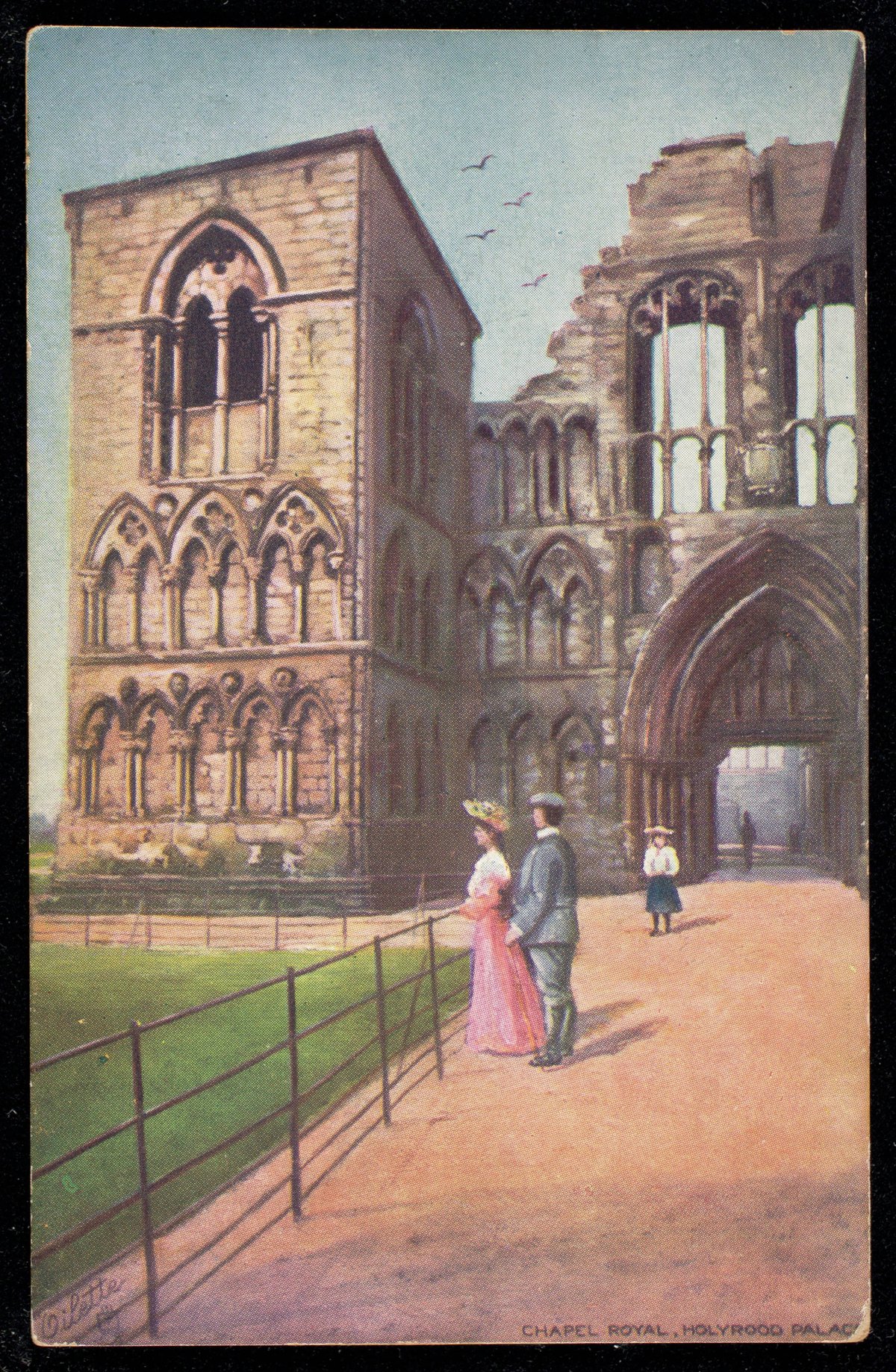
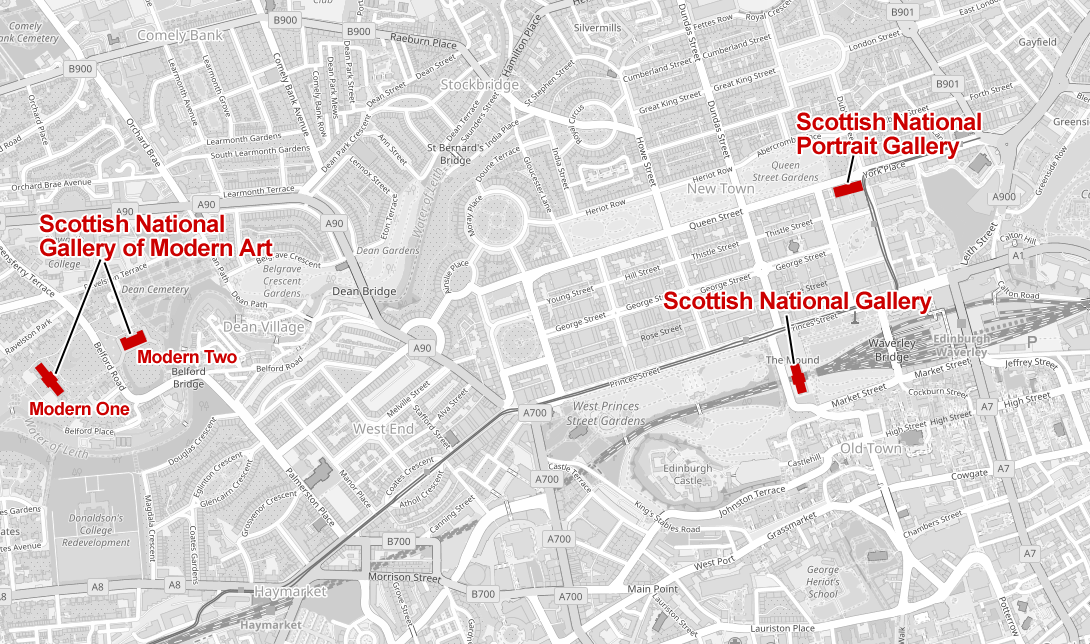
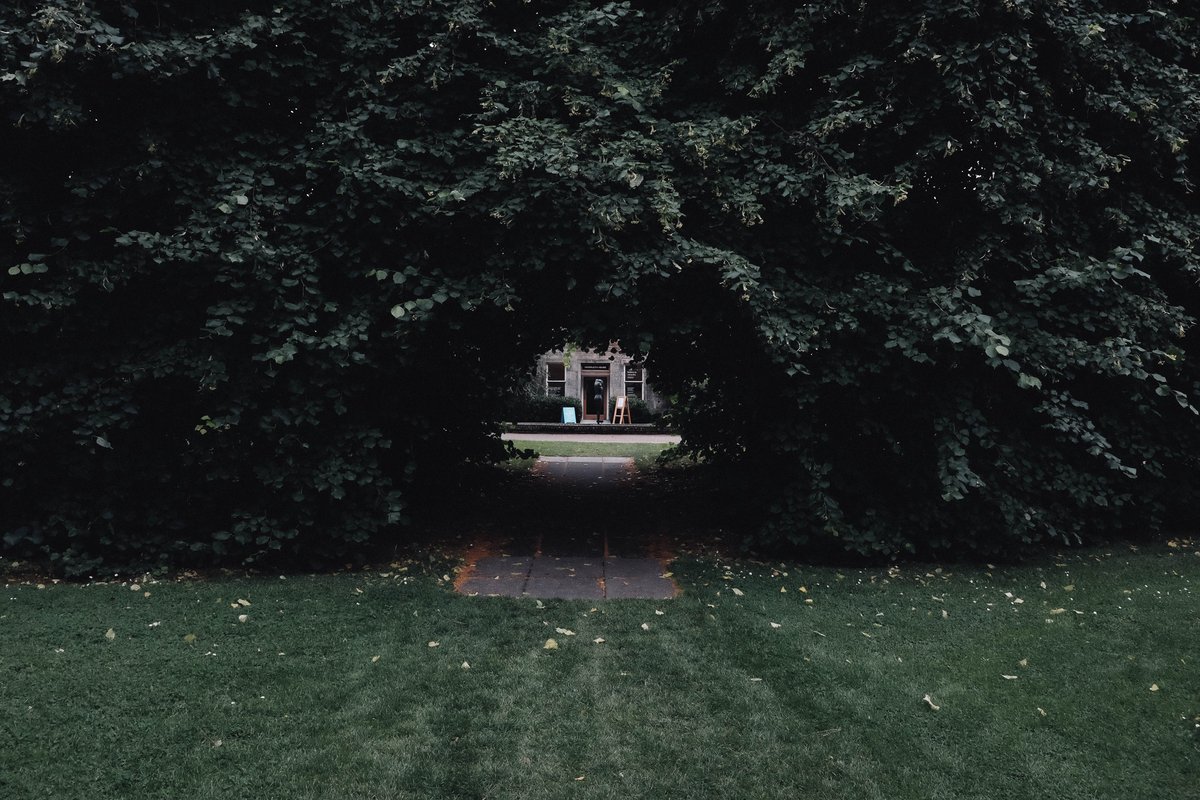
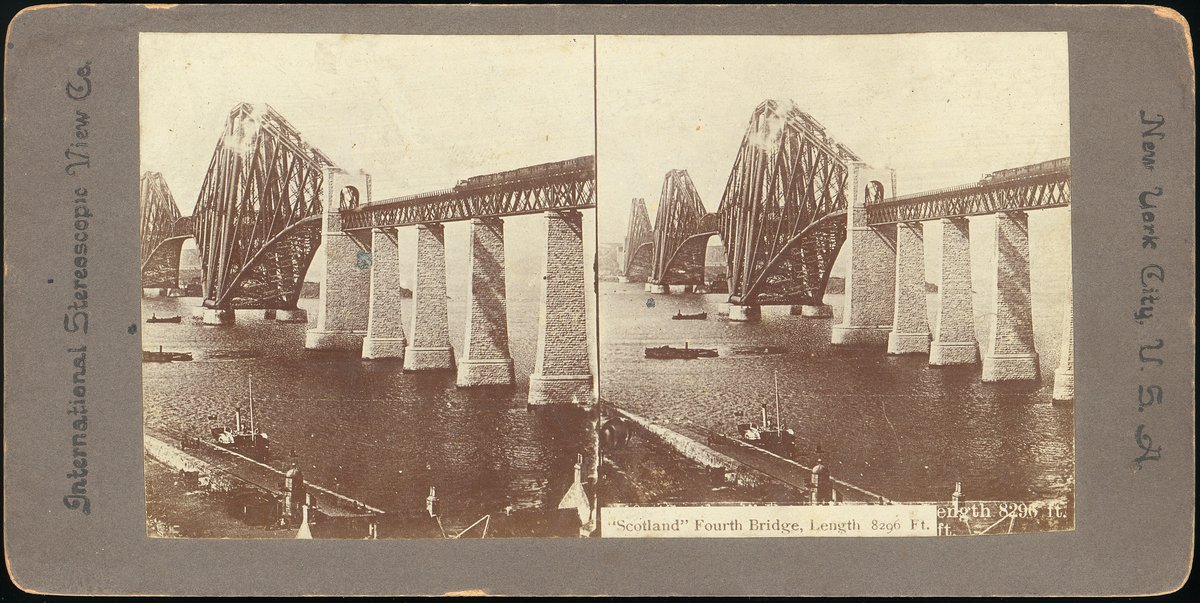
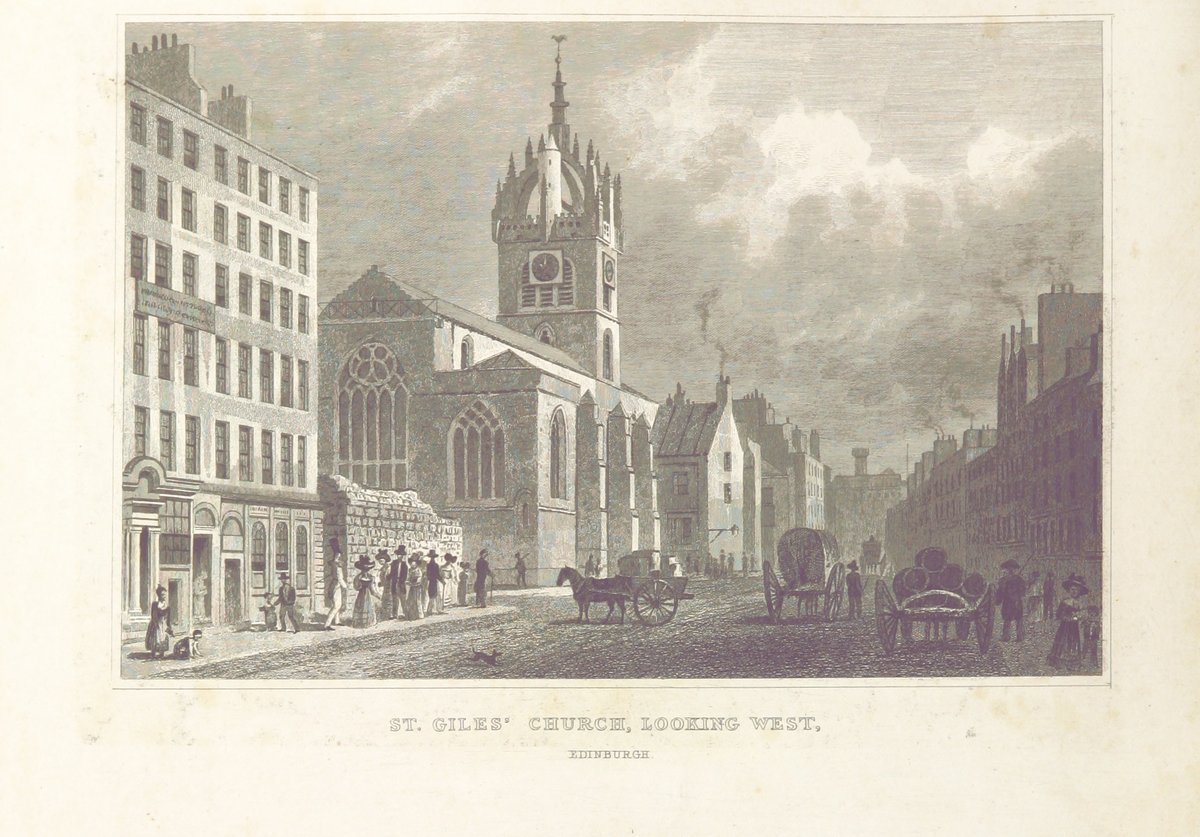
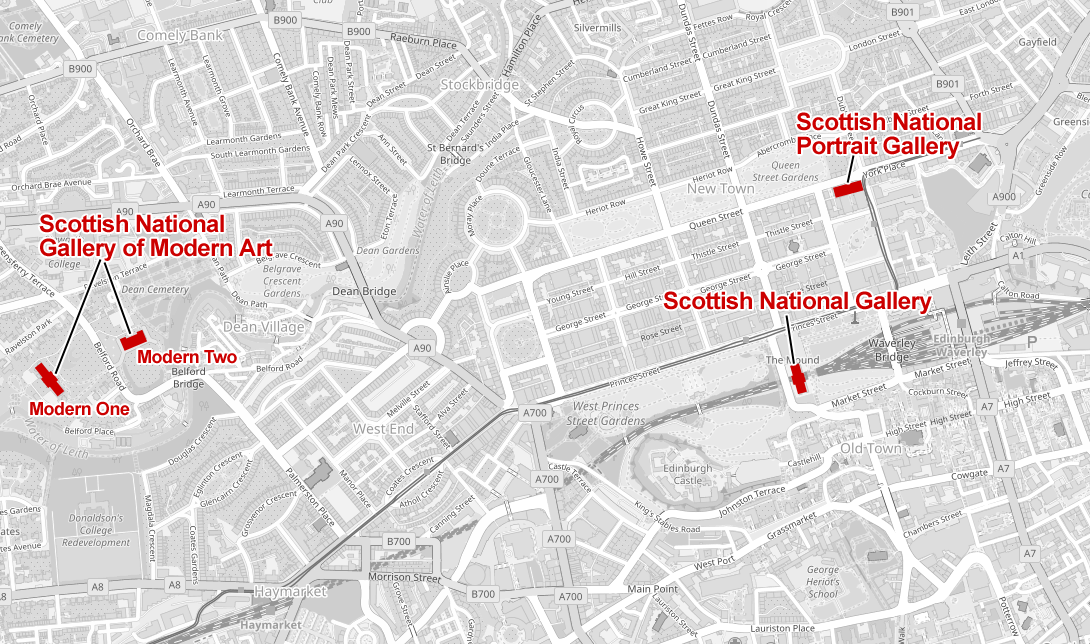
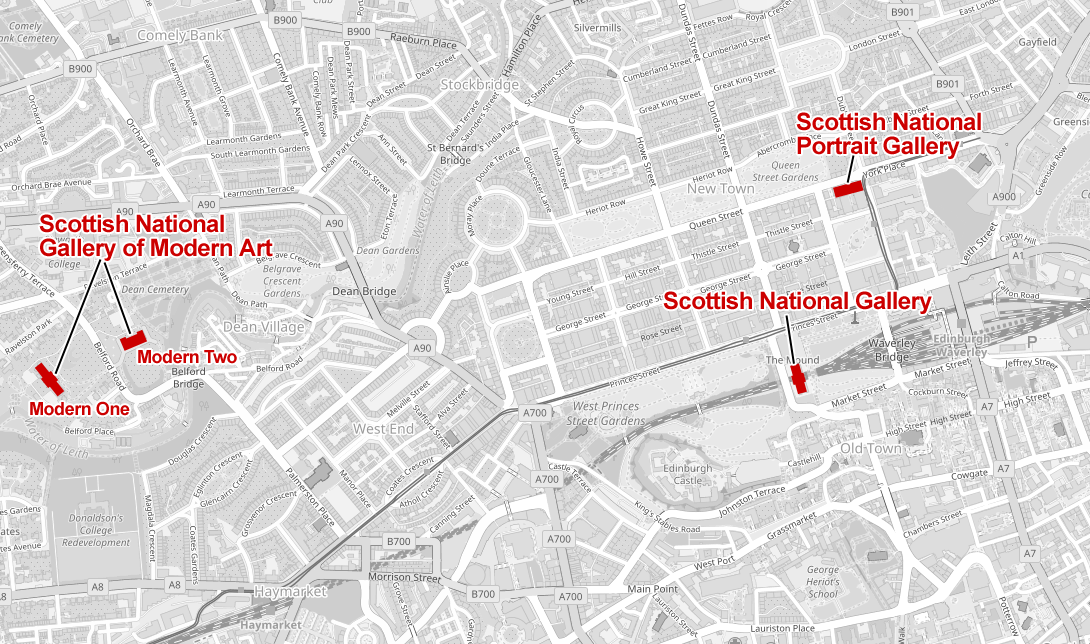
Where to wander, by quarter — each with its own rhythm.
Before you go
Curated from places in this city. Same price as official sites.


Prices shown are indicative — final pricing and availability are confirmed at checkout. Audiala may receive a commission from bookings made via these links.
From Iron-Age fort to festival city, built on lava and lawyers
Mesolithic hunters pitch skin tents beside the marshy Nor' Loch, flint-knapping on the basalt tail of a long-dead volcano. Charred hazelnut shells found under the Royal Mile are still oily to the touch.
A hoard of bronze swords is hurled into the loch—votive offering or defeat ritual? The blades are still sharp enough to slice parchment. Castle Rock is already a ritual site; the name Din Eidyn means 'fort of the slope'.
The Ninth Legion erects a timber fort at Cramond, importing oysters from Essex and wine from Rhodes. They last twenty years before the Antonine Wall pulls them north, leaving behind a sandstone altar to Mithras.
Angles under Oswald capture Din Eidyn after a nine-day siege. The Gododdin bards flee west; their elegy still calls Edinburgh 'the stronghold of flowing mead'. English replaces Brythonic overnight.
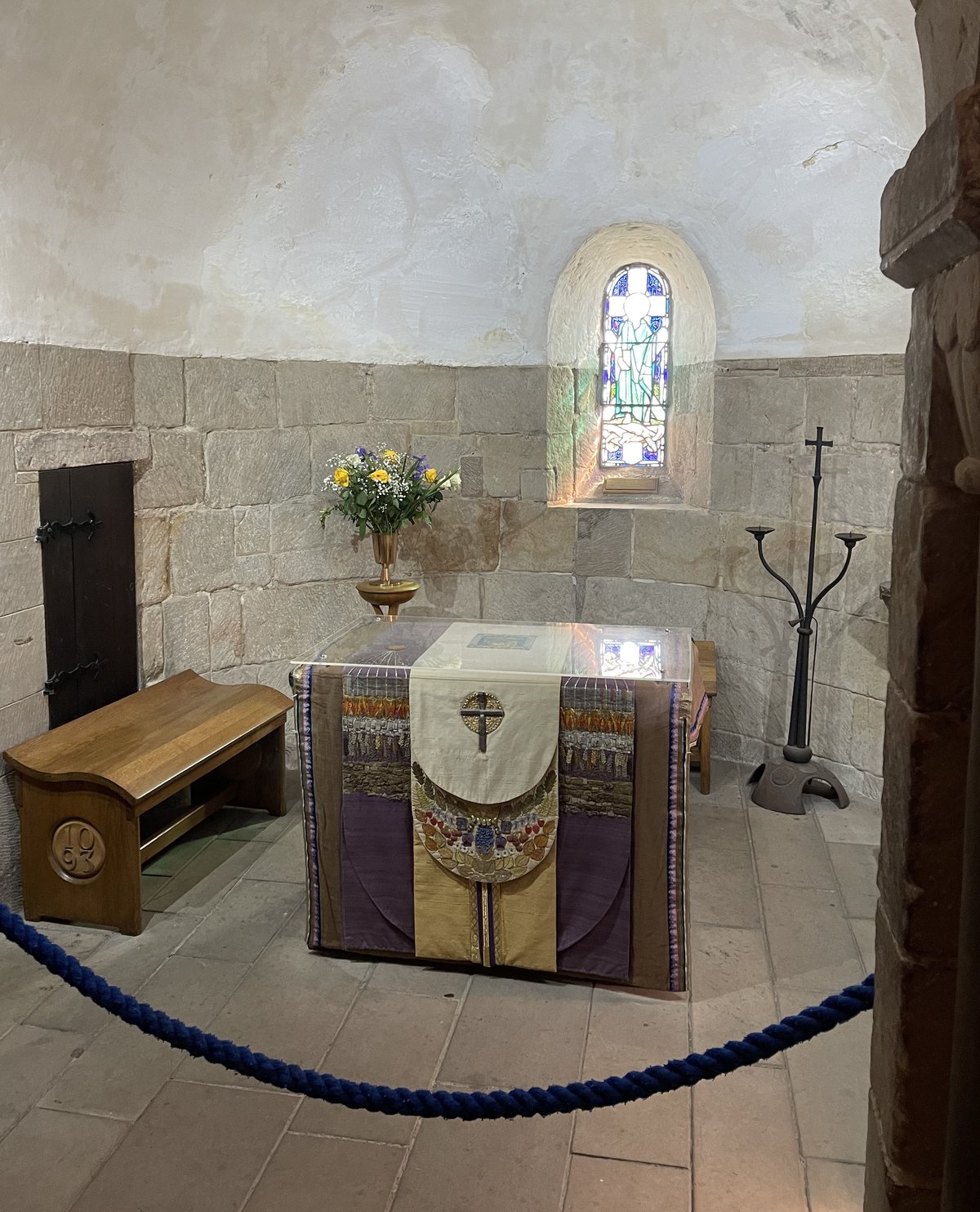
Malcolm Cannmore throws up a motte-and-bailey in pink sandstone. His queen, Margaret, sneaks through postern gates at dawn to feed the poor—an act that will earn her sainthood and a chapel perched on the highest crag.
The king creates a weekly market between castle and abbey; burgesses may levy tolls and brew ale. Wooden stalls line the ridge—what will become the Royal Mile. The first silver penny is minted bearing a ship, Edinburgh’s emblem.
The Hammer of the Scots hauls siege engines up the volcanic tail. The garrison surrenders after three days; the Stone of Destiny is carted to Westminster. Edinburgh becomes an English shrieval town for eighteen bitter years.
Thirty Scots scale the north cliff on rope ladders, blacken their faces with soot, and slaughter the night watch. The castle falls at dawn; Robert the Bruce orders the walls slighted so England can’t hold it again.
Edward III’s army torches every wooden building from the Castle to the Netherbow. Survivors shelter in the abbey crypt; smoke stains still darken St Giles’ pillars. Rebuilding begins in stone—Edinburgh learns to build tall instead of wide.
A bull from Pope Nicholas V establishes Scotland’s first university in a former Augustinian priory. Lectures are in Latin, beer is watered, and curfew rings at nine. Medicine and law draw 800 students within a decade.
The royal wedding is held in Holyrood’s great hall—14 courses, 300 barrels of ale, a choir from Paris. The union will, in time, unite the crowns of Scotland and England. Edinburgh celebrates for a week; the hangover lasts a century.
Born in Linlithgow but crowned here at nine months old, Mary spends her childhood in the castle’s royal apartments. Edinburgh will witness her marriages, murders, and abdication—every cobble feels her footprints.
The friar denounces idolatry from a wooden barrel outside St Giles; the congregation smashes altars and paints over saints. Holyrood Abbey’s gold reliquary is melted into coins. Edinburgh becomes Calvinist in a single Tuesday.
Marian supporters hole up in the fortress; Regent Morton’s guns bombard them from the Grassmarket. Rats sell for sixpence, leather is boiled for soup. The final cannonball knocks the portcullis clean off its runners.
James VI rides down the Royal Mile behind a banner of red, white, and blue. The court packs tapestries, dogs, and 32 crates of whisky. Edinburgh loses its monarch but keeps its parliament—for now.
The last coronation on Scottish soil. Bishops wear lace, Presbyterians hiss. Edinburgh’s kirks refuse to ring bells; the king hears only the creak of carriage wheels heading south.
The Grassmarket becomes a mass grave; victims are rolled into pits lime-washed at dusk. Survivors nail rosemary to doors and burn peat to mask the stench. The Flodden Wall keeps the contagion—and the population—trapped inside.
Scottish MPs walk from the Parliament House to the Carrying Cross in silence. The treaty signs away independence for access to English trade. Edinburgh’s lawyers weep; its merchants toast the future with smuggled claret.
Born in Kirkcaldy but educated at Glasgow, Smith haunts Edinburgh’s coffeehouses debating Hume. Here he finishes The Wealth of Nations in a Panmure Close garret, candle wax dripping on the manuscript.
James Craig wins the competition to design a grid of symmetrical streets on drained Nor’ Loch. Princes Street is 100 feet wide—unheard of. Georgian ashlar sparkles in rain, a deliberate snub to the soot-blackened Old Town.
Born in a third-floor flat in College Wynd. The lame boy listens to border ballads from his nurse; he will turn those tales into Waverley and make Edinburgh the Athens of the North.
The portly king parades Holyrood in bright pink tartan, orchestrated by Scott. Edinburgh goes tartan-mad; clan patterns are invented overnight. The city re-brands itself as romantic Highlands in stone.
Engineers flatten the Loch ravine and drive 600 piles through peat. The roof spans 91 m—wider than the Parthenon. Edinburgh’s smell shifts from coal smoke to steam and iron.
53 000 tonnes of Siemens steel arc over the water like a giant meccano set. Eight men die building it; the city holds its breath as the final rivet is driven. Edinburgh is now 45 minutes from Dundee.
A lone airship drifts in from the North Sea, loosing a 25 kg bomb that gouges a 3-metre crater on Albert Road. Windows rattle three miles away. Edinburgh tastes twentieth-century warfare.
Eight theatre troupes turn up uninvited to the new Edinburgh International Festival. They perform in pubs and church halls; ticket prices start at one shilling. The Fringe now sells more tickets than the Olympics.
Enric Miralles’ concrete-and-oak debating chamber opens, 307 years after the Union. MSP sit beneath a roof shaped like an upturned boat. The city regains a voice it last heard in 1707.
Novelist & Poet · 1771–1832
Born in Edinburgh
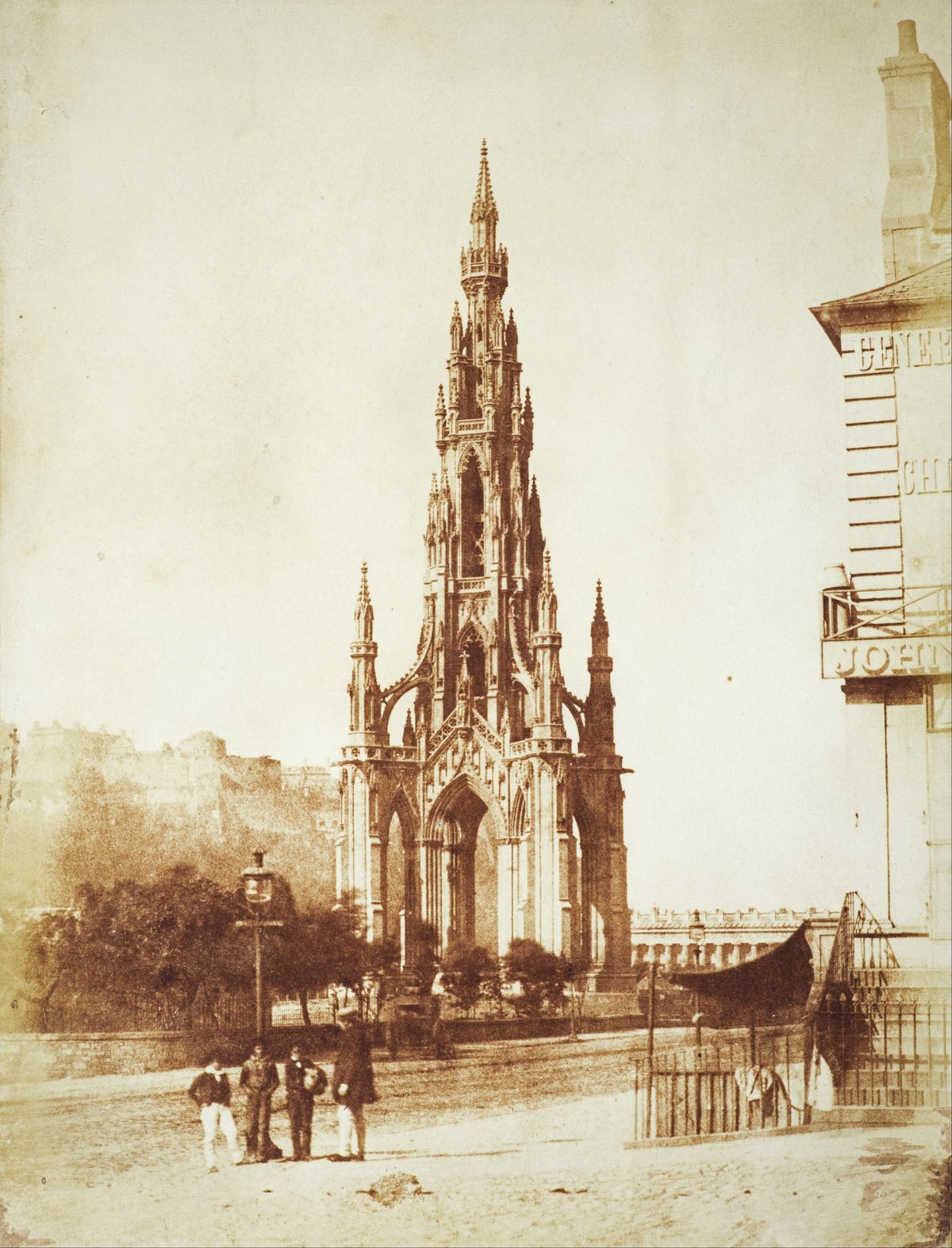
He mined the city’s wynds for Waverley’s plots and bankrupted himself building the Gothic rocket of the Scott Monument. Today he’d recognise the silhouette—still crowned by his own memorial spike.
Author · 1850–1894
Raised at 17 Heriot Row
The New Town’s orderly façades fed his split obsessions—Jekyll walks the same straight streets where Hyde lurked in closes. He’d smirk at the plaque outside, knowing tourists still search for the door that divides a man.
Monarch · 1542–1587
Lived at Holyrood Palace
She watched Italian courtiers stab her secretary 56 times in the outer chamber; bloodstains are gone but the floorboard gap remains. Today the palace hosts garden parties—she might approve the whisky, not the union jack bunting.
Inventor · 1847–1922
Born at 16 South Charlotte Street
First words spoken by telephone were a plea to leave the lab—Edinburgh taught him to shout across tenement stairs. He’d laugh at airport passengers yelling ‘I just landed’ on free Wi-Fi.
Economist · 1723–1790
Key figure of Edinburgh Enlightenment
He walked the Royal Mile debating tariffs over ale; the invisible hand he imagined now swipes contactless on the same cobbles. A bronze statue outside St Giles keeps watch on souvenir shops selling his face on tea towels.
Actor · 1930–2020
Born in Fountainbridge
Delivered milk here before Bond ever ordered a martini; locals still claim the bar he drank in smells of hops and audacity. He’d nod at the film crews that now block his old milk round.
Where locals actually book dinner — not the tourist menus.
Small things that change how the city treats you.
The city, as it actually looks.
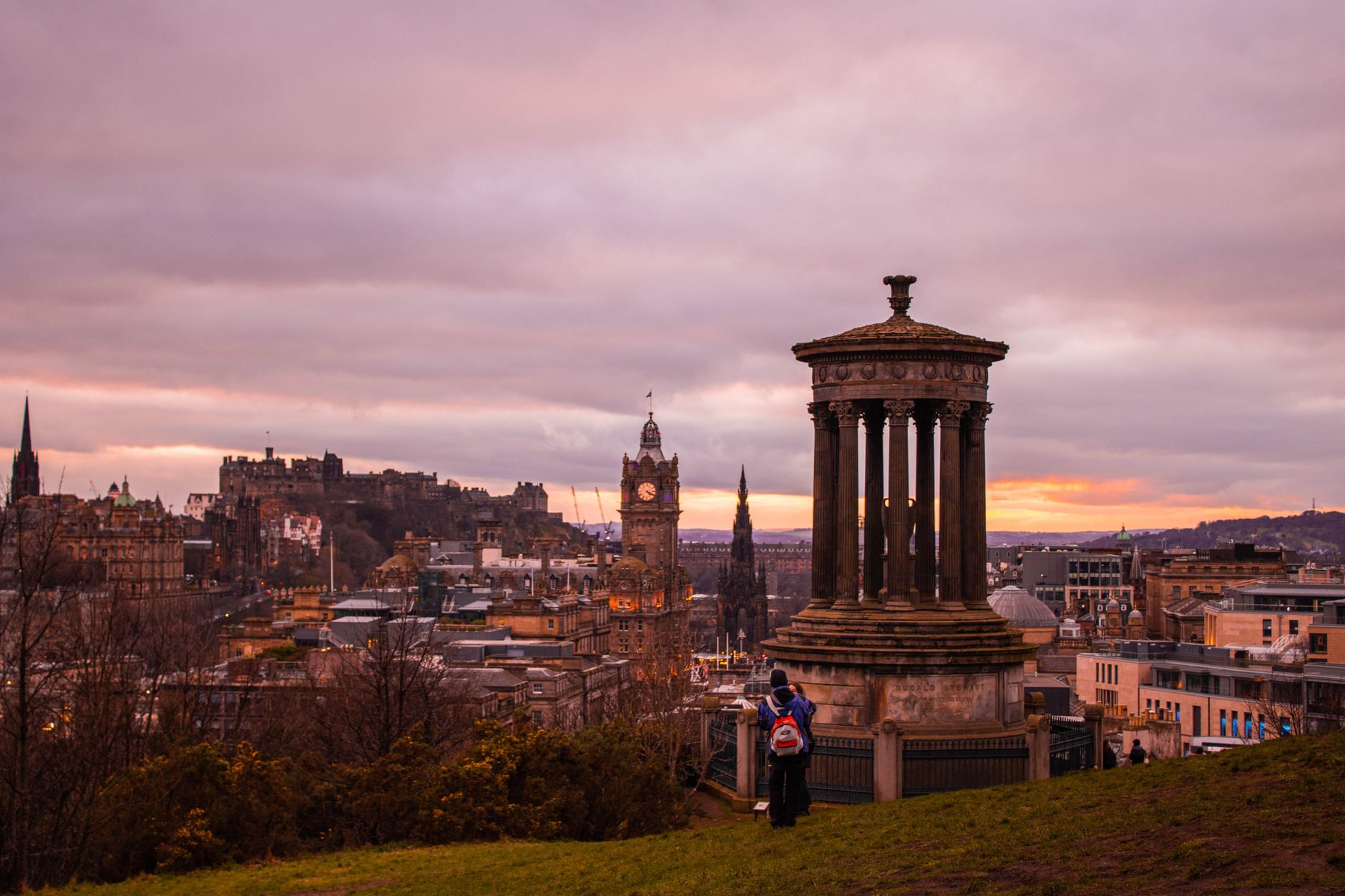

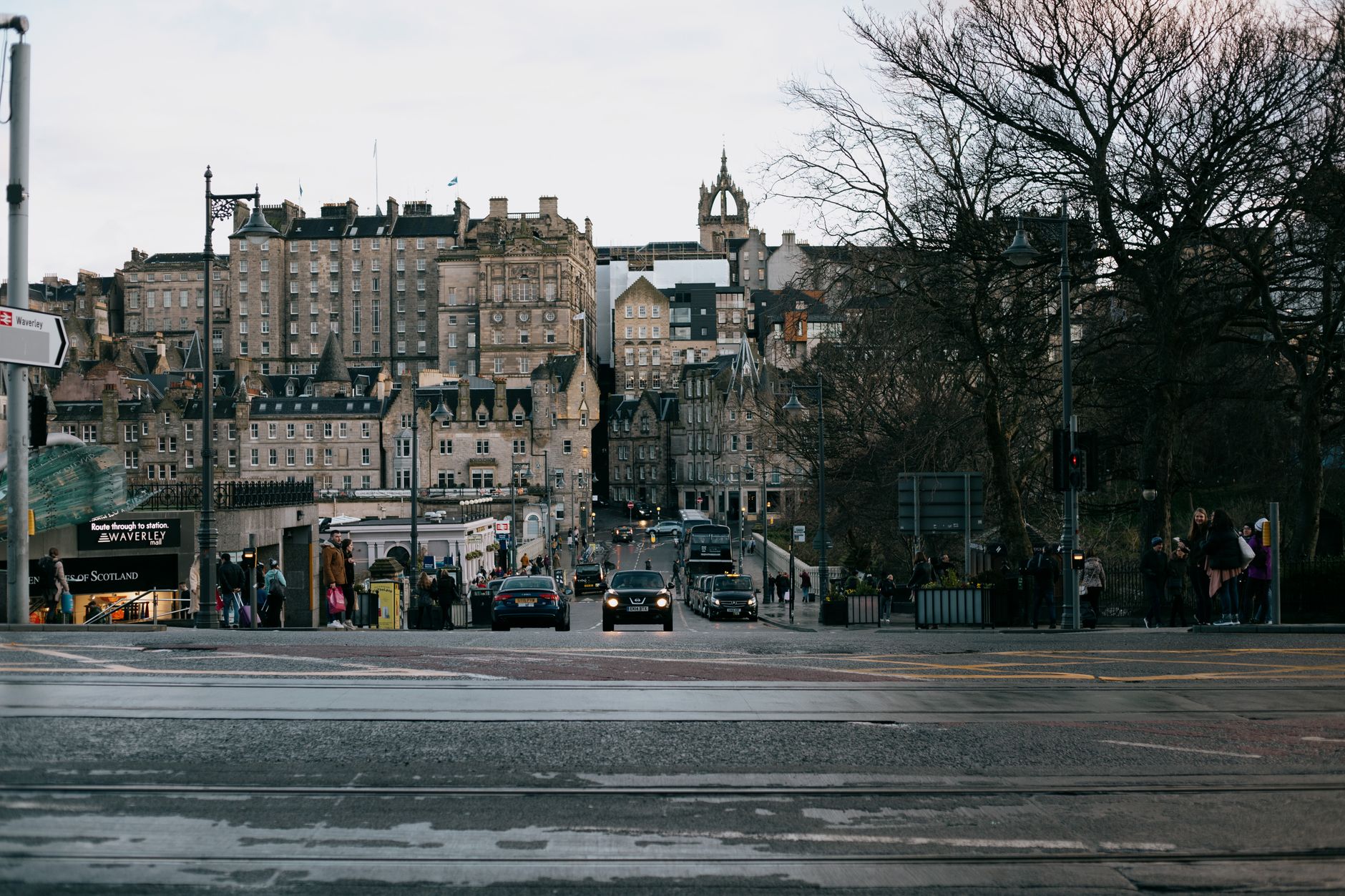


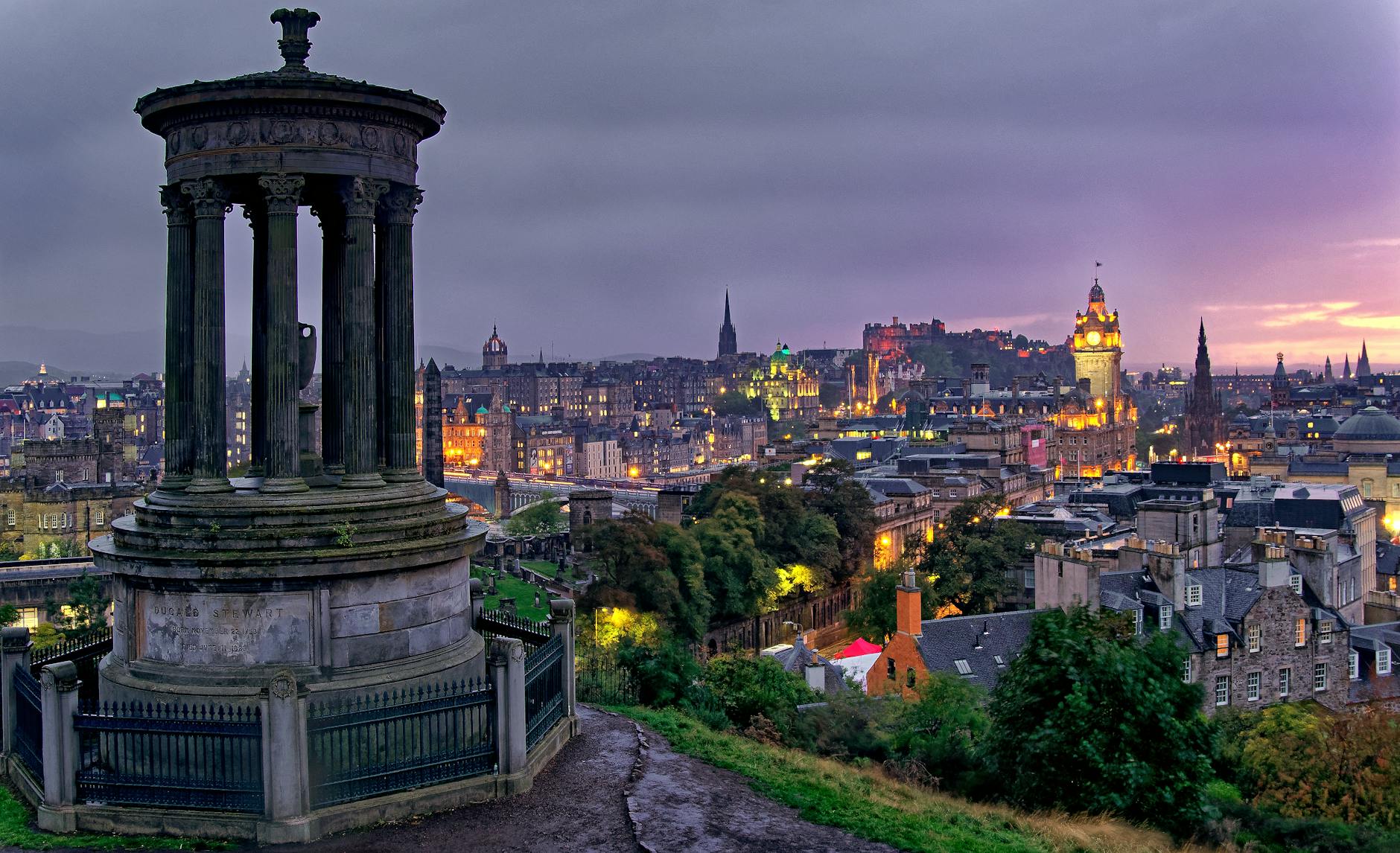
Yes—medieval skyscrapers shoulder Georgian crescents, a castle on a plug of extinct volcano, and the planet’s biggest arts party every August. You can walk it all in boots, not tour buses.
Three full days cover castle, Royal Mile, National Museum, Arthur’s Seat, plus one New Town gallery crawl. Add two more for day trips to Rosslyn Chapel or coastal North Berwick.
Airlink 100 bus runs 24/7 for £5.50 and reaches Waverley Bridge in 30 min. Tram costs £7 but includes the airport surcharge and feels roomier after a red-eye.
Yes—city centre stays busy until pubs close at 01:00. Stick to lit closes, ignore stag-do noise, and you’ll walk home without drama.
Skip late December–early January if you hate crowds; Hogmanay packs Princes Street and hotel prices triple. Same for August unless you’re coming for the festivals.
Yes—Scottish and English pounds circulate freely, but some English shops balk at Scottish notes on your return. Spend them before you leave or swap at a bank.
198 places to discover




Showing 1–48 of 198 places
Saved and recently read places — kept on this device only.
Photos may have been resized or cropped.