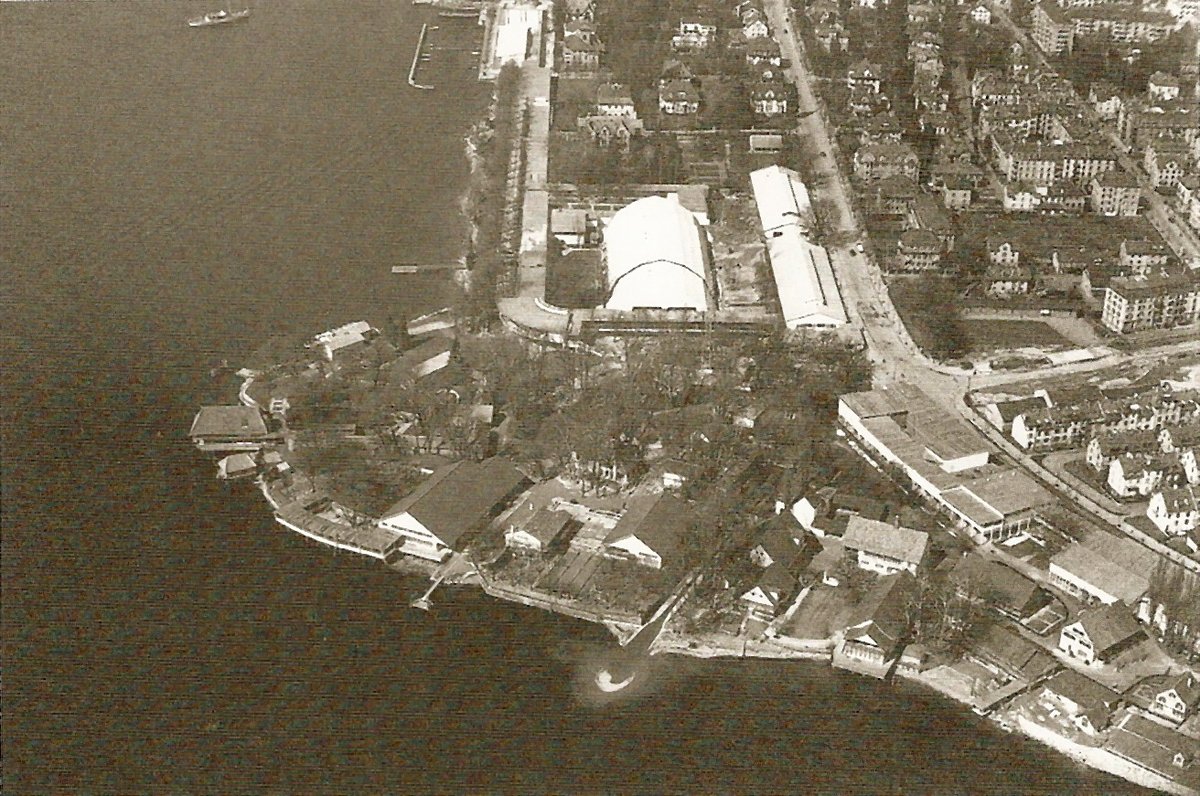
19th-Century Foundations
Established in 1884, Zürich Stadelhofen was strategically positioned near the University of Zürich and the historic core, serving as a gateway on the Zürich–Rapperswil line. The original station reflected late-classical architecture and featured modest infrastructure—a single track and a simple building (myswitzerland.com). The addition of the Hirschengraben and Zürichberg tunnels in later years greatly increased its importance, transforming it into a vital node for S-Bahn suburban traffic (swissrailwaystations.ch).
Calatrava’s Redesign & Innovation
By the late 20th century, increasing passenger volumes and urban growth necessitated a major overhaul. Santiago Calatrava’s redesign (1983–1990) addressed these challenges with a masterful blend of engineering and artistry (calatrava.com). His solution introduced a third track, multi-level circulation, and commercial spaces, all while integrating the station into the city’s urban fabric.
Key Architectural Features
- Cantilevered Concrete Canopy A sweeping, thin-shell concrete canopy floats above the tracks, providing shelter and a sense of motion (archeyes.com).
- Multi-Level Circulation Bridges, ramps, stairs, and underpasses create efficient passenger flows and minimize congestion.
- Urban Integration An elevated promenade parallels the tracks, offering seating and panoramic city views.
- Commercial Arcade Retail spaces beneath the platforms make the station a vibrant public space.
- Hydraulic Doors Ornate, hydraulically operated barriers secure entrances at night (myswitzerland.com).
The station’s design prioritizes natural light, accessibility, and seamless movement between city and transit, setting a new global standard for railway architecture (archeyes.com).
Visitor Information
Visiting Hours
- Station Access 24/7 for transit passengers.
- Shops & Commercial Arcade Generally open 6:00 AM – 10:00 PM.
Specific facility hours (e.g., SBB Travel Centre, luggage services) may differ; check the official SBB Stadelhofen page for up-to-date details.
Ticketing
- At the Station Purchase tickets at SBB counters or automated machines (multilingual).
- Online & App Use the SBB or ZVV mobile apps for advance bookings and real-time updates.
- Ticket Types Single-ride, day passes, multi-day travel cards, and the Zürich Card (includes unlimited public transport and museum discounts).
Accessibility
- Barrier-Free Access Elevators, ramps, step-free routes, and tactile guidance for visually impaired travelers.
- Assistance SBB mobility services for travelers with special needs—advance registration recommended.
Travel Tips
- Avoid Peak Hours Weekday mornings (07:00–09:00) and evenings (16:30–18:30) are busiest.
- Photo Opportunities The elevated promenade and pedestrian bridges offer the best views.
- Safety The station is well-monitored, but keep belongings secure.
- Wi-Fi Free throughout the station.
Nearby Attractions
- Lake Zürich Promenade Steps away—perfect for scenic walks and lakeside relaxation.
- Bellevue Square A lively plaza with shops, cafes, and trams.
- Zürich Old Town (Altstadt) Historic streets and landmarks, accessible by tram or foot.
- Kunsthaus Zürich Major art museum, 10 minutes’ walk.
- Botanical Garden Nearby green oasis for a peaceful break.
- Universität Zürich Cultural events and architectural interest.
Station Layout & Facilities
- Three Platforms West side (historic building), east island (access via underpasses/bridges).
- Passenger Amenities Shops, cafes, secure lockers, ATMs, restrooms, and bike parking (SBB).
- Architectural Highlights Blends the 1894 neoclassical station with Calatrava’s organic concrete and glass forms (archeyes.com).
Travel Connections
- S-Bahn Lines S3, S5, S6, S7, S9, S11, S12, S15, S16, plus peak-hour lines and S18 (Forchbahn; adjacent stop) (Wikipedia).
- Trams Lines 8, 11, 15 at Stadelhofenplatz; lines 2, 4 at nearby stops.
- Buses Local and regional routes.
- Direct Access Zürich Hauptbahnhof in under 5 minutes; frequent airport connections.
Frequently Asked Questions (FAQ)
Q: What are the station’s opening hours?
A: Open 24/7 for transit; shops generally 6:00 AM–10:00 PM.
Q: How do I buy tickets?
A: At station machines, SBB counters, or via the SBB/ZVV apps.
Q: Is the station accessible?
A: Yes, with elevators, ramps, tactile guidance, and assistance services.
Q: Are there guided tours?
A: No regular tours, but some city architecture walks include the station.
Q: Where can I store luggage?
A: Secure lockers and luggage services are available.
Impact and Future Prospects
Zürich Stadelhofen is a model of transit-oriented development and architectural excellence, handling over 800 train movements and serving tens of thousands daily (swissrailwaystations.ch). Plans for a fourth track and expanded tunnels by the 2030s will further enhance capacity and convenience (RailwayPro). The station's ongoing evolution underscores Zürich’s commitment to sustainable urban mobility.