
Medieval Origins and Historical Evolution
Münsterhof’s history stretches back to the Middle Ages, directly tied to the fortunes of Fraumünster Abbey. Founded in 853 CE by King Louis the German, the abbey was a powerful religious, political, and economic force whose abbess once minted coins and exercised broad civic authority. The square’s land, shaped by Sihl River deposits, initially served as a medieval cemetery, supplanting earlier Roman burial grounds. By the 12th century, stone civic buildings—often constructed from Roman ruins—began to line the square, marking Münsterhof as Zürich’s civic and spiritual heart (https://www.muensterhof.org/geschichte/).
Political and Ceremonial Significance
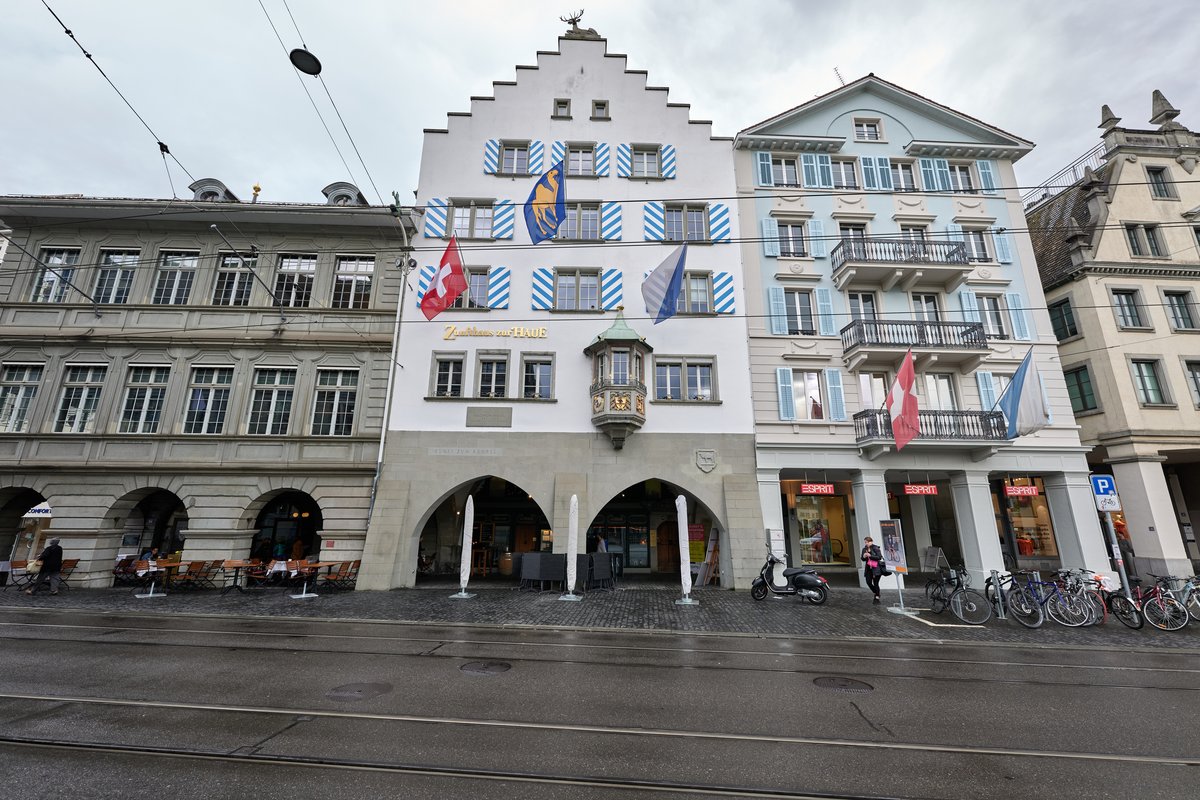
Throughout the Middle Ages, Münsterhof was a stage for Zürich’s most important civic and religious ceremonies. The square hosted royal greetings, processions, and public meetings, particularly after the 1336 Guild Constitution shifted city governance to the powerful guilds. Surrounding Münsterhof, well-preserved guild houses such as Zunfthaus zur Waag and Zunfthaus zur Meisen bear witness to this era of economic and political transformation (https://en.wikipedia.org/wiki/M%C3%BCnsterhof).
Transformations After the Reformation
The Reformation in the 16th century brought seismic change: Fraumünster Abbey was dissolved, and Münsterhof transitioned from a religious center to a public marketplace, even serving as a pig market until the 17th century. In 1667, the square was paved for the first time, signaling the start of its urban development (https://www.muensterhof.org/geschichte/).
Urban Modernization and Transportation
In the 19th and 20th centuries, Münsterhof adapted to Zürich’s modernization. The creation of the Limmatquai-Münsterbrücke-Paradeplatz traffic axis and the introduction of tram lines reflected the city’s expanding public transport network. By the late 20th century, Münsterhof was pedestrianized, reclaiming its role as a tranquil gathering place (https://www.zuerich.com/en/sightseeing-activities/places-to-visit/top-10-places-to-visit).
Cultural Revitalization and Events
Münsterhof’s recent revitalization has transformed it into a vibrant cultural venue. Annual highlights include the Münsterhof Christmas Market, the tonhalleAIR classical music festival, and Züri Carneval Monsterkonzert. The square also serves as a focal point for art installations, public demonstrations, and community gatherings, maintaining its tradition as a center for civic engagement (https://www.zuerich.com/en/events-nightlife/event-highlights).
Architectural and Archaeological Heritage
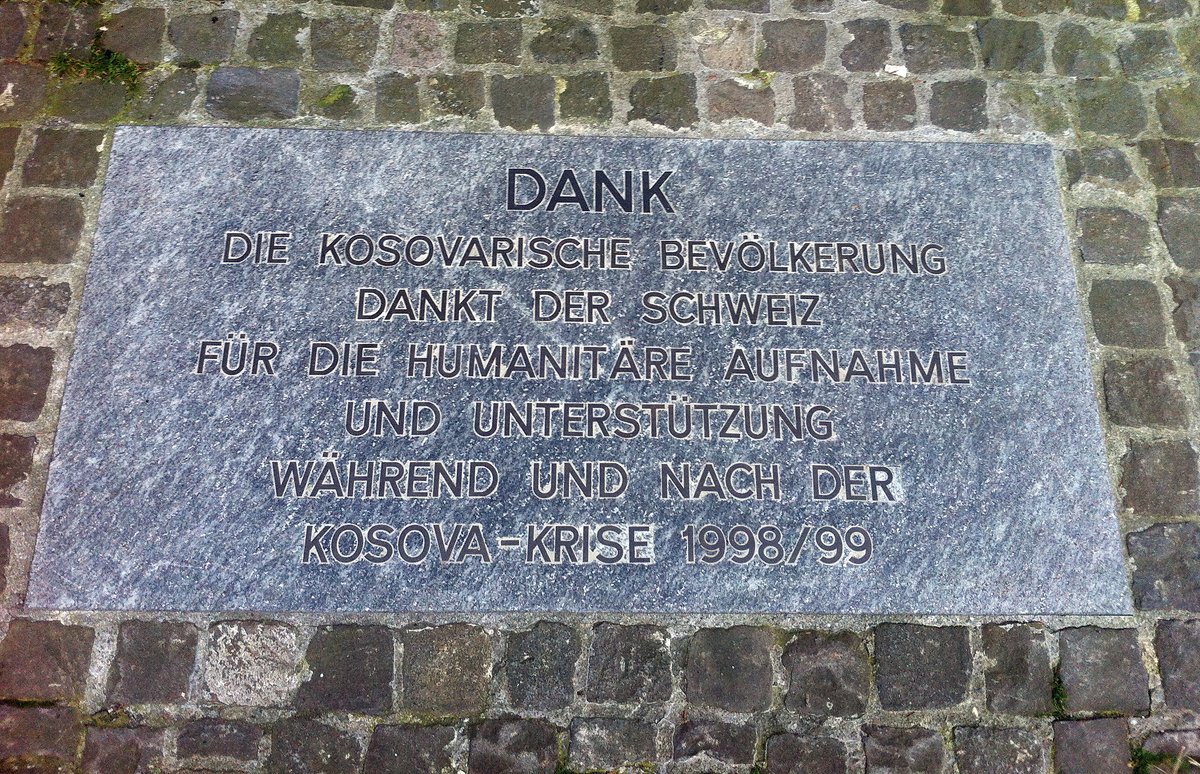
Münsterhof is ringed by architectural gems. The Fraumünster Church is famed for its Romanesque chancel and stained glass by Marc Chagall and Augusto Giacometti. Guild houses and patrician residences illustrate Zürich’s medieval and Renaissance evolution, while archaeological excavations beneath the square have revealed Roman foundations and medieval market remains. Informational plaques throughout Münsterhof share this layered history with visitors (https://www.muensterhof.org/).
Visiting Münsterhof: Practical Information
Visiting Hours and Accessibility
- Square Access Münsterhof is a public pedestrian zone and open 24/7.
- Fraumünster Church Open daily, typically 10:00 AM–6:00 PM; check official hours for seasonal changes.
- Accessibility The square is completely pedestrianized and wheelchair accessible, with smooth pathways and accessible seating at major events (https://www.zuerich-weihnachtsmarkt.ch/).
Tickets and Guided Tours
- Münsterhof Square Free to access—no ticket required.
- Fraumünster Church Entry costs CHF 5–10 (https://www.trip.com/hot/travel-itinerary/zurich-itinerary-5-days.html).
- Guided Tours Bookable via Zürich Tourism or local operators; advanced booking recommended for peak times.
Getting There
- Tram Closest stops are Paradeplatz and Helmhaus (lines 2, 4, 9, 11, and others). From Zürich Hauptbahnhof (main station), Münsterhof is a 10–15 minute walk or short tram ride.
- By Car The square is in a car-free zone; use public parking at Urania or Parkhaus Opéra (https://www.zuerich-weihnachtsmarkt.ch/).
- Luggage Storage Available at Zürich Hauptbahnhof (https://happytowander.com/switzerland-travel-tips/).
Dining and Refreshments
- Zunfthaus zur Waag Historic guild house restaurant with classic Swiss cuisine (https://www.zuerich.com/en/visit/restaurants/zunfthaus-zur-waag).
- Münsterhöfli Café Spacious terrace with views of Fraumünster (https://www.muensterhoefli.ch/de/draussen/).
- Tip Reserve ahead for dinner, especially during festivals.
Seasonal Highlights: Christmas Market
Each winter, Münsterhof hosts a renowned Christmas market featuring Zürich-linked crafts, gourmet treats, and a festive program of music and workshops. The market emphasizes sustainability with green electricity, LED lighting, and local vendors (https://www.zuerich-weihnachtsmarkt.ch/; https://lifejourney4two.com/zurich-christmas-markets/).
- Best Time Evenings for lights and music; weekdays are less crowded.
- Accessibility Flat, stroller- and wheelchair-friendly.
- Sustainability Eco-friendly initiatives and recycling stations.
Nearby Attractions
- Fraumünster Church Chagall windows, Giacometti rosette, cloister frescoes.
- Grossmünster Landmark Romanesque church with city views (https://traveltriangle.com/blog/romantic-places-in-zurich/).
- St. Peter’s Church Home to Europe’s largest church clock face.
- Lindenhof Hill Panoramic city and river views (https://www.thecrazytourist.com/25-best-things-zurich-switzerland/).
- Bahnhofstrasse Zürich’s luxury shopping avenue (https://www.roadsanddestinations.com/focus-on-zurichs-old-town-10-of-the-best-places-in-old-town-zurich-you-cant-miss/).
Special Events and Festivals
- tonhalleAIR Festival Biennial open-air classical music festival (https://www.tonhalle-orchester.ch/en/formate/classic-meets/tonhalleair/).
- Züri Carneval Monsterkonzert Lively evening with brass bands and steeldrum music (https://zurichcarneval.ch/monsterkonzert/).
- Food Zurich Europe’s largest food festival, with events at Münsterhof (https://www.zuerich.com/en/sightseeing-activities/top-10-places-to-visit/places-to-visit/must-dos-in-zurich-2025).
Atmosphere and Local Life
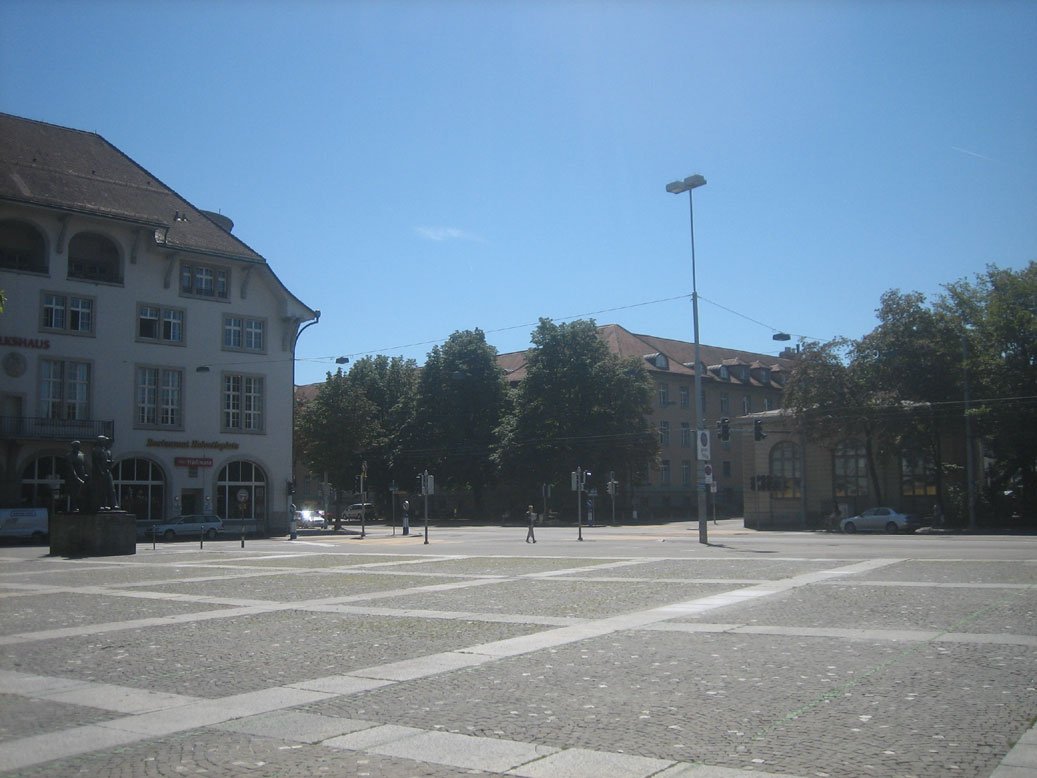
Münsterhof is a lively but peaceful space—ideal for relaxing at a café, people-watching, or joining public festivities. The square’s transformation from a parking lot to a pedestrian plaza has restored its role as a community hub, echoing centuries of Zürich’s civic life (https://en.wikipedia.org/wiki/M%C3%BCnsterhof, https://www.hellozurich.ch/en/news/muensterhof.html).
Sustainability and Safety
Münsterhof and its events emphasize sustainability: LED lighting, green energy, recycling, and support for local vendors. Zürich is one of Europe’s safest cities, and the square’s pedestrian setting is secure for families and solo travelers. Standard precautions are advised during crowded events.
Visuals and Media
- Photos Münsterhof with Fraumünster Church, Chagall stained-glass windows, Christmas market scenes.
- Virtual Tour Interactive map and 360° virtual walk available on the official Münsterhof website.
- Event Videos Highlights from festivals such as tonhalleAIR and the Christmas market.
FAQ
Q: What are the Münsterhof visiting hours?
A: The square is open 24/7. Fraumünster Church and other attractions have specific hours—typically 10:00 AM–6:00 PM.
Q: Are tickets required to visit Münsterhof?
A: No, entry to the square is free. Tickets are needed for Fraumünster Church and certain events.
Q: Is Münsterhof accessible for people with disabilities?
A: Yes, the square is flat and fully accessible; most venues are adapted for mobility needs.
Q: How do I reach Münsterhof by public transport?
A: Take trams to Paradeplatz or Helmhaus; the square is a short walk from either stop.
Q: When is the best time to visit?
A: Spring through autumn for outdoor events; December for the festive Christmas market.