
Early Origins and Roman Foundations
Zürich’s story begins with Neolithic and Bronze Age settlements along the lakeshore, evident at sites like Zürich Pressehaus and Zürich Mozartstrasse (History of Zurich). The city’s Roman roots, as Turicum, are still visible in archaeological remains near Lindenhof hill, including baths and fortifications. Lindenhof itself became a strategic Roman customs post, setting the foundation for the city’s enduring significance.
Medieval Growth and Ecclesiastical Power
With the fall of the Western Roman Empire, Lindenhof became the site of a royal castle, and two great monasteries, Grossmünster and Fraumünster, were established. These religious centers shaped Zürich’s political and cultural identity. Today, both churches are open to visitors, typically from 9:00 AM to 5:00 PM. Entry is free (except for special exhibitions or tower access), and guided tours are available to uncover their rich histories (Wanderlog: Historic Buildings).
Guild Revolt and the Swiss Confederacy
The 14th-century guild revolution transferred power from the nobility to the city’s artisans and merchants, leading Zürich to join the Swiss Confederacy in 1351. The city’s medieval walls and winding streets, especially in the Altstadt, maintain the historic charm that characterizes Central Zürich today, making walking tours an immersive way to explore this era.
Reformation and Early Modern Prosperity
Zürich was at the forefront of the Swiss Reformation, led by Huldrych Zwingli from the Grossmünster. This period brought profound religious change, which you can learn about through church exhibitions and local museums. The silk industry also fueled economic growth in the 17th and 18th centuries, adding to the city’s prosperity.
Napoleonic Upheaval and Modernization
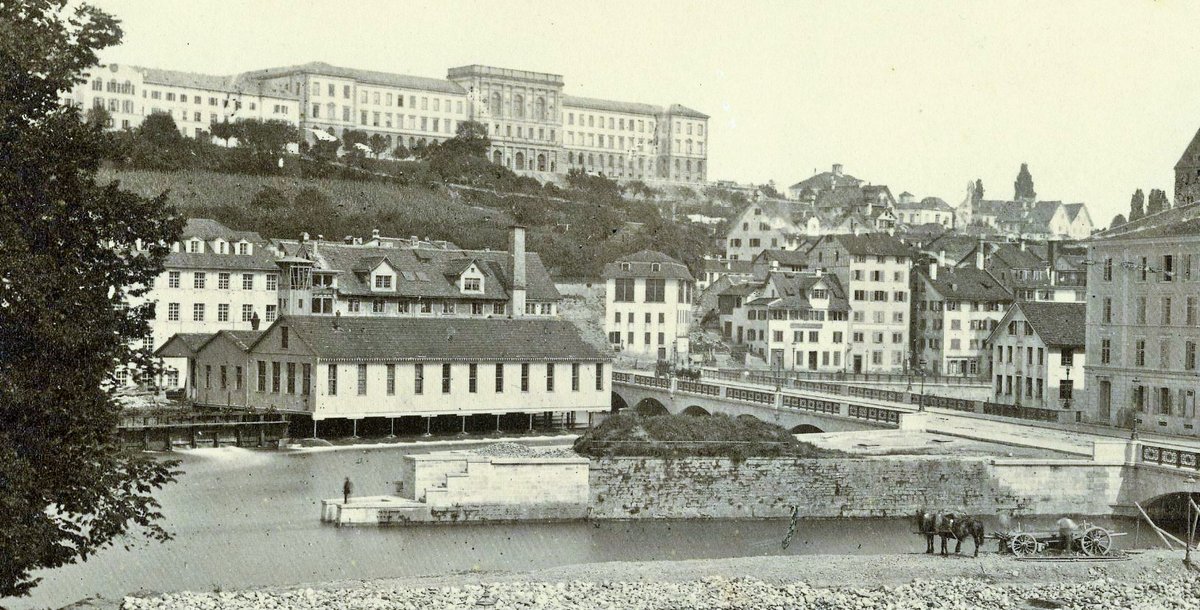
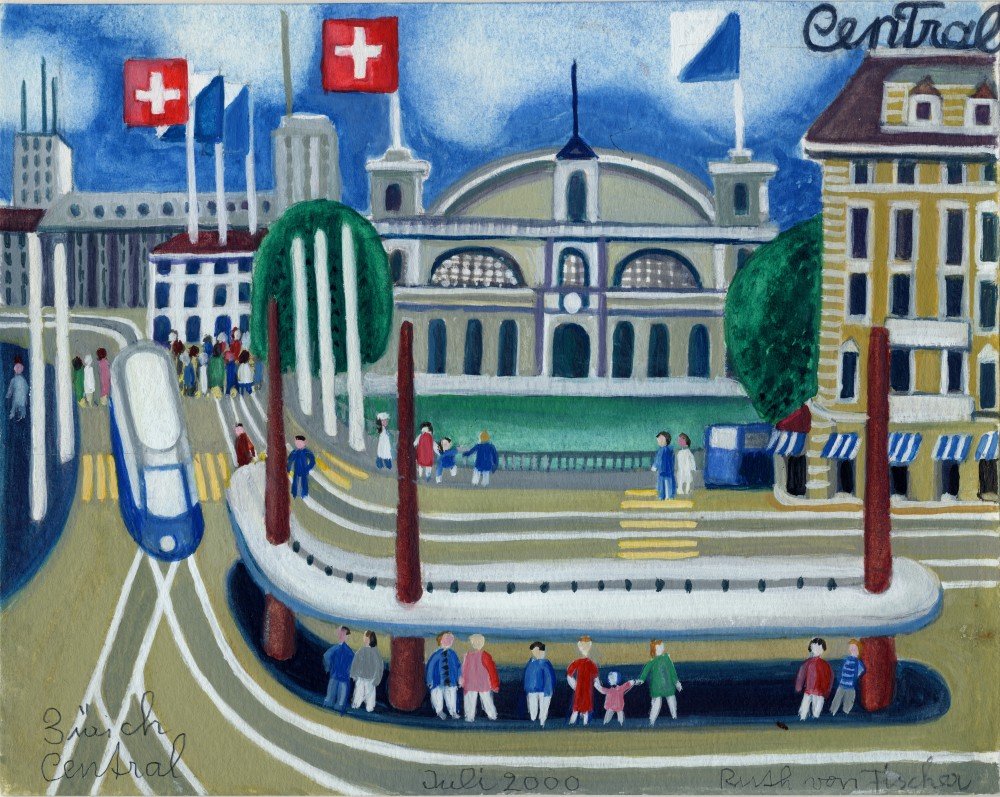
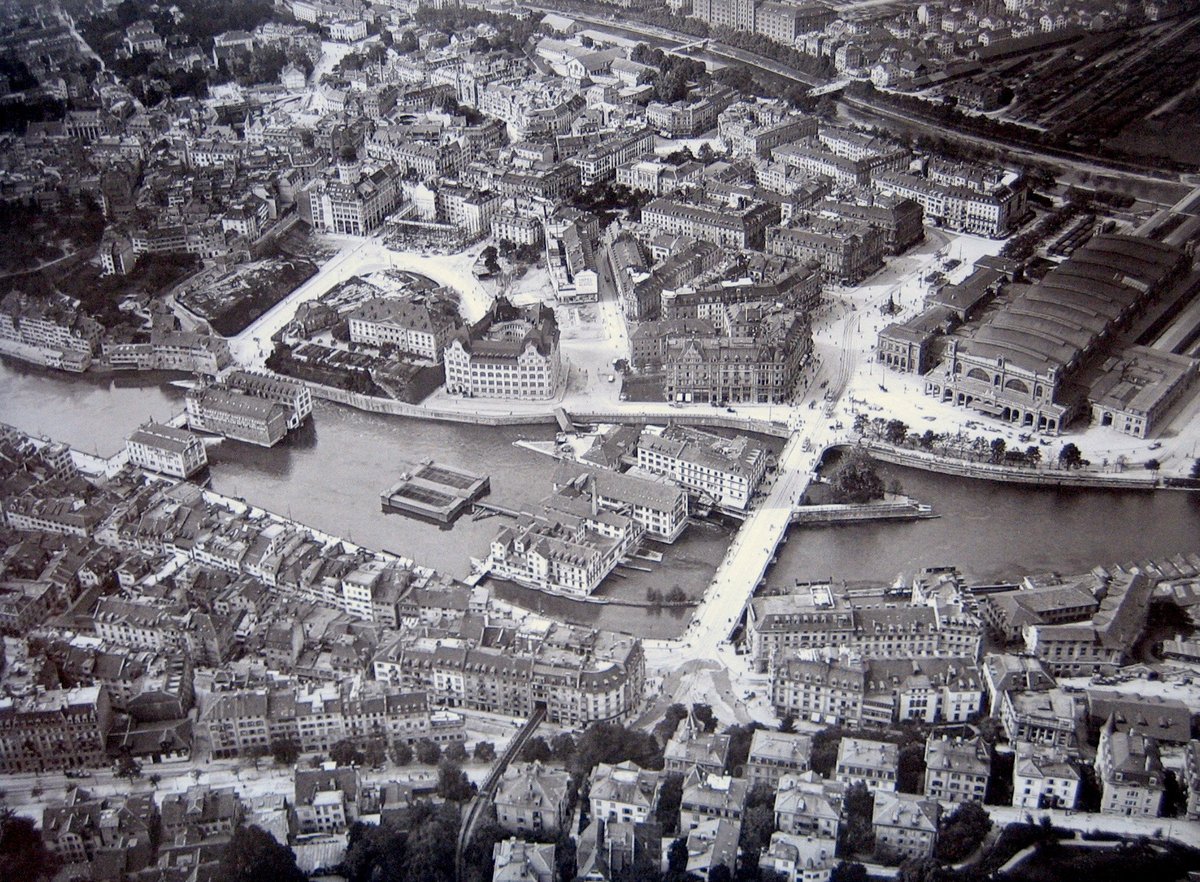
The Napoleonic era ushered in significant political and urban changes, including the demolition of medieval fortifications and the creation of thoroughfares like Limmatquai. The opening of Zürich Hauptbahnhof in 1871 cemented Central Zürich’s role as a transportation and commercial hub.
Industrialization and Urban Expansion
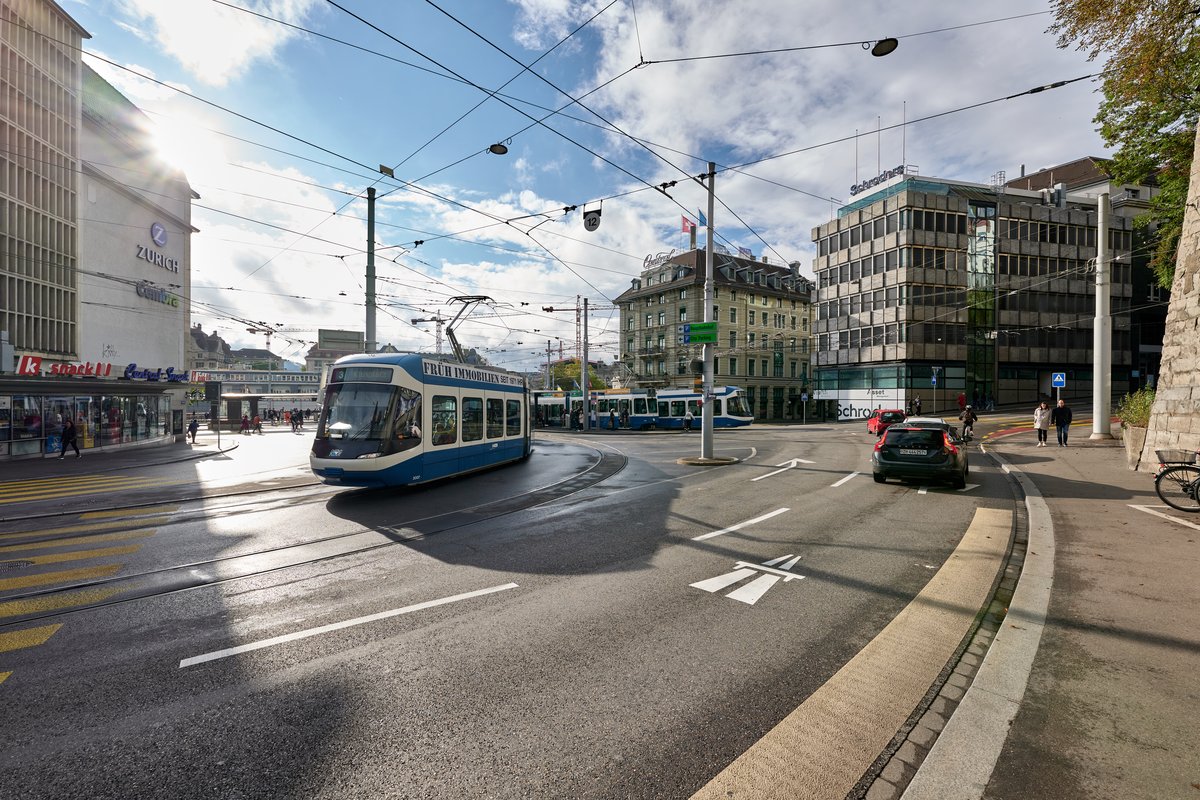
In the 19th century, Zürich experienced rapid growth. Bahnhofstrasse, now a world-famous shopping avenue, was developed to link the train station with Paradeplatz and Lake Zürich. Today, it remains a bustling artery for shopping and leisure, with typical store hours from Monday to Saturday, 9:00 AM to 7:00 PM.
Financial Powerhouse and Modern Identity
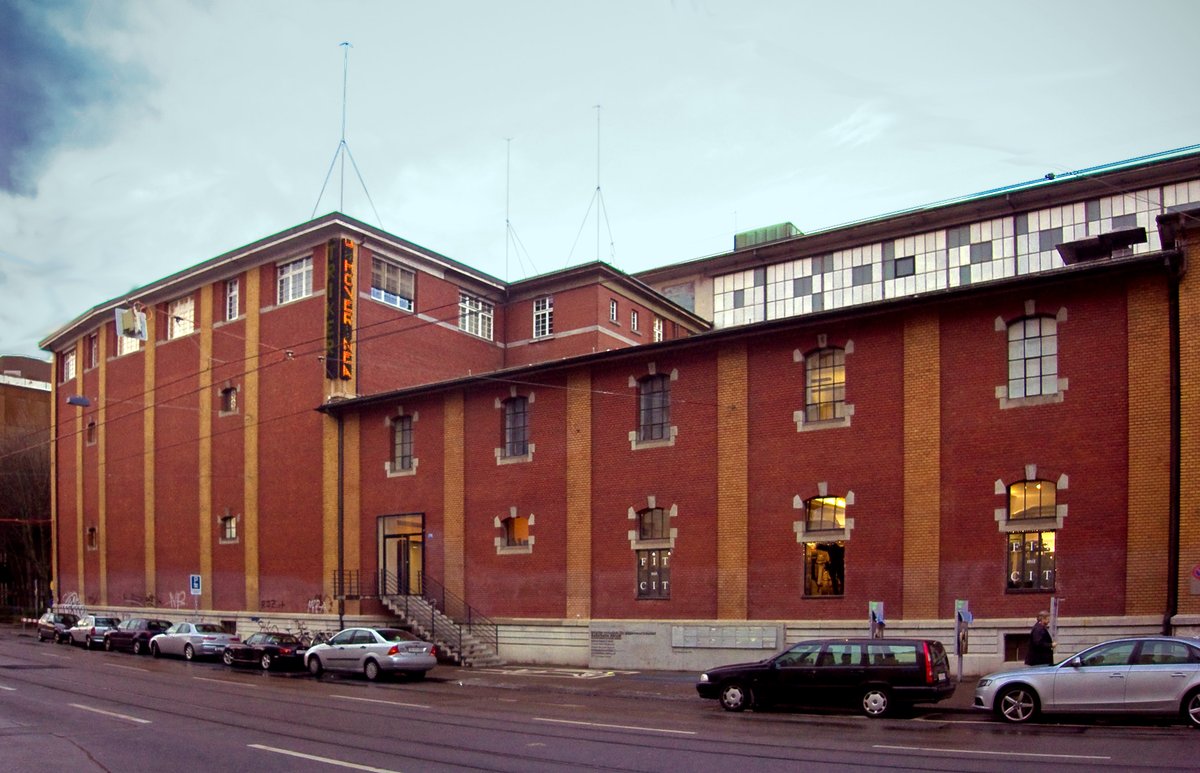
Paradeplatz became synonymous with Swiss banking, housing institutions like Credit Suisse and UBS AG. The area’s modern identity is balanced by its cultural vibrancy, with nearby landmarks such as Cabaret Voltaire (birthplace of the Dada movement) and Kunsthaus Zürich, Switzerland’s premier art museum. Kunsthaus Zürich welcomes visitors Tuesday to Sunday, 10:00 AM to 6:00 PM (closed Mondays), with tickets available online or at the door.
Urban Renewal and Contemporary Life
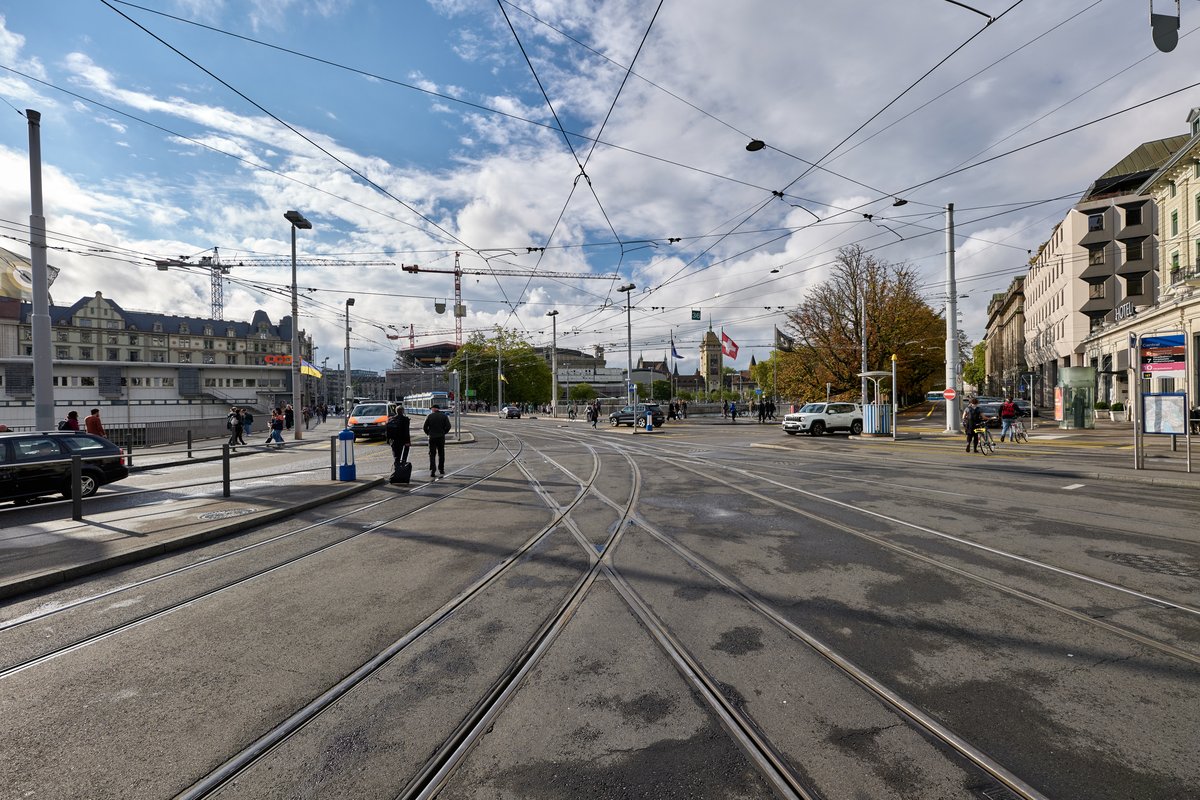
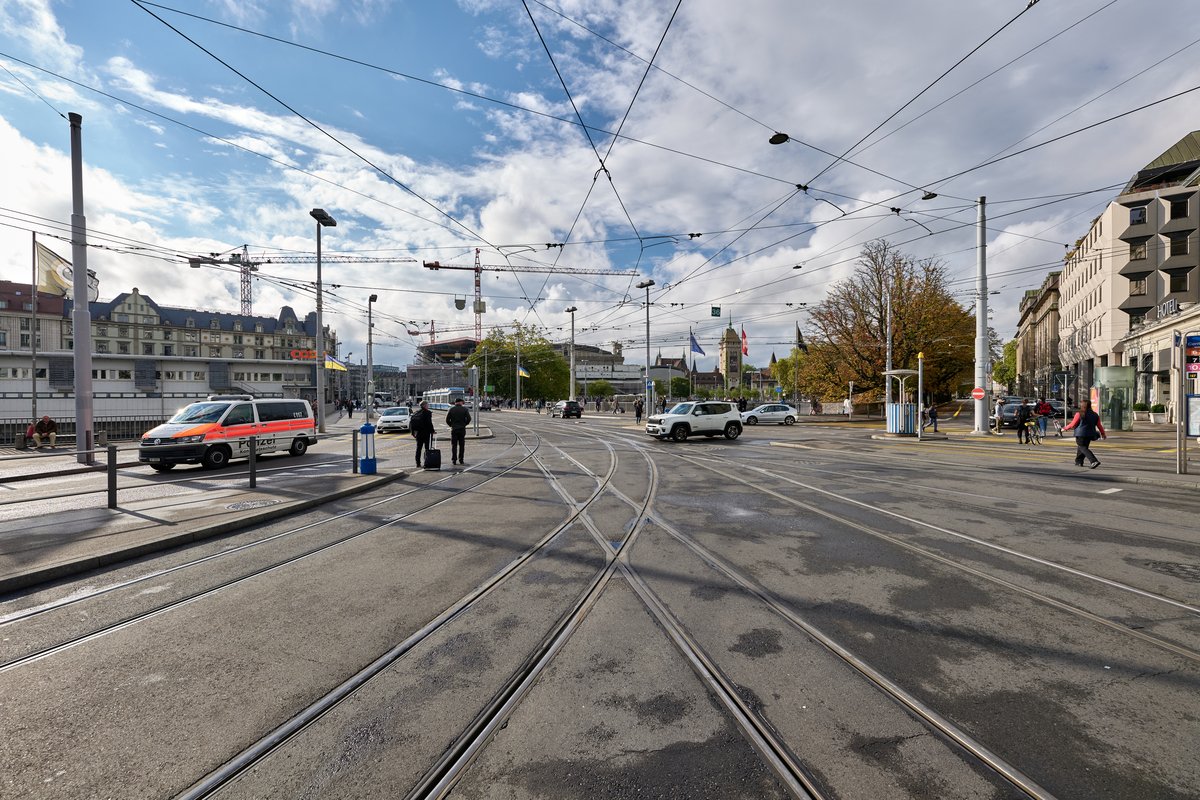
Since the 1990s, Central Zürich has undergone revitalization, marked by improved public transit (e.g., the Zürich S-Bahn), pedestrian-friendly streets, and a blend of historic architecture with modern amenities. This makes the district equally appealing to locals and tourists.
Practical Visitor Information
- Visiting Hours Most historic churches: 9:00 AM–5:00 PM. Kunsthaus Zürich: Tuesday–Sunday, 10:00 AM–6:00 PM (closed Mondays).
- Tickets Church entry is generally free; museums/special exhibitions: CHF 10–23. Book in advance during peak periods.
- Guided Tours Walking tours, audio guides, and apps (like Audiala) are widely available.
- Accessibility Central Zürich is pedestrian-friendly with wheelchair access to major landmarks. Public transport (trams/buses) links the district to the rest of the city.
- Nearby Attractions Zürich Opera House, Swiss National Museum, lake promenade, Altstadt, and more.
Notable Events and Traditions
Central Zürich’s event calendar is packed with highlights such as the Sechseläuten spring festival, Zurich Film Festival, Zurich Marathon, and the Street Parade. These events reflect Zürich’s blend of tradition and contemporary flair (Zürich Event Highlights).
Architectural and Cultural Landmarks
- Lindenhof Ancient Roman site with panoramic city views.
- Grossmünster Iconic Romanesque church central to the Reformation.
- Fraumünster Renowned for Chagall and Giacometti stained-glass windows.
- St. Peter’s Church Oldest parish church, with Europe’s largest clock face.
- Bahnhofstrasse Prestigious shopping boulevard.
- Paradeplatz Financial center of Switzerland.
- Cabaret Voltaire Birthplace of Dadaism.
- Kunsthaus Zürich Leading art museum.
Frequently Asked Questions (FAQ)
Q: What are the visiting hours for Zürich’s main historic sites?
A: Generally, 9:00 AM–5:00 PM. Kunsthaus Zürich is closed Mondays.
Q: Do Grossmünster and Fraumünster require tickets?
A: Church entry is free; special exhibitions and tower access may require tickets.
Q: Is Central Zürich accessible for wheelchair users?
A: Yes, most major sites and public transport are accessible.
Q: How do I get around Central Zürich?
A: The district is walkable and well-served by trams/buses.
Q: Where can I purchase tickets for tours?
A: Online, at tourist offices, or via apps like Audiala.
Swiss National Museum Zürich: A Must-Visit Landmark
The Swiss National Museum (Landesmuseum Zürich), next to Zürich Hauptbahnhof, blends medieval-inspired architecture with cutting-edge exhibitions (Swiss National Museum Official Site). Its collections span Swiss history from prehistory to the present.
Visiting Information
- Hours Tuesday–Sunday, 10:00 AM–5:00 PM (closed Mondays).
- Admission Adults CHF 10; seniors CHF 8; students CHF 5; under 16s free. Family/group rates available.
- Guided Tours Daily, in multiple languages (Swiss National Museum Tours). Book ahead for popular times.
- Accessibility Fully accessible, with ramps, elevators, and tactile exhibits.
Highlights
- Permanent Collection Swiss cultural history, weaponry, costumes, and art.
- Special Exhibitions Regularly changing thematic displays.
- Visitor Tips Allow 2–3 hours; purchase tickets online to skip queues; combine with Old Town or Limmatquai strolls.
Discover Central Zürich: Historic Sites, Tickets, and Travel Tips
Grossmünster: Visiting Hours & Tickets
- Hours Daily 10:00 AM–6:00 PM (tower access until 5:30 PM, April–October).
- Tickets Free entry; CHF 5 for tower climb (Official Grossmünster info & tickets).
- Tours Book through Zürich tourism for deeper insights.
Fraumünster: Art & Visitor Info
- Hours Daily 10:00 AM–6:00 PM.
- Tickets CHF 5 for adults (Purchase Fraumünster tickets).
- Highlights Marc Chagall and Giacometti stained-glass windows.
St. Peter’s Church
- Hours 9:00 AM–5:00 PM.
- Tickets Free entry.
- Note Europe’s largest clock face; historic fire watch tower.
Lindenhof
- Access Open year-round, free. Offers panoramic city views.
Old Town (Altstadt) & Niederdorf
- Attractions Medieval streets, guild houses, Grimmenturm tower, Hirschenplatz.
- Character Pedestrian-friendly, ideal for self-guided tours.
Museums & Culture
- Kunsthaus Zürich Art from the Middle Ages to the present. Hours: 10:00 AM–6:00 PM (closed Mondays).
- Rietberg Museum Focus on non-European cultures; CHF 14 for adults.
Natural Attractions
- Lake Zürich Promenades, cruises from Bürkliplatz (April–October).
- Uetliberg Local mountain with hiking, biking, and panoramic views.
Modern Life
- Bahnhofstrasse Luxury shopping, historic cafés.
- Zürich West (Kreis 5) Trendy dining and nightlife.
- Niederdorf Lively bars and clubs.
Seasonal Highlights
- Festivals Outdoor events and open-air concerts from June onward.
- Limmat River Cruises April–October, glass-roofed boats for city views.
Practical Visitor Tips
- Zürich Card Unlimited public transport and attraction discounts.
- Language Swiss German; English widely spoken.
- Cost Zürich is expensive—book ahead for savings.
- Safety Very safe; tap water is excellent.
- Sunday Shopping Most shops closed except at main stations.
Discover More
Central Zürich is a captivating fusion of history, culture, and modern vibrancy. From Roman ruins at Lindenhof to the grandeur of Grossmünster and Fraumünster, and from shopping on Bahnhofstrasse to world-class museums and lively festivals, the district offers something for every traveler. Plan your visit by checking opening hours, booking tickets in advance, and using resources like the Audiala app for guided audio tours and real-time updates.
Start your adventure today—download the Audiala app for personalized experiences, follow us on social media for the latest updates, and dive deeper into Zürich’s neighborhoods, culinary scene, and festivals through our related articles.