
History and Evolution
Founding and Social Role
The creation of Volkshaus Zürich was a progressive response to the city’s early 20th-century social movements. Opened in 1910, it was Switzerland’s first alcohol-free people’s house, established through a broad coalition including reformers, officials, and the women who later founded the Zürich Women’s Association (Wikipedia). Funded alongside the Kunsthaus by a 1906 referendum, it underscored the city’s commitment to both social and cultural development (Stiftung Schweiz).
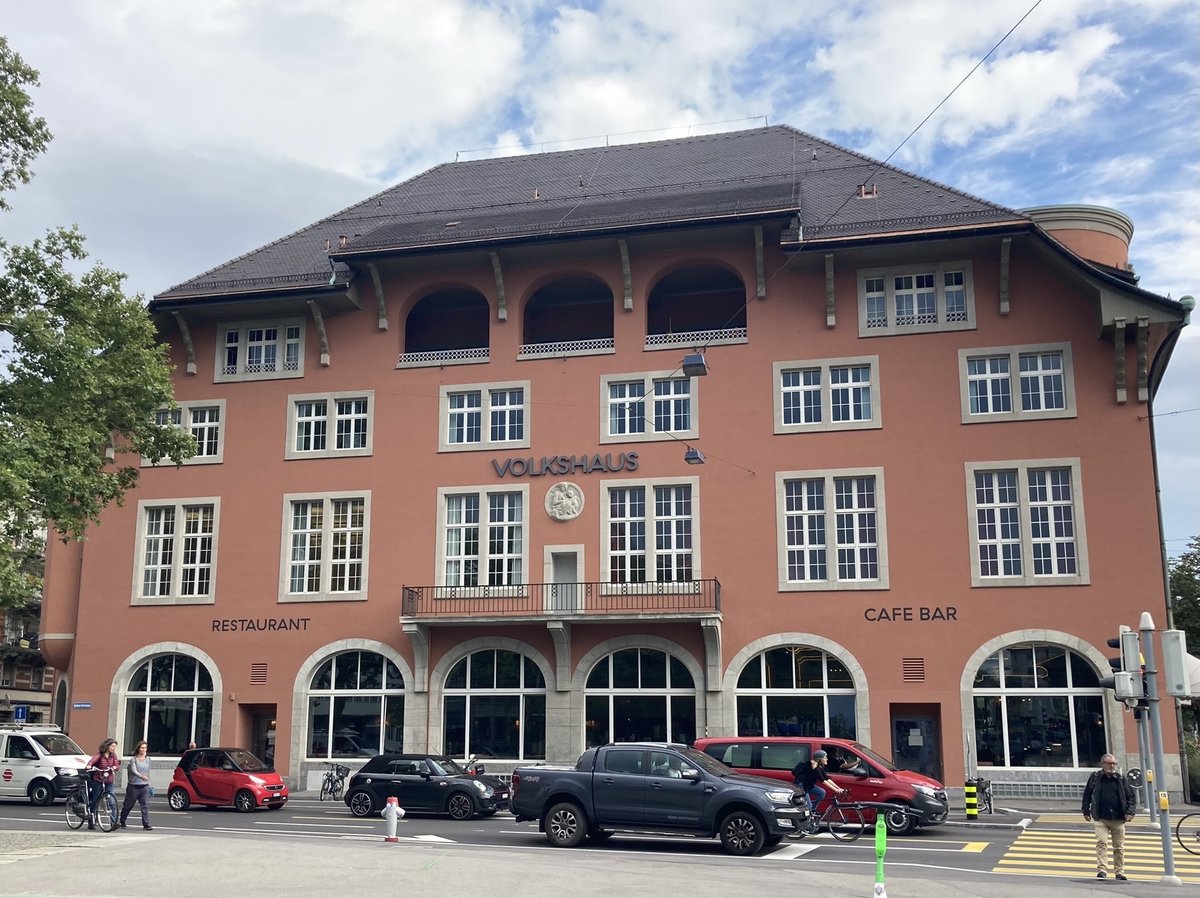
From its earliest days, Volkshaus was a nerve center for the labor movement, hosting union meetings, educational lectures, and community celebrations. Notable features included public baths in the basement, an alcohol-free restaurant, lecture halls, and union offices. Its balcony became a symbolic platform for public addresses and celebrations, including FC Zürich’s championship festivities in the 2000s (Wikipedia).
Internationally, the venue made history in 1970 when the Soviet Embassy commemorated Lenin’s 100th birthday in the Blue Hall, installing a controversial bronze plaque (Lenin in Switzerland).
Architectural Development and Preservation
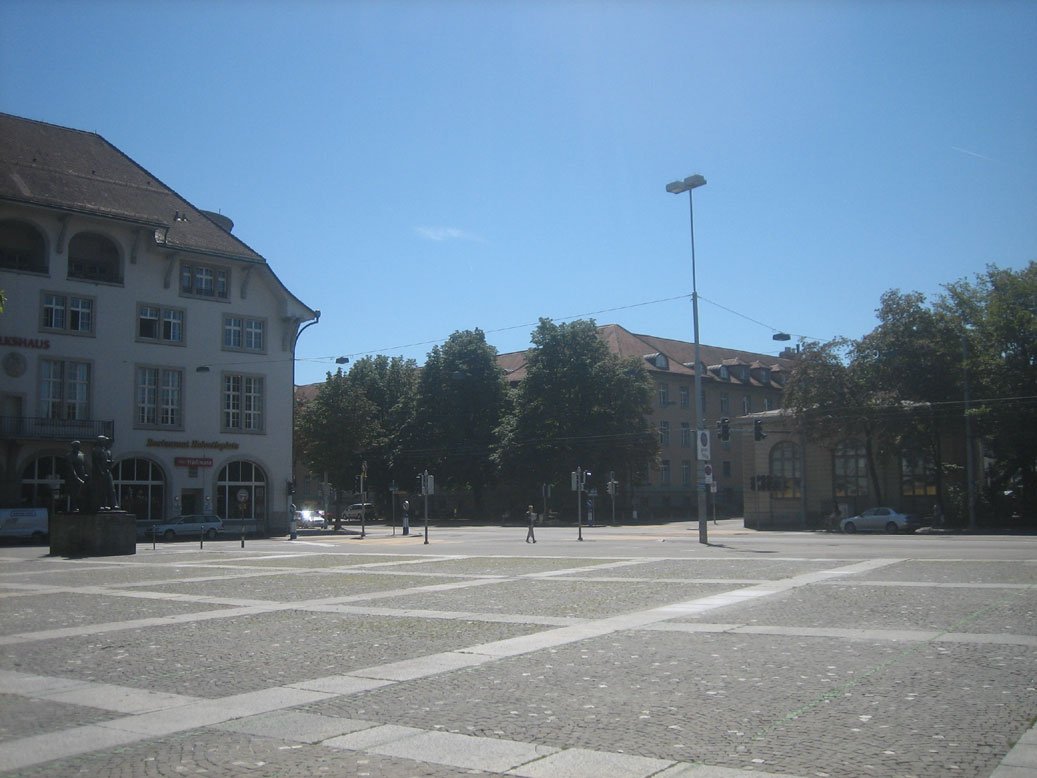
Strategically positioned at Helvetiaplatz, Volkshaus was designed to serve large public gatherings. The centerpiece Theatersaal, inaugurated in 1928, seats around 1,200—expanding to 1,600 with standing room—making it ideal for performances and assemblies (Wikipedia).
The building’s architectural journey has been marked by careful preservation and modernization. Extensive 21st-century restorations—guided by heritage authorities—restored the red façade, reflecting its mid-century appearance. Renovations have balanced modern amenities with historical character, such as the restaurant’s blend of vintage and contemporary design elements (Zürich.com).
Volkshaus’s multifunctional spaces, including a café, bar, bookshop, hammam, and various meeting rooms, allow it to host everything from concerts and record fairs to lectures and flea markets (Songkick).
Visiting Volkshaus Zürich
Hours, Tickets, and Guided Tours
- Visiting Hours The building is typically open Monday–Sunday, 10:00 AM–12:00 AM. Hours may vary for events and holidays—check the official Volkshaus website for current details.
- Tickets Public areas like the restaurant and bookshop are free to access. Event tickets can be purchased via the Volkshaus website, Eventim, or Ticketmaster. Prices range from CHF 20–120, depending on the event.
- Guided Tours Tours exploring the building’s history and architecture are available by appointment; inquire via the official website for availability.
Accessibility
Volkshaus Zürich is fully accessible, offering step-free entry, elevators, and accessible restrooms. Wheelchair users and guests with special needs are encouraged to contact the venue in advance for tailored assistance.
Photographic Highlights
Notable photo opportunities include the striking red façade, the historic balcony, and interiors blending vintage charm with modern flair. Helvetiaplatz offers excellent exterior views, while the restaurant and Theatersaal provide atmospheric indoor shots.
Events, Facilities, and Amenities
Annual and Recurring Events
Volkshaus Zürich’s event calendar features a diverse mix of concerts, festivals, art exhibitions, and community gatherings. Standout 2025 highlights include performances by Pink Martini, Calexico, Avishai Cohen Trio, Tommy Emmanuel, and Social Distortion (Festivals United; Bandsintown; AllBlues Konzert AG; OpenAirGuide).
The venue also hosts wellness events, dance parties, record fairs, and panel discussions, continually renewing its social and cultural relevance.
Dining and Social Spaces
The on-site brasserie and bar are renowned for contemporary Swiss cuisine, seasonal menus, and a welcoming ambiance (Festivals United). Additional amenities:
- Bookshop Literature, art, and music selections.
- Hammam Urban relaxation retreat.
- Flexible workspaces For creatives and organizers.
Practical Visitor Information
Location and Transportation
- Address Stauffacherstrasse 60, 8004 Zürich.
- Public Transport “Helvetiaplatz” tram stop (lines 8, 9, 14) is steps away; Zürich Hauptbahnhof is under 10 minutes by tram (Zürich public transport).
- Parking Limited public garages nearby; public transport recommended. Bike racks are available.
Nearby Attractions and Neighborhood Guide
Volkshaus’s Districts 4 and 5 (Kreis 4 & 5) offer a lively, multicultural experience:
- Dining/Nightlife Langstrasse’s bars, Frau Gerolds Garten, diverse eateries.
- Arts/Culture Kino Xenix, Kunsthaus Zürich, Cabaret Voltaire, street art tours.
- Shopping Markthalle im Viadukt, boutiques, vintage shops.
- Green Spaces Bäckeranlage, Josefwiese.
- Major Attractions Old Town, Bahnhofstrasse, Swiss National Museum.
For extended city tips, see Spend Life Traveling and My Global Viewpoint.
Frequently Asked Questions
What are Volkshaus Zürich’s visiting hours?
Generally open 10:00 AM–12:00 AM, but check the event calendar or official website for specifics.
How do I buy event tickets?
Purchase online at Volkshaus website, Eventim, or Ticketmaster.
Is Volkshaus Zürich accessible?
Yes—wheelchair access, elevators, and accessible restrooms are available.
Are guided tours offered?
Yes, by appointment or during special festivals/events; see the official website for details.
What is the dress code?
Smart-casual is typical; formal attire is recommended for galas and classical concerts.
Can I bring my own food/drinks?
No, outside food and beverages are not permitted.
Is photography allowed?
Casual photography is welcome in public areas; event-specific restrictions may apply.
Summary Table
| Feature | Details |
|---|---|
| Location | Stauffacherstrasse 60, Kreis 4, Zürich |
| Transport | Helvetiaplatz tram stop (lines 8, 9, 14); close to Hauptbahnhof |
| Visiting Hours | 10:00 AM–12:00 AM (check event schedule) |
| Tickets | Online and box office (CHF 20–120/event) |
| Accessibility | Wheelchair accessible; step-free, elevators, restrooms |
| Dining/Nightlife | On-site brasserie/bar; Langstrasse nightlife; Frau Gerolds Garten |
| Arts/Culture | Concerts, theater, street art, nearby museums |
| Shopping | Markthalle im Viadukt, local boutiques |
| Green Spaces | Bäckeranlage, Josefwiese |
| Safety | Generally safe; standard precautions |
| Attractions | Old Town, Bahnhofstrasse, Swiss National Museum |
| Local Events | Zürich Pride, Street Parade, art fairs |
Discover More
Volkshaus Zürich is a living monument to the city’s social inclusion, cultural vitality, and architectural heritage. With its rich history, vibrant events, and welcoming spaces, it offers an authentically Swiss experience for every visitor. Plan ahead: check the latest visiting hours, book tickets online, and explore the diverse offerings in its surrounding neighborhoods. For more details, visit the Volkshaus Zürich website and download the Audiala app for event notifications and audio tours. Join the community where Zürich’s past and present come alive!