
Architectural and Cultural Significance
Architectural Context and Design
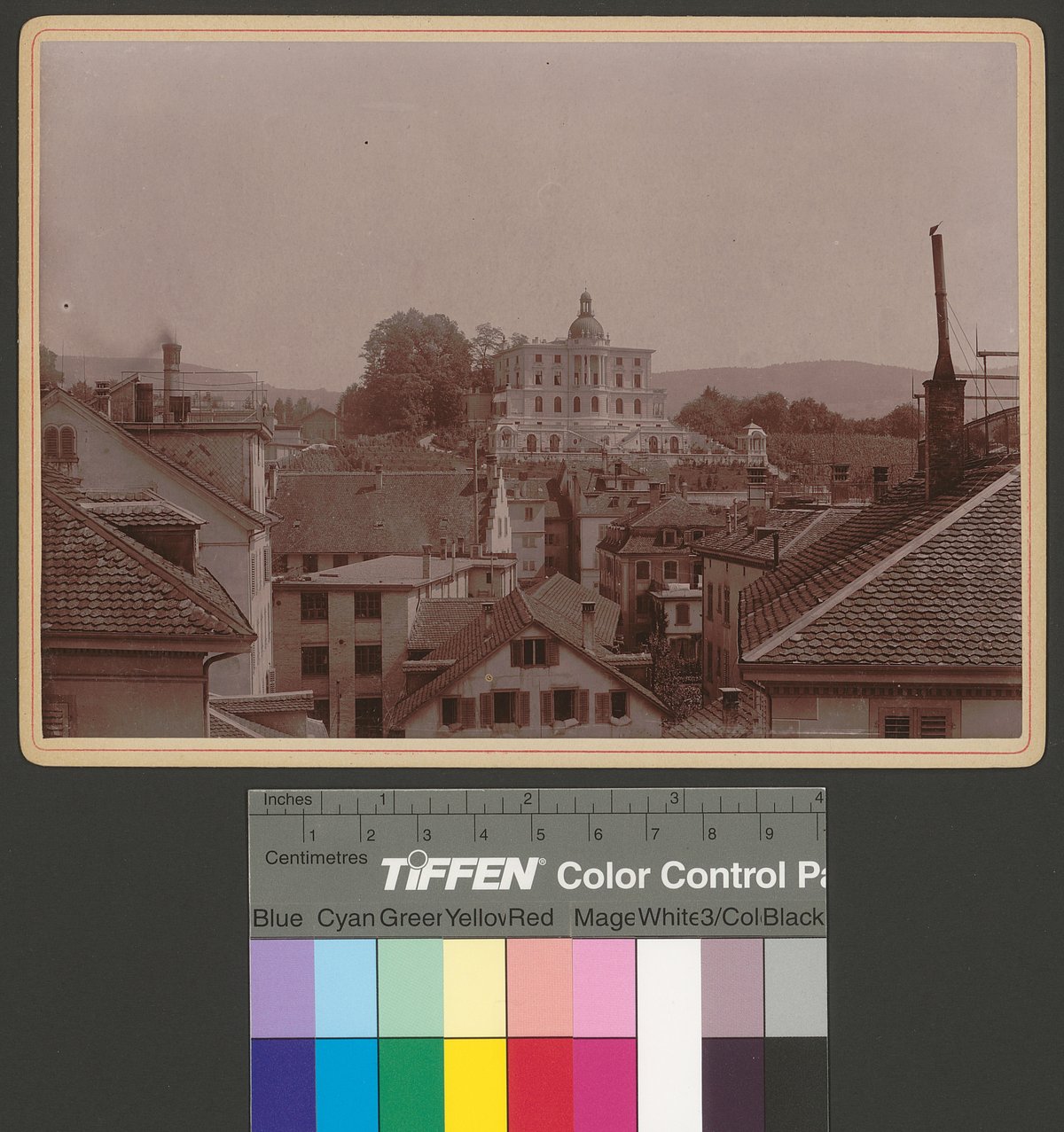
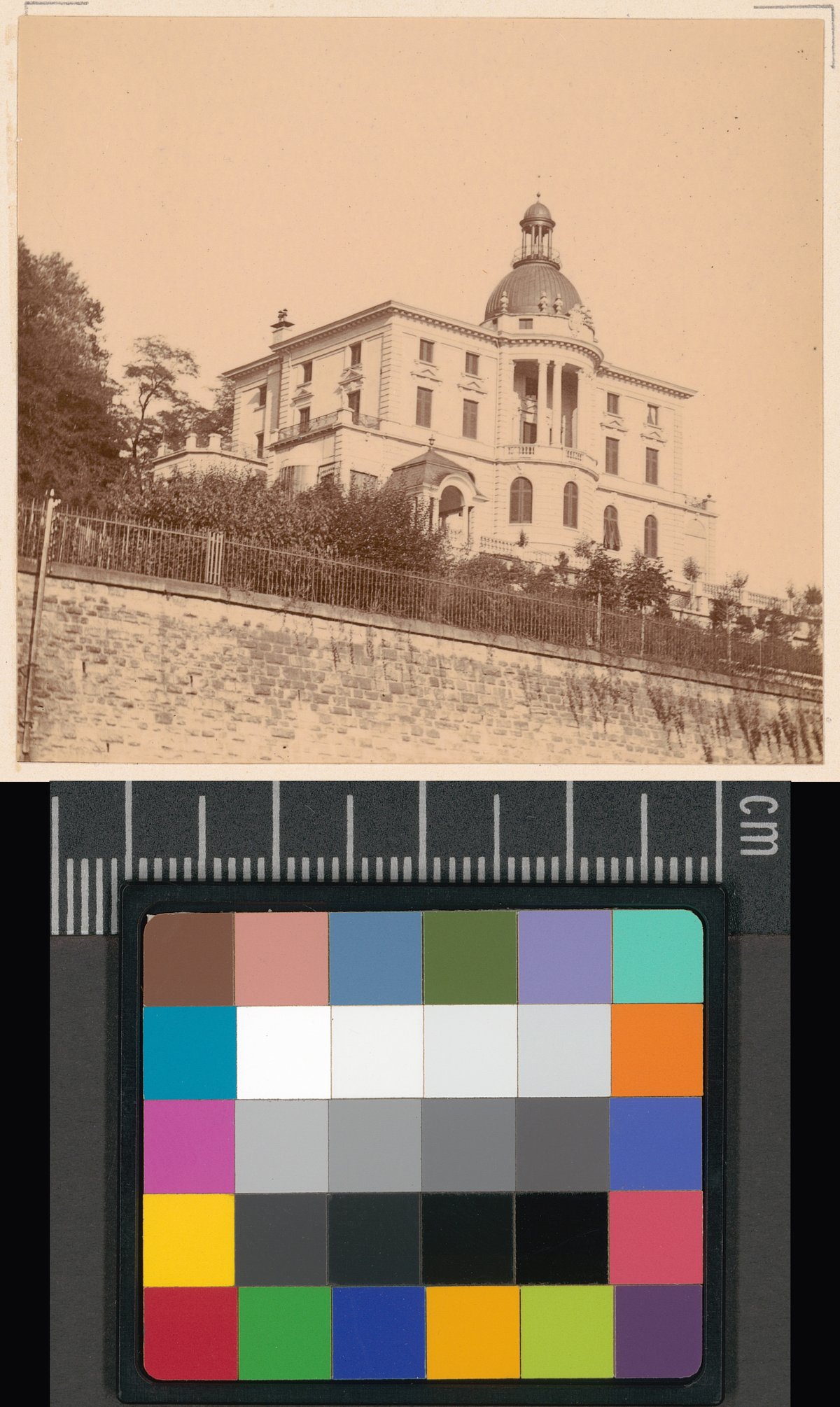
Commissioned by Friedrich Wegmann-Schoch and designed by Alfred Friedrich Bluntschli—renowned for other Zürich landmarks such as Kirche Enge—Villa Hohenbühl stands as a monumental example of Neo-Renaissance residential architecture. Its tripartite façade, large domed roof, and columned portico evoke the grandeur of Italian Renaissance villas, while reflecting the bourgeois ideals of its time (stadt-zuerich.ch; openhouse-zuerich.org).
Landscape and Garden Design
The villa’s terraced park, addressing a steep 20-meter elevation, was a collaborative effort between Bluntschli and garden artist Evariste Mertens. The gardens feature a mix of stone retaining walls, quince groves, and restored meadows, offering panoramic views of Zürich and Lake Zürich (stadt-zuerich.ch).
Urban and Symbolic Context
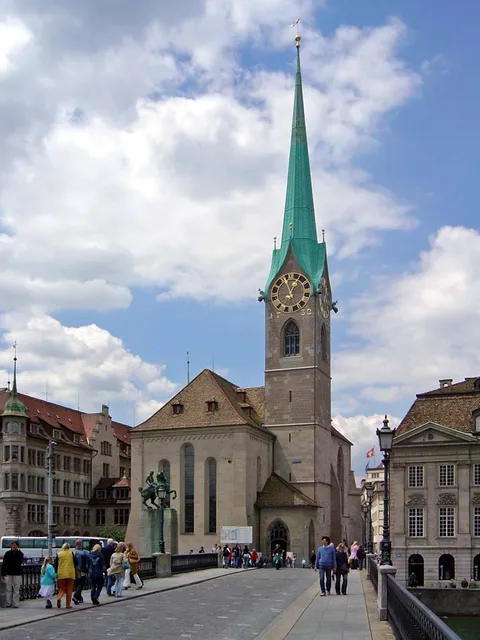
Strategically positioned, Villa Hohenbühl forms an architectural dialogue with Kirche Enge and embodies the balance between Zürich’s secular and sacred spaces during its urban expansion in the late 19th century (stadt-zuerich.ch).
Interior Features and Preservation
Although the interior is not routinely open to the public, it retains original plasterwork, wood paneling, and period ornamentation. Since 1949, the property has served as offices and classrooms but has maintained its architectural integrity and historical details (openhouse-zuerich.org).
Cultural Legacy
Highly regarded for its distinctive silhouette and location, Villa Hohenbühl plays a vital role in Zürich’s urban identity. Occasional public access via cultural events fosters community engagement and heritage appreciation (openhouse-zuerich.org).
Visitor Information
Visiting Hours
- Regular Access The villa’s interior is generally not open to visitors.
- Special Events Public access is available during events such as Open House Zürich, typically in September. For specific dates and details, consult event organizers (openhouse-zuerich.org).
Tickets and Admission
- Admission Entry during special events is usually free, but registration may be required due to limited capacity.
- Ticketing For the latest details, refer to the Open House Zürich website.
Accessibility
- The historic terraced gardens and hillside location present some challenges for visitors with limited mobility. Contact event organizers in advance for assistance or accessibility details.
Getting There
- Public Transport Bahnhof Stadelhofen is the nearest transport hub, served by S-Bahn, trams, and buses. A short uphill walk brings you to the villa.
- By Car Limited street parking is available; public transport is recommended.
- By Bicycle Well-connected bike paths and racks are nearby.
Nearby Attractions
- Combine your visit with the Zürich Opera House, Lake Zürich promenade, University of Zürich, Kirche Enge, and the historic Old Town (Zürich Tourism).
Special Features and Events
- Occasional guided tours and photography opportunities are available during public events, especially at sunset when the villa is particularly photogenic.
Frequently Asked Questions (FAQ)
Q: What are Villa Hohenbühl’s visiting hours?
A: The villa’s interior is only open during special events such as Open House Zürich. The park is accessible year-round during daylight hours.
Q: Is there an entrance fee?
A: Admission to public events is usually free, but registration may be required.
Q: Is Villa Hohenbühl wheelchair accessible?
A: Accessibility is limited due to historic terraces; contact event organizers in advance for details.
Q: Can I take photographs inside the villa?
A: Policies vary by event; check guidelines before your visit.
Q: Are guided tours available?
A: Guided tours are occasionally offered during public openings. Details are available on event websites.
Q: How do I get to Villa Hohenbühl?
A: Take public transport to Bahnhof Stadelhofen, then follow signs for a short walk to the villa.
Summary of Key Features
- Architect Alfred Friedrich Bluntschli (1842–1930)
- Construction Period 1887–1889
- Original Client Friedrich Wegmann-Schoch
- Architectural Style Neo-Renaissance, Italianate villa influences
- Landscaping Evariste Mertens
- Distinctive Features Domed roof, monumental portico, terraced gardens
- Current Use Offices (Gewerbepolizei), formerly Kantonsschule Stadelhofen
- Public Access Limited, available during select events (openhouse-zuerich.org)
- Cultural Status Recognized as a significant villa and symbol of Zürich’s 19th-century prosperity
Visitor Experience and Practical Tips
Exploring the Park
- The villa’s surrounding park, open year-round, is ideal for strolling, relaxing, and enjoying views of Zürich. Mature quince trees and landscaped lawns provide an inviting atmosphere for picnics and quiet reflection. Be mindful of park etiquette regarding litter, noise, and plant protection.
Architectural Appreciation
- Even without interior access, the villa’s exterior offers much to admire, with harmonious proportions and ornate detailing. Onsite informational plaques may provide historical context.
Photography
- The villa and its park are popular among photographers, particularly in the golden morning or evening light. Respect any restrictions during private or special events.
Accessibility
- Paved paths and gentle slopes in the park accommodate many visitors, but the historic building itself has limited accessibility features.
Context within Zürich’s Heritage and Urban Development
Villa Hohenbühl exemplifies Zürich’s ongoing commitment to adaptive reuse, balancing heritage conservation with modern needs. Its continued role as an educational and administrative space, alongside participation in citywide events, highlights the potential for historic buildings to remain vibrant and relevant (Tages-Anzeiger; stadt-zuerich.ch). For visitors, the villa is a gateway to exploring the dynamic interplay between Zürich’s past and present, set against a backdrop of architectural and natural beauty.
Plan Your Visit
- Consult the Open House Zürich website and Zürich Tourism for the latest event schedules, ticketing, and accessibility information.
- Enhance your experience with the Audiala app for curated audio guides and follow relevant social media for updates and recommendations.
Suggested Internal Links
- Top Historical Sites to Visit in Zürich
- Swiss Neo-Renaissance Architecture: A Guide
- Open House Zürich: Annual Event Highlights