Zürich

Switzerland

Zürich

Zürich surprises with its perfect marriage of medieval lanes and cutting-edge art, where you can swim in the river, eat the world’s first vegetarian restaurant’s

location_on 18 attractions
calendar_month May to September
schedule 3-4 days

Introduction

The first thing that surprises you in Zürich is the sound of water. Step off the train and you’re immediately met by the low thunder of the Limmat rushing under bridges, the slap of lake water against stone steps, and the quiet gurgle of one of the city’s 1,200 public fountains. This isn’t the sleepy alpine banking capital many imagine; it’s a place where medieval alleys empty onto floating river baths, where Dada was born in a smoky back room, and where the Alps appear like a theatrical backdrop only when the November fog finally lifts.
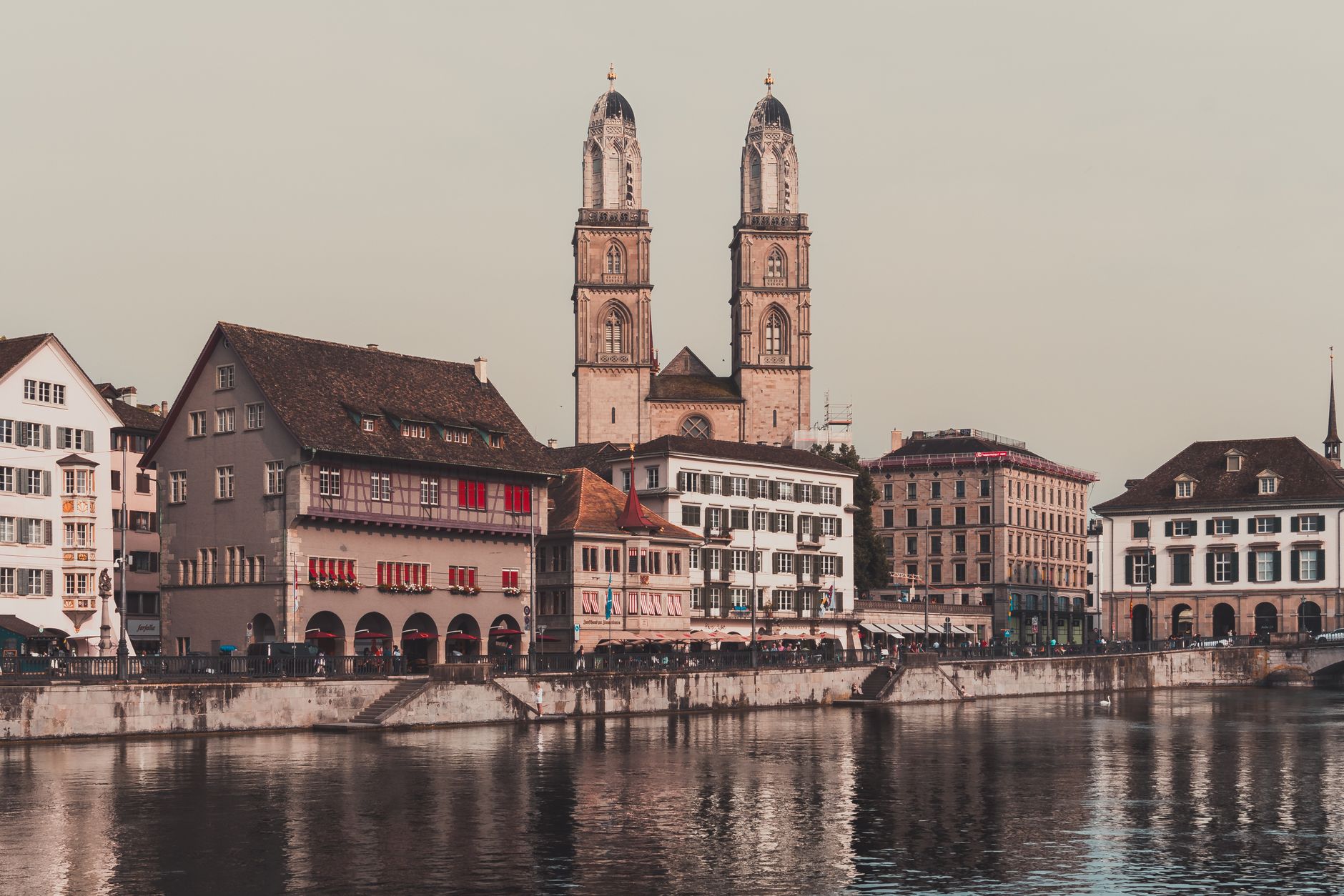
Zürich wears its contradictions lightly. One moment you’re standing on the Grossmünster’s terrace looking across rooftops that have barely changed since the Reformation; the next you’re in a converted brewery in Zürich-West watching experimental video art or listening to jazz spill out of the Schiffbau. The city has an almost obsessive respect for good design, from Le Corbusier’s last building (a glass-and-steel pavilion by the lake) to the stacked shipping containers of the Freitag tower. Yet it still runs on old rituals: the burning of the Böögg at Sechseläuten, queues at Sternen Grill for sausage and mustard, and the evening apéro with a glass of local wine by the water.

What ultimately changes how you see the city is realizing that the real attractions aren’t always the obvious ones. The most Zürich experience might be floating down the Limmat on a summer evening, walking the sunken Schanzengraben promenade below street level, or sitting quietly in the Grossmünster cloister that most tourists walk straight past. It’s a place that rewards the curious—those willing to collect a key from the Stadthaus to unlock an archaeological window in the Old Town or climb to the Waid viewpoint at sunrise.

Places to Visit

The Most Interesting Places in Zürich

Zürich Opera House

Zürich Opera House

Nestled in the vibrant heart of Switzerland’s largest city, the Zürich Opera House (Opernhaus Zürich) stands as a cultural beacon that seamlessly blends…

landscape

National Museum Zurich

The Musée national suisse, also known as the Swiss National Museum, is a cornerstone of Swiss cultural heritage located in Zurich.

Lindenhof

Lindenhof

Nestled in the heart of Zürich, Switzerland, Lindenhof is a site steeped in history and cultural significance.

landscape

Grossmünster

Welcome to the comprehensive guide to visiting the Grossmünster, one of Zürich's most iconic landmarks.

Eth Zurich

Eth Zurich

ETH Zurich, officially known as the Swiss Federal Institute of Technology Zurich, stands as a paragon of academic excellence and a celebrated cultural…

Albisrieden

Albisrieden

Albisrieden, a vibrant quarter nestled within Zürich’s District 9, offers a captivating blend of rich history, cultural heritage, and natural beauty, making…

landscape

Fifa Museum

The FIFA World Football Museum in Zürich, Switzerland, stands as a beacon for football enthusiasts and history buffs alike.

landscape

Uetliberg Aussichtsturm

Nestled within the picturesque Uetliberg mountain of Zürich, Switzerland, Reservoir Uetliberg stands as a testament to the city's innovation, foresight, and…

landscape

Migros Museum of Contemporary Art

Nestled in the heart of Zürich’s vibrant Löwenbräu-Areal art district, the Migros Museum of Contemporary Art stands as a beacon of innovation, accessibility,…

Preachers Church

Preachers Church

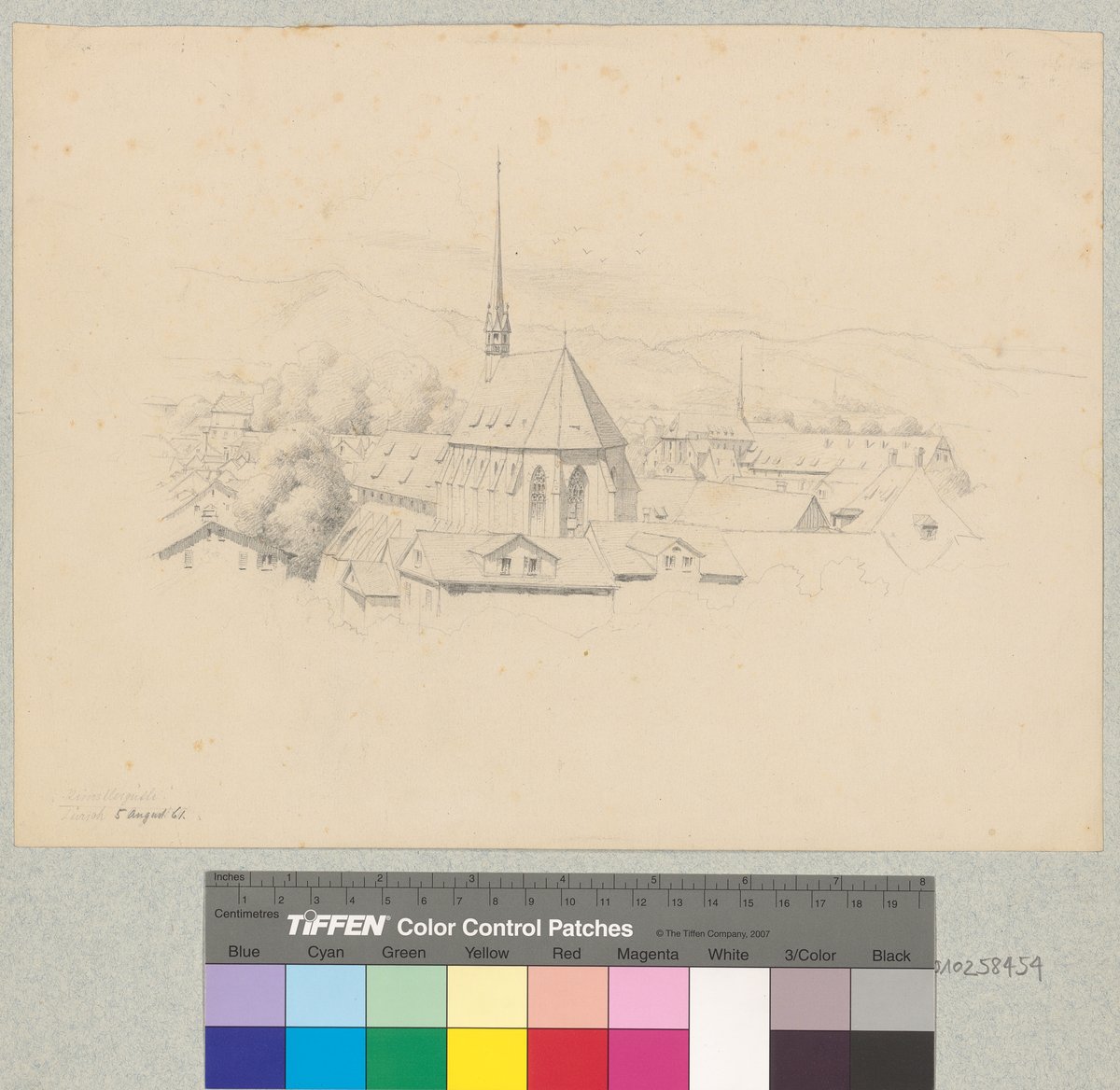
Nestled in the heart of Zürich’s historic old town, the Predigerkirche (Preachers Church) stands as a remarkable testament to centuries of religious,…

Museum Rietberg

Museum Rietberg

Villa Wesendonck, located in Zürich, Switzerland, is a captivating destination that seamlessly blends historical grandeur with cultural significance.

Moneymuseum

Moneymuseum

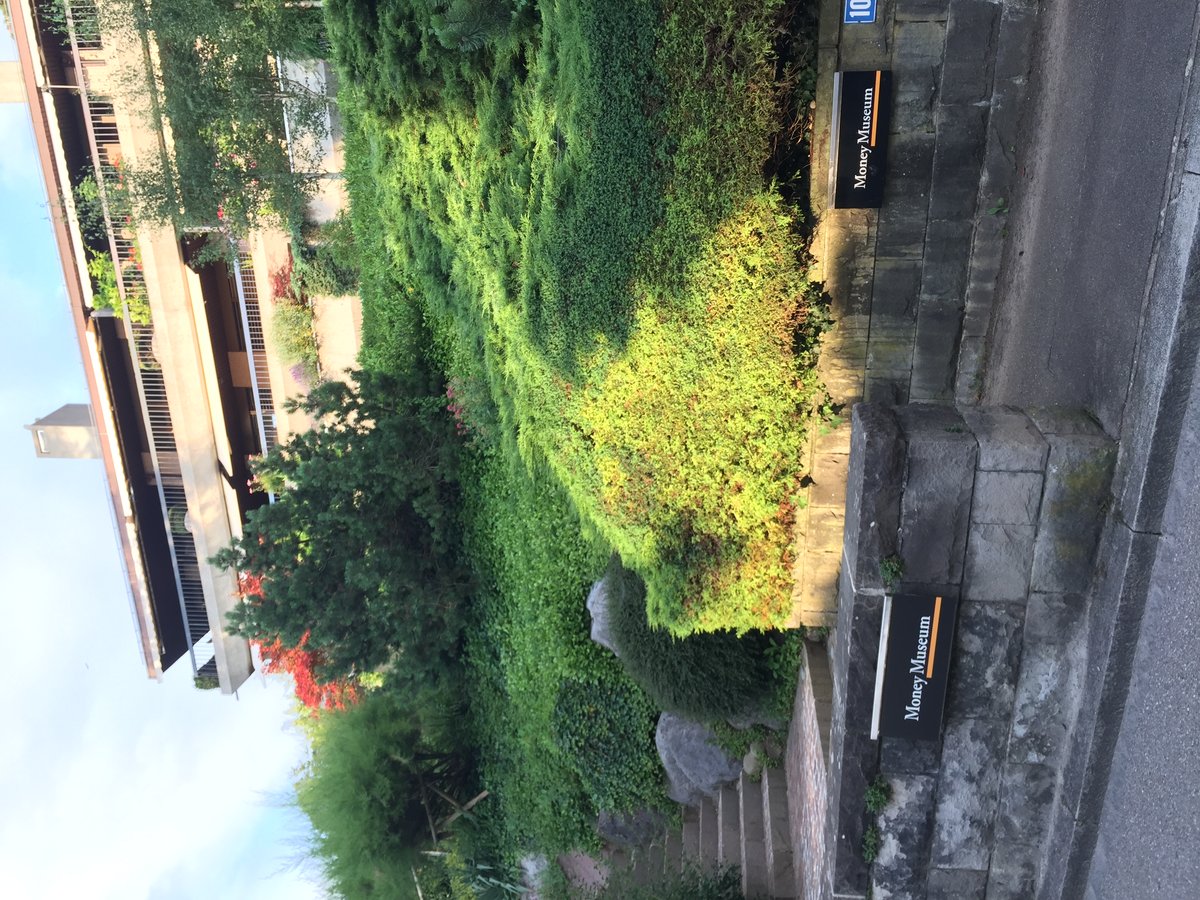
Nestled in the vibrant city of Zürich, Switzerland, the MoneyMuseum offers an unparalleled exploration into the multifaceted history, culture, and philosophy…

What Makes This City Special

Medieval Core & River Light

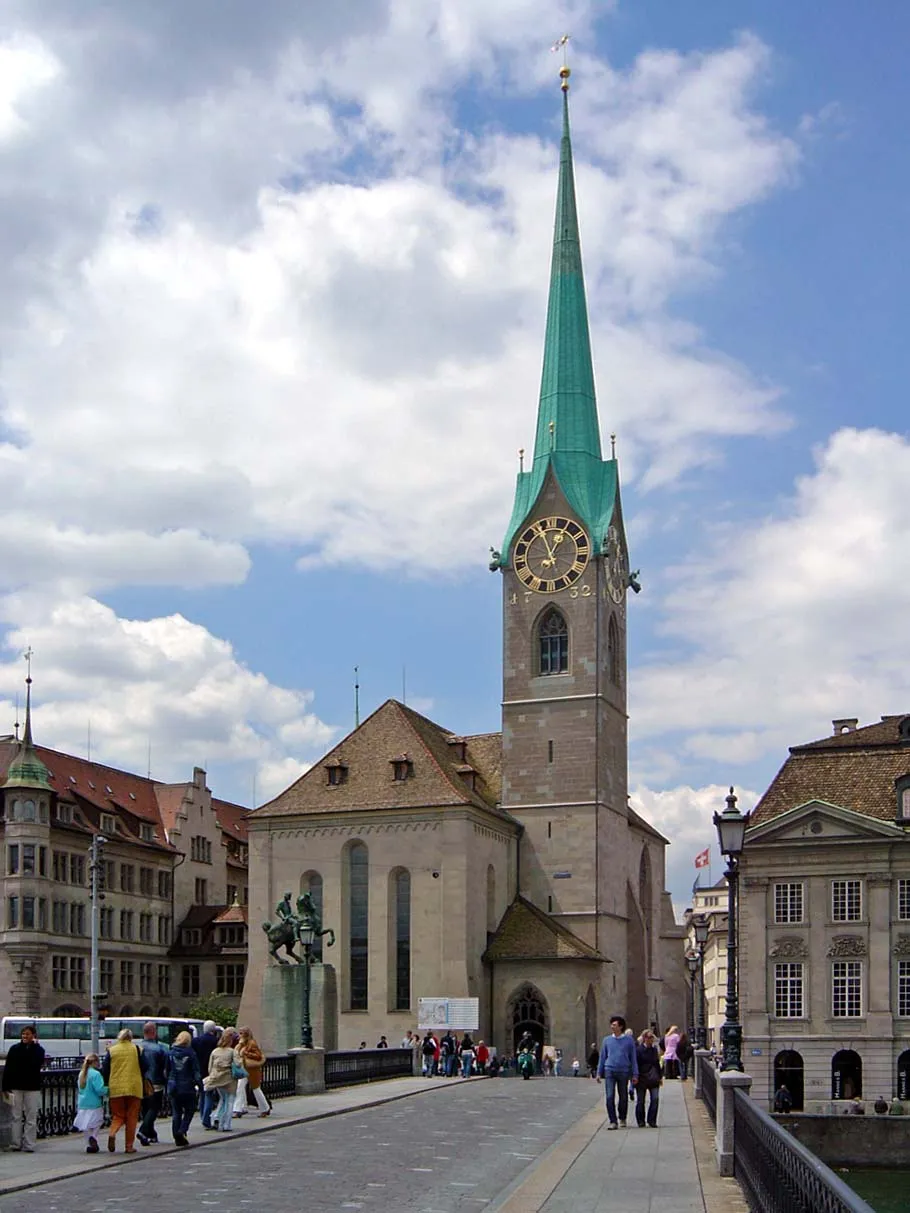
The Altstadt between Grossmünster and Fraumünster still carries the echo of guild houses and 800-year-old bells. Stand on the Lindenhof terrace at golden hour and watch the Limmat cut a silver path through the roofs; it’s the same view that has quietly anchored the city since Roman times.

Lake & River Bathing Culture

In summer Zürich turns its waterfront into a public lido system. Swim at Frauenbad Stadthausquai under its 1880s Art Nouveau roof, then drift down the Limmat at Oberer Letten with locals — one of the few cities where urban river bathing is both normal and sublime.

Serious Art Density

Kunsthaus Zürich’s Chipperfield wing holds one of Europe’s strongest collections of modern masters, while the Löwenbräukunst-Areal packs Kunsthalle, Migros Museum and Haus Konstruktiv into a former brewery. Even the police headquarters hides a Giacometti fresco hall most visitors never see.

Uetliberg & Instant Alps

A 15-minute train ride from the Hauptbahnhof drops you on Uetliberg, Zürich’s own mountain. On clear days the panorama stretches from the city and lake to the snow-covered Alps; in November it often rises above the lowland fog like an island in the sky.

Historical Timeline

From Lakeside Pile Dwellings to Global Financial Nerve Center

Zürich's restless journey through empire, faith, revolution, and money

castle
c. 4300 BCE

First Pile Dwellings Rise

On the marshy shores of what is now Kleiner Hafner, near today's Bellevueplatz, Neolithic families drove wooden piles into the lakebed and built their homes above the water. The air smelled of damp wood and smoke from open hearths. These settlements would be forgotten for millennia until archaeologists rediscovered them, revealing Zürich as one of Europe's oldest continuously inhabited places.

castle
c. 80 BCE

Celtic Oppidum on Lindenhof

The Helvetii established a fortified settlement on the strategic moraine hill of Lindenhof. From here they could watch both the Limmat River and the lake. A remarkable hoard of over 17,000 fused Celtic coins later found nearby suggests ritual offerings made in times of danger. The hill would remain the city's sacred and military heart for the next two thousand years.

castle
c. 200 CE

Romans Name Their Customs Post

A funerary inscription first records the name "Turicum" for the Roman harbor and customs station on the Limmat. Soldiers, merchants, and boatmen moved between baths at Weinplatz and the river crossing. The settlement was never a grand colonia, but its practical position made it indispensable. The name Zürich would evolve directly from these Latin syllables.

church
853

Louis the German Founds Fraumünster

Carolingian king Louis the German endowed a new abbey for his daughters Hildegard and Berta on the right bank of the Limmat. The foundation transformed Zürich from a fading Roman outpost into an important ecclesiastical and royal center. The abbey would shape the city's religious and political life for the next seven centuries.

gavel
1218

Zürich Becomes Imperial Free City

With the extinction of the Zähringer dukes, Zürich slipped the leash of local lords and became directly subject to the Holy Roman Emperor. The citizens promptly demolished the old Lindenhof palace that had symbolized outside control. A new spirit of urban self-confidence was born on the banks of the Limmat.

gavel
1336

Rudolf Brun's Guild Revolution

On a June night, Rudolf Brun and his guild allies seized power in a bloodless coup. They rewrote the constitution, splitting the council between the old patricians and the thirteen guilds. The event marked the birth of Zürich as a guild republic and ended knightly dominance within the city walls.

swords
1351

Zürich Joins the Swiss Confederacy

Seeking protection after repeated Austrian sieges, Zürich became the sixth member of the Old Swiss Confederacy. The decision was controversial and immediately triggered two years of war. Yet it anchored the city in a unique political experiment that would one day become modern Switzerland.

gavel
1489

Waldmann Executed on the Limmat

After popular revolt, former mayor Hans Waldmann was beheaded on the wooden bridge over the Limmat. The charismatic but corrupt leader had pushed the city's power too far into the countryside. His fall marked the limits of individual ambition within the guild republic.

person
1519

Zwingli Preaches at Grossmünster

A charismatic priest named Huldrych Zwingli mounted the pulpit of the Grossmünster and began preaching a radical new interpretation of Christianity. Within five years Zürich had abolished the mass, removed images from churches, and dissolved its monasteries. The city became the intellectual engine of the Swiss Reformation.

church
1524

The Affair of the Sausages

During Lent, printer Christoph Froschauer served smoked sausages to his workers in open defiance of Catholic fasting rules. Zwingli defended the act in a famous sermon. The seemingly trivial incident became the public declaration of Zürich's break with Rome. The city would never be the same.

person
1531

Zwingli Dies at Battle of Kappel

Zwingli was killed fighting Catholic forces at Kappel. His body was quartered and burned by the enemy. Though militarily defeated, his religious vision had already transformed Zürich into a rigorously Protestant city-state. The Second Peace of Kappel later established the principle of confessional coexistence in Switzerland.

castle
1698

Present Rathaus Completed

After decades of construction, the baroque city hall rose above the Limmatquai. Its elegant façade announced Zürich's confidence as a wealthy urban republic. The building still stands today as the most visible symbol of the city's early modern golden age.

gavel
1798

End of the Old City-State

French revolutionary armies marched into Zürich and abolished the ancient guild constitution. The subject territories were freed, and the proud city republic that had ruled its countryside for centuries suddenly became just another municipality. The old order died quietly in the shadow of Napoleon's Europe.

school
1833

University of Zürich Founded

The first university in Europe founded by a democratic state rather than a monarch or church opened its doors. From the beginning it admitted students regardless of religious confession. Zürich's transformation into a city of science and ideas had begun in earnest.

music_note
1849

Wagner Arrives in Exile

Fleeing political persecution after the Dresden uprising, Richard Wagner settled in Zürich. During the next nine years he wrote major parts of the Ring cycle and Tristan und Isolde, conducted concerts, and read his poems at the Baur au Lac hotel. The city became his creative refuge.

factory
1893

The Great Incorporation

On New Year's Day, eleven surrounding municipalities were merged into Zürich. The city's population instantly more than doubled. Medieval Zürich became Großstadt Zürich almost overnight, setting the stage for its emergence as Switzerland's undisputed economic capital.

palette
1916

Birth of Dada at Cabaret Voltaire

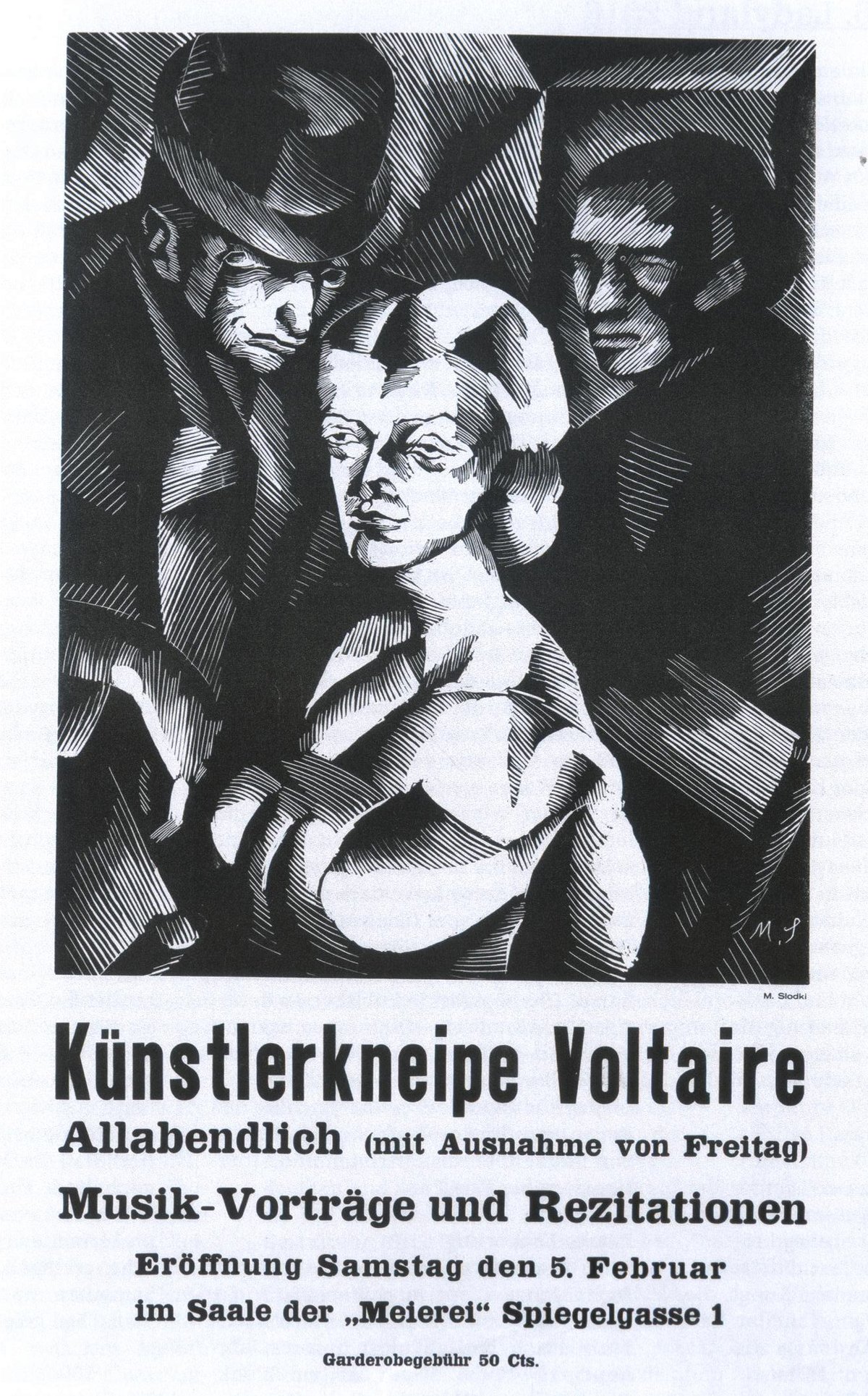
In the smoky backroom of a Zürich tavern on Spiegelgasse, Hugo Ball, Emmy Hennings, Tristan Tzara and their friends opened Cabaret Voltaire. While Europe tore itself apart in the trenches, they performed nonsense poetry, strange dances, and provocative art. Zürich's most famous cultural export was born in protest against the madness of war.

person
1916

Lenin in Spiegelgasse

Just across the street from the Dadaists at Spiegelgasse 14, Vladimir Lenin spent his days writing Imperialism, the Highest Stage of Capitalism in a modest apartment. The contrast between artistic chaos and revolutionary discipline was pure Zürich. In 1917 he left the city by train to change the world.

person
1941

James Joyce Buried at Fluntern

James Joyce died in Zürich on 13 January 1941 and was buried at Fluntern cemetery under a simple stone. The city that had sheltered him during the First World War gave him his final home. His grave remains one of the most visited literary sites in Switzerland.

flight
1990

Zürich S-Bahn Transforms the Region

The opening of Switzerland's most ambitious suburban rail network turned Zürich from a city into a genuine metropolitan region. Commuters from the Alps to the countryside suddenly flowed through the Hauptbahnhof. The quiet revolution completed what the 1893 incorporation had begun.

schedule
Present Day

Notable Figures

Albert Einstein

1879–1955 · Physicist
Lived in Zürich 1896–1900 and 1909–1911

Einstein arrived as a 17-year-old student at the Polytechnic and left having completely rewritten physics. He lived at six different addresses across the city while developing his early ideas on relativity. Today’s Zürich would fascinate him: the same tram routes he took now carry thousands of people who have no idea they’re riding the same lines that once carried the man rewriting the universe.

James Joyce

1882–1941 · Writer
Lived in Zürich 1915–1919 and 1940–1941

Joyce wrote much of Ulysses while living in Zürich during the First World War, wandering the same streets you can walk today. When he returned in 1940 as a refugee, the city gave him shelter again. He is buried at Fluntern Cemetery, where locals still leave bottles of wine on his grave. The city quietly shaped one of the 20th century’s most difficult masterpieces.

Max Frisch

1911–1991 · Writer and architect
Born and died in Zürich

Frisch grew up in Zürich, studied architecture here, and designed the Letzigraben swimming pool that locals still use. His plays premiered at the Schauspielhaus just around the corner from where he was born. The recent discovery of his 1930 school essay, published in 2026, reminds us that even Zürich’s most famous literary son was once just another local teenager trying to make sense of the city.

Huldrych Zwingli

1484–1531 · Reformer
Led the Reformation from Zürich

Zwingli arrived at Grossmünster in 1519 and turned Zürich into the center of the Swiss Reformation. He preached from the same pulpit you can still see today. The city’s famous sobriety and its complicated relationship with pleasure trace directly back to his sermons. Walking through the Old Town, you’re walking through the world he helped create.

Vladimir Lenin

1870–1924 · Revolutionary
Lived in exile in Zürich 1914–1917

Lenin spent his days reading in the Central Library and writing at Spiegelgasse 14, just down the street from where Dada was being born at Cabaret Voltaire. In 1917 he left Zürich by train to return to Russia and change the world. The city still has the strange feeling of a place where two revolutions — artistic and political — were happening at the same time on the same street.

Plan your visit

Practical guides for Zürich — pick the format that matches your trip.

Practical Information

flight

Getting There

Zürich Airport (ZRH) lies 10 km north of the centre. Direct S-Bahn trains (S2 or S16) reach Zürich HB every 10 minutes in 10–15 minutes for CHF 7; Tram 10 takes 30–35 minutes. Official taxis cost CHF 50–70 to the city centre. Zürich HB is the main rail hub with excellent connections across Switzerland and Europe.

directions_transit

Getting Around

Zürich has no metro but an exceptional tram network (lines 2, 3, 4, 5, 6, 7, 8, 9, 10, 11, 13, 14, 15, 17, 20) integrated with buses and S-Bahn under the ZVV system. The Zürich Card (24h CHF 29, 72h CHF 56) includes all transport, airport transfer and many museum entries. Bike infrastructure is expanding rapidly; Züri Velo and free Züri rollt rentals are available near the station.

thermostat

Climate & Best Time

Summers reach 24–30 °C with frequent afternoon thunderstorms; winters average 0 to 5 °C and can drop below −5 °C at night. May–June offers fresh green landscapes and fewer crowds, while September provides warm lake days with less rain. July–August is peak season for river bathing but also the wettest and busiest.

translate

Language & Currency

Swiss German is spoken on the street, but standard German appears on signs and English is widely understood in tourist areas, hotels and transport. The currency is the Swiss franc (CHF). Cards are accepted almost everywhere; tipping is not expected but rounding up the bill is common.

Where to Eat

local_dining

Don't Leave Without Trying

Zürcher Geschnetzeltes — thin sliced veal in cream sauce with mushrooms and white wine, served with rösti Fondue — melted cheese with bread, a Zürich winter staple Bratwurst — grilled sausage with mustard, the city's most iconic street bite Bircher muesli — oats, apple, and cream, invented in Zürich by Max Bircher-Benner Luxemburgerli — tiny macarons from Confiserie Sprüngli, Zürich's signature sweet Rösti — crispy potato pancake, often served as a side to main dishes Schnitzel — breaded and fried veal or pork cutlet Cordon bleu — breaded veal or pork stuffed with ham and cheese

Vohdin Urs

cafe
Bakery star 4.8 (41)

Order: Fresh-baked artisanal breads and pastries — this is where locals queue for their morning Gipfeli and sourdough.

A tiny, no-frills Old Town bakery with an exceptional 4.8 rating that proves Zürich's best breakfast stops are often the smallest ones. The craftsmanship here is serious, the crowds are real.

schedule

Opening Hours

Vohdin Urs

Tuesday–Wednesday 8:00 AM – 3:00 PM, Closed Monday
map Maps language Web

Café Miyuko

cafe
Bakery & Café €€ star 4.7 (745)

Order: Specialty pastries and coffee — this is a destination for Bircher muesli and refined morning treats in the heart of the Old Town.

With 745 reviews and a 4.7 rating, Miyuko has earned cult status among Zürich locals who know that the best breakfasts happen here, not at the tourist spots. The setting is intimate and the quality is obsessive.

schedule

Opening Hours

Café Miyuko

Wednesday–Friday 9:00 AM – 6:00 PM, Closed Monday–Tuesday
map Maps language Web

Äss-Bar Zürich

quick bite
Bakery star 4.7 (433)

Order: Artisanal breads, pastries, and sandwiches — a reliable spot for a quick, quality breakfast or lunch grab.

This is the kind of place that opens early (9 AM) and stays open all day, making it perfect for catching locals at their actual breakfast hour. The 4.7 rating across 433 reviews means consistency matters here.

schedule

Opening Hours

Äss-Bar Zürich

Monday–Wednesday 9:00 AM – 6:00 PM
map Maps language Web

Max Chocolatier

cafe
Bakery & Chocolaterie €€ star 4.7 (357)

Order: Handmade chocolates and pastries — this is where you go for edible gifts or a serious afternoon pastry indulgence.

A proper chocolaterie in the Old Town that treats chocolate with respect. The 4.7 rating from 357 reviews reflects the kind of quality that makes Zürich's sweet tooth legendary.

schedule

Opening Hours

Max Chocolatier

Monday 10:00 AM – 12:30 PM, 1:00 – 6:30 PM; Tuesday–Wednesday
map Maps language Web

Hotel Helmhaus

local favorite
Contemporary Swiss €€ star 4.7 (565)

Order: The restaurant offers a refined take on Swiss classics with a waterfront setting — ask for seasonal specials or the daily menu.

Perched on the Schifflände with views over the Limmat, this is where locals take visitors to show off Zürich's understated elegance. The 4.7 rating and 565 reviews confirm it's not just a pretty location.

schedule

Opening Hours

Hotel Helmhaus

Contact restaurant for current hours
map Maps language Web

Museum Rietberg Café

cafe
Café €€ star 4.7 (1827)

Order: Coffee and light lunch — the setting and art collection are the real draw here, so pair it with something simple and let the surroundings do the work.

This is a café inside a world-class art museum, which means you get 1,827 reviews from people who came for culture and stayed for the coffee. It's a Zürich ritual: museum, art, café.

schedule

Opening Hours

Museum Rietberg Café

Tuesday 10:00 AM – 5:00 PM; Wednesday
map Maps language Web

Kindli Hotel

local favorite
Traditional Swiss €€ star 4.7 (127)

Order: Classic Zürich dishes — this is the place for authentic Zürcher Geschnetzeltes or a proper fondue without the tourist markup.

A small, serious Old Town institution where locals actually eat. The 4.7 rating from 127 reviews (not thousands) signals this is a place for people who know Zürich, not a destination restaurant.

schedule

Opening Hours

Kindli Hotel

Contact restaurant for current hours
map Maps language Web

Hotel Glockenhof

quick bite
Bar & Brasserie €€ star 4.6 (1144)

Order: Classic bar fare and drinks — this is where you come for aperitifs and light bites, not a full meal.

Open 24 hours and centrally located, Glockenhof is where Zürich's night owls and day people overlap. The 4.6 rating across 1,144 reviews makes it reliably good at any hour.

schedule

Opening Hours

Hotel Glockenhof

Open 24 hours
Monday–Wednesday
map Maps language Web
info

Dining Tips

  • check Markets run early: Bürklimarkt and Helvetiaplatz operate Tuesday and Friday 6:00–11:00 AM — arrive early for the best produce and local cheese.
  • check Markthalle Im Viadukt (Limmatstrasse 231) is open Monday–Saturday 9:00 AM–8:00 PM and is the best indoor option for regional producers and take-away food.
  • check Breakfast culture is serious in Zürich — bakeries open early (8–9 AM) and locals eat before 10 AM; arrive early or miss the best pastries.
  • check Many Old Town restaurants close on Monday or Tuesday — check ahead, especially for smaller places.
  • check Fondue is a year-round tradition, not just winter; the classic spots (Le Dézaley, Swiss Chuchi) serve it every season.
  • check Sternen Grill at Bellevue is a cult stop for bratwurst — expect a queue at lunch and dinner, but it moves fast.
Food districts: Old Town (Altstadt) — dense cluster of bakeries, wine bars, and traditional restaurants within walking distance of each other Kreis 5 (Industriequartier/Zürich-West) — emerging neighborhood with casual, design-forward dining and street food culture Helvetiaplatz area (Kreis 4) — multicultural market and neighborhood dining scene Bellevue — iconic public square with street-food stands and casual eating spots like Sternen Grill

Restaurant data powered by Google

Tips for Visitors

train
Skip the Tram Crowds

Buy a Zürich Card for 24 or 72 hours; it covers all trams, buses, boats, and even the Polybahn and Uetliberg train. The real trick is using the free public bikes at the main station instead of waiting for trams during rush hour.

wb_sunny
Badi Bar Ritual

In summer, do as locals do: grab an apéro at Barfussbar or Frauenbad Stadthausquai after 8pm when the women’s bath turns into a barefoot bar. The light on the Limmat at that hour is unforgettable.

currency_exchange
Apéro Over Dinner

Most locals treat apéro as the main event. Order a glass of local wine with cheese and olives at a Kreis 4 bar instead of a full restaurant meal. You’ll save money and see far more real Zürich life.

hiking
Uetliberg Fog Hack

If the city is covered in November fog, take the S10 train up to Uetliberg. You’ll often rise above the clouds into bright sunshine with perfect views of the Alps.

restaurant
Sausage Strategy

Queue at Sternen Grill for a quick sausage and mustard rather than sitting down for Zürcher Geschnetzeltes at Kronenhalle on your first night. Save the white-tablecloth experience for when you’ve earned it.

volume_off
Respect Early Closures

Kitchens in Zürich close early. Plan dinner before 8pm or you’ll be eating at a late-night kebab stand. Many restaurants stop taking orders between 2pm and 6pm.

Explore the city with a personal guide in your pocket

Your Personal Curator, in Your Pocket.

Audio guides for 1,100+ cities across 96 countries. History, stories, and local insight — offline ready.

smartphone

Audiala App

Available on iOS & Android

download Download Now

Join 50k+ Curators

Frequently Asked

Is Zürich worth visiting? add

Yes, but only if you like cities that feel like villages with world-class culture. Zürich rewards slow wandering through medieval lanes, river swimming, and discovering that one of Europe’s wealthiest cities still has a rebellious, creative soul. The contrast between old guild houses and radical contemporary art is the real draw.

How many days do you need in Zürich? add

Three full days is the sweet spot. Day one for Altstadt and the lake, day two for Zürich-West and museums, day three for Uetliberg or a boat trip. Four days lets you experience the city’s rhythm instead of just ticking landmarks.

Is Zürich expensive to visit? add

Yes, it’s one of Europe’s pricier cities. A coffee costs CHF 6–8 and main courses often start at CHF 35. However, the Zürich Card, free fountain water, and choosing apéro over formal meals can keep daily costs manageable.

Is Zürich safe for tourists? add

Extremely safe by European standards. The biggest risk is pickpocketing around the station or during Street Parade. Even at night in Langstrasse you’re unlikely to encounter serious trouble, though it can feel gritty.

When is the best time to visit Zürich? add

Late spring (May–June) or early autumn (September) offer the best combination of pleasant weather and fewer crowds. Summer brings lake swimming and festivals but also higher prices and more tourists. Avoid November when the city can sit under fog for weeks.

Should I visit Zürich in winter? add

Only if you enjoy Christmas markets and the chance to toboggan on Uetliberg. The city becomes very atmospheric when snow falls on the old town, but many outdoor attractions close and days are short.

Sources

  • verified Official Zürich Tourism Website — Primary source for attractions, neighborhoods, events, and local recommendations across English, German, French, and Italian versions.
  • verified Stadt Zürich Official Portal — Used for historical context on figures like Einstein, Max Frisch, Johanna Spyri, and recent updates on parks and cultural events.
  • verified Zürich Research Notes 2026 — Internal research compilation covering food culture, hidden gems, museums, and seasonal events through 2026.

Last reviewed:

All Places to Visit

141 places to discover

Zürich Opera House

Zürich Opera House

photo_camera

National Museum Zurich

Lindenhof

Lindenhof

photo_camera

Grossmünster

Eth Zurich

Eth Zurich

Albisrieden

Albisrieden

photo_camera

Fifa Museum

photo_camera

Uetliberg Aussichtsturm

photo_camera

Migros Museum of Contemporary Art

Preachers Church

Preachers Church

Museum Rietberg

Museum Rietberg

Moneymuseum

Moneymuseum

photo_camera

Staatsarchiv Des Kantons Zürich

Theater Rigiblick

Theater Rigiblick

photo_camera

Zurich Tram Museum

North America Native Museum

North America Native Museum

photo_camera

Chinese Garden

Fluntern Cemetery

Fluntern Cemetery

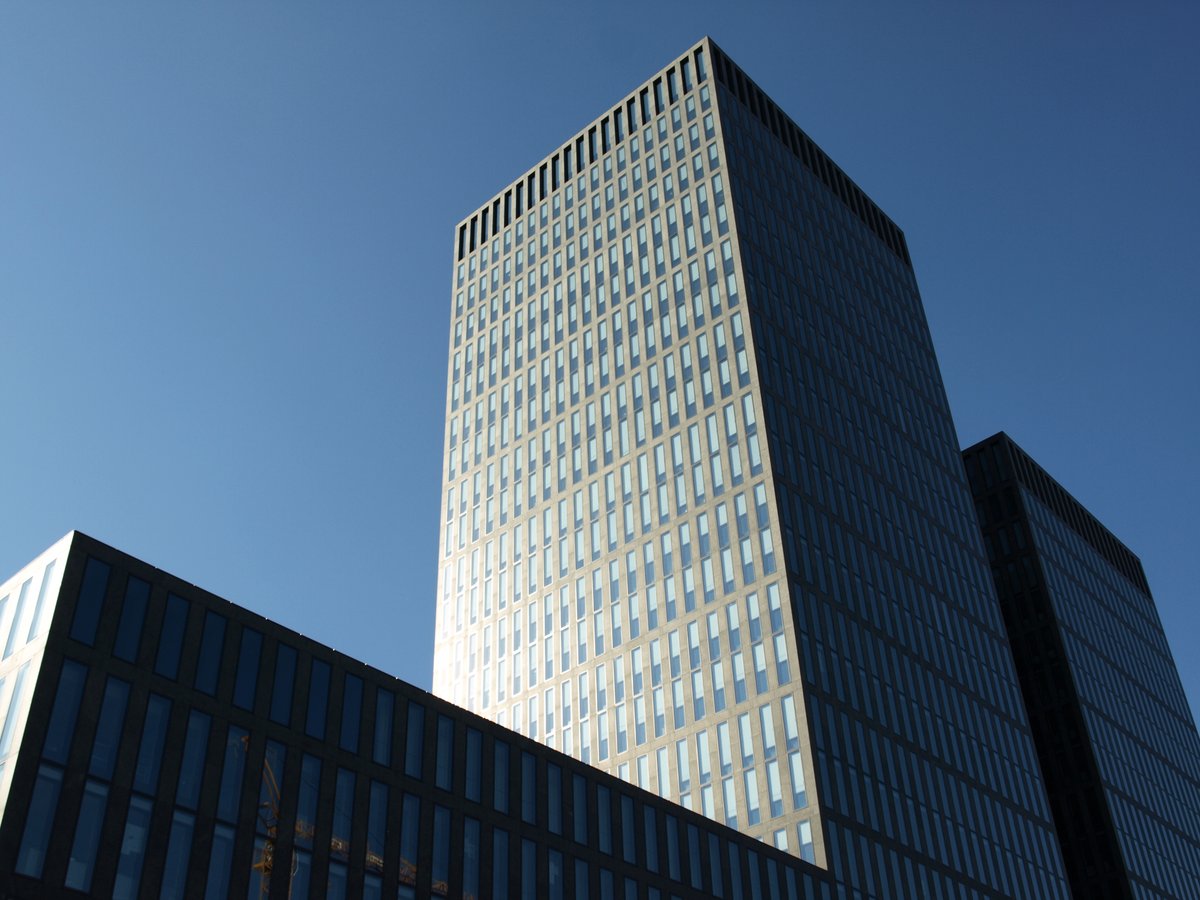
Sunrise Tower

Sunrise Tower

photo_camera

St. Peter

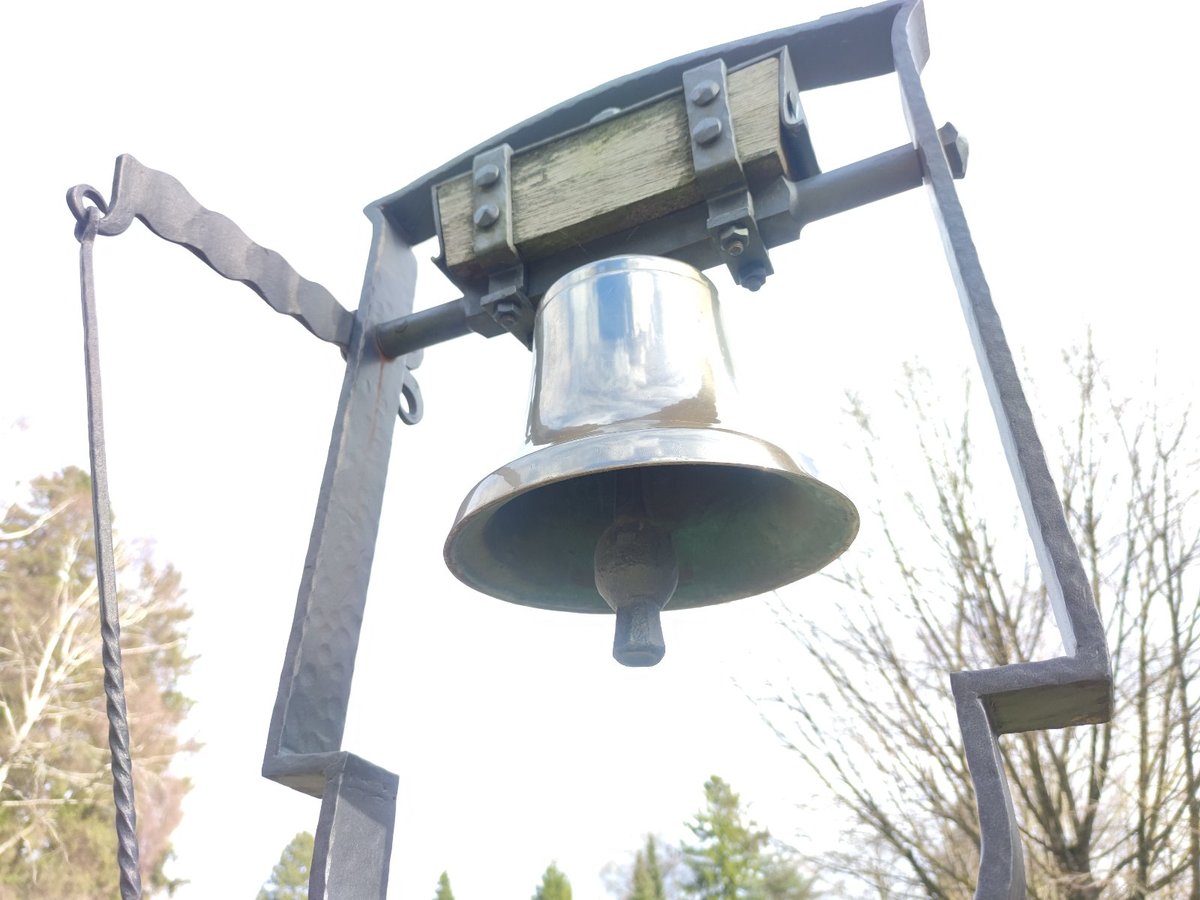
Grimmen Tower

Grimmen Tower

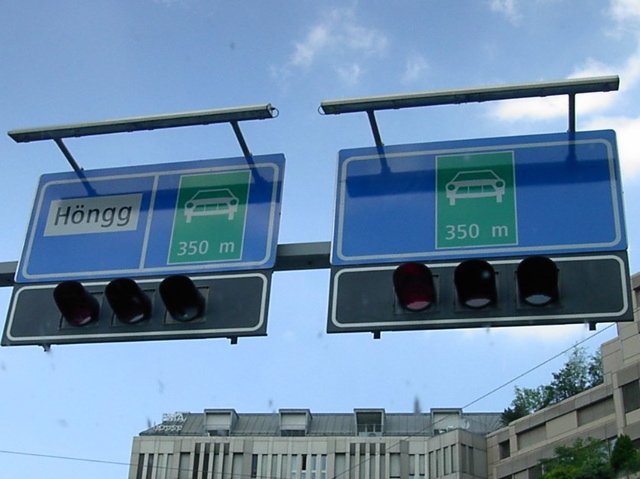
Höngg

Höngg

Uhrenmuseum Beyer

Uhrenmuseum Beyer

photo_camera

Platzspitz Park

Paradeplatz

Paradeplatz

Polybahn

Polybahn

photo_camera

Enzenbühl Cemetery

Cemetery Sihlfeld

Cemetery Sihlfeld

Old Botanical Garden, Zurich

Old Botanical Garden, Zurich

photo_camera

Zurich Wilderness Park

photo_camera

Kunstmuseum Winterthur

Manegg Castle

Manegg Castle

Zürich Hauptbahnhof

Zürich Hauptbahnhof

photo_camera

Max Frisch Archiv

photo_camera

Kunsthaus Zürich

Zentralbibliothek Zürich

Zentralbibliothek Zürich

Loorenkopf

Loorenkopf

photo_camera

Uster Castle

photo_camera

Zurich University of the Arts

Altberg Observation Tower

Altberg Observation Tower

Cabaret Voltaire

Cabaret Voltaire

Fraumünster star Top Rated

Fraumünster

photo_camera

Kreis 1

Foundation E.G. Bührle Collection

Foundation E.G. Bührle Collection

photo_camera

Rote Fabrik

photo_camera

Wasserkirche

photo_camera

Zürich Zoo

photo_camera

Pavillon Le Corbusier

Eth Library

Eth Library

Sechseläutenplatz

Sechseläutenplatz

Bürkliplatz

Bürkliplatz

Old Kantonsschule

Old Kantonsschule

photo_camera

Zürich Town Hall

Kunsthalle Zürich

Kunsthalle Zürich

Giacometti Hall

Giacometti Hall

photo_camera

Swiss Social Archives

Tonhalle

Tonhalle

photo_camera

District 9

University Hospital Zurich

University Hospital Zurich

photo_camera

Dolder Grand

Bellevue

Bellevue

photo_camera

Swiss Life Arena

Zunfthaus Zur Meisen

Zunfthaus Zur Meisen

Volkshaus

Volkshaus

photo_camera

Münsterbrücke

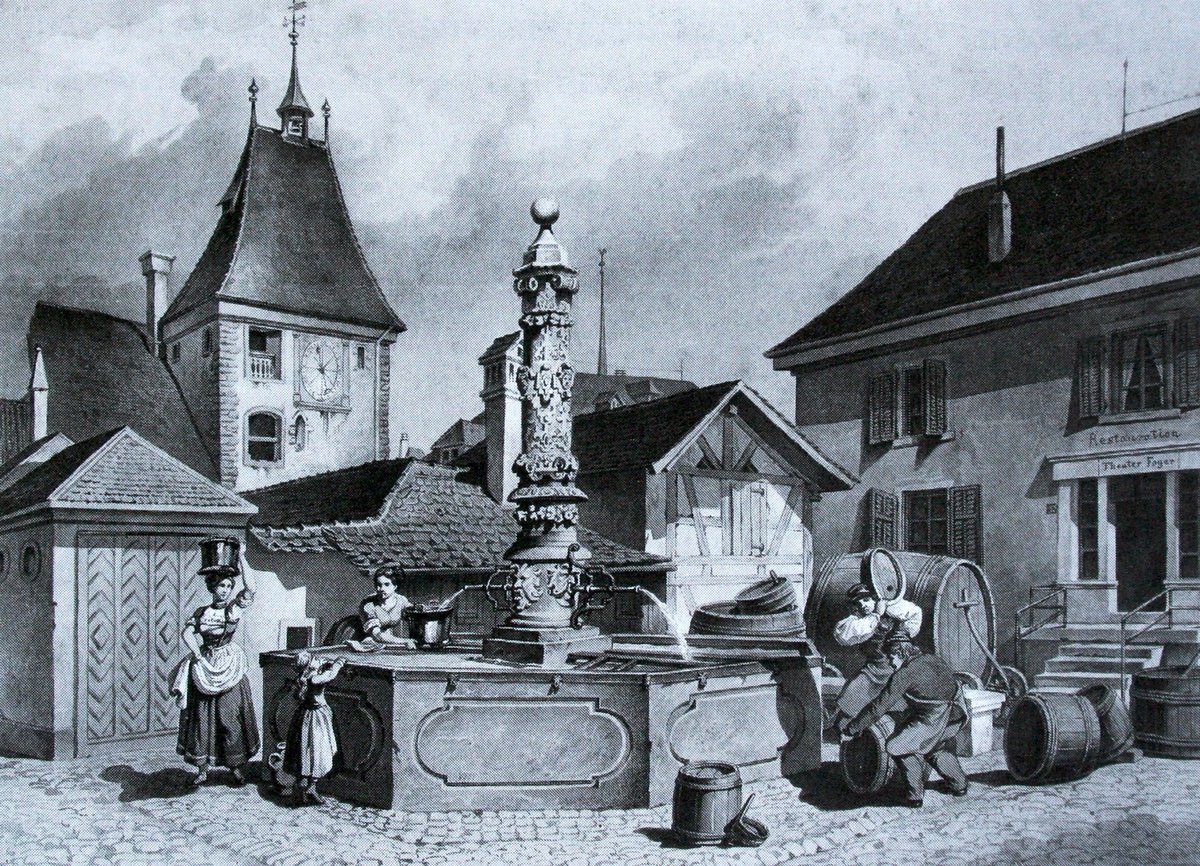
Münsterhof

Münsterhof

Rigiblick Funicular

Rigiblick Funicular

Rathausbrücke

Rathausbrücke

Central

Central

Hardbrücke

Hardbrücke

Zunfthaus Zum Rüden

Zunfthaus Zum Rüden

photo_camera

Zürich Stadelhofen Railway Station

Bahnhofbrücke Zürich

Bahnhofbrücke Zürich

Urania Sternwarte

Urania Sternwarte

Liebfrauenkirche

Liebfrauenkirche

Augustinerkirche Zürich

Augustinerkirche Zürich

Quaianlagen

Quaianlagen

Zunfthaus Zur Zimmerleuten

Zunfthaus Zur Zimmerleuten

Jugendkulturhaus Dynamo

Jugendkulturhaus Dynamo

Helvetiaplatz

Helvetiaplatz

Bauschänzli

Bauschänzli

Stauffacher

Stauffacher

Hardau Residential Complex

Hardau Residential Complex

Weinplatz

Weinplatz

Waisenhaus Zürich

Waisenhaus Zürich

Synagoge Zürich Löwenstrasse

Synagoge Zürich Löwenstrasse

Zunfthaus Zur Haue

Zunfthaus Zur Haue

photo_camera

Zunfthaus Zur Saffran

Alte Kirche Höngg

Alte Kirche Höngg

photo_camera

Zürich–Enge Alpenquai

Grosser Hafner

Grosser Hafner

Strandbad Tiefenbrunnen

Strandbad Tiefenbrunnen

Frauenbad Stadthausquai

Frauenbad Stadthausquai

photo_camera

Haus Konstruktiv

Ganymede

Ganymede

photo_camera

Archives of Contemporary History

Preachers Monastery

Preachers Monastery

Ethnographic Museum of the University of Zurich

Ethnographic Museum of the University of Zurich

Kongresshaus Zurich

Kongresshaus Zurich

photo_camera

Phonogram Archives of the University of Zurich

Showing 100 of 141