What the Dienstgebäude is
Zürich, Switzerland, is known for its financial leadership, alpine scenery, and industrial heritage. The city’s Dienstgebäude—“service buildings”—reflect its transformation during the Industrial Revolution and its later approach to adaptive urban renewal. Originally built to support industry, these structures now include cultural venues, workspaces, lofts, and other contemporary uses.
The Dienstgebäude at Langstrasse 175 is in Kreis 5, part of the vibrant Zürich-West (District 5) area. The buildings and their changing uses illustrate how Zürich blends historical architecture with contemporary functions and sustainable design. For additional context, see Zürich’s official tourism website, ArchDaily’s architecture guide, and the Open House Zürich initiative.
History
Industrialization and the Dienstgebäude
Zürich’s rise as an industrial center began in the late 18th and 19th centuries, as the city developed from a medieval trading center into a hub for machine-driven manufacturing. The introduction of hydraulic power in textile mills from 1814 and the founding of engineering company Escher, Wyss & Co. in 1805 were pivotal developments (history-switzerland.geschichte-schweiz.ch). Districts such as Zürich-West became associated with industrial innovation, and Dienstgebäude formed part of this transformation.
Designed for administrative and logistical support, these service buildings typically used durable brick, stone, and iron. Their large, open interiors, natural light, and flexible layouts suited industrial work and later conversions into cultural venues, workspaces, and lofts (wanderwego.com).
The buildings helped anchor industrial districts and foster community identity, and remain symbols of Zürich’s economic development and reinvention (swisstours.com). City-led and private restoration programs support the preservation of this heritage. Redeveloped industrial buildings now host museums, theaters, galleries, and creative enterprises; one example is the Schiffbau shipbuilding hall, transformed into a theater space (swisstours.com).
What to see
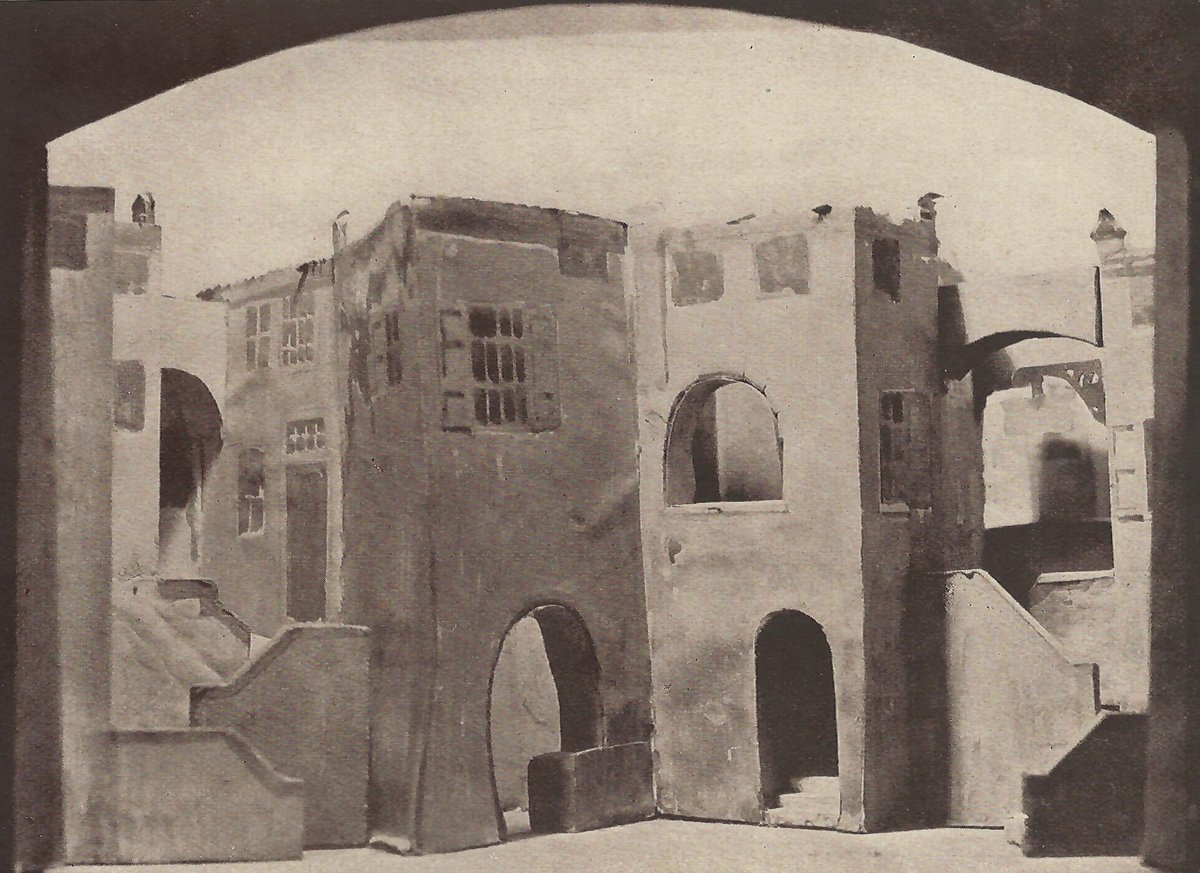
Dienstgebäude architecture often features robust, minimalist exteriors, large windows, high ceilings, and flexible interiors adapted for cultural and community use.
In District 5, the former industrial and railway neighborhood has become a center for culture, design, and nightlife (Time Out). Its attractions include:
- Viadukt Arches A historic railway bridge now used for shops and restaurants.
- Löwenbräukunst-Areal A former brewery turned contemporary art complex.
- Prime Tower Zürich’s tallest skyscraper, with an observation deck open on weekdays.
- Freitag Tower A shop made from stacked shipping containers.
- Josefwiese and MFO-Park Green spaces used for recreation.
- Schiffbau A theater venue in a former shipbuilding hall.
- Kunsthalle Zürich An art space.
- Museum für Gestaltung A design museum.
Practical visiting information
Opening hours and admission
Opening arrangements depend on the venue. Most repurposed Dienstgebäude venues in Zürich-West—including galleries, restaurants, and cultural spaces—are typically open daily from 10:00 AM to 8:00 PM. Entry to public spaces and eateries is usually free; museum and exhibition tickets range from CHF 10–20. Confirm current hours and prices with individual venues.
For the Dienstgebäude at Langstrasse 175, public access is generally limited to special events, exhibitions, or guided tours, typically from 10:00 to 18:00. Most events are free or low-cost; check organizer websites for updates (AF-Z).
Location, access, and facilities
The Dienstgebäude at Langstrasse 175 (Kreis 5) is near Zürich Hauptbahnhof and can be reached by tram, bus, or bike (OOS AG). Many sites offer barrier-free access and strong public transport connections, particularly via tram lines 4, 8, and 17. The Langstrasse redevelopment is described as fully barrier-free.
Its visitor facilities include ground-floor shops and eateries, pedestrian-friendly zones, and public plazas. The redevelopment prioritizes preserving existing structures, energy-efficient systems, and universal accessibility.
Tours and events
Guided tours focused on Zürich’s industrial heritage are available and provide an in-depth way to explore the area. They often require advance booking and may be included with the Zürich Card, which also offers transport and attraction discounts.
Open House Zürich is an annual event that opens architectural sites to the public (Open House Zürich). Local institutions also organize architecture exhibitions (AF-Z).
Tips
- Best season Summer is suited to outdoor events and riverside activities.
- Transport The Zürich Card can be used for public transport and attraction discounts. For the Langstrasse site, it is also useful for unlimited transit and discounts (Destination Abroad).
- Languages German is the official language; English is widely spoken.
- Safety Zürich is very safe; observe standard urban etiquette.
- Planning Check current event schedules and opening hours before visiting, and consider exploring nearby District 5 attractions.
- Guided tours and updates The Audiala app is listed as a resource for guided tours and updates.
Nearby places
District 5 has a lively, youthful atmosphere, with frequent festivals and markets (Mindful PNW Travels). Its dining options range from urban gardens to gourmet bistros (Travel Hotel Expert).
Getting around the district:
- Trams Lines 4, 8, and 10 connect District 5 to central Zürich.
- S-Bahn Hardbrücke station is a major hub.
- Buses and bikes Multiple routes and rental options are available.
Other nearby places include:
- Zürich Hauptbahnhof The main train station.
- Viadukt Market A shopping and food destination.
- Kunsthaus Zürich and the Swiss National Museum Major cultural venues (Wanderlog).
- Accommodation Options range from hotels to serviced apartments (HikersBay.
Further resources include OOS AG’s project page, Architekturforum Zürich, and Zürich.com’s culture and design section.