Military Origins and Transformation
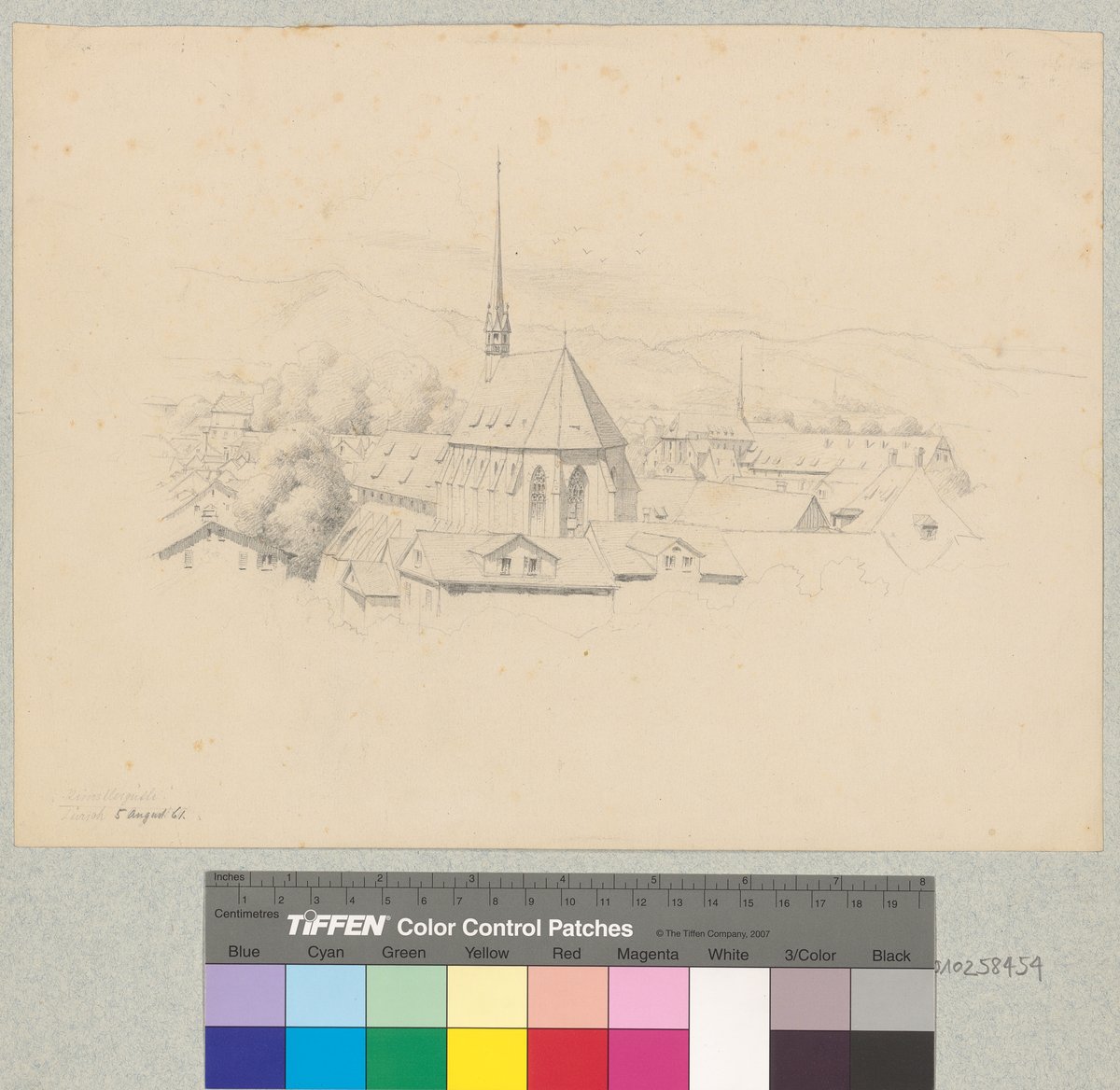
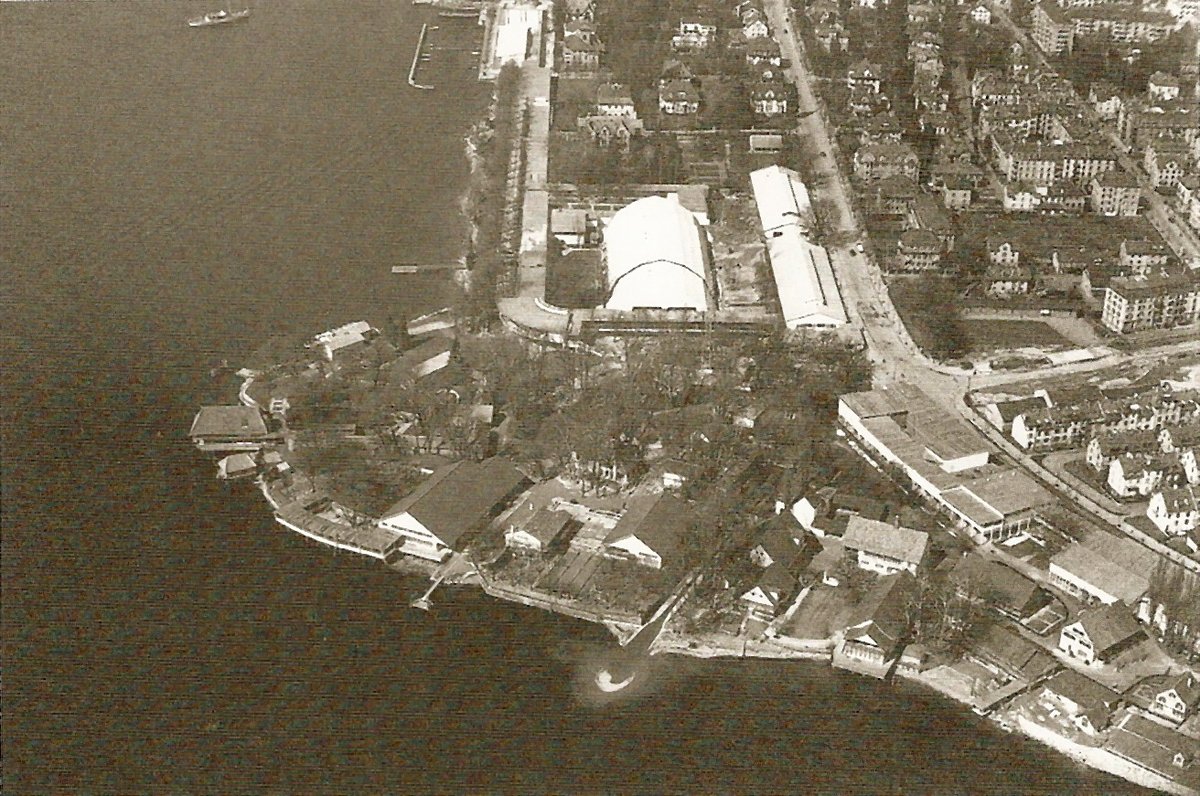
The Old Botanical Garden occupies a hill that once formed part of Zurich’s Baroque city defenses. The Katz bulwark (1648–1664) featured thick stone walls and underground casemates, serving as a strategic vantage point for city defenders (hellozurich.ch). Visible remnants of these fortifications can be seen along the Schanzengrabenpromenade, connecting the garden's landscape to Zurich’s martial past.
With the decline of military threats, the bulwark was gradually dismantled from 1835, making way for a new purpose. In 1833, alongside the founding of the University of Zurich, the site was transformed into a botanical garden under the guidance of Johannes Gessner and the Zurich Natural Science Society (uzhfoundation.ch). This transformation mirrored a wider European movement of turning military structures into public green spaces (myswitzerland.com).
Architectural and Botanical Highlights
The Palm House (Palmenhaus)
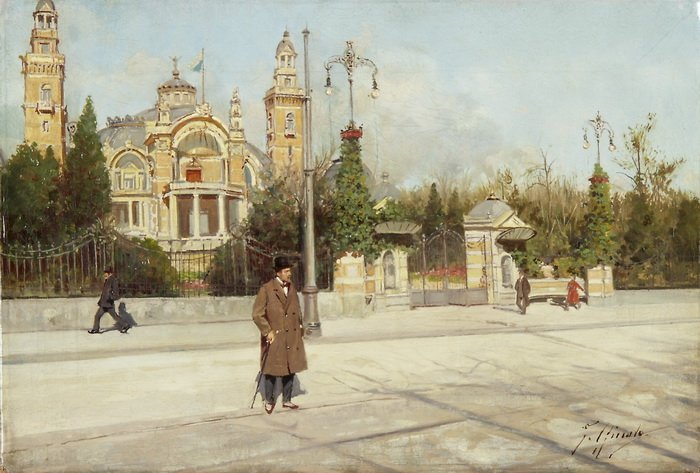
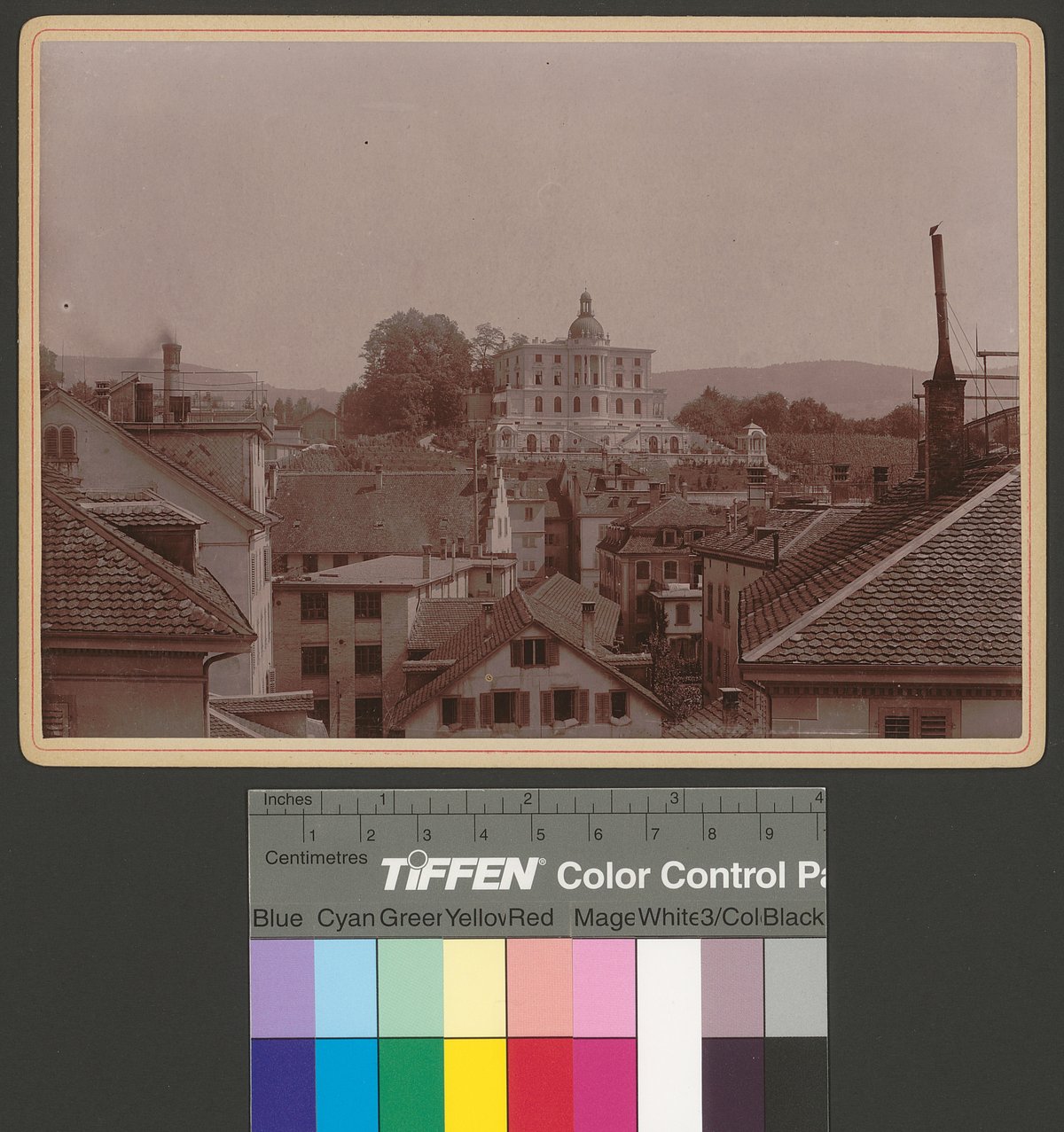
A centerpiece of the garden, the octagonal Palm House was inaugurated in 1851 and reinforced with a cast-iron frame in 1877 (bg.uzh.ch; Wikipedia). Originally home to exotic plant collections, it now serves as a protected monument and vibrant cultural venue for concerts, theater, and exhibitions. Note: The Palm House is open from May to September and closed in the colder months (bg.uzh.ch).
Gessner Garden (Gessner-Garten)
At the highest point of the grounds, the Gessner Garden pays tribute to Conrad Gessner (1516–1565), a pivotal figure in natural science (bg.uzh.ch). This medieval-style herb garden features over 50 medicinal plants, with informative signage on their historical uses, providing a living lesson in Zurich’s scientific and botanical heritage (zuerich.com).
Arboretum and Historic Trees
Mature trees, some planted in the 19th century, create a lush canopy and tranquil setting. The arboretum, while compact, offers a diverse range of species, contributing to the garden’s timeless atmosphere and making it a favorite spot for leisurely strolls (triphobo.com).
Ethnological Museum (Völkerkundemuseum)
Located within the garden, the University of Zurich’s Ethnological Museum (Völkerkundemuseum) features rotating exhibitions on global cultures (lovinswitzerland.com). Entry is free, though the museum is closed on Mondays.
Remnants of Baroque Fortifications
The garden’s raised topography and Schanzengraben moat are direct legacies of the Katz bulwark, offering visitors a tangible link to Zurich’s military history (Wikipedia).
The Garden’s Academic and Public Role
From 1833 to 1976, the Old Botanical Garden served as the University of Zurich’s main center for botanical study and research (uzhfoundation.ch). After the main collections moved to a new site in Riesbach in 1977, the garden transitioned into a beloved public park, maintaining its educational mission through guided tours, workshops, and cultural events (bg.uzh.ch).
Visiting Hours and Ticket Information
- April to September 7:00 AM – 7:00 PM
- October to March 8:00 AM – 6:00 PM
- Admission Free; no tickets required
- Palm House Open May–September (closed October–April)
- Guided Tours Available with advance booking (bg.uzh.ch)
- Pets Dogs are not permitted, except guide dogs
- Accessibility Wheelchair-accessible paths; see bg.uzh.ch for details.
Some areas may be temporarily restricted due to renovations until late 2025.
Unique Visitor Experiences
- Guided Tours Delve into the garden’s history, architecture, and plant collections.
- Cultural Events Attend concerts, theater, and exhibitions—especially during the Palm House season.
- Art Installations Contemporary art is featured during events like the Design Biennale Zürich (zuerich.com).
- Themed Walking Trails Explore medicinal, alpine, and rare plant collections through educational signage.
- Photography Capture the Palm House, Gessner Garden, and historic trees—especially stunning in spring and autumn.
- Relaxation Enjoy tranquil lawns, meadows, benches, and a peaceful pond.
Preservation and Contemporary Significance
The Old Botanical Garden is a protected historic site managed by the Pro Katz Foundation (uzhfoundation.ch). Its mission includes maintaining biodiversity, preserving heritage plant varieties, and promoting environmental education. The garden remains a vital green lung in Zurich and a democratic space for learning and leisure.
Key Historical Milestones
- 1648–1664 Construction of Katz bulwark
- 1675 Addition of underground casemates
- 1833 Founding of University of Zurich; garden opens
- 1837 Initial garden layout completed
- 1851 Palm House inaugurated
- 1877 Palm House reinforced with cast iron
- 1976 Last year as university botanical garden
- 1977 Collections move to Riesbach; garden becomes public park
Practical Visitor Information
- Location Talstrasse 71, 8001 Zürich; near Selnau railway station and tram/bus stops.
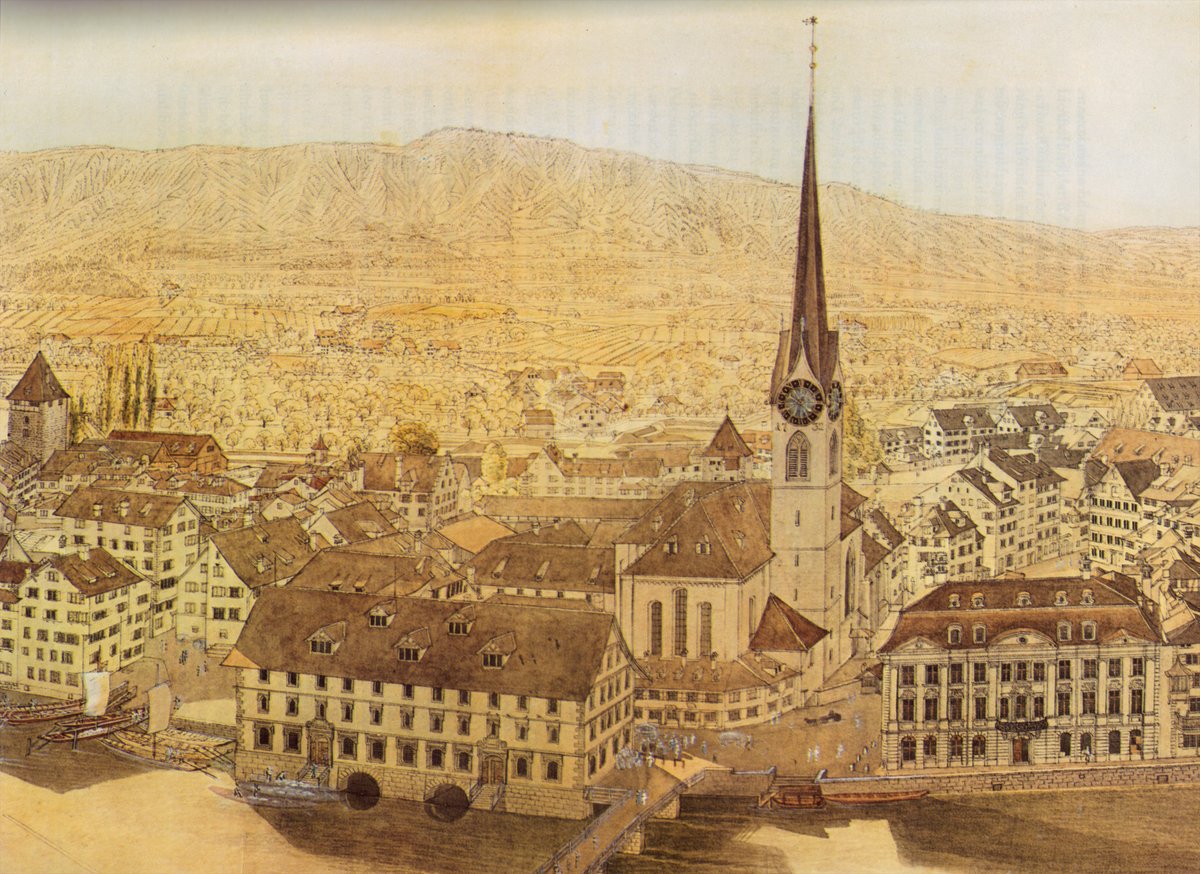
- Nearby attractions Fraumünster Church, Kunsthaus Zurich, Swiss National Museum, Limmat River promenade.
- Cafés/Restaurants No café on-site, but many nearby, including Stripped Pizza and Hiltl Pflanzbar (zuerich.com).
- Accessibility Step-free paths and clear signage; suitable for wheelchairs and strollers (bg.uzh.ch).
- Best Time to Visit Spring and summer for lush blooms and events; autumn for colorful foliage; winter for quiet reflection.
Frequently Asked Questions (FAQ)
Q: Is there an admission fee or tickets required?
A: No, entry is free for all visitors.
Q: What are the opening hours?
A: April–September: 7:00–19:00; October–March: 8:00–18:00.
Q: Are guided tours available?
A: Yes, by prior arrangement via the University of Zurich Botanical Garden (bg.uzh.ch).
Q: Can I visit the Palm House?
A: Yes, from May to September. It is closed in winter.
Q: Are dogs allowed?
A: No, except for guide dogs.
Q: Is the garden wheelchair accessible?
A: Most paths are accessible; see official site for details.
Q: How do I get there by public transport?
A: Walk from Zürich HB (main station) or use trams/buses to nearby stops.
Summary
The Old Botanical Garden Zurich is a harmonious fusion of historical legacy, botanical diversity, and community vitality. Its journey from Baroque fortification to a hub for science and public recreation mirrors Zurich’s spirit of renewal and openness. With free entry, robust educational programming, and a setting that balances tranquility with cultural energy, the garden is a must-visit destination for nature lovers, history enthusiasts, and anyone seeking a peaceful retreat in central Zurich. Enhance your experience with the Audiala app, which provides interactive maps and guided tours of Zurich’s top historical sites (uzhfoundation.ch; whichmuseum.com).