
Medieval Foundations
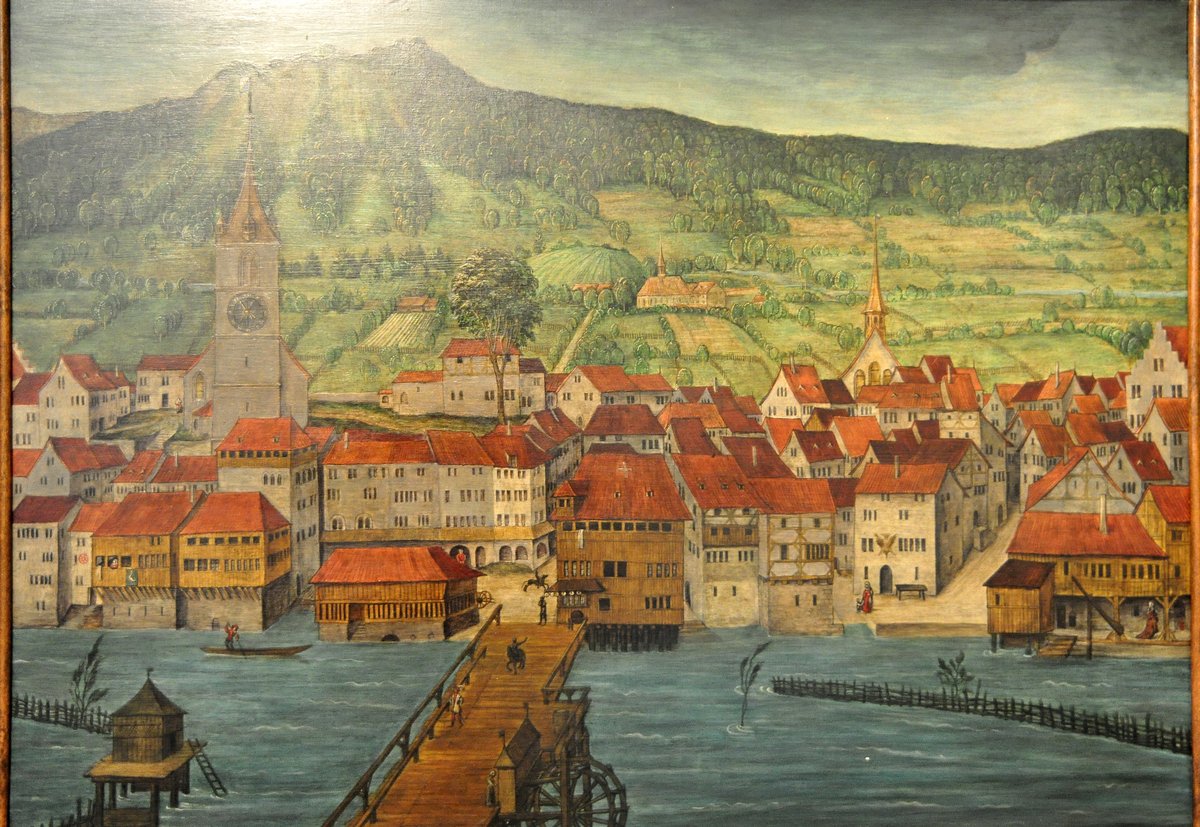
Founded in 1270 by the Augustinian friars, the Augustinerkirche emerged during a period of rapid urban and religious growth in Zürich. The Augustinians, renowned for their commitment to education and pastoral care, established the church as both a spiritual center and a hub of community engagement (Ship of Fools). The original Gothic structure featured a simple nave, pointed arches, and modest ornamentation, characteristic of mendicant architecture. Integrated into Zürich’s city walls, the church also contributed to the city’s medieval fortifications (wikipedia.org).
The Reformation and Secularization
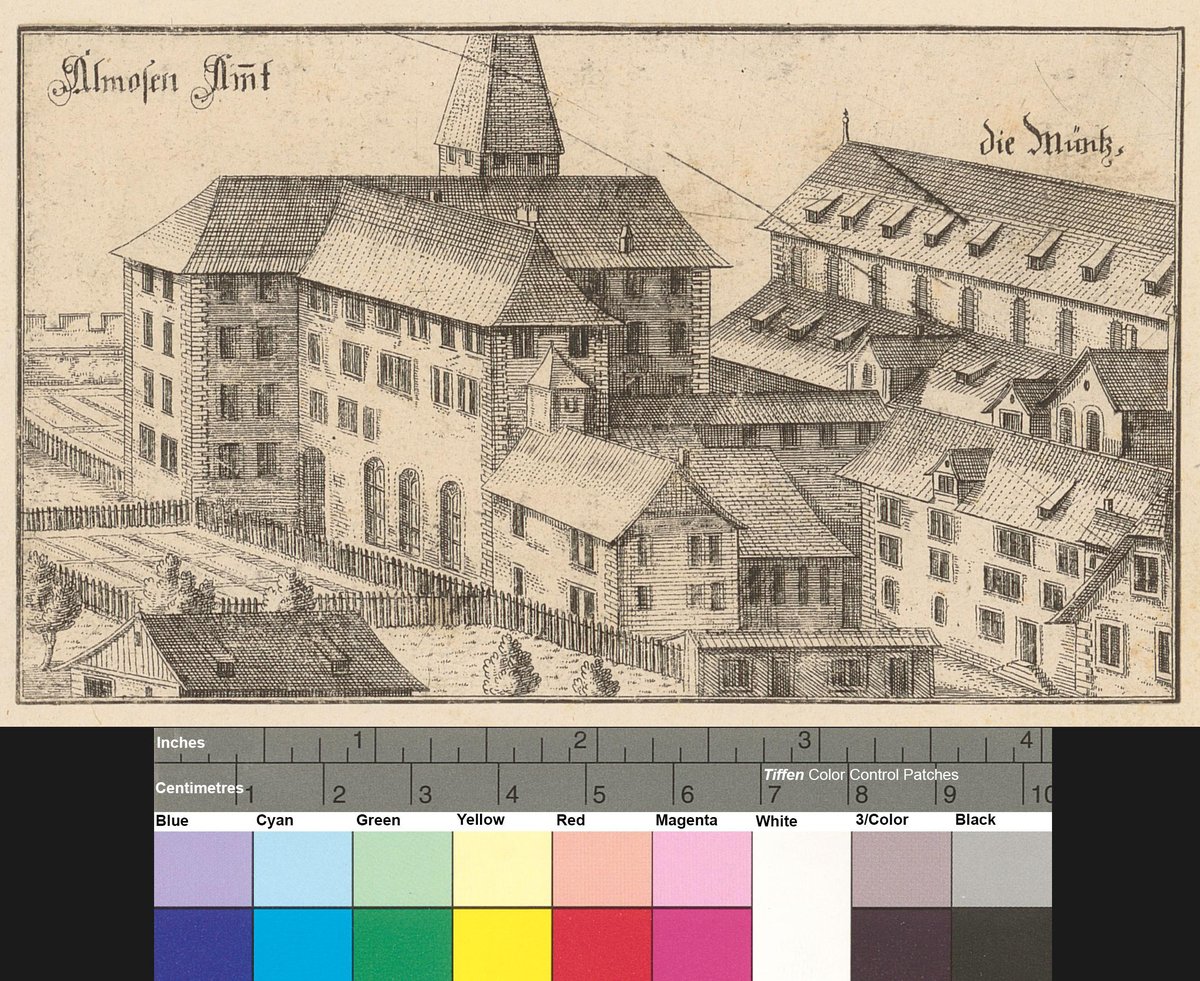
The 16th-century Swiss Reformation, led by Huldrych Zwingli, brought transformative changes to Zürich’s religious landscape. The city’s monastic institutions, including the Augustinians, were dissolved as their properties were repurposed for civic use (Ship of Fools). The Augustinerkirche itself was secularized and adapted for various functions, including as a mint and storehouse, echoing the broader trend of repurposing ecclesiastical buildings in Reformation-era Zürich (SRF Sternstunde Religion).
19th-Century Restoration
In the mid-19th century, a renewed appreciation for historical architecture led to a comprehensive restoration of the church. Architect Ferdinand Stadler, known for his ecclesiastical projects, oversaw the 1843–44 Gothic Revival reconstruction (Ship of Fools). His work carefully balanced the preservation of medieval elements with contemporary liturgical needs, introducing neo-Gothic features while honoring the church’s origins.
Modern Christian Catholic Identity
The Augustinerkirche’s role shifted again in 1873, when the parish aligned with the Christian Catholic Church of Switzerland—a denomination that emerged from the Old Catholic movement in response to the First Vatican Council’s doctrine of papal infallibility (Ship of Fools). Today, the church is a hub for Zürich’s Christian Catholic community, known for its commitment to progressive values, inclusivity, and active engagement in city life (SRF Sternstunde Religion).
Architectural and Artistic Features
The Augustinerkirche is a palimpsest of architectural styles:
- Exterior The façade and structure display a blend of Romanesque and Gothic elements, with remnants of the original 13th-century construction visible alongside later additions (wikipedia.org).
- Nave and Choir Stadler’s 19th-century restoration introduced a restrained Gothic Revival style, preserving the church’s medieval simplicity (zuerich.com).
- Stained Glass Modern stained glass windows by August Wanner, installed in 1965, bathe the interior in vibrant colors, creating a mystical atmosphere (inzh.ch).
- Artworks The church features a dramatic rood, an imposing pulpit, a stone altar, and a baptismal font by Franz Fischer, blending historical and contemporary liturgical elements.
- Organ The pipe organ, installed by Orgelbau Th. Kuhn AG in 1959, supports both worship and the church’s rich concert tradition.
Visiting Information
Hours and Admission
- Daily Opening 10:00 a.m. – 7:00 p.m. (christkath-zuerich.ch)
- Services Eucharist and special liturgies typically on Sundays and feast days at 10:00 a.m. (christkath-zuerich.ch)
- Admission Free; no tickets required. Donations are appreciated (evendo.com).
Accessibility
The church is accessible to visitors with limited mobility, though some historic features may present challenges. Restrooms are available in the adjacent parish house (christkath-zuerich.ch). For special needs, contact the parish in advance.
Getting There
- Address Münzplatz 3, 8001 Zürich, in the Lindenhof district (zuerich.com).
- Tram Lines 4 or 15 to 'Helmhaus'; a short walk to the church.
- Bus Line 33 to 'Rathaus'; follow signs to Münzplatz.
- On Foot Easily reached from Zürich Hauptbahnhof and Bahnhofstrasse; ideal for self-guided walking tours (teachertrekker.com).
Visitor Facilities
- Photography Allowed discreetly outside service times.
- Guided Tours No regular tours, but printed materials and information panels are on-site (evendo.com).
- Language Most signage is in German; staff often speak English.
Community Life and Notable Events
Augustinerkirche is not only a historical monument but a living center of worship and culture:
- Regular Services Sunday Eucharist, special inclusive services such as the annual Pride Service, and ecumenical celebrations (christkath-zuerich.ch).
- Cultural Events The church hosts a variety of concerts, workshops, and community gatherings.
- Quiet Reflection Visitors are welcome to light candles or write in the prayer book in a tranquil atmosphere.
- Inclusivity The parish is noted for its progressive stance and welcoming environment. Both men and women serve as clergy and lay leaders (SRF Sternstunde Religion).
FAQs
Q: What are the visiting hours?
A: Daily from 10:00 a.m. to 7:00 p.m. (hours may vary for services or special events).
Q: Is there an entrance fee?
A: No, admission is free. Donations are welcome.
Q: Is the church wheelchair accessible?
A: Mostly accessible, with some limitations due to historic architecture.
Q: Are guided tours offered?
A: No regular tours, but informational materials are available.
Q: Can non-members attend services?
A: Yes, all are welcome.
Q: Can visitors take photos inside?
A: Yes, outside of services, please be respectful.
Nearby Attractions and Suggested Itineraries
- Augustinergasse A medieval street known for its colorful houses and boutiques (zuerich.com).
- Lindenhof Hill Offers panoramic views and a tranquil park, only a short walk away (trek.zone).
- Fraumünster Famous for Chagall’s stained glass, within a few minutes’ walk.
- Bahnhofstrasse Zürich’s premier shopping boulevard.
Practical Tips
- Best visiting times Weekday mid-mornings or late afternoons for a quieter experience.
- Dress code Modest attire is recommended, especially during services.
- Peak season Summer is busiest, but the church offers a peaceful atmosphere year-round.
- Check the church calendar for concerts and special events.

