What Sant Martí is
Sant Martí is Barcelona’s 10th district, on the city’s eastern edge. Its medieval origins and industrial heritage sit alongside contemporary creative hubs, modern architecture, beaches, parks, and a lively arts and community scene. Neighborhoods such as Poblenou and El Clot offer local eateries, markets, cafés, and other everyday experiences.
The district is accessible by metro lines L1 and L4, buses, and extensive bike lanes. Visitors can explore its historical sites and cultural venues, relax on the waterfront, or visit landmarks such as Torre Glòries and the 22@ Innovation District. The Barcelona Tourism website and Sant Martí district page provide further information.
History
Sant Martí Church is a medieval landmark and a community cornerstone. Poblenou’s former factories reflect the area’s industrial roots; many have since been repurposed as galleries, studios, and lofts.
The Sant Martí Tower (Torre de Sant Martí) was built in the 18th century as a watchtower to guard Barcelona’s coastline from pirate attacks. Today, its neoclassical architecture reflects the district’s maritime and urban evolution, and it offers views over the Mediterranean and city skyline.
Vila Olímpica, or the Olympic Village, was built for the 1992 Olympic Games. The district’s later urban transformation includes the 22@ Innovation District.
What to see and do
Historical sites and architecture
- Sant Martí Church A medieval landmark, open daily 10:00 AM–6:00 PM. Entry is free; donations are welcome.
- Sant Martí Tower Its upper platform offers panoramic views and is a spot for photography.
- Poblenou’s industrial heritage Former factories now house art galleries, studios, and lofts.
- Vila Olímpica Modern architecture and beachfront promenades built around the 1992 Olympic Games.
- Avenida Diagonal (northern section) Notable for postmodern and innovative architecture.
- Torre Glòries An iconic skyscraper with a 360° observation deck.
- 22@ Innovation District An urban regeneration zone that includes the Media-TIC building and Barcelona Design Museum.
Museums, library, and cultural venues
- Can Framis Museum A museum of contemporary Catalan painting in a repurposed factory. One listing gives its hours as Tuesday–Sunday, 11:00 AM–7:00 PM; another gives Wednesday–Sunday, 11:00 AM–7:00 PM. Admission is €6–€7 for adults, with discounts for students and seniors. Entry is free on Sundays after 3:00 PM.
- Barcelona Design Museum Open daily, 10:00 AM–7:00 PM. Tickets are approximately €9; reduced rates are available.
- Biblioteca García Márquez Open Monday–Saturday, 10:00 AM–8:00 PM. Entry is free.
Beaches and waterfront
Sant Martí has five main beaches: Mar Bella, Bogatell, Nova Icaria, Llevant, and Somorrostro. Mar Bella is lively and inclusive, Bogatell is family-friendly, and Nova Icaria is centrally located near the Olympic Village. The beaches have amenities such as loungers, showers, and chiringuitos, and their promenades are used for cycling, jogging, and people-watching. (Apartment Barcelona; Wikivoyage)
The promenades, including those at the Olympic Village, offer coastal walks and cycling routes. Rambla del Poblenou is lined with terraces, cafés, and ice cream shops, making it a popular place for a post-beach stroll (Barcelona With Marta). July is especially popular for outdoor activities (Barcelona Life).
Parks and green spaces
Parc del Centre del Poblenou, designed by Jean Nouvel, and Parc del Clot feature innovative landscaping, shaded walkways, historic industrial relics, and sports facilities. The parks are open year-round from dawn to dusk and host concerts and community events (Wikivoyage).
Neighborhoods, markets, and local life
- Poblenou Street art, creative studios, and café culture.
- Clot Traditional markets and a village-like atmosphere.
- Diagonal Mar and Front Marítim Modern skyscrapers and proximity to the Fòrum exhibition space (Wikivoyage).
Glòries Shopping Centre has 160+ shops, a cinema, and dining. Sant Martí Market offers fresh produce and regional delicacies. Rambla del Poblenou has boutiques and artisan shops (Barcelona With Marta).
Festivals and events
Sant Martí’s calendar includes Sant Jordi on April 23, Corpus Christi in June, the Festa Major de Sant Martí in November, and neighborhood Festes Majors from May–October. These events feature parades, traditional dances, castellers, and concerts.
The Festa Major de la Verneda i Sant Martí takes place in early November and includes parades, castellers, and Havaneres singing (Barcelona Expat Life). The Festa Major del Clot includes correfoc (fire runs), music, and communal meals. Festival Cruïlla is an open-air music festival at Parc del Fòrum in July (Barcelona Life).
Food, nightlife, and family activities
Seaside restaurants and tapas bars serve seafood and Mediterranean cuisine. Beach chiringuitos and rooftop bars offer nightlife (Apartment Barcelona).
Rambla del Poblenou has ice cream parlors, toy shops, and regular street entertainment (Barcelona With Marta). Parks, playgrounds, gentle beaches with lifeguards, and family-friendly venues offer activities for children.
Practical visiting information
Opening hours and tickets
- Sant Martí Tower Tuesday–Sunday, 10:00 AM–6:00 PM; last entry 5:30 PM. Closed Mondays and public holidays. Tickets are €5 for adults and €3 for seniors and students; children under 12 enter free. Buy tickets online or at the tower.
- Torre Glòries Open daily, 10:00 AM–7:00 PM. Tickets are approximately €10; the site is fully accessible (Apartment Barcelona).
- Can Framis Museum Hours are listed as Tuesday–Sunday, 11:00 AM–7:00 PM, and also as Wednesday–Sunday, 11:00 AM–7:00 PM. Adults pay €6–€7, with discounts for students and seniors; admission is free Sundays after 3:00 PM (Barcelona Turisme).
- Barcelona Design Museum Open daily, 10:00 AM–7:00 PM. Tickets are approximately €9, with reduced rates available.
- Biblioteca García Márquez Open Monday–Saturday, 10:00 AM–8:00 PM; entry is free.
Most public spaces and outdoor monuments are freely accessible year-round.
Getting around
- Metro Lines L1 and L4 serve key parts of the district. Stations include Poblenou, Llacuna, and Selva de Mar. For Sant Martí Tower, take L4 to El Maresme | Fòrum, then walk 10 minutes.
- Bus Multiple routes link Sant Martí with the city center and neighboring districts. H16 and V29 stop near the tower.
- Walking and cycling Extensive bike lanes and scenic coastal promenades make both convenient. Dedicated bike lanes run along the seafront, and there are walking routes from Diagonal Mar and Poblenou.
- Taxi Taxis are readily available; the Free Now app can be used for bookings. Uber is not available in Barcelona.
- From the airport to the district Metro L1/L9, tram, or taxi are listed as options.
- From the airport to Sant Martí Tower Take the train to El Clot | Aragó, transfer to L2/L1, then take L4 towards El Maresme | Fòrum. A taxi takes 30 minutes and costs €30–€40 (Barcelona Public Transport Guide).
Tours and accessibility
Guided walking tours cover industrial history, the district’s modern transformation, and public art; pre-booking is recommended. Tours are also available for key sites such as Torre Glòries, Can Framis Museum, and the 22@ District.
Sant Martí Tower tours are available in English, Catalan, and Spanish, cost an additional €3, and last 45 minutes. They are available daily except Mondays. Seasonal exhibitions and events are held at the tower during summer.
Major attractions, museums, and beaches are wheelchair accessible. Vila Olímpica and other key sites have adapted facilities; the tower and transport are also described as wheelchair-friendly.
Tips and visitor information
Spring and autumn are recommended for mild weather; summer brings a lively beach scene and festivals. Comfortable shoes are useful, and museum and event hours should be checked online.
The area is described as generally safe; standard precautions are recommended. Catalan, Spanish, and English are widely spoken, and the currency is the euro (€). Lunch is generally 1:30–3:30 PM and dinner 8:00–11:00 PM. Tipping 5–10% is appreciated.
Accommodation ranges from luxury hotels along the seafront to budget stays in Poblenou and Clot. Local eateries offer Catalan cuisine.
Near Sant Martí Tower, dining options include Els Pescadors for seafood and traditional dishes, and Bar Cañete for tapas. Vegetarian and vegan options include The Green Spot and Xavier Pellicer Restaurant. Budget options include Mercat de Poblenou stalls and La Paradeta, where menú del día costs €10–€15 (Dining Recommendations Near Sant Martí Tower).
Photography spots include Mar Bella and Nova Icaria beaches, Rambla del Poblenou, Torre Glòries, and Poblenou’s street art. The tower’s upper platform is suited to panoramic shots; early morning and late afternoon offer the best lighting.
Interactive maps, virtual tours, and event listings are available through the Barcelona Tourism website and the Sant Martí district page. The Sant Martí cultural guide and Barcelona public transport guide are also listed for planning. The Audiala app is offered for personalized guides and event updates.
- Sant Martí Tower Virtual Tour
- Sant Martí Tower Official Website
- Barcelona Public Transport Guide
- Dining Recommendations Near Sant Martí Tower
Nearby places
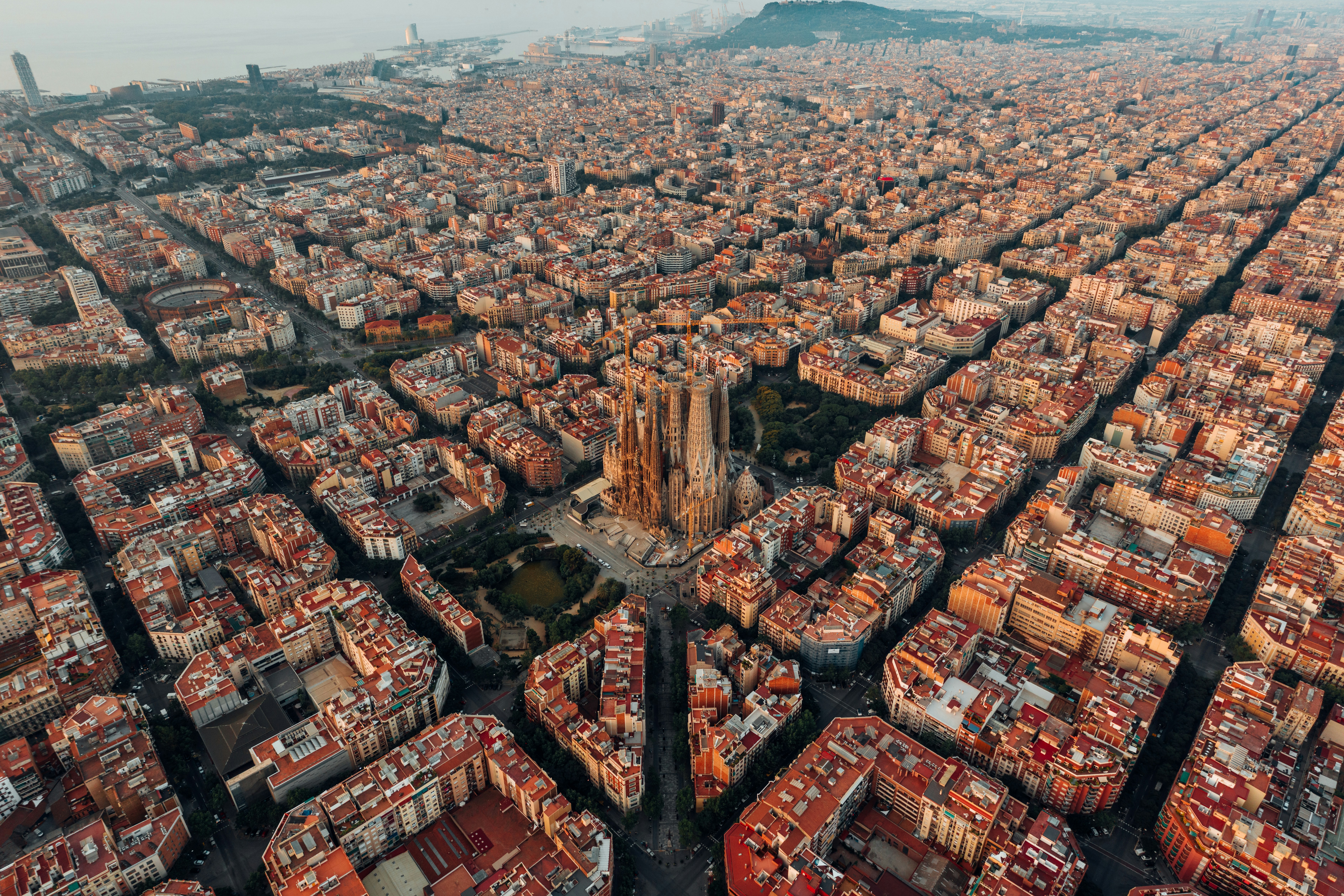
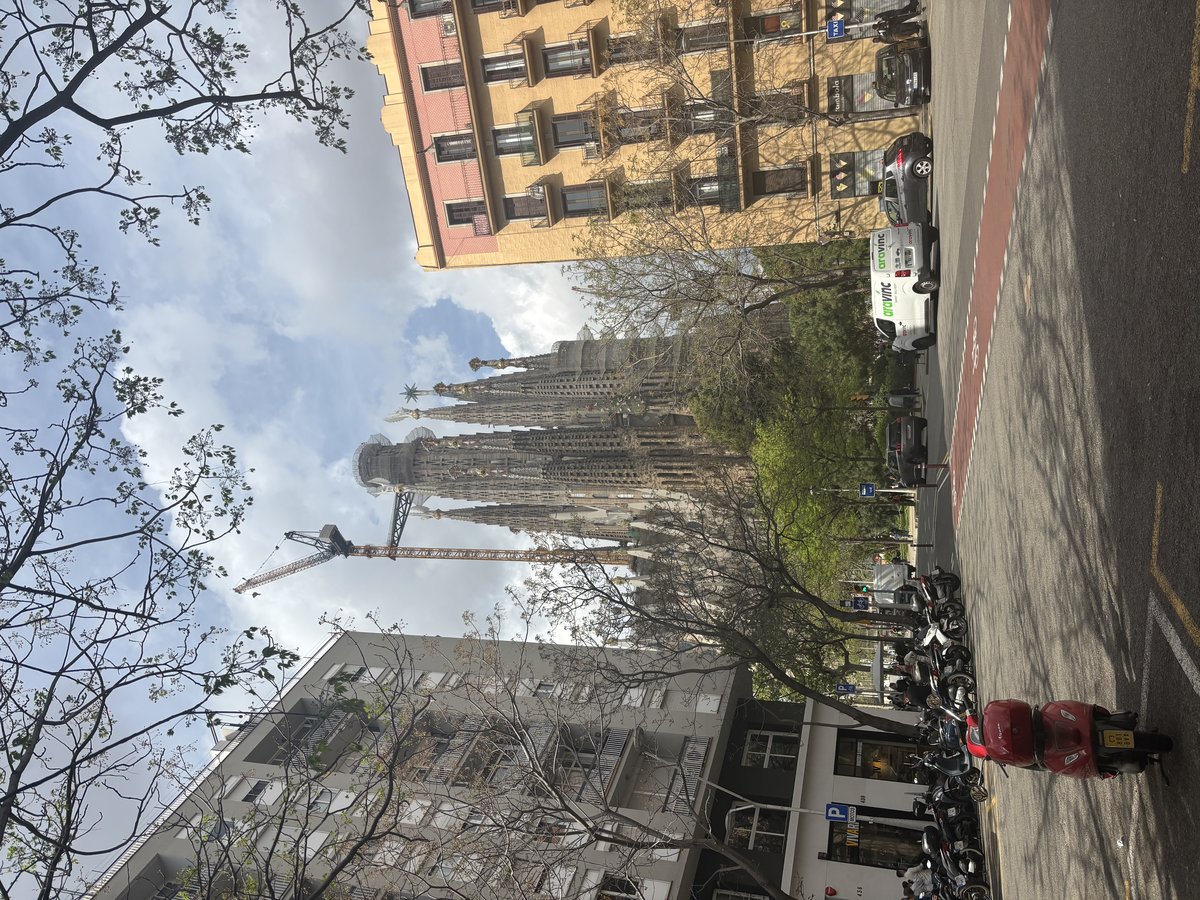
Besòs River Park has nature trails and picnic spots. Diagonal Mar Shopping Centre offers retail, dining, and entertainment. Diagonal Mar, Poblenou beaches, and the Forum area are near Sant Martí Tower. Sagrada Família and the Gothic Quarter are easily accessible by public transport.
Frequently asked questions
Are Sant Martí’s festivals free to attend?
Most festivals, such as Sant Jordi and Festa Major, are free.
Is Sant Martí suitable for families?
Yes. The district has parks, beaches, workshops, and events for all ages.
How do I get to Sant Martí from the airport?
Metro L1/L9, tram, or taxi are options. Public transport is efficient and well connected. For Sant Martí Tower, take the train to El Clot | Aragó, transfer to L2/L1, then take L4 towards El Maresme | Fòrum. A taxi takes 30 minutes and costs €30–€40.
Are guided tours available?
Yes. Tours cover sites including Torre Glòries, Can Framis Museum, and the 22@ District. Sant Martí Tower tours are available daily except Mondays in English, Catalan, and Spanish.
How do I buy Sant Martí Tower tickets?
Buy tickets online through the Sant Martí Tower Official Website or onsite.
Is Sant Martí Tower accessible for wheelchairs?
Yes.
When is the best time to photograph the tower?
Early morning and late afternoon.
Can a visit to Sant Martí Tower be combined with other attractions?
Yes. Diagonal Mar, Poblenou beaches, and the Forum area are nearby.