
Historical Background
Origins and Construction
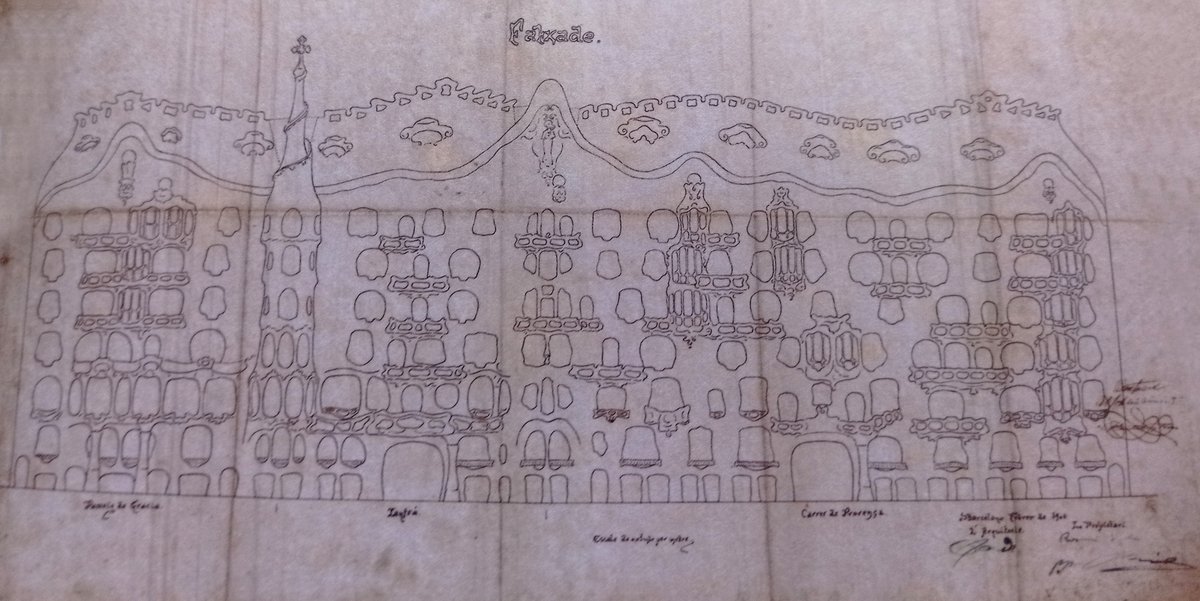
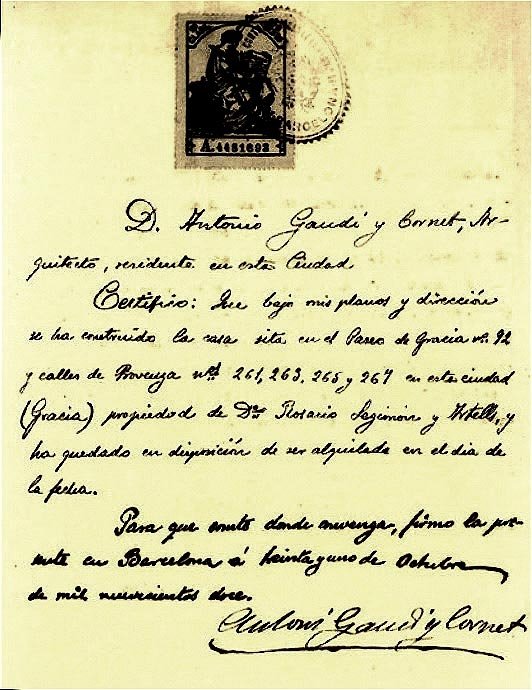
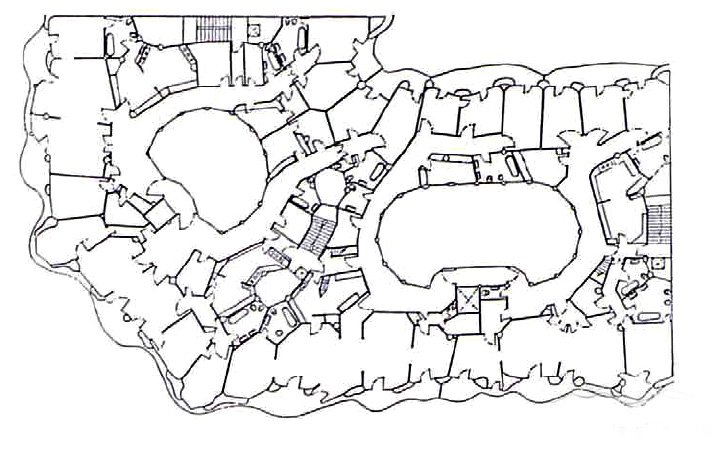
La Pedrera was commissioned in 1906 by the affluent Pere Milà and Roser Segimon, who envisioned a grand private residence with rentable apartments on what was then one of Barcelona’s most prestigious streets (La Pedrera Official). Antoni Gaudí, building on his experience with Casa Batlló, presented a revolutionary design featuring curvilinear stone walls, wrought-iron balconies, and an absence of straight lines—an embodiment of his fascination with natural forms and functional innovation (Archeyes).
Construction spanned from 1906 to 1912 and was punctuated by technical challenges and public controversy. The building’s distinctive appearance led locals to nickname it "La Pedrera," initially as a critique of its ‘quarry-like’ look (Rove.me). Gaudí’s radical use of self-supporting stone façades and iron frameworks permitted expansive, open interiors and abundant natural light (BCN Travel).
Social and Cultural Impact
Upon its completion, La Pedrera polarized opinion but quickly became an icon of Barcelona’s modernist movement. Its organic forms and integration of art and function influenced generations of architects worldwide. The Milà family occupied the principal floor, while upper apartments were rented out, reflecting the social dynamics of the era (Archeyes).
Preservation and Current Role
Declared a National Historic-Artistic Monument in 1969 and a UNESCO World Heritage Site in 1984, La Pedrera has undergone meticulous restoration. Managed by the Fundació Catalunya La Pedrera since 2013, it now operates as a museum and cultural center, featuring rotating exhibitions and innovative visitor programming (Wikipedia).
Visiting Hours and Tickets
Opening Hours
- Daytime Visits
- March–November: 9:00 AM – 8:30 PM (last entry 8:00 PM)
- November–March: 9:00 AM – 6:30 PM (last entry 6:00 PM)
- Night Experiences
- 9:00 PM – 11:00 PM (select evenings)
- Closed December 25 and January 9–15
- Note Hours may vary during special events or holidays. Always check the official website before your visit (thetouristchecklist.com).
Ticket Types and Pricing
- La Pedrera Essential (General Admission) €29.00
- Night Experience Tour €39.00
- Sunrise Tour €39.00
- Art Season (includes exhibitions) €35.00
- Premium Guided Tour €120.00
- Open Date Ticket €45.00
- Combined Tickets From €39.00 (bundled with other attractions)
- Special Exhibitions e.g., Sean Scully exhibition, €12 (reduced €10)
- Discounts For students, seniors, people with disabilities; children under 12 free (lapedrera.com)
- Advance Booking Strongly recommended, especially during peak periods (thetouristchecklist.com)
How to Buy
- Purchase tickets online via the official portal
- Limited on-site sales available (expect longer queues during busy times)
What to See at La Pedrera
1. The Exterior
Admire the sinuous, wave-like limestone façade and the intricate wrought-iron balconies. Each balcony and window is unique, reflecting Gaudí’s fascination with natural forms (bcn.travel), (bonjourbarcelone.fr).
2. Entrance and Courtyards
Step inside to explore two grand courtyards designed for optimal light and ventilation. Their walls are adorned with murals and organic motifs, providing a seamless transition from the city’s bustle to Gaudí’s imaginative world (timelesstravelsteps.com).
3. Espai Gaudí (Attic Museum)
The attic, composed of 270 catenary brick arches, houses the Espai Gaudí museum. Here, interactive exhibits, models, and original plans reveal Gaudí’s inspirations and engineering brilliance (barcelonaturisme.com).
4. The Pedrera Apartment
Visit the meticulously restored period apartment, complete with early 20th-century furnishings and household objects—offering insight into the daily life of Barcelona’s bourgeoisie and Gaudí’s innovative interior solutions (bcn.travel).
5. Rooftop Terrace
The rooftop is famed for its surreal chimneys and ventilation towers—often called "warriors"—clad in mosaic and stone. Enjoy panoramic views across Barcelona, including a direct sightline to Sagrada Família. At night, audiovisual shows illuminate the rooftop, narrating the building’s history (timelesstravelsteps.com).
6. Temporary Exhibitions and Events
La Pedrera regularly hosts high-profile art exhibitions (such as the Sean Scully retrospective), jazz concerts, and cultural workshops. Check the official agenda for current offerings (lapedrera.com).
7. Mezzanine and Virtual Experience
The mezzanine’s La Pedrera Virtual Experience uses holograms and interactive displays to reveal hidden stories and architectural secrets (barcelonaturisme.com).
Visitor Services and Accessibility
- Wheelchair Access Elevators and ramps in most public areas; some rooftop sections may be challenging (timelesstravelsteps.com).
- Audio Guides Included with most tickets, available in multiple languages.
- Guided Tours Expert-led tours offered in several languages for deeper insights.
- Facilities Cloakroom, restrooms, café, and gift shop on site.
- Photography Non-flash photography permitted in most areas; restrictions may apply during special exhibitions.
Getting There
- Metro Diagonal Station (Lines L3 and L5), a short walk to La Pedrera (thetouristchecklist.com)
- Bus Multiple lines stop nearby
- Cycling Dedicated bike lanes and parking available
- Car Limited paid parking in the vicinity
Tips for a Memorable Visit
- Book in Advance Secure your preferred time slot and skip the lines (thetouristchecklist.com).
- Arrive Early or Late For fewer crowds and better photo opportunities.
- Dress Comfortably Expect to walk and climb stairs, particularly on the rooftop.
- Bring Headphones For audio guides and exhibition QR codes.
- Allow 1.5–2 Hours To fully experience all areas and exhibitions.
- Combine Visits Casa Batlló and the Passeig de Gràcia shopping district are within walking distance (Archeyes).
Frequently Asked Questions (FAQ)
Q: What are La Pedrera’s opening hours?
A: Typically 9:00 AM–8:30 PM (summer), 9:00 AM–6:30 PM (winter). Night visits have separate schedules. Always confirm on the official website.
Q: How do I buy tickets?
A: Purchase online for best availability; limited on-site sales.
Q: Are there discounts?
A: Yes, for seniors, students, people with disabilities; children under 12 enter free.
Q: Is La Pedrera fully accessible?
A: Most areas are accessible, though some historic spaces (e.g., rooftop) may pose challenges.
Q: Can I take photos?
A: Non-flash photography is allowed in most areas.
Q: How long should I plan for the visit?
A: 1.5–2 hours is recommended.
Q: What else is nearby?
A: Casa Batlló, Casa Amatller, and luxury shopping on Passeig de Gràcia.
Visuals and Media
For an immersive preview, explore the official virtual tour.
Summary and Visitor Tips
A visit to Casa Milà (La Pedrera) is an essential Barcelona experience, combining architectural innovation, cultural heritage, and dynamic exhibitions. Plan ahead by booking tickets online, arrive early to avoid crowds, and use audio or guided tours to deepen your understanding. Enhance your itinerary by exploring nearby attractions and taking advantage of La Pedrera’s special events and virtual resources (La Pedrera Official, BCN Travel, thetouristchecklist.com).
Stay up to date by checking the official agenda and consider downloading the Audiala mobile app for exclusive tours and real-time updates.