
Historical Significance and Architectural Highlights
Origins and Vision
L’Auditori was conceived as part of Barcelona’s post-Olympic urban renewal, aiming to provide a modern, acoustically superb venue that could host a diverse range of musical events and foster community engagement. Its strategic location in the Eixample district, adjacent to other cultural institutions, anchors it within the city’s cultural corridor (Barcelona Turisme).
Architectural Excellence
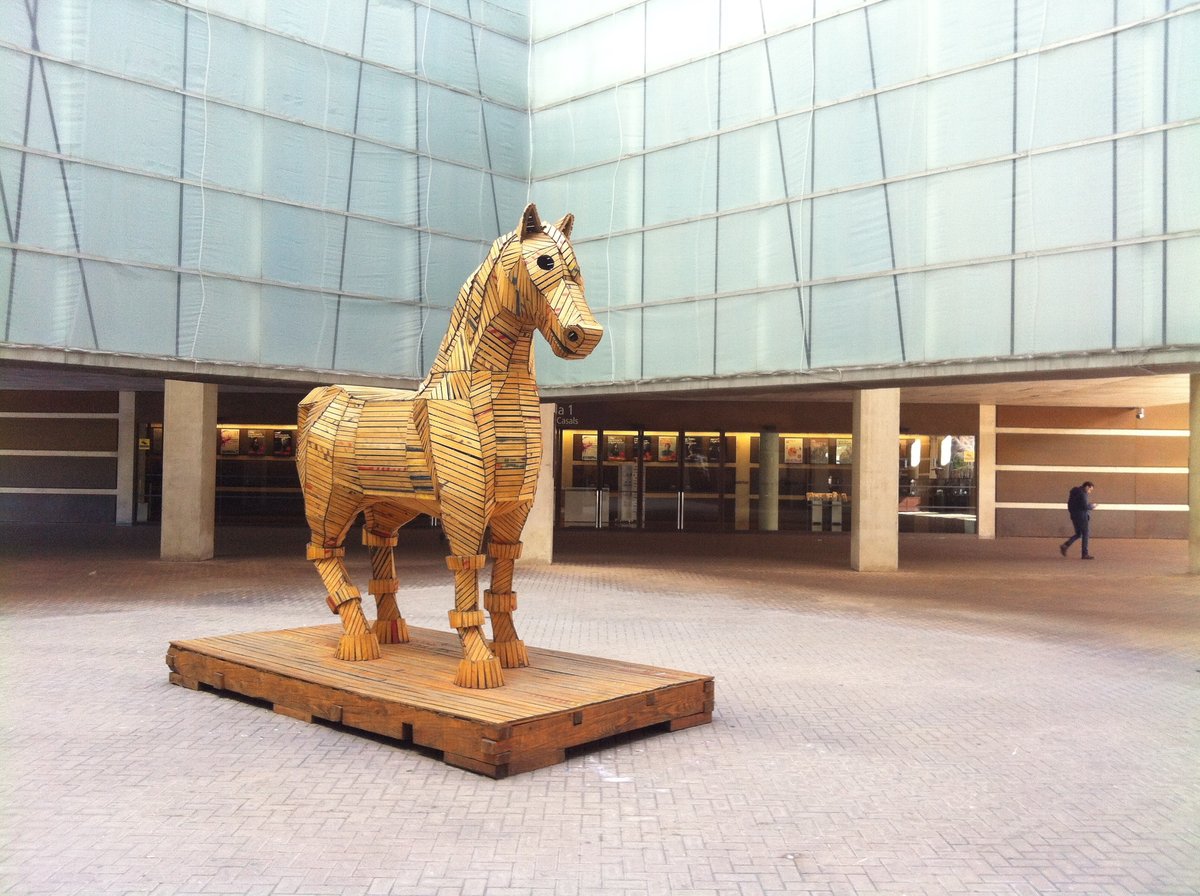
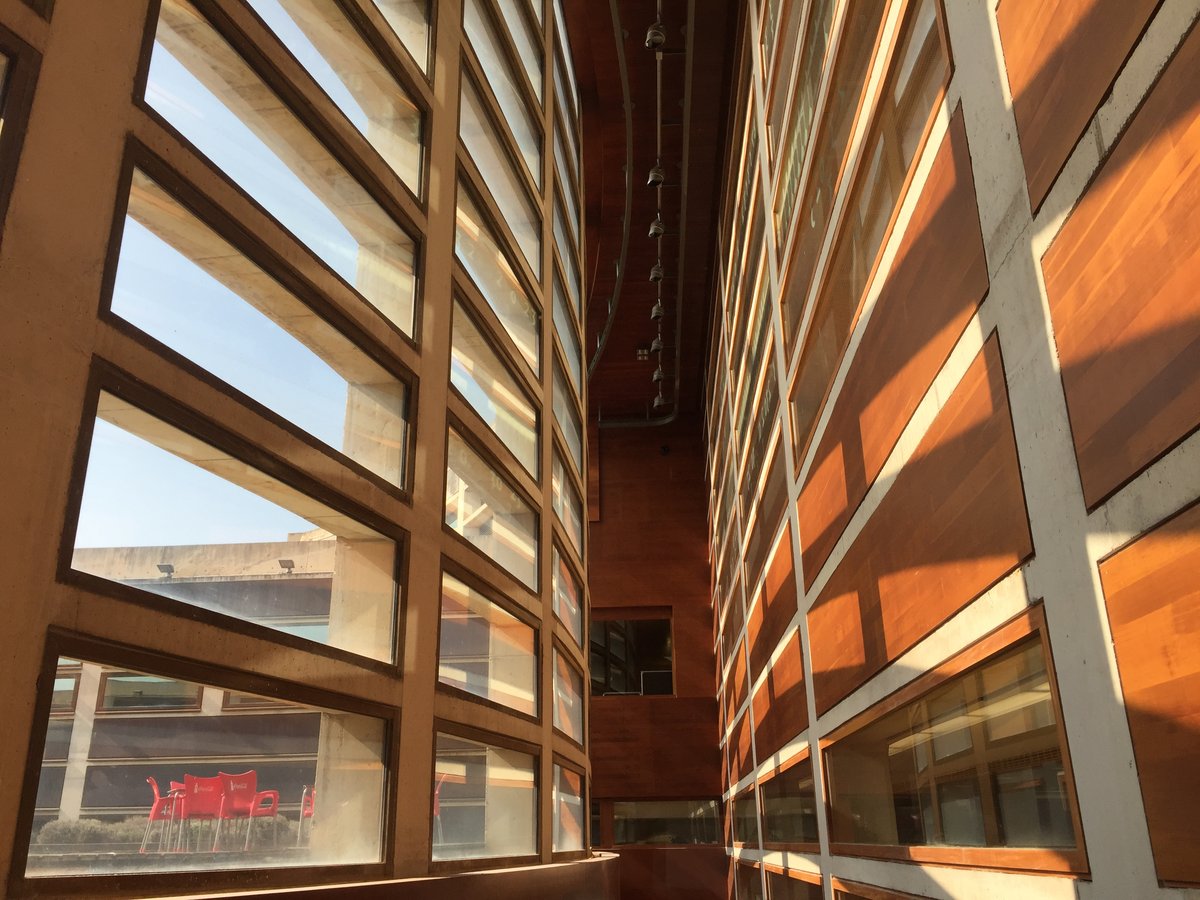
Rafael Moneo’s design is a masterful integration of modernist minimalism and functional sophistication. The exterior’s rectilinear prism and concrete grid create a sense of order, while the interiors are characterized by warm maple wood paneling and a striking glass cube entrance hall adorned by artist Pablo Palazuelo. The venue comprises four main concert halls—Sala Pau Casals, Sala Oriol Martorell, Sala Tete Montoliu, and Sala Alicia de Larrocha—each engineered for acoustic excellence (e-architect; Arquitectura Viva).
Integration and Urban Impact
Situated between Plaça de les Glòries and the innovative 22@ technology district, L’Auditori is part of a vibrant urban ensemble that includes the Teatre Nacional de Catalunya and Museu del Disseny. Its presence has helped transform the neighborhood into a thriving cultural district (e-architect).
L’Auditori’s Role in Barcelona’s Musical Landscape
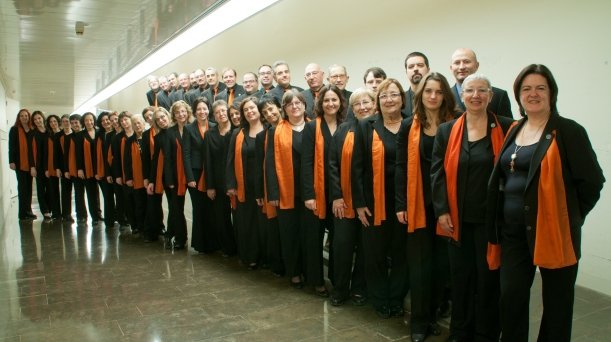
L’Auditori stands alongside the Gran Teatre del Liceu and Palau de la Música Catalana as one of Barcelona’s “temples of music.” It is home to the Orquestra Simfònica de Barcelona i Nacional de Catalunya (OBC), the Barcelona Symphony Band, and the Escola Superior de Música de Catalunya (ESMUC). The venue’s programming is diverse—encompassing symphonic, chamber, jazz, and contemporary music—while also serving as a platform for premieres, festivals, and international guest performances (Barcelona Obertura; Schmidt Holidays).
Educational and Community Outreach
Education and community engagement are central to L’Auditori’s mission:
- ESMUC Catalonia’s leading higher education institution for music, offering degrees in performance, composition, and musicology.
- L’Auditori Educa Workshops, school concerts, and family programs introduce music to young audiences.
- Community Projects Outreach initiatives bring music to hospitals, community centers, and underserved neighborhoods, reinforcing social inclusion (Schmidt Holidays; Barcelona Turisme).
Museu de la Música
Located within the L’Auditori complex, the Museu de la Música is one of Spain’s foremost music museums. Its collection features over 500 instruments from various cultures and historical periods, with interactive exhibits and temporary exhibitions that highlight both heritage and innovation (Museu de la Música).
Sustainability and Environmental Leadership
L’Auditori exemplifies Barcelona’s commitment to sustainable urbanism:
- Renewable Energy Installation of nearly 1,200 photovoltaic panels generates substantial clean energy.
- Green Mobility The venue is easily accessible via public transport, supporting the city’s low-emission goals.
- Urban Greening Located within a superblock (“superilla”), L’Auditori benefits from pedestrianized streets and increased green spaces.
- Accessibility Full wheelchair access, elevators, and assistive listening devices are available (Barcelona Turisme; Barcelona City Council).
Visitor Information: Hours, Tickets, and Access
Visiting Hours
- General Monday to Friday, 10:00 AM – 8:30 PM; Saturday, 10:00 AM – 2:00 PM; closed Sundays and public holidays.
- Note Hours may vary on concert days or during special events. Always check the official website for the latest information (Museu de la Música).
Tickets and Reservations
- Online Purchase via the official L’Auditori ticket portal.
- Box Office Available during visiting hours.
- Phone +34 93 256 36 50.
- Prices Range from €10–€50, with discounts for students, seniors, and groups. Guided tours and VIP packages are also available (Barcelona Best Experiences).
Getting There
- Metro Line 1 (Glòries), Line 2 (Monumental).
- Tram T4 (Auditori-Teatre Nacional).
- Bus Several city lines.
- Parking Limited; public transport is advised.
Visitor Amenities
- Café and Restaurant On-site options for snacks and meals.
- Cloakroom Secure storage for coats and bags.
- Gift Shop Music-themed souvenirs and books.
- Wi-Fi Complimentary throughout the venue.
Tips for Your Visit
- Arrive Early Doors open 30–45 minutes before performances; take time to explore the architecture and museum.
- Dress Code Smart casual recommended for evening concerts.
- Photography Not permitted during performances.
- Family Friendly Special programming and discounts for children and educational groups.
- Nearby Attractions Museu del Disseny, Torre Glòries, and Sagrada Família are within walking distance.
Frequently Asked Questions (FAQ)
Q: What are L’Auditori’s opening hours?
A: Monday–Friday 10:00 AM–8:30 PM, Saturday 10:00 AM–2:00 PM, closed Sundays/public holidays. Check the official website for updates.
Q: How can I purchase tickets?
A: Online, at the box office, or by phone. Advance purchase is recommended (L’Auditori Tickets).
Q: Is L’Auditori accessible for people with disabilities?
A: Yes, there is step-free access, elevators, designated seating, and assistance services.
Q: Are guided tours available?
A: Yes, tours of the venue and Museu de la Música can be arranged in advance (Museu de la Música).
Q: Can I visit the museum separately?
A: Yes, the Museu de la Música has its own entrance and visiting hours.

